
If you’re short on floor space but still want greenery that won’t put your pets at risk, you’re in the right place.
This guide walks you through Pet-Safe Hanging Plants for Shelves and Windows—beautiful, non-toxic options that trail, climb, or cascade without getting in your pet’s way.
What You’ll Learn 📖
- 🌱 What “pet-safe” really means (and why it doesn’t make plants a free snack)
- 🌿 The best non-toxic hanging and trailing plants for shelves and windows
- 💡 How to match plant choices to your actual light (and when to add a grow light)
- 🛠️ Simple, safe ways to hang plants so pets can’t pull them down
- 🐾 What to do if your pet nibbles on a plant by accident
Quick Answer 🌿🐾
Some of the best pet-safe hanging plants for shelves and windows include spider plants, Boston ferns, hoyas, peperomia, Swedish ivy, string of hearts, and certain sedums. These plants offer trailing growth, fit small spaces well, and are commonly considered safer choices for homes with cats and dogs.
Pet-Safe Hanging Plants for Shelves and Windows 🌿🐾
Let’s look at some of the best pet-safe hanging plants for shelves and windows, along with simple care tips and safer ways to display them around curious pets.
What “Pet-Safe” Really Means (And What It Doesn’t) 🐕🐈
Let’s clear up one big misconception right away: “pet-safe” or “non-toxic” doesn’t mean a plant is completely harmless no matter what.
It just means the plant is not expected to cause serious poisoning in cats or dogs if they nibble a small amount.
- Non-toxic / pet-safe: Unlikely to cause severe or life-threatening signs if a pet takes a small bite.
- Toxic: Known to cause more serious problems like heart issues, neurologic signs, or organ damage.
Even “safe” plants can still lead to mild stomach upset (vomiting, soft stool) if your pet munches a lot of leaves.
Your goal is to choose plants that lower the risk if something happens—and then set them up so your pets aren’t tempted in the first place.
Hanging and trailing plants are perfect for this. They let you enjoy lush, cascading greenery while keeping pots off the floor and away from wagging tails and investigating noses.
Light Basics for Hanging & Shelf Plants 💡
Before you fall in love with a trailing plant, it helps to know what kind of light your shelves and windows actually get.
Most hanging plants want at least medium to bright, indirect light to stay full and happy.
How to read your light levels
- Bright, indirect light: Near an east or north window, or a sunny window with a sheer curtain. The room feels bright, but the sun isn’t blasting your plants all day.
- Medium light: You can read comfortably without turning on a lamp, but the plant isn’t right next to the window.
- Low light: The space looks dim for much of the day; shadows are fuzzy and weak. Most trailers will survive here, but they may stretch and lose their looks without a grow light.
A simple trick is to take a quick phone photo at midday. If the picture comes out clear without a flash, you probably have at least medium light.
When to consider a small grow light
- North-facing windows that never get much brightness.
- Deep rooms where the only light is from across the space.
- Spindly, stretched vines and pale new leaves.
If your dream hanging corner is a bit on the dim side, a small clip-on or bar grow light above your shelf can make all the difference.
Safe Setups: Hanging Plants in Pet Homes 🪜
It’s not just what you grow, but how you hang it. A smart setup keeps plants secure and out of reach, even if your cat is a gymnast or your dog has a big happy tail.
Hardware that actually holds
- 🧱 Ceiling hooks into studs: The most secure option for heavy hanging baskets.
- 🔩 Wall brackets: Great for macramé hangers by windows and over furniture.
- 📚 Anchored shelves: Use wall-anchored shelves for trailing plants instead of wobbly bookcases.
Avoid chewable hazards
- ⚠️ Long, dangling cords or thin twine your cat will swat at all day.
- ⚠️ Lightweight plastic hangers that a big dog could yank down by accident.
- ✅ Shorter macramé hangers or sturdy metal chains for heavier plants.
Contain the mess
- Use saucers or decorative cachepots to catch extra water and protect shelves.
- Add a top layer of pebbles or bark to discourage digging and reduce soil splash.
- Wipe up drips so pets aren’t licking fertilizer residue off floors or furniture.
- Self-watering planters not only make watering easier but also eliminate drips on floors or furniture
Think of it as creating a little “hanging plant zone” that looks great from your couch but stays boring and unreachable from your pet’s point of view.
Pet-Safe Hanging & Trailing Plants to Try 🌿
The plants below are commonly listed as non-toxic to cats and dogs in trusted pet and extension resources. Always double-check your specific variety—especially if the tag uses a vague or different common name.
Spider Plant (Chlorophytum comosum) 🕷️🌿

Spider plants are classic hanging stars. Long, arching leaves and baby “spiders” on little stems make them perfect for macramé hangers or high shelves where the foliage can spill over the edge.
- Light: Bright, indirect light is ideal; they’ll tolerate medium light too.
- Water: Let the top inch of soil dry slightly between waterings. They don’t like being soggy for long periods.
- Pet tip: Spider plants are non-toxic, but some cats love to chew the leaves. Hanging them a bit higher or away from cat shelves helps.
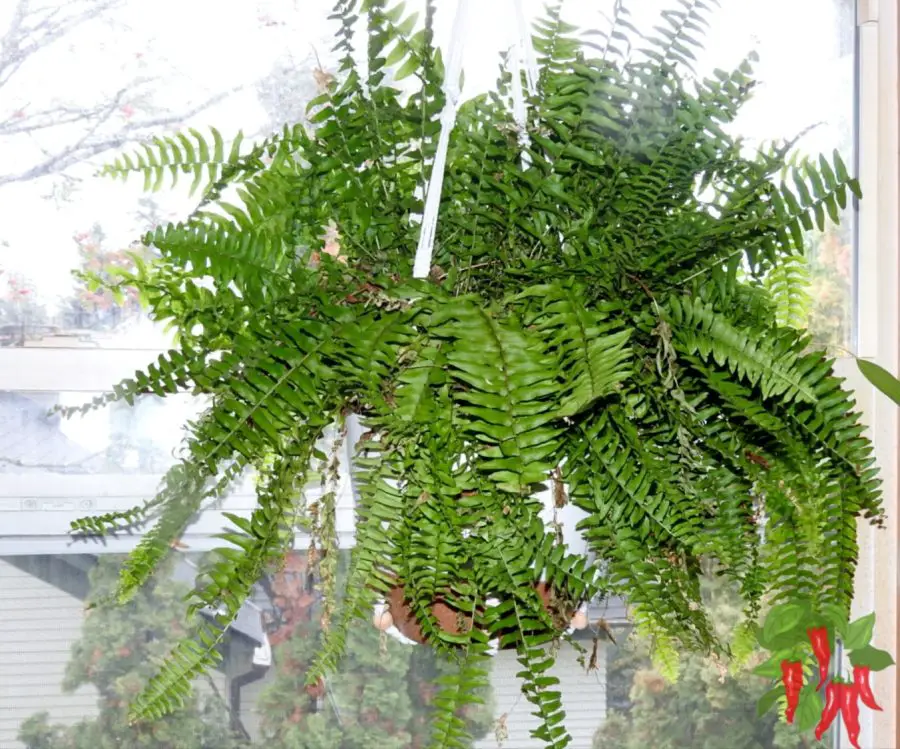
Boston Fern & Lemon Button Fern (Nephrolepis species) 🌿

Ferns are made for hanging baskets. Boston fern gives you a full, “shaggy” look, while lemon button fern is a smaller, tidier option with cute round leaflets. Both can look fantastic spilling from a shelf or hanging just below a window.
- Light: Bright, indirect light. Strong midday sun can scorch the fronds.
- Water: Enjoy consistently moist soil and higher humidity. Bathrooms with good light are perfect.
- Pet tip: They’re considered non-toxic, but you’ll still want pots high enough that pets aren’t constantly brushing through the fronds.
Trailing Peperomia & Friendship Plant (Peperomia spp. & Pilea involucrata) 🤝
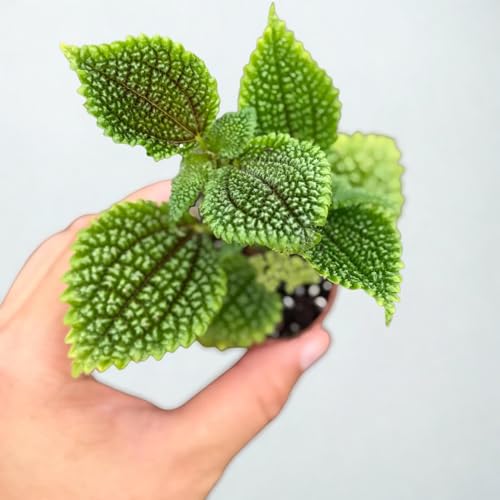
Trailing peperomias and the aptly named friendship plant are wonderful for shelves and smaller hanging pots. They stay fairly compact, trail gently, and have interesting textures you can enjoy at eye level.
- Light: Bright to medium, indirect light is best for good color and growth.
- Water: Allow the top of the soil to dry a bit between waterings, especially for thicker-leaved peperomias.
- Pet tip: These plants are commonly listed as non-toxic. They’re great options for bookcase shelves and wall-mounted plant ledges.
Swedish Ivy (Plectranthus verticillatus) 🌿

Swedish ivy is a fast-growing trailer with scalloped, glossy leaves that drape beautifully. It fills out hanging pots quickly and works well in bright windows where you want a lush, cascading effect.
- Light: Bright, indirect light; it can tolerate some light shade.
- Water: Keep soil lightly moist, allowing the top layer to dry slightly between waterings.
- Pet tip: Swedish ivy is often noted as non-toxic, making it a solid choice for homes with curious pets.
Hoya / Wax Plant (Hoya carnosa and relatives) 🌙

Hoya plants have thick, waxy leaves and long, trailing vines that look stunning in hanging pots near bright windows. Some varieties produce clusters of star-shaped, fragrant flowers once they settle in.
- Light: Bright, indirect light; a bit of gentle morning sun is usually welcome.
- Water: Let the soil dry between waterings. They store water in their leaves and don’t like constantly wet roots.
- Pet tip: Hoya carnosa is listed as non-toxic, and its thick, waxy leaves are less likely to shatter into tempting “toys.”
Burro’s Tail & Other Pet-Safe Sedums (Sedum morganianum) 🐴

Burro’s tail is a unique trailing succulent with long, beaded stems that pour over the pot. It brings a sculptural look to hanging baskets and sunny shelves and can be a real conversation piece.
- Light: Bright light near a sunny window, but protect from harsh, burning midday rays through glass.
- Water: Very drought-tolerant—let the soil dry thoroughly between waterings.
- Pet tip: Leaves are fragile and fall easily, so place baskets where pets can’t swat or bump them constantly.
String of Hearts (Ceropegia woodii) 💜

String of hearts is a delicate, trailing plant with long, slender vines and tiny heart-shaped leaves. It’s ideal for shelves and hanging pots where you want graceful, romantic draping.
- Light: Bright, indirect light for compact, colorful growth.
- Water: Treat it like a semi-succulent—let the soil dry most of the way between waterings.
- Pet tip: Often listed as non-toxic. Keep the long vines out of easy paw reach so they don’t become string toys.
Quick-Reference Checklist ✅
Use this simple checklist when you’re picking hanging plants for a pet-friendly home:
- 🌿 Is it listed as non-toxic on a trusted pet or veterinary site?
- 💡 Does its light requirement match your real shelf or window conditions?
- 💧 Is the watering schedule realistic for you (frequent moisture vs. “water when dry”)?
- 🛠️ Do you have solid hardware (brackets, studs, anchors) to hang it safely?
- 🐾 Can you position it so falling leaves and vines aren’t constantly landing where pets play?
Simple Care Routine for Pet-Safe Hanging Plants 🧴
You don’t need a complicated routine to keep your hanging plants happy. A small, consistent habit works better than occasional plant marathons.
Weekly “plant check” (5–10 minutes)
- 👀 Look for yellowing leaves, brown tips, or pests under leaves and along stems.
- 💧 Test soil moisture with your finger before you water—no more guessing.
- ✂️ Snip off dead or damaged leaves so they don’t fall where pets can play with them.
Monthly tidy-up
- 🔁 Turn hanging pots a quarter-turn for even light on all sides.
- 🧽 Wipe dust off leaves with a soft, damp cloth. Skip leaf-shine products—many aren’t pet-friendly and plants don’t need them.
- 🧪 If you fertilize, dilute according to the label, water it in well, and store all fertilizer bottles where pets can’t reach them.
Quick Safety Check for Pet Parents 🌐
Even with “safe” lists, it’s smart to double-check every plant—especially if your pet is a known plant chewer or shelf climber.
🌿 Safety Snapshot for Hanging Plant Lovers
“Pet-safe” or “non-toxic” usually means a plant is unlikely to cause serious poisoning in small amounts – not that your cat or dog can graze on it like a salad bar. Even safe plants can still upset a sensitive stomach if a lot of foliage is eaten.
Make it a habit to check both the common and scientific names of any new plant against a trusted list before you bring it home or hang it up high.
FAQs: Pet-Safe Hanging Plants for Shelves and Windows ❓
Are all hanging plants safe for pets if they’re high enough?
Not necessarily. Many popular hanging plants like pothos, philodendron, and some ivies are considered toxic. Fallen leaves, broken vines, or seed pods can still end up on the floor where pets can reach them. It’s safer to choose non-toxic plants and then hang them securely than to rely on height alone.
What are the safest hanging plants for homes with cats and dogs?
Some commonly recommended pet-safer options include spider plant, Boston and lemon button ferns, trailing peperomia, friendship plant, Swedish ivy, certain hoyas, burro’s tail, and string of hearts. Always double-check your specific plant on a trusted list, but those are a good starting point for beginners.
Can pets still get sick from non-toxic hanging plants?
Yes, it’s possible. Non-toxic simply means serious poisoning is unlikely. Any plant material can cause mild stomach upset or loose stool if your pet eats a large amount. If your pet raids a plant and seems off—vomiting, lethargy, or diarrhea that doesn’t resolve—call your vet for guidance.
Is it better to keep toxic plants and just hang them out of reach?
In most pet homes, the safest choice is to avoid toxic plants altogether or keep them in a truly pet-free room with the door closed. Hanging toxic plants helps, but doesn’t remove the risk of dropped leaves or broken stems. If you’re unsure, it’s usually easier to swap for a non-toxic lookalike and stop worrying.
What should I do if my pet chews on a hanging plant?
First, gently remove any plant material you can safely get out of their mouth and move the plant out of reach. Identify the plant or take clear photos of it and its tag. Look it up on a trusted plant-safety list. If it’s toxic—or you don’t know what it is—call your veterinarian or an animal poison hotline right away and follow their advice.
How do I stop my cat from jumping up to reach my hanging plants?
Try moving hanging plants away from “launch pads” like bookcases, window perches, and the tops of couches. Offer your cat acceptable climbing spots (like cat trees or window hammocks) in a different area. In some cases, you may need to move plants into rooms your cat can’t access or use ceiling hooks over areas that are harder to jump to.
🌿🐾 Final Thoughts: Pet-Safe Hanging Plants for Shelves and Windows
You don’t have to give up your dream of trailing plants just because you share your home with pets.
With the right mix of non-toxic hanging plants, solid hardware, and a little planning, you can enjoy lush greenery up high while keeping your cats and dogs safe below.
- Start with one or two easy, pet-safe trailers like spider plant and Swedish ivy.
- Match your choices to the light you actually have, not the light you wish you had.
- Double-check every plant against a trusted list before it comes home.
From there, you can slowly grow your hanging jungle—one safe, beautiful plant at a time—knowing your pets are part of the plan, not an afterthought. 🌿🐶🐱
Continue Exploring Pet-Safe Indoor Plants
References 📚
- University of Illinois Extension – Protect Your Pets: Keep Paws Off Overwintering Indoor Plants
- University of Illinois Extension – Houseplants (care & light basics)
- University of Maryland Extension – Are Your Houseplants Safe for Your Pet?
- ASPCA – Toxic and Non-Toxic Plants List