
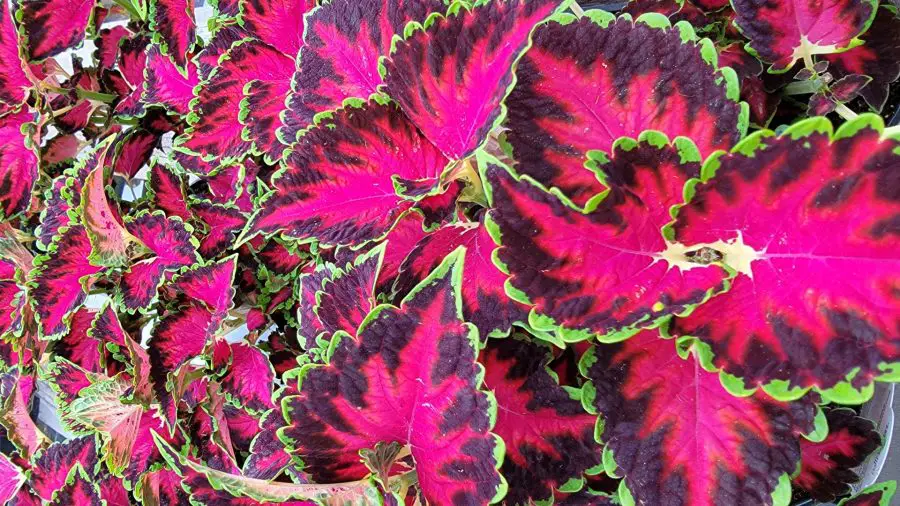
Coleus Indoor Care is all about providing bright light, consistent moisture, and regular pruning to keep these colorful foliage plants looking their best. With hundreds of leaf patterns and color combinations available, coleus can add year-round interest to shelves, windowsills, and indoor plant displays.
Whether you’re growing coleus from seed, propagating cuttings, or bringing outdoor plants inside for winter, this guide covers everything you need to grow healthy, vibrant plants indoors.
What You’ll Learn
- How much light indoor coleus plants need for vibrant foliage
- The best watering schedule and soil mix for healthy growth
- How to fertilize and prune coleus for fuller plants
- Easy propagation methods using stem cuttings
- How to overwinter coleus indoors successfully
- Common coleus problems and how to fix them
Quick Answer: Coleus Indoor Care
Coleus plants grow best indoors in bright indirect light, consistently moist but well-draining soil, and temperatures between 65°F and 75°F. Water when the top inch of soil begins to dry, fertilize monthly during active growth, and pinch growing tips regularly to encourage bushier plants.
Coleus Care Indoors
Welcome to the wonderful world of Coleus Indoor Care! If you’re looking to add a splash of color and life to your living space, you’ve come to the right place.
Our comprehensive guide will walk you through everything you need to know about growing and maintaining these vibrant, eye-catching plants.
True Story
I grew up in a house full of houseplants. One of my favorites and my mom’s too was Coleus.
It thrived in my home adding beauty and color to the room.
My mom would propagate new coleus plants from cuttings. It was easy to propagate and was not fussy about lighting.
So I am very fond of this plant.
So let’s dive into the captivating realm of coleus plants together.
Coleus Indoor Care: Coleus Plant Care Tips
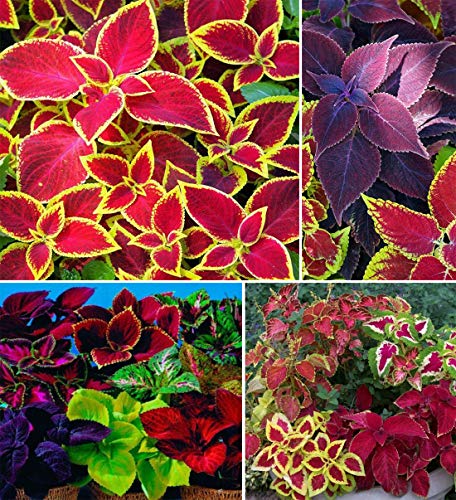
In this guide, we’ll explore the many benefits of having these colorful plants in your home, as well as the best practices for keeping them healthy and thriving.
A Glimpse into the World of Coleus Plants
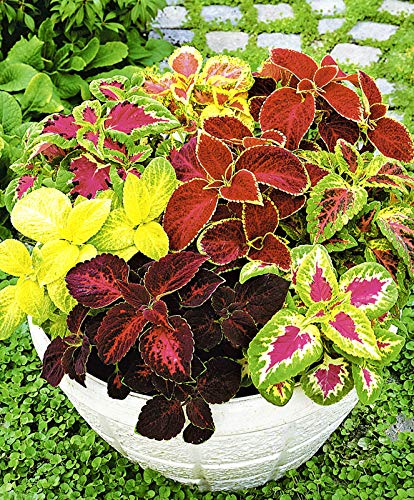
Coleus plants are truly a sight to behold, with their fascinating foliage displaying a stunning array of bright colors and patterns.
You will be able to find coleus varieties you fall in love with. These plants, are native to Southeast Asia and parts of Africa.
They are a member of the mint family and are known for their low-maintenance nature.
With hundreds of varieties to choose from, there’s a coleus plant to suit every taste, making them a popular choice for both indoor and outdoor gardens.
Their adaptability and versatility have garnered them a loyal following among gardeners who are eager to brighten up their living spaces with these spectacular plants.
Coleus Plant Indoor Benefits

Let’s dive into the amazing benefits of growing coleus plants indoors!
A Feast for the Eyes: Aesthetic Appeal
There’s no denying the eye-catching beauty of coleus plants. With their vibrant colors and intricate leaf patterns, they effortlessly bring life and visual interest to any indoor space.
Whether placed on a sunny windowsill, a side table or as a centerpiece, coleus plants never fail to make a statement.
Their lush foliage and rich hues can instantly elevate the ambiance of your home, adding warmth and character to your personal sanctuary.
A Boost for Your Well-Being: Psychological Benefits
Did you know that coleus plants have psychological benefits as well? Studies have shown that being around plants can help reduce stress, improve mood, and boost overall well-being.
Their calming effect can help you feel more relaxed, while their presence can stimulate creativity and productivity.
Growing Coleus from Seed: A Beginner’s Guide

Starting your coleus plants from seed can be a rewarding and cost-effective way to cultivate a diverse and vibrant collection.
In this section, we’ll walk you through the steps to successfully grow coleus from seed, ensuring a strong and healthy start for your future foliage superstars.
Sowing the Seeds: Preparing and Planting
• Choose high-quality seeds: To increase your chances of success, opt for fresh, high-quality seeds from a reputable supplier.
• Prepare your planting medium: Fill seed trays or small pots with a well-draining, sterile seed-starting mix, such as a blend of coco coir, perlite, and vermiculite. Avoid using garden soil, as it may contain pathogens that can harm your seedlings.
• Sow the seeds: Lightly press the coleus seeds onto the surface of the planting medium. Coleus seeds need light to germinate, so don’t bury them. Cover the seeds with a fine layer of vermiculite or gently mist them with water to help them settle into the soil.
• Maintain warmth and humidity: Coleus seeds prefer temperatures between 70-75°F (21-24°C) for germination. Place the seed trays or pots in a warm location or use a seedling heat mat. Cover the trays or pots with a clear plastic dome or plastic wrap to maintain humidity.
Seedling Success: Germination and Early Care
• Monitor moisture levels: Keep the seed-starting mix consistently moist but not soggy. Use a spray bottle or mister to water the seeds gently, preventing the displacement of the tiny seeds.
• Provide light: Place the trays or pots in a bright location, preferably under grow lights or near a sunny windowsill. Seedlings need 12-14 hours of light per day for healthy growth.
• Watch for germination: Coleus seeds typically germinate within 10-14 days. Once seedlings emerge, remove the plastic cover to prevent damping-off, a fungal disease that can kill young seedlings.
• Fertilize and transplant: When seedlings have at least two sets of true leaves, transplant them into larger containers filled with a high-quality potting mix. Begin feeding your seedlings with a diluted, balanced liquid fertilizer every two weeks.
Seedling Stars: Transitioning to Mature Plants
Harden off: Before moving your coleus plants to their final indoor location, gradually expose them to the new environment. Start by placing them in a partially shaded area, then gradually increase the light exposure over 7-10 days.
Final transplant: Once your coleus seedlings are acclimated, transplant them into their final pots or containers, following the indoor care tips provided in this guide.
Coleus Light Requirements Indoors

Providing your coleus plants with the right amount and type of light is crucial for maintaining their vibrant colors and lush foliage.
In this section, we’ll delve into the ideal light requirements for coleus plants indoors, how to recognize and address any lighting issues and share some handy tips to ensure your plants bask in the perfect glow.
Striking the Perfect Balance: Ideal Light Levels
When it comes to coleus plants, the sweet spot for lighting is indirect bright light.
While they love soaking up the sun, they don’t appreciate direct sunlight, as it can scorch their delicate leaves and cause their colors to fade.
Placing your coleus plants near a well-lit window with filtered sunlight or in a spot with dappled shade is ideal for keeping them happy and healthy.
Reading the Signs: Inadequate or Excessive Light
Your coleus plants will let you know if they’re not getting the right amount of light. Here are some telltale signs:
Inadequate light: If your coleus plants are receiving too little light, they may become leggy, with elongated stems and sparse foliage. Their vibrant colors may also appear dull or washed out.
Excessive light: On the other hand, if your coleus plants are exposed to too much direct sunlight, their leaves might become scorched, wilted, or develop brown patches.
Paying attention to these signs will help you address any lighting issues before they affect your plant’s health.
Brightening Up Their World: Tips for Adjusting Light Levels
If you notice any signs of inadequate or excessive light, adjusting the light levels for your coleus plants is easy! Here are some tips to help you out:
Move your plant: If your coleus plant is receiving too little light, move it closer to a window or place it in a brighter spot.
Conversely, if your plant is receiving too much direct sunlight, relocate it to an area with more shade or filtered light.
Use sheer curtains: Sheer curtains can help diffuse the sunlight, providing your coleus plants with the perfect balance of bright, indirect light.
Consider artificial light: If natural light is scarce in your home, you can use fluorescent or LED grow lights to supplement your coleus plants’ lighting needs. Just make sure to follow the manufacturer’s recommendations for distance and duration.
Best Indoor Locations for Coleus Plants
Coleus plants thrive in bright indoor spaces where their colorful foliage can receive plenty of indirect sunlight.
- East-facing windows with gentle morning sun
- Bright north-facing rooms
- A few feet back from south-facing windows
- Plant shelves near bright windows
- Home offices and living rooms with consistent natural light
Avoid dark corners where colors may fade and growth can become stretched and leggy.
Coleus Temperature and Humidity

In this section, we’ll discuss the ideal temperature and humidity levels for coleus plants indoors, along with some useful tips to help you maintain their preferred conditions.
Comfortably Cozy: Ideal Temperature Range
Coleus plants thrive in a comfortable, room-temperature environment.
They prefer a consistent temperature range between 65°F and 75°F (18°C to 24°C) during the day, with a slightly cooler range of 60°F to 65°F (15°C to 18°C) at night.
Keep in mind that these tender plants are sensitive to extreme temperatures and may suffer if exposed to prolonged periods of cold or heat.
Moisture Matters: Humidity Preferences
Humidity plays an essential role in the well-being of your coleus plants. Coleus is a tropical plant.
They enjoy a relatively high level of humidity, ideally around 40% to 50%.
This mimics their natural habitat in tropical and subtropical regions, helping them maintain their vibrant foliage and preventing their leaves from drying out.
Creating a Comfortable Climate: Tips for Maintaining Temperature and Humidity Levels
Here are some tips to help you keep your coleus plants cozy and content:
• Keep them away from drafts: Cold drafts from windows, doors, or air conditioning vents can harm your coleus plants. Make sure to place them in a spot with stable temperatures, away from any cold or hot air sources.
• Use a humidifier: If your indoor air is too dry, a humidifier can help maintain the desired humidity levels for your coleus plants. Be sure to clean and maintain the humidifier regularly to avoid any bacterial or fungal growth.
• Group your plants: Placing your coleus plants near other humidity-loving plants can create a microclimate with increased moisture levels, benefiting all the plants involved.
• Try a pebble tray: Fill a tray with water and pebbles, then place your coleus pot on top of the pebbles (without touching the water). As the water evaporates, it increases the humidity around your plant.
By carefully monitoring and maintaining the temperature and humidity levels in your home, you’ll create a comfortable environment for your coleus plants to thrive.
Coleus Soil and Pots

In this section, we’ll dive into the perfect soil mix for these leafy wonders and discuss how to select the ideal pot to keep them happy and thriving.
Green Living: Soil Mix Recommendations with Coco Coir and Perlite
Choosing an eco-friendly soil mix is not only beneficial for your coleus plants but also for the environment.
We recommend using a mix of coco coir and perlite as a sustainable alternative to peat-based soil mixes.
Aim for a blend that consists of 70% coco coir and 30% perlite. This combination creates well-drained, airy, moisture-retentive Coleus soil that’s perfect for your Coleus plants’ root development and overall health.
Picking the Perfect Home: Choosing the Right Pot Size and Material
Selecting the right pot is crucial for your coleus plants’ growth and well-being. Consider the following factors when choosing a pot:
Size: Start with a pot that’s 1-2 inches larger in diameter than your coleus plant’s root ball.
This will provide enough room for growth without overwhelming the plant.
Material: Pots made from materials like terracotta, ceramic, or plastic are all suitable options.
Terracotta pots are breathable and help regulate soil moisture, while plastic pots retain moisture better but may require more careful monitoring of watering.
Weight: Keep in mind the weight of your pot, especially if you plan to move your plant around or hang it.
Lightweight materials, like plastic or fiberglass, might be more suitable for these situations.
Going with the Flow: Drainage and Watering Considerations
Proper drainage is essential for preventing root rot and maintaining the health of your coleus plants.
Here are some tips to ensure your plants have adequate drainage and receive the right amount of water:
• Drainage holes: Make sure your chosen pot has drainage holes at the bottom to allow excess water to escape.
If your pot doesn’t have holes, you can drill some yourself or place a layer of pebbles at the bottom to create a makeshift drainage system.
• Watering frequency: Coleus plants prefer consistently moist soil but not waterlogged conditions.
Water your plants when the top inch of soil feels dry to the touch.
Keep in mind that factors such as pot size, material, and indoor temperature can affect how quickly the soil dries out, so adjust your watering schedule accordingly.
• Watering technique: Water your coleus plants evenly around the base, ensuring the water reaches the root zone.
Avoid splashing water on the leaves, as this can promote fungal growth and other diseases.
Coleus Fertilization

In this section, we’ll go into Coleus Fertilization, discussing the best types of fertilizers to use, when and how often to feed your plants, and some tips for ensuring they receive the nourishment they need.
Types of Fertilizer
When it comes to feeding your coleus plants, a balanced liquid fertilizer is the way to go.
Opt for a water-soluble fertilizer with equal parts nitrogen, phosphorus, and potassium (N-P-K), such as a 10-10-10 or 20-20-20 formula.
These balanced fertilizers provide a comprehensive range of nutrients, supporting your coleus plants’ vibrant foliage and overall health.
Frequency and Application Methods
For optimal results, fertilize your coleus plants every 4 to 6 weeks during the growing season (spring through early fall). Here’s how to apply the liquid fertilizer:
• Dilute the fertilizer according to the package instructions.
• Water your coleus plant thoroughly before applying the fertilizer to prevent root burn.
• Apply the diluted fertilizer solution evenly around the base of the plant, ensuring it reaches the root zone.
• Remember to stop fertilizing during the winter months, as your coleus plants will enter a dormant period and won’t require additional nutrients.
Finding the Sweet Spot: Signs of Over or Under-Fertilization
It’s essential to strike the right balance when fertilizing your coleus plants. Here are some signs to look out for:
Over-fertilization: Symptoms include yellowing leaves, burned or brown leaf tips, and stunted growth.
If you suspect over-fertilization, flush the soil with water to remove excess nutrients and reduce the fertilizer amount or frequency.
Under-fertilization: If your coleus plants are under-fertilized, they may exhibit slow growth, pale or dull-colored leaves, and reduced vigor.
In this case, adjust your fertilization schedule or increase the amount of fertilizer used, according to the package instructions.
Watering Coleus: A Thirst for Knowledge

In this section, we’ll explore the ins and outs of watering coleus plants, including the ideal moisture levels, how to determine when it’s time to water, and some handy tips to ensure your plants stay hydrated and healthy.
The Goldilocks Principle: Ideal Moisture Levels
Coleus plants prefer consistently moist soil, but it’s essential not to overwater or underwater them.
Overwatering can lead to root rot, while underwatering can cause wilting and leaf drop.
Striking the right balance is key to keeping your coleus plants happy and hydrated.
When to Water: Reading Your Coleus Plant’s Signs
Knowing when to water your coleus plants is crucial. Here are some tips to help you determine the best time to quench their thirst:
The finger test: Stick your finger about an inch into the soil. If it feels dry, it’s time to water. If it’s still moist, hold off and check again in a day or two.
Observe the leaves: Keep an eye on your coleus plants’ leaves. If they start to wilt or droop, it could be a sign that they need a drink.
Hydration Hacks: Tips for Watering Coleus Plants
Follow these tips to ensure your coleus plants receive the proper hydration they need:
• Water deeply: When watering, make sure to soak the soil thoroughly, allowing the water to reach the root zone.
• Drainage is key: Ensure your pots have adequate drainage holes to prevent waterlogged soil and potential root rot.
• Morning routine: Water your coleus plants in the morning to reduce the risk of fungal growth and other diseases, as this allows the water to evaporate from the leaves and soil surface during the day.
Coleus Indoor Propagation

In this section, we’ll focus on Coleus Indoor Propagation, walking you through the simple process of creating new plants from your existing ones.
Snip and Grow: Stem Cuttings
One of the easiest and most popular methods of coleus propagation is stem cuttings.
Here’s a step-by-step guide to help you create new plants from your existing coleus:
• Choose a healthy, mature coleus plant with strong stems and vibrant foliage.
• Select a stem about 4-6 inches long with at least 3-4 sets of leaves.
• Using clean, sharp scissors or pruning shears, make a cut just below a leaf node (where the leaf attaches to the stem).
• Remove the leaves from the lower half of the cutting, leaving only the top few sets of leaves.
• Place the cut end of the stem in a glass or jar of water, making sure no leaves are submerged.
• Place the jar in a spot with bright, indirect light and change the water every few days.
In about 2-3 weeks, you should see roots beginning to grow. Once the roots are at least an inch long, your cutting is ready to be potted in soil.
If you prefer you can root your coleus in small pots of coco coir. This eliminates the roots from a plant propagated in water having to adapt to growing in soil.
Use a small container to avoid it staying wet for too long and causing root rot.
The Path to Success: Tips for Successful Propagation
To increase the chances of successful coleus propagation, consider these tips:
• Use a rooting hormone: Dipping the cut end of your stem cutting in a rooting hormone powder can encourage faster root development.
• Keep it warm: Coleus cuttings root best in warm temperatures. Keep the jar in a spot with a consistent temperature between 65°F and 75°F (18°C to 24°C).
• Be patient: Root development can take some time, so don’t be discouraged if you don’t see immediate results. Just be patient and keep an eye on your cuttings.
Growing Strong: Caring for Newly Propagated Plants
Once your coleus cuttings have developed strong roots and are potted in soil, follow these care tips:
Gradual transition: Provide your new coleus plants with a similar environment to where they were rooting, including similar light and temperature conditions.
Water regularly: Keep the soil consistently moist during the first few weeks to help your new plants establish a strong root system.
Fertilize gently: Begin fertilizing your new coleus plants about a month after potting, using a half-strength balanced liquid fertilizer to encourage healthy growth.
Coleus Pests and Diseases
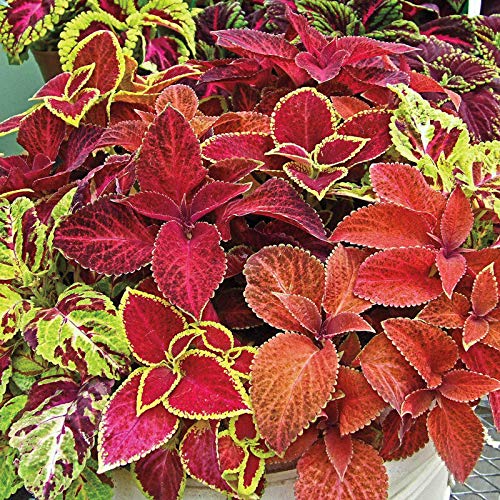
In this section, we’ll explore common issues that can affect your coleus plants and discuss the best ways to identify, prevent, and treat these unwelcome visitors.
By staying informed and vigilant about Coleus Pests and Diseases, you’ll be well-equipped to tackle any challenges that come your way, keeping your coleus plants healthy, vibrant, and happy.
Uninvited Guests: Common Pests
Coleus plants may occasionally attract a few common pests, such as:
Spider mites: These tiny, spider-like creatures can be found on the undersides of leaves, often leaving behind a fine webbing.
They suck the sap from the plant, causing the leaves to become discolored and eventually fall off.
Aphids: These small, pear-shaped insects can be green, black, or brown and are usually found clustered on new growth.
Aphids feed on plant sap, causing distorted, yellowing leaves and stunted growth.
Whiteflies: These tiny, white, moth-like insects congregate on the undersides of leaves, feeding on plant sap and causing yellowing, wilting leaves.
Under the Weather: Signs of Disease
Keep an eye out for these signs of disease in your coleus plants:
Powdery mildew: This fungal disease presents as a white, powdery substance on the leaves, often accompanied by yellowing and distortion.
Root rot: Caused by overwatering or poor drainage, root rot leads to wilting, yellowing leaves, and a general decline in plant health.
Prevention and Treatment Strategies
To keep your coleus plants healthy and pest-free, follow these prevention and treatment tips:
Regular inspection: Routinely check your coleus plants for signs of pests or diseases, catching issues early before they spread
and become more challenging to manage.
Maintain proper care: Providing the right light, temperature, humidity, and watering conditions can help prevent many diseases and make your plants less attractive to pests.
Prune and discard: If you notice any infected or infested leaves, trim them off and discard them to prevent the problem from spreading to the rest of the plant.
Neem oil: For mild pest infestations, try applying neem oil, an organic pesticide, according to the package instructions. Neem oil can help control pests like spider mites, aphids, and whiteflies.
Insecticidal soap: For more severe pest issues, consider using an insecticidal soap or horticultural oil, following the manufacturer’s recommendations.
Fungicides: In cases of fungal diseases like powdery mildew, you may need to apply a fungicide according to the package directions.
Ensure adequate air circulation around your coleus plants to help prevent fungal diseases from taking hold.
Troubleshooting Coleus Indoor Problems
Why Is My Coleus Getting Leggy?
Leggy growth usually means your plant is not receiving enough light. Move it closer to a bright window and pinch back growing tips to encourage branching.
Why Are My Coleus Leaves Losing Color?
Dull foliage often results from insufficient light. Most coleus varieties develop their brightest colors when grown in bright indirect sunlight.
Why Are The Leaves Drooping?
Drooping leaves can indicate either underwatering or overwatering. Check soil moisture before watering and ensure the pot drains freely.
Why Are Leaf Edges Turning Brown?
Brown edges are commonly caused by dry indoor air, inconsistent watering, or fertilizer buildup in the soil.
Why Is My Coleus Flowering?
Flowering is natural, but many indoor gardeners pinch off flower spikes to encourage the plant to focus its energy on producing colorful foliage.
Coleus Plant Indoor or Outdoor
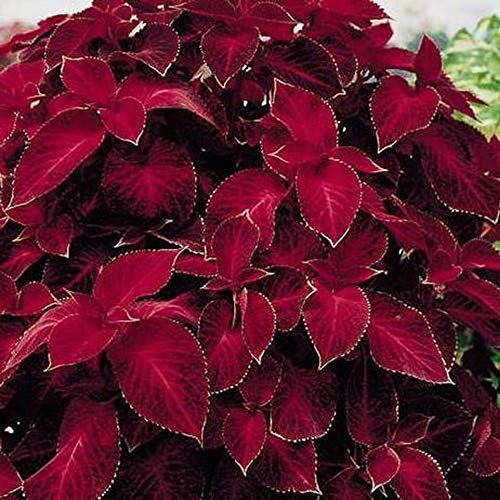
In this section, we’ll discuss the pros and cons of growing coleus plants indoors and outdoors, and help you make an informed decision based on your specific needs and circumstances.
Side-by-Side: Comparing Indoor and Outdoor Coleus Care
When deciding where to grow your coleus plants, it’s essential to understand the differences in care requirements for indoor and outdoor environments:
Light: Indoor coleus plants typically require bright, indirect light, while outdoor coleus can tolerate partial shade to full sun, depending on the specific variety.
Temperature: Coleus plants thrive in temperatures between 65°F and 75°F (18°C to 24°C) and may struggle in colder outdoor conditions.
Play it safe and don’t set coleus plants outdoors in garden beds before the last frost date.
Wait until late spring when all danger of frost is passed.
Indoors, maintaining a consistent temperature is usually easier, while outdoors, plants may require extra protection during cold snaps.
Pests and diseases: Indoor coleus plants tend to experience fewer pest and disease issues compared to outdoor plants, which may be more exposed to various insects and pathogens.
Choosing Your Path: Factors to Consider When Deciding Where to Grow
To decide whether to grow your coleus plants indoors or outdoors, consider these factors:
Space: Assess the space you have available indoors and outdoors.
Indoors, you’ll need a sunny spot with adequate room for your coleus plants to grow, while outdoors, you’ll need a suitable location that meets your plants’ light and temperature requirements.
Climate: Your local climate plays a significant role in determining whether coleus plants will thrive outdoors.
If you live in a region with extreme temperature fluctuations or harsh winters, growing coleus plants indoors may be a more viable option.
Bringing Coleus Indoors for Winter

In this section, we’ll guide you through the process of bringing Coleus Indoors for Winter, ensuring your plants continue to thrive and brighten your indoor space throughout the chilly season.
With a few simple steps and some attentive care, you can help your coleus plants make a smooth transition from the great outdoors to the cozy indoors.
Smooth Moves: Steps for Successful Transition
To help your coleus plants transition from outdoors to indoors, follow these steps:
• Inspection: Before bringing your plants inside, inspect them thoroughly for pests and diseases. Treat any issues you find to prevent them from spreading to your indoor plants.
• Pruning: Trim back any leggy or damaged growth to encourage a bushy plant, and healthier plants during the winter months.
• Acclimatization: Gradually introduce your coleus plants to the indoor environment by moving them to a shaded outdoor area for a few days before bringing them inside. This will help them adjust to the lower light levels indoors.
• Repotting: If necessary, repot your coleus plants into clean pots with fresh soil to provide a healthy environment and the right conditions for their winter stay.
Ongoing Winter Care
Once your coleus plants are safely indoors, follow these winter care tips:
• Light: Position your coleus plants in a spot with bright, indirect light to help them maintain their vibrant foliage colors.
• Temperature: Maintain a consistent indoor temperature between 65°F and 75°F (18°C to 24°C) to keep your plants comfortable.
• Watering: Reduce your watering frequency during the winter months, allowing the soil to dry slightly between waterings to prevent root rot.
• Fertilization: Hold off on fertilizing your coleus plants during the winter, as they will likely enter a period of slower growth.
Signs of Winter Stress
Keep an eye out for these signs of winter stress in your coleus plants:
Dropping leaves: Some leaf drop is normal when coleus plants are adjusting to the indoor environment, but excessive leaf loss could indicate insufficient light or overwatering.
Leggy growth: If your coleus plants become leggy or stretched, they may be reaching for more light. Try moving them to a brighter location.
Discoloration: If the vibrant colors of your coleus plants fade during the winter, they may need more light or a warmer temperature.
Can Coleus Survive Winter Indoors

Winter can be a challenging time for many plants, and you may wonder if your coleus plants will fare well during the colder months.
With a little extra care and attention, you can enjoy the beauty and warmth of your coleus plants even as snowflakes fall outside.
Winter Woes: Factors Affecting Survival
Several factors can affect the survival of your coleus plants during the winter months indoors:
• Light: Coleus plants need sufficient light to maintain their vibrant colors and healthy growth. Insufficient light can lead to leggy, weak plants with dull colors.
• Temperature: Cold drafts and fluctuating temperatures can stress your coleus plants, potentially causing leaf drop and other issues.
• Watering: Overwatering or underwatering during the winter months can lead to root rot or dehydration, harming your plants.
Pest and disease management: Any pests or diseases that hitch a ride on your coleus plants when they move indoors can potentially cause damage, compromising their ability to survive the winter.
Tips for Ensuring Successful Overwintering
To help your coleus plants survive and thrive indoors during the winter months, follow these tips:
• Provide adequate light: Position your coleus plants in a bright spot with indirect light, ensuring they receive the necessary illumination to maintain their health and colors.
• Maintain consistent temperatures: Keep your plants away from cold drafts and maintain a stable indoor temperature between 65°F and 75°F (18°C to 24°C).
• Adjust watering: Water your coleus plants less frequently during the winter, allowing the soil to dry slightly between waterings. Be sure to avoid overwatering, as this can lead to root rot.
Pest and disease management

Regularly inspect your coleus plants for signs of pests or diseases, treating any issues promptly to prevent them from spreading or causing further damage.
• Monitor humidity: Coleus plants prefer moderate humidity levels. If your indoor air becomes too dry during the winter, consider using a humidifier or placing a tray of water near your plants to increase humidity.
• Prune as needed: Trim back any leggy or damaged growth during the winter months to encourage bushier, healthier plants.
• Hold off on fertilizing: Since coleus plants typically enter a period of slower growth during the winter, pause fertilizing until the spring when their growth resumes.
Coleus Plant Indoor in Water
Do you want to try something new and exciting with your coleus plants? How about growing them in water instead of soil?
In this section, we’ll explore the intriguing world of “Coleus Plant Indoor in Water,” discussing how to successfully grow coleus plants using this simple yet fascinating method.
Water propagation offers a unique way to enjoy your coleus plants while also allowing you to keep a close eye on their root development.
So, let’s dive into the wonderful world of water-grown coleus plants and learn how to create a stunning, soil-free display of colorful foliage!
Water Wonders: Advantages of Water Culture
Growing coleus plants in water offers several benefits:
• Easy propagation: Water propagation is an effortless way to create new coleus plants from stem cuttings. Simply place the cuttings in water, and watch the roots develop.
• Low maintenance: With no soil to worry about, water-grown coleus plants require less maintenance and are less prone to pests and diseases.
• Visual appeal: The clear containers used for water propagation showcase the intricate root systems of your coleus plants, adding an interesting visual element to your indoor garden.
Smooth Sailing: Setup and Maintenance
To set up and maintain your water-grown coleus plants, follow these steps:
• Choose a container: Select a clear glass or plastic container with a wide opening to allow for air circulation and easy access for maintenance.
• Prepare the cutting: Take a 4-6 inch stem cutting from a healthy coleus plant, removing the lower leaves and any flowers.
• Add water: Fill the container with clean, room-temperature water, ensuring the water level covers the nodes where the leaves were removed.
• Position the cutting: Place the cutting in the container, ensuring it remains upright and the leaves do not touch the water.
• Light and temperature: Place the container in a bright, indirect light location, maintaining a temperature between 65°F and 75°F (18°C to 24°C).
• Water changes: Change the water every 7-10 days to keep it fresh and prevent algae growth.
Staying Afloat: Potential Challenges
Although growing coleus plants in water can be a fun and rewarding experience, it’s essential to be aware of potential challenges:
Root rot: Stagnant or contaminated water can lead to root rot. Ensure you change the water regularly and use clean containers to minimize this risk.
Nutrient deficiency: Over time, water-grown coleus plants may require supplemental nutrients, as water lacks the essential nutrients found in soil. Add a diluted liquid fertilizer to the water every 4-6 weeks to maintain plant health.
Slower growth: Coleus plants grown in water may grow more slowly than their soil-grown counterparts. Be patient and adjust your expectations accordingly.
Transitioning to soil: If you decide to transfer your water-grown coleus plants to soil, the transition may be challenging, as the roots need to adapt to their new environment.
Gradually introduce the plant to soil by adding small amounts of soil to the water, allowing the roots to adjust before fully transferring the plant.
By understanding the advantages, set up, and potential challenges of growing coleus plants in water, you can successfully create a captivating and low-maintenance indoor garden that showcases the beauty of these vibrant plants in a whole new way.
How Long Do Coleus Plants Live For?

Coleus plants are generally considered tender perennials, meaning they can live for several years if given the proper care.
However, in colder climates where they are grown as annuals, their lifespan is typically limited to one growing season.
On average, with proper care, coleus plants can live for 2-5 years.
Life Factors: Influencing Lifespan
Several factors can influence the lifespan of your coleus plants:
Climate: Coleus plants are sensitive to frost, and their lifespan can be shortened if they are exposed to cold temperatures.
Care: Providing proper care, including adequate light, water, and nutrition, can significantly impact the health and longevity of your coleus plants.
Disease and pests: Coleus plants can be susceptible to pests and diseases, which can shorten their lifespan if not managed effectively.
Timeless Tips: Maximizing Longevity
To help your coleus plants live their longest, healthiest lives, follow these tips:
Provide optimal care: Ensure your coleus plants receive the right amount of light, water, and nutrients to promote healthy growth and extend their lifespan.
Protect from frost: If you live in a colder climate, bring your coleus plants indoors before the first frost to help them survive the winter months.
Manage pests and diseases: Regularly inspect your coleus plants for signs of pests and diseases, and take prompt action to address any issues, preventing further damage and extending their lifespan.
Prune and propagate: Regular pruning can help keep your coleus plants healthy and encourage new growth.
Additionally, propagating your plants can create new, younger plants that will continue to thrive even if the parent plant reaches the end of its lifespan.
By understanding the factors that influence the lifespan of coleus plants and following these tips, you can maximize their longevity and enjoy their vibrant colors for years to come.
Continue Exploring Houseplant Care
Coleus Indoor Care FAQs

Does coleus make a good houseplant?
Yes. Coleus is one of the easiest colorful foliage plants to grow indoors and adapts well to bright indoor environments.
How often should I water indoor coleus?
Water when the top inch of soil feels dry. Most indoor coleus plants need watering once or twice per week depending on temperature, light, and pot size.
Can coleus survive indoors year-round?
Yes. With adequate light, regular watering, and occasional pruning, coleus can grow indoors throughout the year.
Should I remove coleus flowers?
Many growers remove flower spikes because flowering can reduce foliage production and make plants appear less full.
Can I grow coleus from cuttings?
Absolutely. Coleus is one of the easiest houseplants to propagate and roots quickly in water or moist potting mix.
Coleus Indoor Care Final Thoughts

Coleus plants are among the most colorful and rewarding foliage plants you can grow indoors. Their vibrant leaves, easy propagation, and forgiving nature make them excellent choices for both beginners and experienced plant enthusiasts.
Provide bright indirect light, consistent moisture, and occasional pruning, and your coleus can remain a colorful focal point in your indoor garden throughout the year.
🌿 Indoor Houseplant Care Guides
- ♻️ Composting Indoors
- 🌳 Rubber Plant Care Indoors
- 🌸 Peace Lily Care Indoors
- 🧀 Swiss Cheese Plant Care
- 🎋 Indoor Bamboo Guide
- 🌱 Vertical Gardening Indoors
- 🌺 Bromeliad Care
- 🥢 Bamboo Plant Indoor Care
- ❤️ Anthurium Care Indoors
- 🌵 How to Grow Succulent Plants
- 🌿 Maidenhair Fern Indoor Care
- See all articles in our Houseplants category