
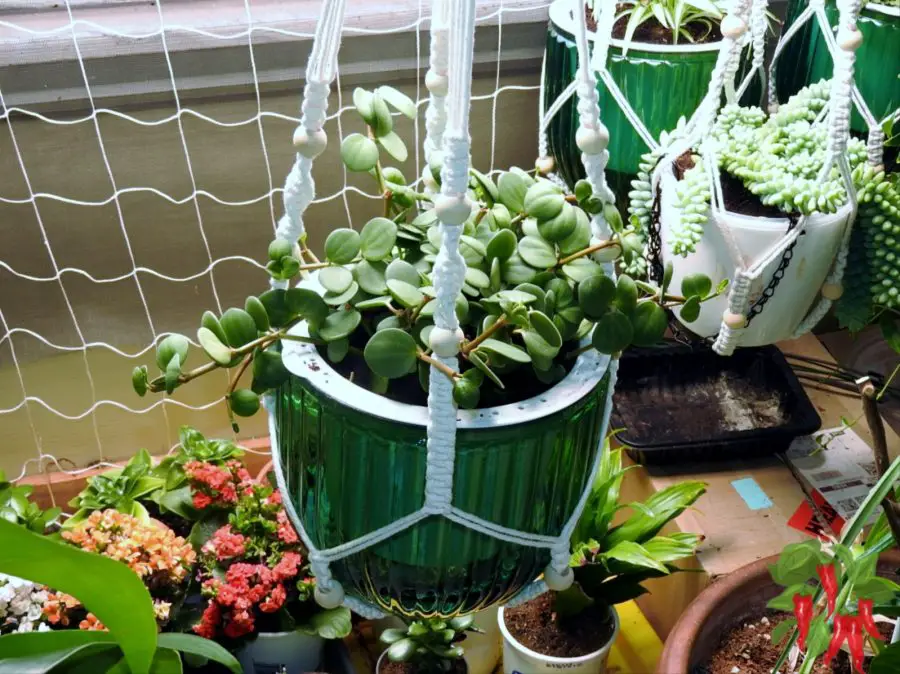
Tired of guessing when to water your plants?
Self watering planters take the stress out of plant care by keeping moisture more consistent—so your plants get what they need without the constant “did I overdo it?” worry.
Whether you’re busy, traveling, or you just forget once in a while (it happens), this self-watering-planters hub pulls together the key guides, setups, and fixes so you can choose the right system and actually enjoy your plants.
What You’ll Learn
• How self-watering planters work (reservoir + wicking, plain English)
• The difference between self-watering pots and SIP systems
• Which plants do best with bottom-up watering (and which don’t)
• How to set up your planter so it actually wicks correctly
• Troubleshooting: soggy soil, gnats, slow growth, and nutrient issues
Start Here: The Most Helpful Guides
- How Do Self-Watering Plant Pots Work?
- What Does Self-Watering Planter Mean? 3 Best SIPs
- How To Plant In A Self-Watering Planter
- Bottom Watering Fabric Pots – Complete Guide
- Sub-Irrigated Planter Soil Mix [A Complete SIP Soil Guide]
- DIY Sub-Irrigated Planter [It’s Easy Peasy]
- GroBucket Garden Kit – Easy Self Watering Bucket Insert
🌿 Why Self Watering Pots Make Plant Care Easier
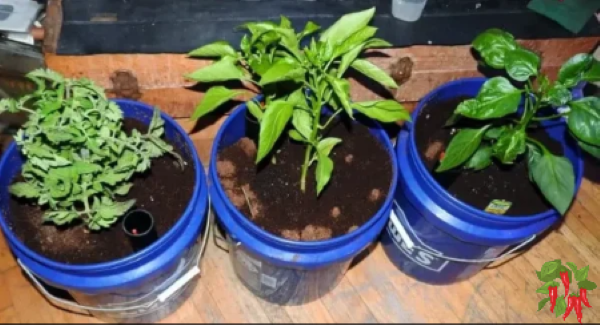
Self watering pots and planters are clever containers that take the guesswork out of watering. They use built-in reservoirs to keep moisture levels steady, so your plants get just the right amount of water when they need it.
🪴 What Are Self-Watering Pots?
These planters have a hidden water reservoir at the bottom. Moisture moves up into the soil as the plant needs it, keeping roots happy without the risk of overwatering.
💧 Why They Matter
No more dried-out soil or soggy roots. Self watering containers help you grow healthier plants with less effort, save water, and avoid waste. They’re perfect for anyone who wants to garden smarter, not harder.
🌱 Who This Guide Is For
- Busy folks who forget to water
- Travelers who need a low-maintenance system
- Urban gardeners with small-space setups
- Beginners looking for a foolproof plant care solution
In this guide, you’ll learn exactly how these planters work, which plants love them, how to set one up, and why they’re a must-have for any modern indoor garden.
🛠️ How Self-Watering Planters Work
Self watering planters might look like regular containers, but there’s a smart system working underneath the surface.
These planters use a built-in reservoir to deliver water from the bottom up, keeping your plants happy without constant guesswork.

🧪 Core Design Principles
The secret is in the reservoir and wicking system. Water is stored at the bottom of the pot and drawn up slowly through the soil using capillary action. As the soil dries out, it naturally pulls in more moisture. No timers, pumps, or daily watering required.
- 💧 Bottom-up watering: Encourages deep, healthy root growth
- 🌿 Prevents overwatering: The roots get water as needed, not all at once
- 🌱 Even moisture levels: Reduces plant stress and helps avoid root rot
🏺 Common Types & Materials
You’ll find self watering planters in a range of materials and setups. Each has its own benefits, depending on your space, style, and plant needs.
- Plastic: Lightweight, affordable, and easy to clean
- Resin: Durable and weather-resistant, great for outdoor setups
- Ceramic: Stylish but often heavier, and may require a liner
- Terracotta: Breathable but not ideal for holding water unless sealed
You’ll also see two main system styles:
- Inserts: Drop into your existing pots, great for converting standard containers
- Integrated systems: Built-in reservoirs with matching bases ready to go right out of the box.
How Do Self-Watering Plant Pots Work?
What Does Self-Watering Planter Mean?
Sub Irrigated Planters are another term for self watering planters.
Sub-irrigated planter (SIP) is a generic name for a special type of planting box used in container gardening and commercial landscaping. A SIP is any method of watering plants where the water is introduced from the bottom, allowing the water to soak upwards to the plant through capillary action. https://en.wikipedia.org/wiki/Sub-irrigated_planter
🌟 Benefits of Self-Watering Systems
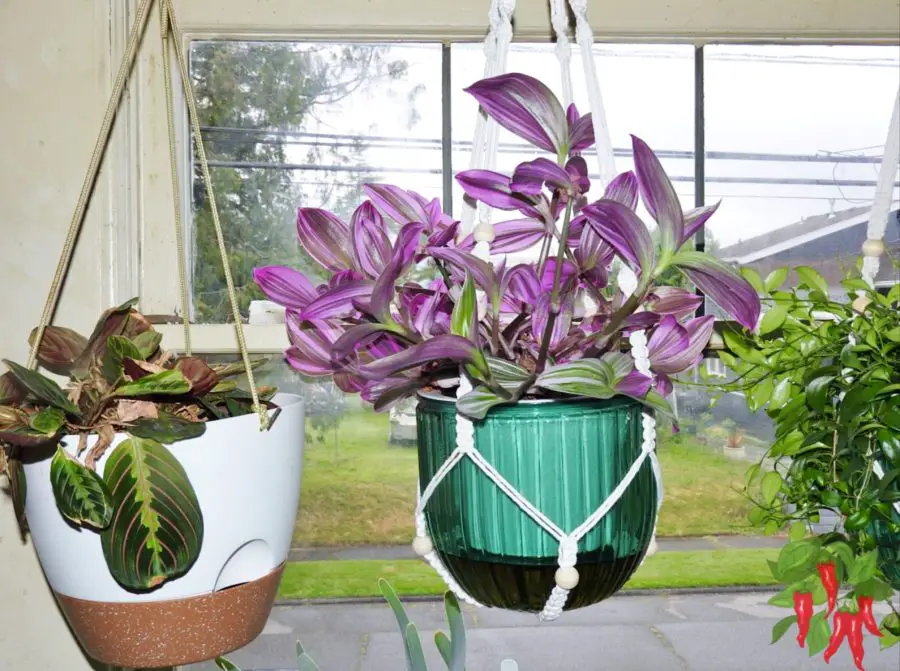
Self watering planters aren’t just convenient. They can seriously upgrade your plant game. From healthier roots to a more sustainable routine, here’s why these smart containers are a favorite for indoor gardeners.
💧 Consistent Moisture
Plants thrive when their soil stays evenly moist. These planters give roots what they need without the stress of drying out or drowning.
- Better hydration means fewer droopy leaves or crispy edges
- Encourages deeper root growth and stronger plants
- Less risk of fungal issues or root rot
⏱️ Saves Time and Water
If you’ve got a packed schedule or tend to forget watering, self watering pots are a lifesaver. They extend the time between waterings and make maintenance way easier.
- Great for travelers and busy plant parents
- Refill every few days or even once a week, depending on the plant
- No more second-guessing your watering schedule
🌍 Eco-Friendly Gardening
Wasting water isn’t just bad for the planet. It’s bad for your plants too. These planters help reduce runoff and water waste, all while keeping soil just right.
- Less overwatering means less runoff and nutrient loss
- More efficient use of every drop you pour
🏡 Aesthetic and Space-Smart
Self watering planters come in all styles and sizes, making them a great fit for modern homes, apartments, or patios.
- Clean lines and sleek designs look great indoors
- Perfect for balconies, small spaces, or grouped plant displays
- No messy saucers or constant checking needed
🌿 Ideal Plants for Self-Watering
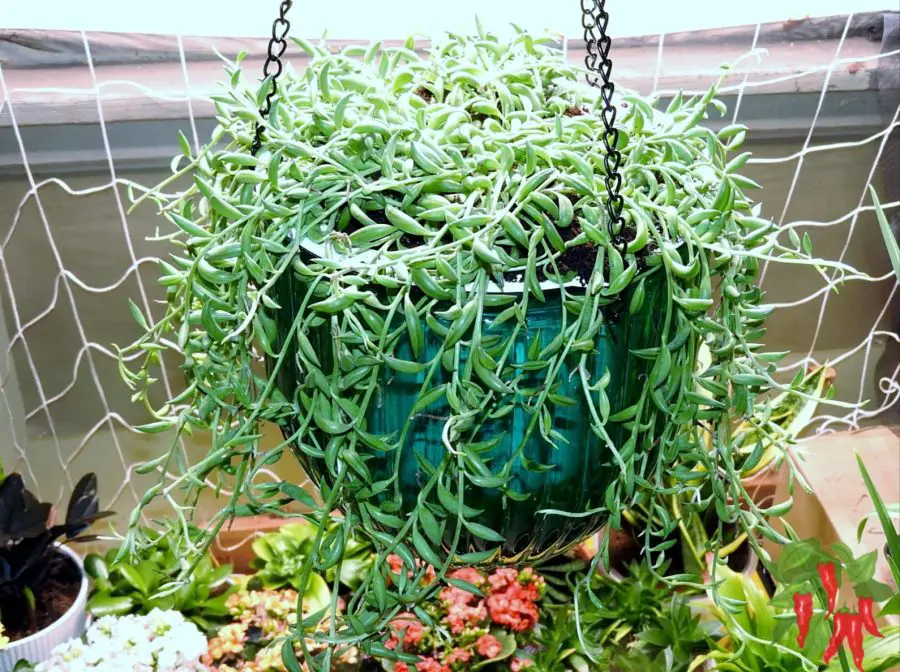
Not every plant loves the same watering routine, but plenty thrive in a self watering setup. If you pick the right plants, these systems can take your indoor garden to the next level.
🌱 Best Edible Plants
Herbs and vegetables are top choices. They grow fast and need consistent moisture, which these planters provide with ease.
- Tomatoes
- Basil
- Lettuce and leafy greens
🪴 Indoor Houseplant Favorites
Many common houseplants love steady hydration and will reward you with lush growth in a self watering container.
- Peace lilies
- Spider plants
- Philodendrons
- Snake plants
🌸 Flowering Plants That Work Well
If you’re growing colorful blooms, these systems keep the soil from drying out too fast between waterings.
- Begonias
- Geraniums
- Petunias
⚠️ Plants to Avoid
Succulents and cacti are not ideal for self watering pots. They prefer dry soil and can quickly suffer from root rot if kept too wet.
- Avoid overwatering desert plants
- Use regular pots with fast-draining soil for these types
⚖️ Self-Watering Pots vs Traditional Pots
Not sure if a self-watering planter is right for you? Here’s a quick side-by-side comparison.
| Feature | Self-Watering | Traditional |
|---|---|---|
| Watering Frequency | Less often | More frequent |
| Moisture Control | More consistent | Depends on the grower |
| Best For | Busy growers, vegetables, thirsty plants | Succulents, cacti, specialty plants |
🧰 Choosing the Right Self Watering Planter
Not all self watering planters are built the same. Choosing the right one depends on your space, your plant’s needs, and how hands-off you want to be. Here’s what to look for before you buy or build.
📏 Size and Reservoir Capacity
Pick a planter that matches your plant’s size and water needs. Larger plants need deeper reservoirs. Small herbs and flowers can do just fine with compact ones.
- Small pots are great for herbs, starter plants, or windowsills
- Medium to large planters work better for tomatoes, peppers, and big leafy greens
- Look for a reservoir that lasts at least a few days between refills
🏺 Material and Durability
There’s no one-size-fits-all when it comes to planter material. Each one has its pros depending on your setup.
- Plastic: Lightweight and budget-friendly
- Resin: Great for outdoor durability
- Ceramic: Stylish but often heavy and may need a liner
- Terracotta: Breathable, but not ideal unless sealed properly
🔍 Handy Features
Look for extras that make your life easier and help your plants thrive.
- Water level indicator so you don’t have to guess
- Overflow hole to prevent soggy roots
- Removable insert for easy cleaning
🔧 DIY vs. Ready-Made Kits
You can build your own with a few parts or grab a kit that’s ready to use. It really comes down to how hands-on you want to get.
- DIY options give you more control and can be more affordable
- Ready-made kits save time and are beginner-friendly
🪣 Spotlight: GroBucket Self-Watering Systems
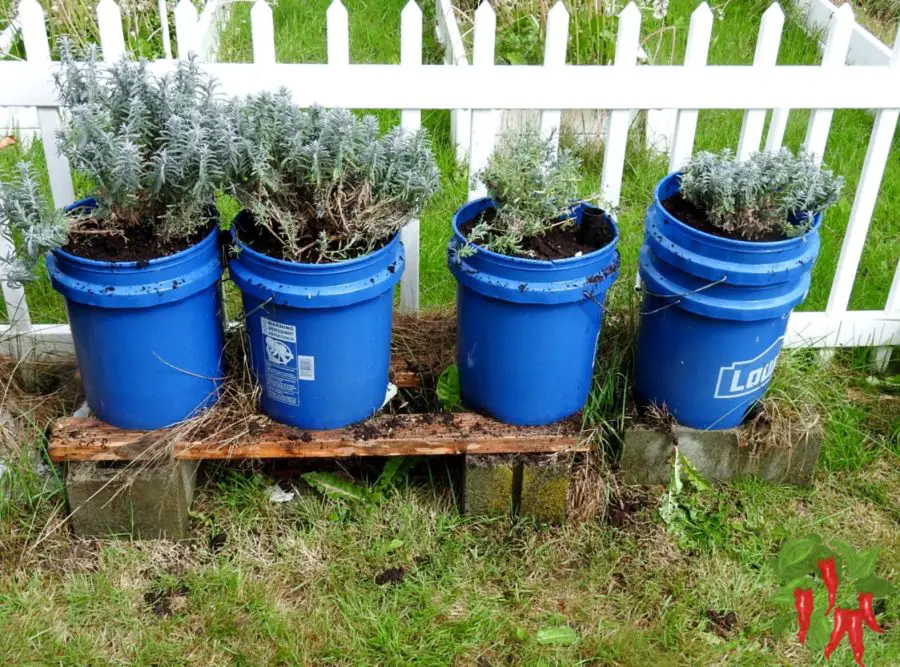
If you’re looking for a simple way to try self watering, GroBucket is one of the easiest and most effective systems out there. It turns any standard 5-gallon bucket into a self watering planter in just a few minutes.
🔍 What Is a GroBucket?
GroBucket is an insert that drops into a regular 5-gallon bucket. It creates a reservoir at the bottom and uses a fill tube and wicking action to deliver water to your plants as needed.
- Perfect for tomatoes, peppers, greens, and even small citrus trees
- No pumps, cords, or batteries needed
- Works indoors or outdoors
🧑🔧 Setup and Build Quality
Installation is quick. Just drill one drainage hole, drop in the GroBucket insert, and you’re good to go. The materials are sturdy, reusable, and designed to last for years.
- Strong plastic insert that holds its shape over time
- Fill tube makes it easy to add water without disturbing the soil
- Overflow hole helps prevent root rot
🌿 Performance
GroBuckets are a favorite for gardeners who want serious growth with minimal effort. Many users see faster, healthier plant growth compared to traditional pots.
- Ideal for gardeners with limited space or time
- Great for balcony, patio, or greenhouse setups
- Keeps water consistent even in hot weather
⚠️ Pros and Cons
Like any system, GroBucket has its strengths and limitations. Here’s what to keep in mind:
- Pros: Easy setup, affordable, reusable, strong plant growth
- Cons: Buckets aren’t always pretty, and heavy rain can flood the reservoir if left uncovered
🛠️ Step-by-Step Setup and Use
Self watering planters come in all shapes and sizes, but they share the same goal: deliver water from below so your plants can drink when they want. Here’s how to set up both GroBucket systems and smaller planters that use a wick insert.
📦 1. Unbox and Assemble
GroBucket kits use a hollow insert that sits inside a 5-gallon bucket. The sides and top of the insert allow moisture to rise through the soil using capillary action. There’s no wick needed. Smaller planters, on the other hand, often use a fabric wick that connects the reservoir to the soil above.
- For GroBucket: Drop the insert into a drilled bucket and attach the fill tube
- For smaller pots: Make sure the wick is securely placed in the reservoir and reaches into the potting mix
- All systems need a drainage or overflow hole to release excess water
🌱 2. Add Soil and Plant
Use a light soil mix that supports wicking. For GroBuckets, the soil should surround the insert so it touches the sides where water rises. In wick-based systems, keep the wick centered in the mix so it draws water evenly.
- Start with moist soil to kickstart the wicking process
- Plant as usual, pressing soil gently around the roots
- Top water once after planting to settle everything in
💧 3. Fill the Reservoir
Use the fill tube to pour water directly into the reservoir. Some planters have a water level window or overflow notch so you’ll know when it’s full.
Before you walk away, make sure the soil is already moist when you fill the reservoir.
If the soil is too dry, it won’t wick water properly, especially in smaller planters with wicks or new setups.
Moist soil helps activate the system and gets everything working from day one.
- Fill slowly until water just begins to exit the overflow hole
- Check the level every few days and refill as needed
- Don’t overfill. Too much water can lead to soggy soil, especially in smaller pots
🧼 4. Maintain the System
With minimal upkeep, your planter will keep things running smoothly. Just give it a quick check when you’re watering or pruning.
- Flush out the reservoir between seasons to keep it fresh
- Clean fill tubes and check for clogged wicks or soil compaction
- Drain before cold weather if your planter is outside
🛑 Troubleshooting Common Issues
Self watering planters are pretty reliable, but like anything garden-related, a few things can go sideways. Here’s how to fix the most common problems so your system stays on track.
💦 Problem: Water isn’t wicking properly
If your soil stays dry even when the reservoir is full, something’s off. This usually happens if the soil wasn’t moist to begin with or if it’s too compact to allow water flow.
- Start with moist soil when planting
- Use a light, airy mix with coco coir and perlite
- In wick-based systems, check that the wick is fully touching the soil
🌊 Problem: Planter is overwatering
Too much moisture can lead to soggy soil and root rot. This is usually a result of poor drainage or a missing overflow hole.
- Make sure your GroBucket planter has an overflow hole at the right height
- Use a well-draining soil mix. Never use heavy garden soil
- Don’t top water once the reservoir is full
🐜 Problem: Mosquitoes or gnats
Still water can attract bugs, especially if your reservoir is left exposed. This is more common in outdoor setups or humid environments.
- Use a cork, cap, or mesh screen to cover the fill tube
- Empty and clean the reservoir occasionally to keep it fresh
- Add a small drop of food-safe oil to the water surface to block mosquito larvae (only in outdoor buckets)
🌱 Problem: Stunted growth or pale leaves
If your plant looks weak even though watering is on point, the problem might be nutrient delivery. Some systems slow down nutrient uptake if you’re only watering from the bottom.
- Top water with diluted fertilizer once every few weeks
- Use a complete liquid feed suited for the type of plant you’re growing
- Flush the system occasionally if you see salt buildup
🔧 DIY and Alternatives
You don’t have to spend a lot to enjoy the benefits of a self watering setup. Whether you want to build one from scratch or keep things super simple, there’s a method that fits your style and your budget.
🪛 DIY Bucket System
Similar to GroBucket, you can make your own version using a few basic parts. It’s great for tomatoes, peppers, and leafy greens.
- Start with a clean 5-gallon bucket and lid
- Use a plastic container or cup as the inner support to create the reservoir space
- Drill a fill hole and overflow hole, then add a PVC fill tube
- Use light potting mix that wicks moisture well
🧵 Wick Planters for Smaller Pots
For herbs, flowers, or houseplants, a simple wick system works great. All you need is a container, a smaller inner pot, and a cotton or nylon wick.
- Run the wick from the bottom of the soil down into the reservoir
- Make sure the wick is snug and in contact with the soil at all times
- Use lightweight soil to keep the wicking action strong
💡 Other Self-Watering Ideas
Want a low-effort solution? Try one of these easy alternatives:
- Use watering globes or spikes to slowly drip water into the soil
- Repurpose plastic bottles as mini reservoirs in small planters
- Try capillary mats under pots for bottom watering with no setup
🛒 Best Products & Kits
Not sure which self watering system to try first? Whether you’re growing herbs on a windowsill or tomatoes on the patio, there’s a product that fits your setup. Here are some of the best options to make indoor gardening easier and more efficient.
🪣 GroBucket Self-Watering Insert

A go-to for larger plants and serious growers. This insert turns any 5-gallon bucket into a self watering planter with minimal effort.
- Durable and reusable season after season
- Perfect for tomatoes, peppers, citrus, and large leafy greens
- Affordable and scalable for bigger setups
🌼 TruDrop and Lechuza Planters
Stylish and reliable, these high-end planters are great for indoor decor and long-term use. Many models come with water level indicators and double-walled reservoirs.
- Looks great in modern interiors
- Low maintenance with deep reservoirs
- Great for peace lilies, snake plants, or pothos
Lechuza Self Watering Planters
Crescent Garden TruDrop
🌿 Small-Scale Self Watering Pots
For herbs, baby greens, or houseplants, you don’t need a big setup. Compact planters with built-in wicks or reservoirs keep small plants thriving.
- Budget-friendly kits available online and at garden centers
- Great for desks, kitchen counters, or windowsills
- Ideal for basil, mint, and decorative plants
💧 Watering Globes and Spikes
If you just need a little help keeping soil moist while you’re away, try a low-tech solution like watering spikes or globes.
- Easy to use, just fill and stick in the soil
- Perfect for travel or vacation plant care
- Best for small to medium containers
Self-Watering Planters: FAQs
Here are quick answers to the most common questions people have when getting started with self-watering planters.
How often do I need to refill the reservoir?
It depends on planter size, plant size, temperature, and light. Most systems need refills every 3 to 7 days. Large setups like GroBuckets can last longer once plants are established.
Can I grow succulents in a self-watering pot?
Usually no. Succulents and cacti prefer drying out between waterings and can suffer if the mix stays consistently moist. They’re better in fast-draining pots with occasional hand watering.
What should I do in the winter?
For outdoor planters, drain the reservoir before freezing temperatures. Indoors, plants often slow down in winter, so refill less frequently and avoid keeping the mix overly wet.
Can I add fertilizer to the reservoir?
Yes, but dilute it and don’t overdo it. Closed reservoirs can build up salts over time. Many growers do occasional light top-watering feedings and flush the system periodically.
Are self-watering planters good for beginners if I’m new to SIP systems?
Yes. This guide explains how reservoirs and wicking work, shows common setup mistakes, and links to step-by-step SIP resources so you can choose the right system for your space.
📚 Conclusion & Resources
Self watering planters are one of the easiest upgrades you can make to your garden routine. They save time, support healthier plant growth, and help reduce water waste. Whether you’re using a GroBucket, a wick-based insert, or a DIY setup, these systems give your plants what they need with less effort from you.
Choose the planter that fits your lifestyle. Got a big tomato plant on the patio? Go with a 5-gallon GroBucket. Growing herbs indoors? A small self watering pot will do the trick. Want full control? Try a DIY setup and build your own.
🔗 Explore These Helpful Guides
- GroBucket Self Watering 5 Gallon Bucket System Review
- GroBucket Garden Kit – Easy Self Watering Bucket Insert
- GroBucket Self Watering Planter: Easy Gardening Growth
- GroBucket Setup and Unboxing
- How To Plant In A Self-Watering Planter
- What Does Self-Watering Planter Mean? 3 Best SIPs
- How Do Self-Watering Plant Pots Work?
- Sub-Irrigated Planter Soil Mix [A Complete SIP Soil Guide]
- DIY Sub-Irrigated Planter [It’s Easy Peasy]
🧭 Keep Exploring Indoor Gardening
- Indoor Bonsai Tree Care: Easy Bonsai Guide for Beginners
- How To Grow Succulent Plants: Easy Indoor Succulent Guide
- Carnivorous Plant Care: Complete Beginner’s Guide
- Bromeliad Care Indoors: How To Grow Beautiful Bromeliads
- Indoor Bamboo Care: Best Bamboo Plants & Easy Growing Tips
This guide supports your journey into smarter, more sustainable plant care. Bookmark it, share it, and start experimenting with a self watering system that fits your space. Your plants will thank you!