
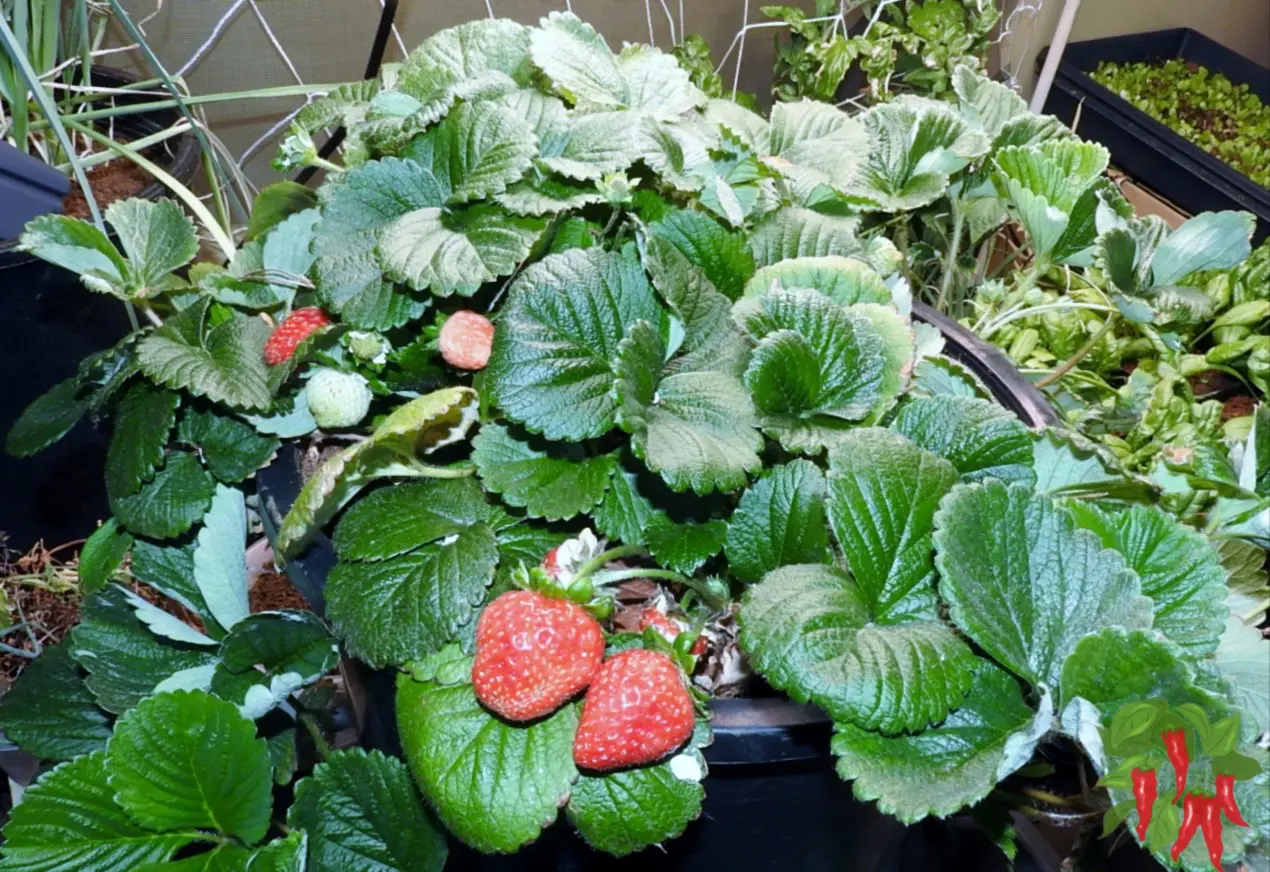
Sustainable indoor gardening isn’t about perfection. It’s about making smarter choices that reduce waste, conserve water, and keep your plants healthy without constant inputs.
If you’re growing in an apartment or small space, small improvements add up fast. Fewer discarded plants. Less wasted soil. Smarter watering. Better pest prevention.
This guide pulls everything together so you can build a cleaner, more efficient indoor system that works long-term — without turning your home into a science experiment.
What You’ll Learn
• How to reduce waste in small indoor growing setups
• Smarter watering habits that conserve water and prevent root problems
• Eco-conscious potting media choices (and when to use them)
• Clean indoor composting options for apartments
• Sustainable pest control strategies that actually work indoors
Start Here: The 5 Foundations of Sustainable Indoor Gardening
1. Grow Plants That Match Your Light
The most sustainable plant is the one you don’t replace. Choosing plants that match your window exposure prevents stress, pest outbreaks, and plant loss.
Apartment Gardening Guide
2. Improve Soil, Don’t Constantly Replace It
Healthy soil reduces fertilizer demand and prevents root issues. Amending or refreshing soil is often better than throwing it out and starting over.
3. Water Deeply, Not Frequently
Daily “sips” waste water and create weak root systems. Deep watering with proper drainage encourages stronger plants and fewer problems.
4. Prevent Pests Instead of Spraying Everything
Strong light, airflow, and clean watering habits reduce pest pressure dramatically.
5. Reduce Peat Where Practical
Many indoor growers explore alternatives like coco coir blends to reduce peat use in container mixes.
Coco Coir vs Peat Moss
Indoor Composting Options for Small Spaces
Vermicomposting (Worm Bins)
Worm bins turn kitchen scraps into nutrient-rich castings. Properly managed bins are low odor and apartment-friendly.
Vermicomposting for Apartments
Bokashi Systems
Bokashi uses fermentation in a sealed bucket to process food waste quickly and cleanly indoors.
How To Start a Bokashi Bucket
Water Conservation for Container Growers
- Use pots with drainage and trays
- Avoid overwatering in winter
- Group plants to stabilize humidity
- Use appropriate pot sizes for root systems
Eco-Friendly Pest Control Indoors
Sustainable pest control indoors focuses on early detection and targeted response.
- Inspect weekly
- Quarantine new plants
- Rinse foliage first
- Use insecticidal soap or neem only when needed
Related reading: Gardening Sustainability Overview
Vertical Growing = Sustainable Space Use
Vertical gardening increases production without increasing footprint — ideal for apartments.
Sustainable Indoor Gardening FAQ
What is sustainable indoor gardening?
It means reducing waste, conserving water, using durable containers, and maintaining healthy soil so plants require fewer inputs over time.
Is coco coir more sustainable than peat moss?
Many growers choose coco coir as an alternative to peat because it performs well in containers and is often considered a more renewable resource.
Can you compost in an apartment?
Yes. Worm bins and Bokashi systems are both practical indoor composting methods when managed properly.
How do I reduce water use for indoor plants?
Water deeply but less frequently, use well-draining soil, and avoid oversized pots that stay wet too long.
Is sustainable indoor gardening expensive?
Not necessarily. Many sustainable practices — like improving soil health and watering correctly — actually reduce long-term costs.