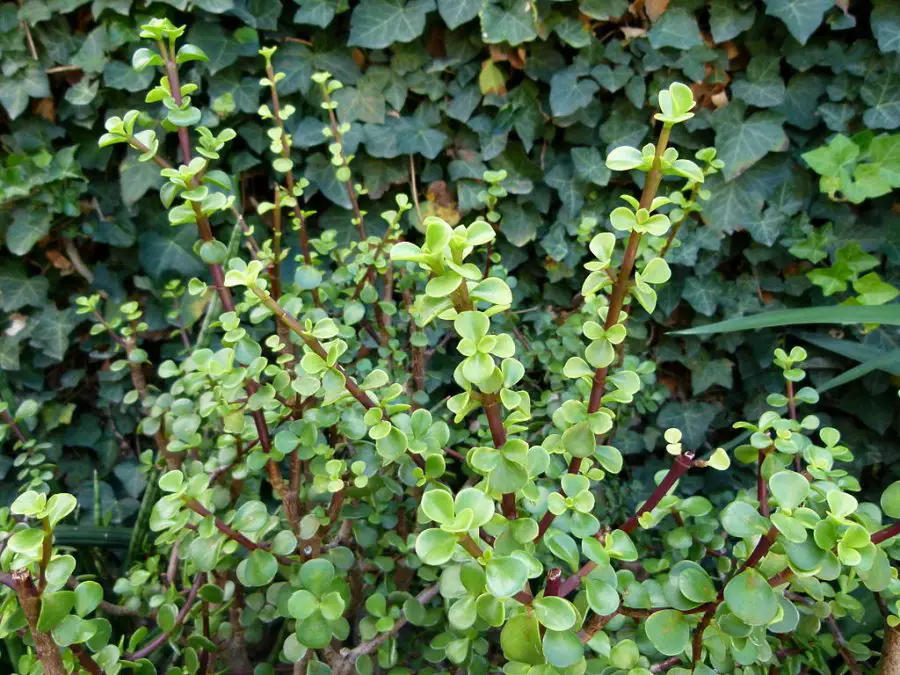
Elephant Bush indoor care is surprisingly simple once you understand how this drought-tolerant succulent grows. Known botanically as Portulacaria afra, this plant stores water in its fleshy stems and leaves, making it one of the easier indoor succulents to maintain.
If you want a low-maintenance plant that handles bright rooms, occasional missed watering, and regular pruning, Elephant Bush is a strong choice. It can stay compact in a pot or be trained into a bonsai-like form over time.
This guide covers everything you need to keep your Elephant Bush healthy indoors, from light and watering to troubleshooting common problems.
What You’ll Learn
- How much light Elephant Bush really needs indoors
- How often to water without causing root rot
- The best soil mix and pot setup for healthy roots
- Where to place it inside your home for the best growth
- How to spot and fix common Elephant Bush problems fast
Quick Answer: How Do You Care for Elephant Bush Indoors?
Elephant Bush grows best in bright indirect light, fast-draining succulent soil, and a pot with drainage holes. Water only when the soil dries out fully. Keep temperatures between 60–85°F and prune occasionally to control shape and encourage branching.
Elephant Bush Indoor Care An Introduction

Let’s get to know the Elephant Bush (scientific name Portulacaria afra). Not only is it a gorgeous addition to any indoor space, but it’s also a breeze to care for.
In this article, we’ll dive into everything you need to know about Elephant Bush indoor care to ensure your plant stays healthy and happy for years to come.
Meet the Elephant Bush (Portulacaria afra)
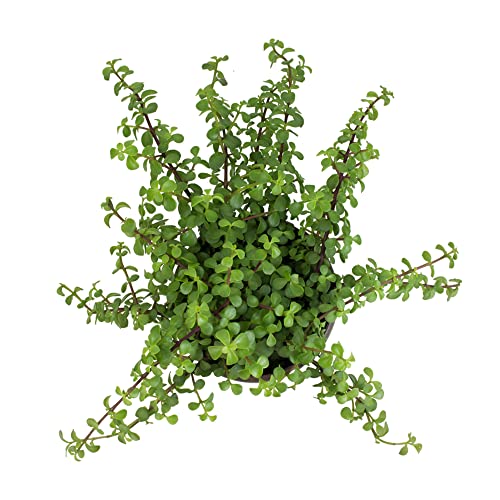 Trailing Elephant Bush Succulents, Hanging Plants in Planter Basket, Live Indoor Plants
The Elephant Bush, also known as the Dwarf Jade Plant, is a small succulent native to South Africa.
Its unique, upright stems and tiny round leaves make it a popular choice for indoor plant enthusiasts. Plus, it’s easy to care for, making it a great option for beginners.
Portulacaria afra (known as elephant bush, porkbush, purslane tree and spekboom in Afrikaans) is a small-leaved succulent plant found in South Africa. These succulents commonly have a reddish stem and leaves that are green, but also a variegated cultivar is often seen in cultivation. They are simple to care for and make easy houseplants for a sunny location. In frost-free regions they may be used in outdoor landscaping. From Wikipedia
Why Indoor Care is Important for the Elephant Bush
While the Elephant Bush is a hardy plant, indoor care is crucial for ensuring its long-term health and growth.
Without proper attention, this succulent can suffer from issues such as overwatering, lack of light, and pests.
Understanding the Elephant Bush
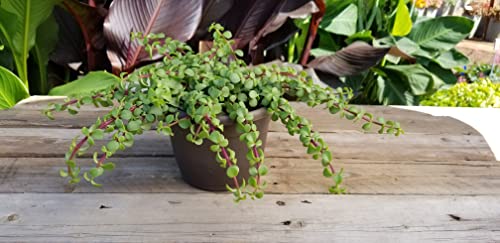
Trailing Elephant Bush Succulents, Hanging Plants in Planter Basket, Live Indoor Plants
The Elephant Bush is native to South Africa, where it grows in dry, rocky areas. In its natural habitat, it can reach heights of up to 8 feet tall and has a sprawling growth habit.
It’s a hardy plant that can survive in hot, dry conditions, thanks to its ability to store water in its stems and leaves.
In addition to its native habitat, it’s also commonly found in other parts of Africa, as well as in Australia and the United States.
Benefits of Growing Elephant Bush Indoors
There are many benefits to growing an Elephant Bush indoors.
For starters, it’s a low-maintenance plant that’s easy to care for, making it a great option for beginners.
It also adds a pop of green to any indoor space, and its unique, upright growth habit makes it a great choice for decorating.
Overall, it’s a great plant to have around for both its beauty and health benefits.
Indoor Care for Elephant Bush
Now that we understand the basics of the Elephant Bush, it’s time to dive into the specifics of indoor care.
While the Elephant Bush is a hardy plant that can tolerate a range of conditions, there are a few things you’ll want to keep in mind to ensure it thrives in your indoor space.
From lighting to watering and everything in between, we’ll cover all the essential aspects of indoor care for the Elephant Bush in this section.
Light Requirements
One of the most important aspects of indoor care for the Elephant Bush is ensuring it gets enough light. This plant loves sunlight but it should be limited to 4-6 hours a day.
Ideally, it should be placed in a spot that receives bright, indirect sunlight. Too much direct sunlight can cause the leaves to burn, while too little light can result in slow growth or even leaf drop.
To avoid overexposure or underexposure, consider using sheer curtains or placing the plant near an east window that receives sunlight for part of the day and bright light for the rest.
Best Indoor Locations for Elephant Bush
Placement makes a huge difference with Elephant Bush. Since this succulent loves bright light, location matters more than humidity or fertilizer.
Some of the best indoor spots include:
- South-facing windows: Ideal for strong light and compact growth
- East-facing windows: Great morning sun without intense afternoon heat
- Bright offices: Works well if close to natural light
- Plant shelves under grow lights: Excellent for apartments with limited sun
Avoid dark corners or rooms far from windows. Low light often causes stretched stems and sparse growth.
Temperature and Humidity
The Elephant Bush prefers warm temperatures, ranging from 60-85°F (15-29°C).
It’s important to keep it away from cold drafts, which can cause damage to the leaves and stems.
Additionally, the plant thrives in humid environments, but it can tolerate lower humidity levels.
To increase humidity, consider using a humidifier or placing a tray of water near the plant, or using a pebble tray under the plant.
Watering
When it comes to watering the Elephant Bush, less is often more. It’s important not to overwater the plant, as this can lead to root rot and other issues.
Allow the soil to dry out between waterings, and then water thoroughly until water drains out the bottom of the pot.
In the winter months, the plant may require less frequent watering. If in doubt, check the soil moisture level by inserting a finger about an inch into the soil.
Soil Requirements
The Elephant Bush prefers well-draining soil that’s rich in nutrients.
A cactus or succulent mix is ideal, or you can create your own mix using equal parts of sand, perlite, and peat moss.
Adding a slow-release fertilizer to the soil can help provide the plant with the nutrients it needs to thrive.
Using coco coir instead of peat moss
If you prefer to use an alternative to peat moss for your Elephant Bush’s soil mix, coco coir can be a great option.
Coco coir is made from coconut husks and is a sustainable and eco-friendly alternative to peat moss.
It’s also more pH balanced and retains water better than peat moss, making it an excellent choice for plants that prefer well-draining soil.
You can mix it with perlite to create a well-draining soil mix that your Elephant Bush will love.
Pruning and Maintenance
To maintain its shape and size, the Elephant Bush may require occasional pruning.
Use clean, sharp scissors or pruning shears to remove any dead or damaged leaves and stems.
You can also pinch back new growth to encourage bushier growth.
Regular maintenance, such as removing dead leaves and wiping down the leaves to remove dust, can help keep your Elephant Bush healthy and vibrant.
Propagating Elephant Bush
Propagation involves taking cuttings from mature plants and creating new plants from them.
Elephant Bush is a relatively easy plant to propagate, and you don’t need any special equipment to get started.
Propagating Elephant Bush From Cuttings
This is a simple process that involves taking stem cuttings from a mature plant and allowing them to root.
You can take stem cuttings from the top or bottom of the plant, as long as they have at least two leaves and a few inches of stem.
Once you have your cuttings, you can either plant them directly in soil or let them root in water before planting.
When planting in soil, make sure the soil is well-draining and keep the soil moist but not waterlogged.
When rooting in water, change the water every few days to prevent bacteria buildup and wait for roots to grow before planting in soil.
Propagating Elephant Bush is a relatively easy process, but there are a few tips that can help ensure success.
- First, make sure you take cuttings from a healthy, mature plant to increase the chances of successful rooting.
- Second, keep the cuttings out of direct sunlight and in a warm, humid location to encourage root growth.
- Third, be patient and give the cuttings time to establish roots before transplanting them into soil.
Finally, once the cuttings have taken root, be sure to give them proper care, including adequate light, water, and nutrients, to help them thrive.
Common Problems and Solutions
Even with proper care, Elephant Bush plants can sometimes encounter issues that impact their growth and health.
In this section, we’ll go over some of the most common problems Elephant Bush plants encounter, including pests, diseases, and environmental factors, and provide tips on how to identify and solve them.
Pests and Diseases
While Elephant Bush plants are generally resistant to pests and diseases, they can sometimes be affected by spider mites, mealybugs, and root rot.
Spider mites and mealybugs can be identified by the presence of tiny white or brown spots on the leaves, while root rot is characterized by brown or black, mushy roots.
To prevent and treat these issues, make sure to regularly inspect your plant for any signs of pests or disease, and take appropriate action if needed.
You can use natural remedies such as neem oil or insecticidal soap to get rid of pests, and ensure proper drainage and avoid overwatering to prevent root rot.
Troubleshooting
Some common issues you may encounter while caring for your Elephant Bush plant include leaf drop, yellowing leaves, and stunted growth.
Leaf drop can be caused by overwatering while yellowing leaves can indicate a nutrient deficiency or improper light conditions.
Stunted growth can be a sign of underwatering or poor soil quality.
To identify and fix these issues, make sure to closely observe your plant and adjust its care accordingly.
For example, if you notice leaf drop, reduce your watering frequency and check for signs of root rot.
If you notice yellowing leaves, consider adding fertilizer or adjusting the light conditions.
By troubleshooting and addressing these issues promptly, you can keep your Elephant Bush plant healthy and happy.
Common insect pests and treatment
Here are some common insect pests that may affect Elephant Bush plants and their treatments:
Spider mites – These tiny pests can cause yellowing or stippling of the leaves and may produce webs.
To get rid of them, you can use neem oil, insecticidal soap, or a miticide. It’s important to treat both the tops and bottoms of the leaves, as well as the surrounding soil, to ensure complete elimination.
Mealybugs – Mealybugs look like small, white cottony masses on the leaves and stems.
They can cause stunted growth and leaf drop. To get rid of them, you can use a cotton swab dipped in rubbing alcohol to manually remove them, or use neem oil or insecticidal soap.
Scale insects – These pests look like small, brown or black bumps on the leaves and stems.
They can cause yellowing and leaf drop. To treat them, you can use neem oil, insecticidal soap, or neem oil.
It’s important to remove any heavily infested leaves or stems to prevent the spread of the pests.
Fungus gnats – These small flies can be a nuisance and can indicate overwatering or poorly-draining soil.
To get rid of them, you can allow the soil to dry out more between waterings, add a layer of sand or gravel to the top of the soil to deter adult flies, or use sticky traps to catch them.
Remember to always read the label and follow the instructions carefully when using any pest control products, and to test a small area before applying to the entire plant.
Elephant Bush Troubleshooting
Why is my Elephant Bush dropping leaves?
Leaf drop usually points to overwatering, sudden temperature swings, or poor light. Check soil moisture first before watering again.
Why are the leaves turning yellow?
Yellow leaves often mean the roots are staying wet too long. Improve drainage and let the soil dry more between watering.
Why is my Elephant Bush leggy?
Leggy growth is almost always caused by insufficient light. Move the plant closer to a brighter window or use a grow light.
Why are the stems soft or mushy?
Soft stems are an early warning sign of rot. Remove damaged growth, inspect roots, and repot into dry, well-draining soil if needed.
Why are the leaves wrinkling?
Wrinkled leaves usually mean the plant is thirsty. Give it a deep watering and allow excess water to drain fully.
Difference between Jade Plant and Elephant Bush
Are you confused between a jade plant and an elephant bush? These two plants are often mistaken for each other due to their similar appearance.
In this section, we’ll highlight the differences between the jade plant and the elephant bush to help you identify which plant you have and how to take care of it.
Taking A Closer Look
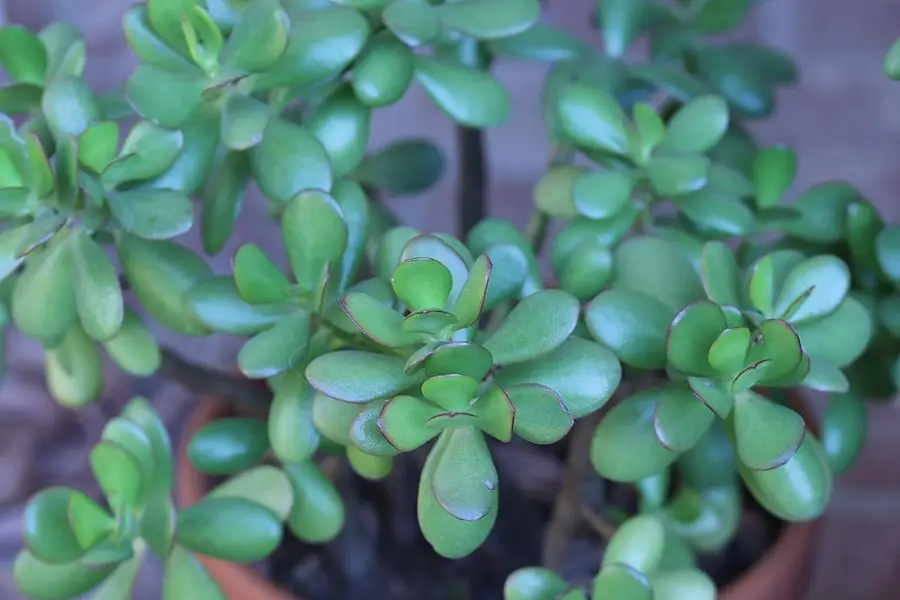
Let’s start by taking a closer look at the jade plant. Also known as Crassula ovata, the jade plant is a succulent plant native to South Africa. It’s a popular indoor plant, known for its unique appearance and ease of care.
Here is a Jade plant:
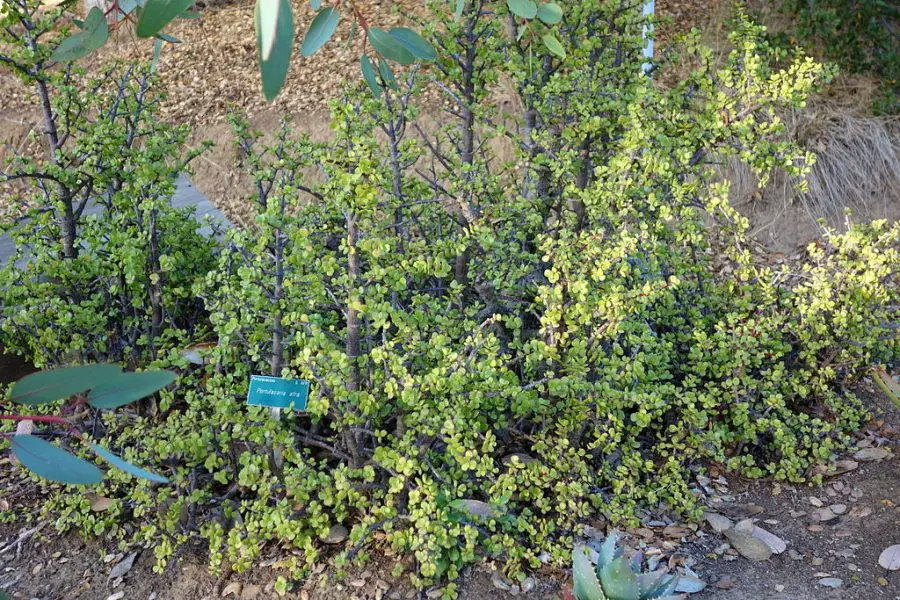
Here is an Elephant Bush:
The jade plant and elephant bush share some similarities, but there are also some notable differences. Let’s take a look at a few:
Appearance and Leaf Shape:
The leaves of the jade plant are more rounded and plump compared to the elephant bush’s leaves, which are thin and elongated.
Growth Habit and Size:
The jade plant has a more compact, upright growth habit and typically reaches a height of about 3 feet.
The elephant bush, on the other hand, has a sprawling growth habit and can grow up to 8 feet tall.
Light and Water Requirements:
Both plants prefer bright, indirect light and well-draining soil. However, the jade plant requires less water than the elephant bush.
Still Not Sure?
If you’re having trouble telling the difference between the jade plant and elephant bush, look at the shape and texture of the leaves.
The jade plant has more rounded, fleshy leaves, while the elephant bush has thinner, elongated leaves.
Additionally, the growth habit and size of the plants can help differentiate them.
Common Confusions and How to Avoid Them
If you are new to the world of houseplants, it can be easy to get confused between similar-looking plants.
Elephant bush and Jade plant are two such plants that often get mixed up due to their similar appearance.
In this section, we will discuss some common confusions between these plants and how to avoid them.
By the end of this section, you will be able to differentiate between these two plants easily and avoid any confusion while caring for them.
Common mistakes in identifying Elephant Bush and Jade Plant often stem from their visual similarities, such as their small succulent leaves and their woody stems.
Additionally, some sellers may mislabel the plants, causing confusion for buyers.
To avoid confusion between the two plants, it is important to closely examine the leaves and stems for differences in shape, texture, and color.
Familiarizing oneself with the unique characteristics of each plant through research and observation can also help prevent common mistakes in identification.
Continue Exploring Succulent Care
Elephant Bush FAQs
Can Elephant Bush grow in low light?
It can survive in lower light for a while, but it will grow slower and become leggy. Bright light keeps it fuller and healthier.
How often should I water Elephant Bush indoors?
Most indoor growers water every 2 to 3 weeks, but always check the soil first. Watering schedules change based on season, light, and pot size.
Does Elephant Bush need direct sunlight?
A little direct sun is fine, especially morning sun. Strong afternoon sun through hot glass can stress the leaves.
Is Elephant Bush the same as a Jade Plant?
No. They look similar, but Elephant Bush has smaller, thinner leaves and more flexible stems than true jade plants.
Can Elephant Bush be grown as bonsai?
Yes. It responds very well to pruning and shaping, making it a popular succulent bonsai choice.
Final Thoughts
Elephant Bush is one of those plants that rewards simple care. Give it bright light, fast-draining soil, and avoid overwatering, and it will usually do the rest.
Its compact growth, easy propagation, and forgiving nature make it a great choice whether you are just starting with succulents or adding another plant to your collection.
Once you dial in the basics, Elephant Bush can stay with you for years and become one of the easiest plants in your indoor garden.
Want to transform your indoor space into a lush, thriving haven? These guides will help you master houseplant care with ease.
🌿 Indoor Houseplant Care Guides
- ♻️ Composting Indoors
- 🌳 Rubber Plant Care Indoors
- 🌸 Peace Lily Care Indoors
- 🧀 Swiss Cheese Plant Care
- 🎋 Indoor Bamboo Guide
- 🌱 Vertical Gardening Indoors
- 🌺 Bromeliad Care
- 🥢 Bamboo Plant Indoor Care
- ❤️ Anthurium Care Indoors
- 🌵 How to Grow Succulent Plants
- 🌿 Maidenhair Fern Indoor Care
- See all articles in our Houseplants category