
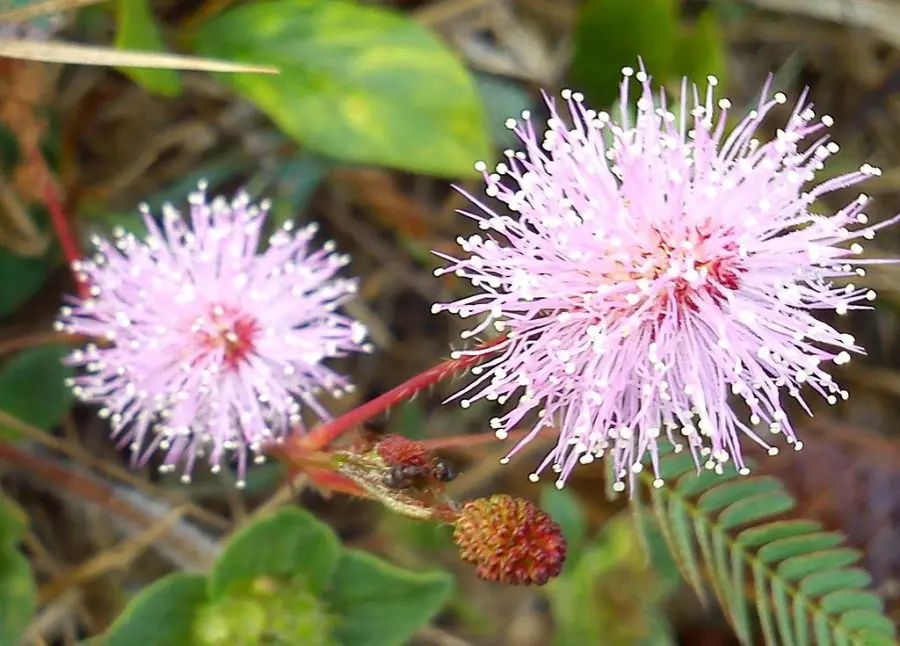
Sensitive Plant care indoors is all about warmth, humidity, and gentle light. Known as Mimosa pudica, this fascinating plant reacts to touch by folding its leaves inward, making it one of the most interactive houseplants you can grow.
Its quick movements make it a favorite with both beginner growers and experienced collectors, but keeping it healthy indoors takes a little more attention than tougher houseplants.
In this guide, you’ll learn how to grow Sensitive Plant indoors, including watering, light, soil, propagation, and how to fix common problems before they affect your plant.
What You’ll Learn 🌿
- ☀️ How much light Mimosa pudica needs indoors
- 💧 How to water without overwatering or drying out
- 🪴 The best soil and pot setup for healthy roots
- 🌫️ How humidity affects growth and leaf movement
- ✂️ How to prune and propagate new plants
- ⚠️ Common Mimosa pudica problems and how to fix them
Quick Answer 🌿
Sensitive Plant grows best indoors in bright indirect light, warm temperatures, and evenly moist soil with high humidity. Use loose soil with good drainage, avoid overhandling the leaves, and keep it away from cold drafts for the healthiest growth.
An Introduction To Sensitive Plant Care Indoors

Hey there, fellow plant enthusiasts! Are you in search of a captivating and interactive plant to add to your indoor garden?
Then say hello to the Mimosa Pudica, also known as the sensitive plant. According to Wikipedia:
Mimosa pudica (from Latin pudica ‘shy, bashful, or shrinking’; also called sensitive plant, sleepy plant, action plant, touch-me-not, or shameplant is a creeping annual or perennial flowering plant of the pea/legume family Fabaceae.
It is often grown for its curiosity value: the sensitive compound leaves fold inward and droop when touched or shaken and re-open a few minutes later. Mimosa pudica is not a carnivorous plant.
This unique plant is sure to catch your attention with its fascinating ability to fold its leaves inward when touched, making it a favorite among kids and adults alike.
But how can you ensure that this sensitive plant thrives in the indoor environment?
In this guide, we’ll walk you through all the tips and tricks for sensitive plant care indoors, so you can enjoy this captivating plant for years to come. Let’s get started!
The unique Mimosa Pudica
Mimosa Pudica, also known as the sensitive plant, is a fascinating plant that belongs to the pea/legume family Fabaceae.
Native to Central and South America, it is known for its unique ability to close its leaves when touched, making it a popular addition to indoor gardens.
Its unique movements have made it a favorite among botanists and plant lovers worldwide.
Understanding the Needs of Mimosa Pudica

To care for your sensitive plant properly, you need to understand its unique needs. So, let’s get started by exploring what makes Mimosa Pudica tick!
The plant’s light requirements are crucial to its survival, as it needs a good balance of light and shade.
Temperature and humidity preferences also play a significant role, as the sensitive plant needs a warm and humid environment to thrive.
We’ll also delve into its watering needs, soil requirements, and nutrient requirements, so you can provide your sensitive plant with the ideal conditions for growth.
By the end of this section, you’ll have all the information you need to create the perfect environment for your sensitive plant.
Light requirements:
The sensitive plant needs a good balance of light and shade to thrive. It is not tolerant of direct sunlight, so placing it in a bright but shaded area is ideal.
East-facing windows are a great option, as they provide plenty of morning light while avoiding the harsh afternoon sun.
If you notice your plant becoming leggy or losing its vibrant color, it may not be getting enough light, so adjust its placement accordingly.
Best Indoor Locations For Sensitive Plant
Placement matters because Mimosa pudica depends on warmth, humidity, and bright light to stay active and healthy.
East-Facing Windows
One of the best spots for gentle morning sun and bright indirect light.
Bright Bathrooms
Ideal because they naturally provide extra humidity.
Warm Plant Shelves Near Windows
Great for maintaining steady warmth while giving filtered light.
Grow Light Setups
A good option if natural light is limited, especially in winter.
Temperature and humidity preferences:
Temperature and humidity play a significant role in the sensitive plant’s growth and development.
This plant prefers warm temperatures ranging from 60°F to 85°F (15°C to 29°C) and high humidity levels of at least 60%.
To maintain proper humidity levels, mist the plant regularly or use a humidifier near the plant.
Keep in mind that drafty areas can harm the sensitive plant, so keep it away from doors, windows, and air conditioning vents.
Watering needs:
Watering your sensitive plant correctly is crucial to its survival. Overwatering can lead to root rot, while underwatering can cause the plant to wilt and dry out.
The best way to ensure that your plant is getting enough water is to feel the top inch of the soil.
If it feels dry, it’s time to water. Be sure to use room temperature water and avoid getting water on the leaves, as this can cause them to droop.
Soil requirements:
Sensitive plants prefer well-draining soil that is rich in organic matter. A mix of potting soil and perlite or sand is ideal.
Coco coir and perlite also make a good potting mix and are a more environmentally friendly choice to peat moss based soil products.
Ensure that the pot has adequate drainage holes to avoid waterlogging the soil, which can lead to root rot.
Nutrient requirements:
Sensitive plants have moderate nutrient requirements, and overfertilizing can harm them.
A balanced, water-soluble fertilizer is ideal, and it’s best to avoid fertilizing during the winter months when growth is slower.
Be sure to follow the manufacturer’s instructions when applying fertilizer, and remember that less is more when it comes to feeding your sensitive plant.
Propagation of Mimosa Pudica

If you’re looking to expand your collection of sensitive plants, propagation is a great way to do it!
Propagation involves creating new plants from existing ones, and it’s easier than you might think.
In this section, we’ll explore two common propagation techniques for Mimosa Pudica: propagation by seeds and propagation by cuttings.
We’ll cover everything you need to know to successfully propagate your sensitive plant, so you can grow your collection with ease. So, grab your gardening gloves, and let’s get started!
Propagation by seeds:
Propagating Mimosa Pudica by seeds is a simple and straightforward process.
Begin by collecting the seeds from the plant’s dried pods, which should be done when they turn brown and begin to split open.
Soak the seeds in warm water overnight, which will help soften the hard seed coat and encourage germination.
Next, plant the seeds in a seed-starting mix, lightly cover them with soil, and water them gently.
Keep the soil moist and warm, and within two to four weeks, your seeds will begin to sprout.
Propagation by cuttings:
Propagating Mimosa Pudica by cuttings is an easy and reliable way to produce new plants quickly.
To do this, start by taking a 3-4 inch cutting from a healthy plant, making sure that it has at least one leaf node.
Remove the lower leaves from the cutting and dip the cut end into rooting hormone powder.
Plant the cutting into a small pot filled with moist soil, covering the leaf node with soil.
Keep the soil moist and warm, and within two to four weeks, your cutting should develop roots and start to grow.
Once the plant has established roots, it can be transplanted into a larger pot.
Transplanting Mimosa Pudica

As your sensitive plant grows, it will eventually need more space to thrive, and that’s where transplanting comes in.
Transplanting involves moving your plant into a larger pot or container, providing it with more room to grow and access fresh nutrients.
However, transplanting can be a delicate process, and it’s essential to do it correctly to avoid damaging the plant.
In this section, we’ll provide you with tips and techniques to help you successfully transplant your sensitive plant, so you can watch it continue to thrive and grow. Let’s get started!
Selecting a pot:
Choosing the right pot for your sensitive plant is crucial to its health and well-being.
Select a pot that is one size larger than the current one, with good drainage holes at the bottom.
Avoid pots that are too big, as excess soil can hold too much moisture and harm the roots.
It’s also essential to choose a pot that matches your decor and style, as this will help make your sensitive plant a focal point in your indoor garden.
Preparing the potting mix:
Before transplanting your sensitive plant, you’ll need to prepare the potting mix.
A high-quality potting soil mixed with perlite and coco coir, or peat moss will provide good drainage and aeration for your plant’s roots.
Be sure to moisten the potting mix before adding it to the new pot, as this will help prevent the soil from becoming too compacted and make it easier for your sensitive plant to establish itself in its new home.
Repotting techniques:
When it comes to repotting your sensitive plant, there are a few essential techniques to keep in mind.
Gently remove the plant from its old pot, being careful not to damage the roots. If the roots are tightly wound, you may need to loosen them a bit before placing the plant into the new pot.
Next, place the plant into the new pot, ensuring that it sits at the same depth as in the old pot.
Add the potting mix around the root ball, gently pressing it down to remove any air pockets.
Water the plant thoroughly, ensuring that the soil is moist but not waterlogged.
Finally, place the plant in a warm, bright area and continue to care for it as usual.
Caring for Mimosa Pudica

Congratulations, you’ve successfully transplanted your sensitive plant into its new home! Now it’s time to focus on the ongoing care of your plant.
To keep your Mimosa Pudica healthy and happy, you’ll need to provide it with regular watering, fertilization, pruning, and pest control.
In this section, we’ll provide you with tips and techniques to help you care for your sensitive plant, so you can watch it continue to thrive and flourish.
So, let’s get started on how to care for your sensitive plant indoors!
Watering and fertilization:
Watering your sensitive plant correctly is crucial to its survival. Overwatering can lead to root rot, while underwatering can cause the plant to wilt and dry out.
Water your plant when the top inch of soil feels dry, using room temperature water to avoid shocking the plant.
Fertilize your plant with a balanced, water-soluble fertilizer every two to four weeks during the growing season, following the manufacturer’s instructions.
Avoid fertilizing during the winter months when growth is slower.
Pruning and shaping:
Pruning your sensitive plant can help control its growth and encourage bushiness.
Prune your plant regularly, removing any dead, yellow, or diseased leaves.
Pinch off the tips of young shoots to encourage branching and shape the plant as desired.
Be sure to sterilize your pruning tools between uses to prevent the spread of disease.
Troubleshooting Sensitive Plant Problems
Leaves staying closed
Often caused by stress, overhandling, low light, or dry soil.
Yellow leaves
Usually a sign of overwatering or poor drainage.
Drooping stems
Often caused by underwatering or sudden temperature swings.
Slow growth
Usually caused by low light, low humidity, or lack of feeding.
Brown leaf tips
Common in dry air or when humidity is too low.
Preventing and treating pests and diseases:

Sensitive plants are susceptible to a variety of pests and diseases, including spider mites, whiteflies, and powdery mildew.
To prevent these issues, keep your plant in a warm, humid environment and avoid overwatering.
If you do notice pests or diseases on your plant, treat it immediately with a natural or chemical pesticide or fungicide, following the manufacturer’s instructions.
In most cases using insecticidal soap or neem oil will take care of most pest problems.
Winter care:
During the winter months, the growth of your sensitive plant may slow down, and it may require less frequent watering and fertilization.
Reduce watering to once every two weeks or when the top inch of soil feels dry, and avoid fertilizing during this time.
Keep the plant away from drafty areas and ensure that the temperature does not drop below 60°F (15°C).
Sensitive Plant Care FAQs
How often should I water a Sensitive Plant?
Water when the top inch of soil feels dry. Keep it evenly moist but never soggy.
Does Mimosa pudica need direct sunlight?
No. Bright indirect light works best. Gentle morning sun is usually fine.
Why does my Sensitive Plant close its leaves?
This is its natural defense response to touch, movement, or darkness.
Can I touch my Sensitive Plant often?
It’s best not to. Frequent triggering can stress the plant and weaken it over time.
Is Sensitive Plant easy to grow indoors?
Yes, as long as it gets warmth, humidity, and steady moisture.
Sensitive Plant Care Indoors Final Thoughts

Final Thoughts: Sensitive Plant Care Indoors
Sensitive Plant is one of the most unusual and entertaining houseplants you can grow. Its touch-sensitive leaves make it a true conversation piece, but it also needs the right care to stay healthy.
Focus on bright indirect light, steady moisture, warmth, and humidity. Avoid stressing it with constant touching, and it will reward you with healthy growth and fascinating movement.
If you want a houseplant that feels a little more interactive than most, Mimosa pudica is hard to beat.
Want to transform your indoor space into a lush, thriving haven? These guides will help you master houseplant care with ease.
🌿 Indoor Houseplant Care Guides
- ♻️ Composting Indoors
- 🌳 Rubber Plant Care Indoors
- 🌸 Peace Lily Care Indoors
- 🧀 Swiss Cheese Plant Care
- 🎋 Indoor Bamboo Guide
- 🌱 Vertical Gardening Indoors
- 🌺 Bromeliad Care
- 🥢 Bamboo Plant Indoor Care
- ❤️ Anthurium Care Indoors
- 🌵 How to Grow Succulent Plants
- 🌿 Maidenhair Fern Indoor Care
- See all articles in our Houseplants category