

Indoor fern care is easier than many people think once you understand what these plants actually need. Most indoor ferns thrive with bright indirect light, consistent moisture, and higher humidity.
The biggest mistakes usually come from dry air, harsh sunlight, or letting the soil dry out too much between waterings.
In this guide, you’ll learn how to care for indoor ferns, choose the best fern varieties for your space, and fix common problems like brown tips, yellow fronds, and drying leaves.
What You’ll Learn
- 🌿 How to care for indoor ferns without overwatering
- 💡 The best light and humidity conditions for healthy growth
- 🪴 Easy indoor fern varieties for beginners
- 💧 How often to water and fertilize indoor ferns
- 🛠 Common indoor fern problems and fixes
- 🌱 Simple ways to keep fern fronds lush indoors
🌿 What Makes Ferns Great Houseplants?
Ferns have been around since prehistoric times, and they still make some of the best indoor plants for adding soft texture and vibrant greenery to a room.
Many indoor fern varieties thrive with consistent moisture, filtered light, and higher humidity. Unlike flowering houseplants, ferns rely on their graceful fronds to create a lush, natural look indoors.
From classic Boston ferns to Bird’s Nest and Maidenhair ferns, there are indoor fern varieties that work for both beginners and more experienced plant growers.
🌿 How to Choose the Right Fern
Before choosing a fern, think about your lighting, humidity, and available space. Some ferns are forgiving and beginner-friendly, while others need more moisture and daily attention.
- 💡 Most ferns prefer bright indirect light instead of direct sun
- 💧 Bathrooms and kitchens are often ideal because of higher humidity
- 🪴 Hanging baskets work well for larger fern varieties
- 🌿 Compact ferns fit shelves and apartment corners easily
🌿 5 Easy Indoor Ferns to Grow
These indoor ferns are beginner-friendly, widely available, and easier to grow indoors than many people expect.
🌿 Boston Fern (Nephrolepis exaltata)
Boston ferns are one of the most popular indoor ferns because of their soft arching fronds and lush tropical appearance.
- ✅ Beginner-friendly
- 💧 Likes evenly moist soil
- 🌤 Thrives in bright indirect light
- 🪴 Great for hanging baskets

Learn more about Boston Fern Care Indoors.
🌿 Maidenhair Fern (Adiantum spp.)
Maidenhair ferns are known for their delicate fan-shaped fronds and thin dark stems. They are beautiful but require more humidity and steady watering.
- 💦 Loves humidity
- 🌥 Prefers softer light
- 🛁 Excellent bathroom plant
- ⚠️ Sensitive to dry air

Read our full Maidenhair Fern Indoor Care guide.
🌿 Bird’s Nest Fern (Asplenium nidus)
Bird’s Nest ferns have broad tropical fronds and tolerate medium light conditions better than many other ferns.
- 🪴 Beginner-friendly
- 🌿 Compact tropical look
- 🌤 Handles lower light better than many ferns
- 💧 Keep soil lightly moist

See our guide on Caring for Bird’s Nest Fern Indoors.
🌿 Asparagus Fern (Asparagus densiflorus)
Asparagus ferns are not true ferns, but their feathery foliage gives a similar soft tropical look indoors.
- 🌱 Fast-growing
- 🌤 Likes bright indirect light
- ✂️ Benefits from pruning
- 🪴 Great for containers and baskets

Read more about Asparagus Fern Indoor Care.
🌿 Crocodile Fern (Microsorum musifolium)
Crocodile ferns stand out because of their textured reptile-like foliage and bold tropical appearance.
- 🐊 Unique textured leaves
- 💧 Likes consistent moisture
- 🌤 Prefers filtered light
- 🌿 Great statement plant

See our Crocodile Fern Indoor Care guide.
💡 Light Requirements for Indoor Ferns

Most indoor ferns prefer bright indirect light instead of harsh direct sunlight. Too much direct sun can scorch fronds, while very dark rooms usually lead to slow growth and sparse foliage.
East-facing windows often work best because they provide softer morning light. North-facing windows can also work well for many fern varieties.
If your apartment or room is too dark, LED grow lights can help maintain healthy growth during winter or in low-light areas.
⚠️ Signs of Too Much Light
- Brown crispy fronds
- Pale or faded leaves
- Dry leaf edges
- Leaf drop
🌑 Signs of Too Little Light
- Slow growth
- Small fronds
- Stretching toward windows
- Thin sparse foliage
🌿 Why Ferns Become Thin and Sparse
Indoor ferns may become thin or stretched when they do not receive enough bright indirect light.
Very dark rooms can slow growth and cause smaller fronds with weaker color.
Moving the plant closer to filtered natural light or supplementing with LED grow lights can help encourage fuller growth.
💧 Watering Indoor Ferns
Indoor ferns prefer evenly moist soil, but they should never sit in soggy water. Letting the soil dry out too much is one of the fastest ways to damage fern fronds.
Check the top inch of soil regularly. If it feels slightly dry, it’s usually time to water again.
Watering frequency depends on humidity, temperature, pot size, and fern variety, but many indoor ferns need water once or twice a week.
🍂 Why Fern Fronds Turn Crispy Indoors
Crispy fern fronds are usually caused by dry air, inconsistent watering, or too much direct sunlight.
Indoor heating during winter is one of the biggest causes of browning and dry leaf edges on indoor ferns.
Increasing humidity, watering more consistently, and moving the fern away from harsh sunlight can often improve new growth quickly.
🌡 Humidity and Temperature for Indoor Ferns

Humidity is one of the biggest factors in successful indoor fern care. Most fern varieties naturally grow in tropical forests where the air stays consistently moist.
Dry indoor air from heaters, fireplaces, or air conditioning often causes brown tips and crispy fronds.
Most indoor ferns grow best when humidity stays around 50% or higher and temperatures remain between 60–75°F.
💦 Easy Ways to Increase Humidity
- Use a humidifier near your plants
- Group plants together to create a humid microclimate
- Place pots on pebble trays with water
- Keep ferns in bathrooms or kitchens when possible
- Avoid placing ferns near heaters or vents
🪴 Best Soil for Indoor Ferns
Indoor ferns grow best in loose, airy soil that holds moisture without becoming heavy or compacted.
Dense soggy soil is one of the most common causes of root problems in indoor ferns.
🌱 What Makes a Good Fern Potting Mix?
- 💧 Holds moisture evenly
- 🌬 Allows airflow around roots
- 🪴 Drains excess water properly
- 🌿 Contains organic matter for nutrients
Many indoor gardeners use mixes containing coco coir, perlite, compost, bark, or worm castings.
🌿 Coco Coir vs Peat Moss
Coco coir is becoming more popular because it retains moisture well while remaining airy and sustainable.
- ♻️ Renewable and environmentally friendlier than peat moss
- 💧 Holds moisture without compacting heavily
- 🌱 Helps roots breathe better
- 🪴 Easier to manage indoors
Learn more about using coco coir in container gardening.
🪴 Choosing the Right Pot for Ferns
The right container helps prevent root rot and makes watering easier to manage long term.
Always use pots with drainage holes so excess moisture can escape properly.
🌿 Potting Tips for Indoor Ferns
- 🪴 Terracotta pots help excess moisture evaporate faster
- 📏 Choose pots only slightly larger than the root ball
- 💧 Oversized pots may stay wet too long
- 🌱 Repot when roots begin circling heavily

🌱 Fertilizing Indoor Ferns
Indoor ferns do not need heavy feeding, but occasional fertilizer helps maintain healthy green growth during spring and summer.
Too much fertilizer can burn roots and damage sensitive fern foliage.
📅 How Often to Fertilize Ferns
- 🌿 Feed every 2–4 weeks during active growth
- 💧 Use diluted liquid fertilizer at half strength
- ❄️ Stop fertilizing during winter dormancy
- ⚠️ Flush soil occasionally to prevent salt buildup
✂️ Pruning and Grooming Indoor Ferns
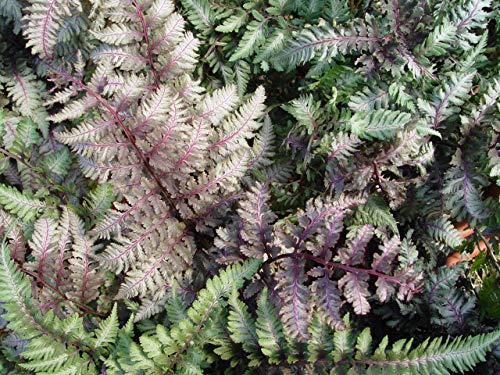
Regular pruning helps indoor ferns stay healthier and encourages fresh new growth.
Older fronds naturally decline over time, especially during seasonal changes or dry indoor conditions.
🧼 Basic Fern Grooming Tips
- ✂️ Remove yellow or brown fronds near the base
- 🌿 Trim damaged foliage to improve appearance
- 🪴 Rotate plants occasionally for even growth
- 🐛 Inspect under leaves for pests while pruning
- 💨 Remove dust gently from fronds if needed
🌱 Repotting Indoor Ferns
Most indoor ferns eventually outgrow their containers and benefit from repotting every couple of years.
Root-bound ferns often dry out quickly, stop growing, or produce smaller fronds.
🪴 Signs Your Fern Needs Repotting
- Roots growing from drainage holes
- Water runs through the pot too quickly
- Growth slows despite proper care
- Crowded compacted roots
📅 Best Time to Repot Ferns
Spring and early summer are usually the best times to repot indoor ferns because plants recover faster during active growth.
Move up only one pot size at a time to avoid keeping the soil overly wet.
❄️ Indoor Fern Care During Winter
Winter can be difficult for indoor ferns because heating systems lower humidity and natural light levels often drop significantly.
🌿 Winter Fern Care Tips
- 💡 Move ferns closer to bright windows if needed
- 💧 Reduce watering slightly during slower winter growth
- 🌡 Keep plants away from cold drafts
- 💦 Continue increasing humidity indoors
- 🚫 Avoid placing ferns near heaters or fireplaces
🛠 Common Indoor Fern Problems and Fixes
Most indoor fern problems come from watering, humidity, or lighting issues. The good news is that many ferns recover quickly once conditions improve.
🍂 Brown Tips on Ferns
Brown crispy tips are usually caused by dry air, underwatering, or hot air from heaters and vents.
- 💧 Increase humidity around the plant
- 🌿 Keep soil evenly moist
- 🚫 Move away from heating vents
- 🪴 Use a humidifier during winter if needed
🌕 Yellow Fern Fronds
Yellowing leaves often come from overwatering, poor drainage, or compacted soil.
- 🪴 Check drainage holes
- 💧 Reduce watering frequency slightly
- 🌱 Refresh old potting mix if compacted
- ☀️ Ensure the fern receives enough indirect light
🥀 Dry or Crispy Fern Leaves
Dry fronds usually point to low humidity or inconsistent watering.
- 💦 Increase humidity around the fern
- 🪴 Water before soil becomes fully dry
- 🌤 Avoid strong direct sunlight
- 🚫 Keep away from fireplaces and heaters
🐛 Common Fern Pests
Indoor ferns occasionally attract pests like spider mites, fungus gnats, and mealybugs, especially when conditions become too dry or overly wet.
- 🕷 Spider mites prefer dry air
- 🪰 Fungus gnats thrive in wet soil
- 🐛 Mealybugs hide around stems and fronds
Neem oil, sticky traps, insecticidal soap, and improving airflow often help control indoor fern pests naturally.
🌿 Indoor Fern Care for Apartments
Indoor ferns work especially well in apartments because many varieties tolerate medium light and fit easily on shelves, plant stands, or hanging baskets.
Bathrooms with windows are often ideal because humidity naturally stays higher than the rest of the apartment.
🏡 Best Places to Put Ferns Indoors
- 🛁 Bright bathrooms
- 🪟 Near east-facing windows
- 🌿 Plant shelves with filtered light
- 🪴 Hanging baskets in bright rooms
- 💡 Under LED grow lights in darker apartments
🌱 Propagating Indoor Ferns
Many indoor ferns can be propagated by division when repotting mature plants.
Fern division is usually easier and more reliable than trying to grow ferns from spores indoors.
✂️ How to Divide Ferns
- 🪴 Remove the fern carefully from its pot
- 🌱 Separate healthy root sections gently
- ✂️ Trim damaged roots if needed
- 💧 Replant divisions in fresh potting mix
- 🌿 Keep newly divided plants humid while recovering
🌿 More Indoor Plant Guides
Indoor Fern Care FAQs
How often should you water indoor ferns?
Most indoor ferns prefer evenly moist soil and usually need watering once or twice per week. Watering frequency depends on humidity, temperature, light, and pot size.
Do indoor ferns need sunlight?
Indoor ferns grow best in bright indirect light. Too much direct sunlight can scorch fern fronds, while rooms that are too dark may cause sparse growth.
Why are my fern leaves turning brown?
Brown fern leaves are usually caused by dry air, underwatering, low humidity, or too much direct sun.
What is the easiest fern to grow indoors?
Boston ferns and Bird’s Nest ferns are usually considered some of the easiest indoor fern varieties for beginners.
Can ferns survive in apartments?
Yes, many indoor ferns grow very well in apartments, especially when humidity and indirect light are consistent.
Do indoor ferns need humidity?
Most indoor ferns grow better with moderate to high humidity. Dry indoor air often causes crispy fronds and brown tips.
🌿 Indoor Fern Care Conclusion
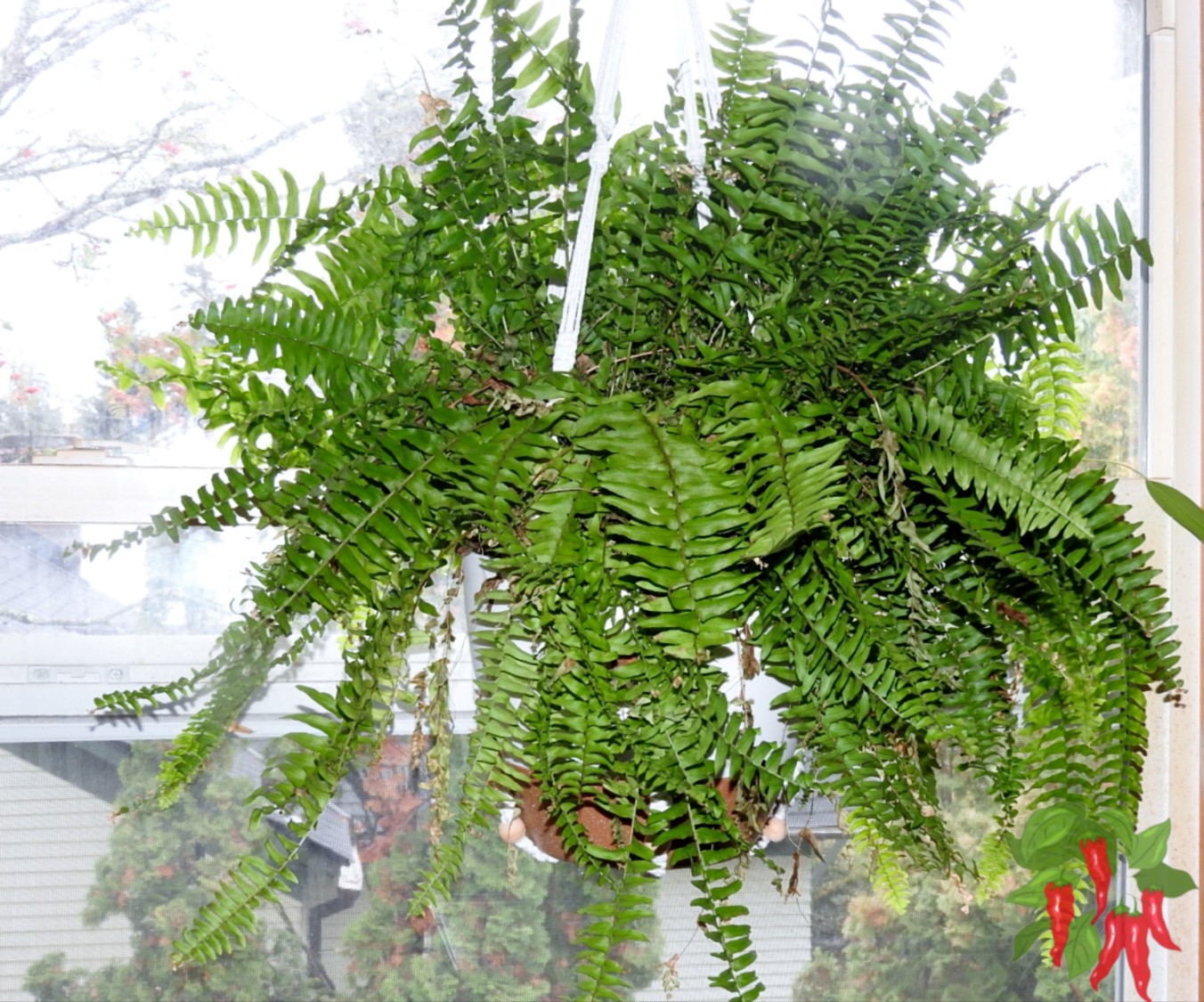
Indoor ferns can be some of the most rewarding houseplants once you understand their basic needs. Bright indirect light, consistent moisture, good humidity, and proper airflow are the keys to keeping fern fronds lush and healthy indoors.
Start with beginner-friendly varieties like Boston ferns or Bird’s Nest ferns, then adjust your watering and humidity routine based on how your plant responds.
With the right setup, indoor ferns can thrive for years and add soft texture, greenery, and a tropical feel to almost any room.