

Is coco coir good for succulents? Yes — coco coir can work extremely well for succulents when watering is controlled properly and the mix drains fast enough for your growing conditions.
Many growers automatically add large amounts of perlite, but I’ve successfully grown succulents in straight coco coir with careful watering and good airflow.
This guide covers how coco coir works for succulents, when to add perlite, how to avoid root rot, and the soil setups that actually work indoors.
What You’ll Learn
- 🌱 Why coco coir works well for many succulents
- 💧 How to prevent root rot in coco coir
- ⚪ When perlite helps and when it may not be necessary
- 🪴 The coco coir mix I personally use indoors
- ☀️ How watering habits affect succulent soil performance
Is Coco Coir Good for Succulents?
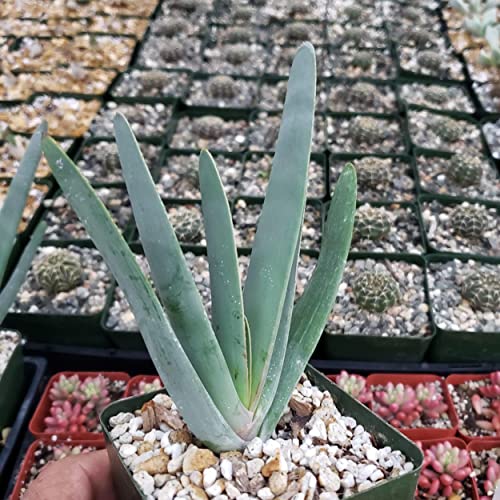
Coco coir can be an excellent growing medium for succulents because it provides a balance of moisture retention, airflow, and root aeration.
Unlike dense potting soils that stay soggy for long periods, quality coco coir remains airy while still holding enough moisture for healthy root development.
The key is understanding that succulents fail from poor watering habits far more often than from coco coir itself.
If you constantly keep the mix wet, root rot becomes a problem. But if you allow the medium to dry appropriately between waterings, coco coir can work extremely well.
Why Coco Coir Works for Succulents
One reason coco coir works so well is that it stays loose and breathable even after repeated watering cycles.
Traditional potting soils often compact over time, reducing airflow around succulent roots and increasing the risk of rot.
Coco coir resists compaction while still holding enough moisture to prevent roots from drying too aggressively between waterings.
Main Benefits of Coco Coir
- 🌱 Excellent root aeration
- 💧 Holds moisture without becoming muddy
- ⚪ Lightweight and easy to work with
- 🌿 Sustainable alternative to peat moss
- 🪴 Works well indoors in containers
This combination of airflow and moisture balance makes coco coir especially useful for indoor succulent growing where drainage and evaporation are often slower than outdoors.
Can You Use Coco Coir Without Perlite?
Yes. You absolutely can grow succulents in straight coco coir if your watering habits are controlled properly.
I personally grow some succulents in pure coco coir with no added perlite at all.
The biggest adjustment is learning that coco coir behaves differently from traditional potting soil. It may still look slightly damp on the surface while remaining very airy internally.
That means watering discipline becomes more important than blindly following a schedule.
When Straight Coco Coir Works Best
- ☀️ Bright indoor growing conditions
- 🌬️ Good airflow around containers
- 🪴 Pots with strong drainage
- 💧 Controlled watering habits
- 🏡 Dry indoor environments
If your environment stays humid or you tend to overwater, adding perlite can create a larger margin for error.
Coco Coir vs Traditional Succulent Soil
| Feature | Coco Coir | Traditional Potting Soil |
|---|---|---|
| Drainage | Very good when loose | Can compact over time |
| Aeration | Excellent | Often moderate |
| Moisture Retention | Balanced | Can stay soggy |
| Weight | Lightweight | Usually heavier |
Why Many Growers Add Perlite
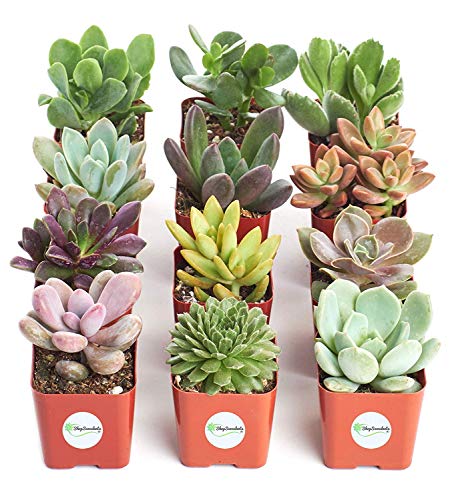
Perlite improves drainage and increases air pockets inside the growing mix.
For growers who tend to water frequently, perlite helps prevent moisture from remaining trapped around succulent roots for too long.
I still like using chunky perlite with coco coir for many setups because it creates an extremely airy mix.
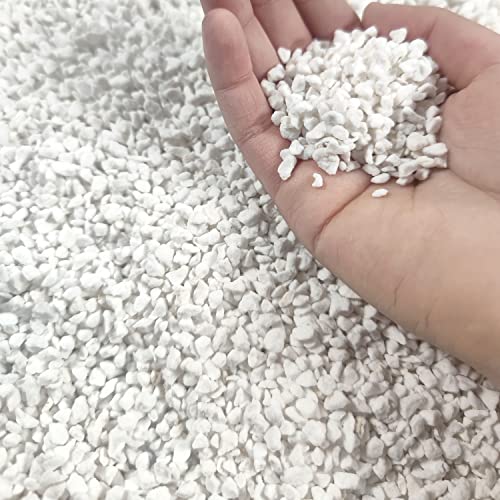
I especially prefer coarse perlite because it improves drainage without turning the mix into dust over time.
The 50/50 Coco Coir and Perlite Mix
One of the safest succulent mixes for beginners is a 50/50 blend of coco coir and perlite.
This combination provides extremely fast drainage while still retaining enough moisture for healthy root growth.
Why the Mix Works Well
- ⚪ Prevents dense compacted soil
- 🌬️ Increases oxygen around roots
- 💧 Reduces overwatering risk
- 🌱 Encourages healthy root growth
If you are new to coco coir, this mix gives you more room for watering mistakes while still keeping excellent drainage.
CANNA Coco Is What I Personally Use
Not all coco coir is equal. Some cheaper brands contain excessive salts or inconsistent fiber quality that can cause problems for plants.
CANNA Coco is still my preferred option because it is buffered properly, low in salts, and consistently high quality.
I’ve tested multiple coco brands over the years, and CANNA remains the most reliable for indoor growing.


Because coco coir behaves differently from standard soil, using nutrients designed for coco can improve long-term growth and stability.
Coco Peat vs Coco Coir for Succulents
Coco peat and coco coir are closely related, but they do not behave exactly the same in succulent mixes.
Coco peat is the finer, dust-like material from coconut husks, while coco coir usually contains larger fibers and chunks that improve airflow.
| Material | Moisture Retention | Drainage | Best Use |
|---|---|---|---|
| Coco Peat | Higher | Moderate | Moisture-loving plants |
| Coco Coir | Balanced | Excellent | Succulents and indoor growing |
For succulents, the chunkier and more fibrous coco coir products usually work better because they maintain stronger airflow around the roots.
How To Avoid Root Rot in Coco Coir
The biggest mistake people make with coco coir is assuming it should be watered like normal potting soil.
Coco coir holds moisture differently and stays much more breathable internally, even when slightly damp.
That means root rot usually comes from repeated overwatering rather than the coco itself.
Ways To Prevent Root Rot
- 🪴 Always use containers with drainage holes
- ☀️ Grow in bright light whenever possible
- 🌬️ Maintain airflow around the plants
- 💧 Let the mix dry properly between waterings
- 🚫 Avoid watering on a fixed schedule
Once you understand how quickly coco coir re-aerates after watering, it becomes much easier to manage successfully indoors.
Best Pots for Coco Coir Succulent Mixes
Container choice matters almost as much as the soil mix itself.
Terracotta pots are especially useful with coco coir because they allow additional airflow and evaporation through the container walls.
Good Pot Choices
- 🪴 Terracotta pots
- ⚪ Nursery pots with drainage holes
- 🌵 Shallow succulent containers
- 🌬️ Breathable containers with airflow
Avoid decorative containers without drainage because coco coir can still stay too wet if excess water has nowhere to escape.

Do Succulents Need Fertilizer in Coco Coir?
Coco coir itself contains very little nutrition, so long-term succulent growth usually benefits from light feeding.
The good news is that succulents are not heavy feeders, so fertilizer requirements stay fairly simple.
Simple Fertilizer Tips
- 🌱 Use diluted fertilizer at low strength
- 💧 Feed lightly during active growth
- 🚫 Avoid heavy salt buildup
- ⚪ Coco-specific nutrients can help long term
If your succulents are actively growing in pure coco coir, occasional feeding becomes more important than in traditional potting mixes.
Can Cactus Grow in Coco Coir?
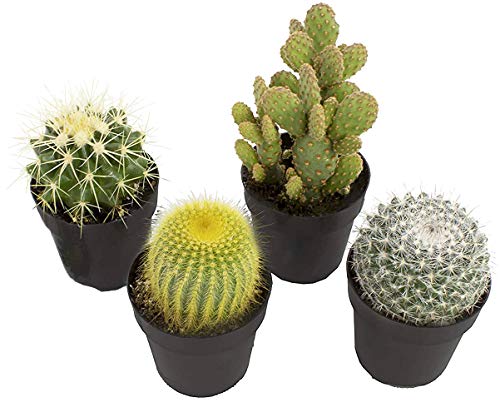
Yes. Many cacti can grow very well in coco coir as long as drainage remains strong and watering is controlled properly.
Desert cacti usually prefer even faster drying conditions than softer succulents, so adding chunky perlite, pumice, or coarse sand can help increase drainage further.
Cactus Mix Tips
- 🌵 Use very fast-draining containers
- ⚪ Add extra drainage material if needed
- ☀️ Bright light improves drying speed
- 💧 Let the mix dry deeply between waterings
In bright indoor growing setups, coco coir can actually perform surprisingly well for many cactus species.
Indoor Growing Conditions Matter More Than Soil
One thing many growers overlook is that the “perfect” succulent mix changes depending on the environment.
A humid room with poor airflow may require more perlite and faster drainage, while a bright dry room can often support straight coco coir successfully.
Things That Affect Drying Speed
- ☀️ Light intensity
- 🌬️ Airflow
- 🏡 Indoor humidity
- 🪴 Pot material
- 🌡️ Temperature
That’s why two growers can use the same mix and get completely different results.
Common Mistakes Using Coco Coir for Succulents
Overwatering
The biggest mistake with coco coir is watering too frequently.
Because coco coir stays airy internally, many growers assume it has dried out faster than it actually has.
Succulents generally perform best when the mix is allowed to dry properly between waterings.
Poor Drainage Containers
Even the best succulent mix can fail in containers without drainage holes.
Trapped water at the bottom of decorative pots can eventually lead to root rot regardless of the soil mix.
Using Low-Quality Coco Coir
Cheap coco products sometimes contain excess salts or inconsistent fibers that create unstable growing conditions.
This is one reason I still prefer higher-quality buffered coco products like CANNA Coco.

Do Succulents Grow Faster in Coco Coir?
Many succulents develop very healthy root systems in coco coir because of the excellent oxygen availability around the roots.
Healthy roots often translate into stronger growth, better drought tolerance, and improved overall plant health.
However, growth speed still depends heavily on light, watering, temperature, and the specific succulent species being grown.
My Personal Opinion on Coco Coir for Succulents
After experimenting with different succulent mixes over the years, coco coir has become my preferred base medium for indoor growing.
I like that it stays airy, drains well, and avoids the muddy compacted texture that many traditional potting soils develop over time.
I also think many growers overestimate how much perlite is truly necessary if watering habits are already under control.
For beginners, adding chunky perlite creates a safer margin for error. But once you understand how coco behaves, straight coco coir can absolutely work for succulents indoors.
10 Benefits Of Succulent Plants Indoors: More Than Just Easy Care
Is Coco Coir Good for Succulents FAQs
Can succulents grow in pure coco coir?
Yes. Succulents can grow in straight coco coir when watering is controlled properly and drainage remains strong.
Does coco coir cause root rot?
Coco coir itself does not automatically cause root rot. Overwatering and poor airflow are usually the real problems.
Do I need perlite with coco coir?
Not always. Perlite helps increase drainage and creates a larger margin for watering mistakes, but some growers successfully use straight coco coir.
Is coco coir better than potting soil for succulents?
Many growers prefer coco coir because it stays lighter and more breathable than traditional potting soil.
Can cactus grow in coco coir?
Yes. Many cactus species grow well in coco coir when combined with strong drainage and careful watering.
How often should I water succulents in coco coir?
Water only after the mix has dried appropriately. Indoor conditions, airflow, and light levels all affect drying speed.
What coco coir brand do you recommend?
CANNA Coco is still my preferred option because it is buffered properly, low in salts, and consistently reliable indoors.
Is Coco Coir Good for Succulents? Final Thoughts

Coco coir can be an excellent growing medium for succulents when watering, airflow, and drainage are managed properly.
While many growers prefer adding chunky perlite for extra safety, straight coco coir can also work very well once you understand how it behaves indoors.
For me, the biggest advantage is how airy and stable coco coir stays compared to traditional potting soils that compact over time.