

Learning how to plant Coral Bells in pots is one of the easiest ways to enjoy colorful foliage in small spaces, patios, or even bright indoor setups. Known botanically as Heuchera, Coral Bells are compact perennials grown more for their bold leaves than their delicate flower spikes.
They are adaptable, low-maintenance, and available in shades ranging from lime green to deep burgundy. That makes them a strong choice for containers where color and texture matter.
This guide covers how to plant Coral Bells, care for them in pots, and keep them healthy through every season.
What You’ll Learn
- How to plant Coral Bells in pots the right way
- The best light and watering setup for healthy foliage
- Why coco coir and perlite work so well for Heuchera
- How to protect Coral Bells during winter
- How to fix common Coral Bells growing problems
Quick Answer: How Do You Plant Coral Bells in Pots?
Plant Coral Bells in a pot with drainage holes using a mix of coco coir and perlite for fast drainage and steady moisture. Place the crown level with the soil surface, water thoroughly after planting, and keep the pot in partial shade or bright filtered light.
How to Plant Coral Bells In Pots

Coral bells, also known as Heuchera, are a stunning and versatile plant that comes in a variety of colors and patterns.
Many people don’t realize that Heuchera can be grown indoors, so we’ll also touch on the benefits of potting them and how to keep them healthy and thriving. Let’s get started!
What Is Heuchera or Coral Bells?
Heuchera, commonly known as Coral Bells, is a type of herbaceous perennial plant that is native to North America.
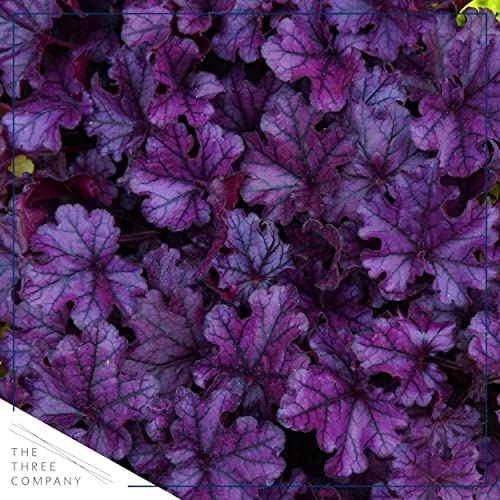
It is known for its attractive colorful foliage and bell-shaped flowers. The plant comes in a wide variety of colors, from deep green to shades of purple, pink, and even black.
The leaves are typically rounded with scalloped edges and grow in a rosette pattern. Coral Bells are versatile plants that can be grown both indoors and outdoors.
The plant also produces green, red, pink, and white flowers. From late spring to late summer, tall and thin stems carry clusters of stunning bell-shaped flowers in a rich shade of deep rose, standing up to 14 inches (35 cm) above the semi-evergreen leaves.
These flowers are long-lasting and can bloom continuously for up to two months until the first frost arrives.
Why Grow Coral Bells in Pots?
Growing Coral Bells in pots gives you more control over soil, moisture, and placement. This is especially helpful if your garden soil drains poorly or you want to move plants around seasonally.
Container-grown Heuchera also works well for patios, balconies, and small apartment spaces. Their colorful foliage adds texture even when they are not blooming.
In colder climates, pots make it easier to protect the roots during winter or bring them indoors before hard freezes.
Coral Bells Care at a Glance
Choosing the Right Pot and Soil:
When it comes to planting Coral Bells in pots, it’s important to choose the right pot and soil.
Look for a pot that is at least 8-10 inches in diameter, as Coral Bells have a shallow root system.
Choose a pot with drainage holes at the bottom to prevent waterlogging.
Use a well-drained soil or potting mix that is rich in organic matter.
Avoid using heavy garden soil, as it can cause the plant to become waterlogged and lead to root rot.
Planting and Care:
To plant Coral Bells in a pot, fill the pot with the potting mix and create a small indentation in the center.
Carefully remove the plant from its original container and gently loosen the roots.
Place the plant in the indentation, making sure the top of the root ball is level with the soil surface.
Water the plant thoroughly and place it in a location that receives bright, indirect light.
Water the plant regularly, but avoid overwatering as this can lead to root rot.
Fertilize the plant every few months with a balanced fertilizer or consider adding a slow-release fertilizer at potting time.
Common Problems and Solutions:
Coral Bells are generally easy to care for, but they can be susceptible to some problems.
One common issue is crown rot, which occurs when the plant is overwatered or the soil is too heavy.
To prevent crown rot, ensure the soil is well-draining and avoid overwatering.
Another issue is powdery mildew, which can be caused by high humidity and poor air circulation.
To prevent powdery mildew, ensure the plant is in a well-ventilated area and avoid overhead watering.
If the plant is affected by pests such as aphids or spider mites, use an insecticidal soap or neem oil to control the problem.
Coral Bells Indoors Or Out

Coral Bells are a beautiful and versatile plant that can be enjoyed both indoors and outdoors.
They can make great outdoor plants for garden beds, rock gardens or other shady spots in the landscape.
By following the tips outlined above, you can successfully plant and care for Coral Bells in pots.
Remember to choose the right pot and soil, provide proper care and attention, and address any issues that may arise promptly.
Are Coral Bells Poisonous?
Overview of Heuchera Toxicity
Coral bells are known for their ornamental foliage, but many gardeners and plant enthusiasts are often concerned about the safety of these plants.
The good news is that coral bells are not considered toxic to humans or pets.
While some sources indicate that the leaves and roots of coral bells contain toxic compounds, these are typically at low concentrations and unlikely to cause harm.
Potential Risks for Pets and Livestock
While coral bells are generally safe for humans, there are some potential risks for pets and livestock.
The leaves and roots of coral bells contain saponins, which can cause mild gastrointestinal upset, such as vomiting or diarrhea if ingested in large quantities.
It is important to keep coral bells away from pets and livestock, especially if they are prone to nibbling on plants.
Precautions and Safety Tips
If you have pets or livestock in your home or garden, it’s important to take some precautions to ensure their safety around coral bells.
Here are some tips to keep in mind:
• Keep coral bells out of reach of pets and livestock.
• Monitor your pets and livestock when they are around coral bells.
• If you notice any signs of gastrointestinal distress in your pets or livestock, contact your veterinarian immediately.
• By following these precautions, you can enjoy the beauty of coral bells in your home or garden without worrying about the safety of your pets or livestock.
Planting Coral Bells in Pots

If you’re short on garden space or just want to add some greenery to your indoor décor, planting coral bells in pots is a great option.
In this section, we’ll go over the steps you need to take to successfully plant coral bells in pots and keep them thriving.
How big do Coral Bells get?
Coral bells are a relatively small plant, typically growing up to 12-18 inches in height and spreading to about 12-24 inches in width.
However, some cultivars can grow larger, up to 3 feet in width.
It’s important to choose a pot that is appropriate for the size of your plant, allowing enough room for the roots to grow and ensuring that the plant doesn’t become root-bound.
Are Coral Bells Annual or Perennial?
Coral bells are a perennial plant, meaning they will come back year after year.
They are known for their hardiness and ability to thrive in a range of conditions, making them a popular choice for gardeners.
When planting coral bells in pots, it’s important to choose a potting mix that provides good drainage, as the plant can be susceptible to root rot if left in standing water.
Coral Bells Light Requirements

Coral bells are known for their beautiful foliage and delicate flowers, and proper lighting can make all the difference in their growth and appearance.
Whether you plan on growing coral bells indoors or outdoors, it’s crucial to understand their light requirements.
Coral Bells Sun or Shade?
Coral Bells can grow in both full sun and partial shade, but the amount of light they need can vary depending on the climate and location.
It’s important to take into account the level of sunlight your plant will receive and choose a spot that suits its light requirements.
Coral Bells that Tolerate Full Sun
While Coral Bells can thrive in partial shade, some varieties can also tolerate full sun exposure.
If you’re looking to plant Coral Bells in an area with more sunlight, some great full sun-tolerant varieties include ‘Caramel’, ‘Electric Lime’, and ‘Southern Comfort’.
These varieties have been bred to handle more sunlight and can add a pop of color to your garden or container arrangements.
Best Indoor Locations for Coral Bells
While Coral Bells are usually grown outdoors, they can do well indoors if placed in the right spot. Light and airflow are the biggest factors.
- East-facing windows: Best for gentle morning light
- Bright north-facing rooms: Good for softer light
- Covered balconies: Great for filtered outdoor light
- Cool bright sunrooms: Excellent for container growing
Avoid hot south-facing windows with strong afternoon sun unless filtered.
Coral Bells Water Requirements

One of the most important aspects of growing healthy coral bells is providing the right amount of water.
Coral bells prefer well-draining soil that is moist but not soggy, and they can suffer from root rot if their roots sit in standing water.
How much water do Coral Bells need?
Coral bells prefer a moderate amount of water. They don’t like to sit in water but don’t like to dry out completely either.
It’s important to water them deeply when the soil is dry to the touch but avoid overwatering, which can lead to root rot.
How often should you water Coral Bells?
The frequency of watering coral bells will depend on various factors such as location, weather, and soil moisture.
Typically, they need watering once a week, but it can be more frequent in hot and dry weather or less frequent in cooler weather.
Tips for watering Coral Bells in pots
When planting coral bells in pots, it’s crucial to use well-draining soil and containers with drainage holes to avoid waterlogged soil.
Water deeply until the water starts to flow out from the drainage holes, but make sure to empty the saucer to prevent water buildup.
It’s also a good idea to mist the leaves occasionally to increase the humidity around the plant.
Soil and Pots (Coco Coir and Perlite)
Are you looking to plant your coral bells in pots? Choosing the right soil and potting mix is key to ensuring your plant thrives.
In this section, we’ll talk about the benefits of using coco coir and perlite as a soil and potting mix for your coral bells.
Not only will it provide excellent drainage, but it also helps the soil retain moisture, promoting healthy growth.
Coco coir and perlite
Coco Coir is a sustainable and eco-friendly alternative to peat moss, commonly used in potting mixes.
It has excellent water retention and aeration properties, providing a healthy growing environment for the plants.
Additionally, it’s pH-neutral and free of pathogens and weed seeds, making it a safe choice for indoor planting.
Perlite, on the other hand, is a natural volcanic mineral that’s lightweight and porous.
When added to the potting mix, it improves drainage and aeration, preventing soil compaction and root rot.
Perlite also holds moisture, which helps keep the soil evenly moist and promotes healthy plant growth.
When planting coral bells in pots, mix equal parts coco coir and perlite with some organic fertilizer and fill the pot.
Add the plant, gently pat the soil around the roots, and water thoroughly.
With the right potting mix, your coral bells will thrive and add beauty to your indoor space.
Pot Size and Drainage Holes:

When it comes to planting Coral Bells in pots, the size of the pot is crucial.
The pot must be large enough to accommodate the plant’s root system and provide adequate space for the plant to grow.
Additionally, the pot must have sufficient drainage holes to allow excess water to escape, preventing the roots from rotting.
Heuchera Seeds:
If you decide to grow Coral Bells from seeds, you must ensure that the seeds are viable.
You can determine seed viability by soaking them in water for a few hours.
Viable seeds will sink to the bottom of the container, while non-viable ones will float to the top.
How to Plant Coral Bell Seeds:

Coral Bell seeds should be sown in a mixture of Coco Coir and perlite.
The seeds should be placed on top of the soil and lightly covered with a thin layer of the same mixture.
The soil should be kept moist but not waterlogged, and the container should be covered with a plastic bag to retain moisture until the seeds germinate.
How to Transplant Coral Bells:
If you decide to plant Coral Bells directly in a pot, prepare the soil mixture by mixing Coco Coir and perlite in a 1:1 ratio.
Place the mixture in the pot, leaving enough room at the top for the plant.
Carefully remove the plant from its current container, being mindful not to damage the roots.
Place the plant in the new pot, ensuring that the top of the root ball is level with the soil surface.
Water the plant thoroughly, and keep the soil moist but not waterlogged.
Fertilizing Coral Bells

In this section, we’ll cover everything you need to know about fertilizing Coral Bells.
Types of Fertilizer for Coral Bells:
There are different types of fertilizers available for coral bells, such as slow-release granular, liquid, and organic fertilizers.
Slow-release granular fertilizers are easy to use and can provide a steady supply of nutrients over an extended period.
Liquid fertilizers are quickly absorbed by the plant, making them an excellent option for quick-acting results.
Organic fertilizers are another option that is preferred by many gardeners because they are environmentally friendly and can help improve soil health over time.
How Often to Fertilize Coral Bells:
The frequency of fertilizing coral bells depends on the type of fertilizer used.
Slow-release granular fertilizers can be applied every two to three months, while liquid fertilizers should be applied every two to four weeks during the growing season.
Organic fertilizers can be applied less frequently, about every two to three months.
When to Fertilize Coral Bells:
It’s best to fertilize coral bells in the spring when new growth appears.
Avoid fertilizing during winter months when the plant is dormant.
Stop fertilizing the plant during fall to help it prepare for winter dormancy.
How to Apply Fertilizer:
When using granular fertilizers, follow the manufacturer’s instructions and sprinkle the recommended amount around the base of the plant.
For liquid fertilizers, dilute them according to the package instructions and apply them to the soil around the plant’s base.
Avoid getting fertilizer on the leaves as it can burn them.
Always water the plant thoroughly after fertilizing to prevent fertilizer burn.
Temperature and Humidity

Maintaining the proper temperature and humidity levels for your Coral Bells is essential for their growth and overall health, whether you have them planted indoors or outdoors.
In this section, we’ll cover the ideal temperature range for Coral Bells, how to protect them from extreme heat or cold, and ways to maintain proper humidity levels for your plants.
We’ll also discuss how to make adjustments to these factors based on the season and location of your plants.
Coral Bells USDA Zone:
It’s important to consider the USDA zone in which you live when planting coral bells outdoors.
This will determine the suitability of the plant for your region and guide you in selecting the best varieties for your garden.
Coral bells generally thrive in USDA zones 4-9, as they are native plants but some varieties may be more suitable for specific zones.
Zone 4 low temperatures can range from -30°F to -20°F so these plants are quite hardy outdoors.
Heuchera Temperature Tolerance:
Coral bells are generally hardy plants that can tolerate a range of temperatures.
However, extreme heat or cold can stress the plant and affect its growth.
It’s important to ensure that the plant is not exposed to temperatures above 85°F. if possible.
In hotter climates, providing some shade or protection from the hot afternoon sun during the hottest part of the day can help prevent stress on the plant.
When to Plant Coral Bells Outdoors:
The best time to plant coral bells outdoors is in the late spring or fall when temperatures are mild.
Planting in the spring allows the plant to establish its roots during early summer before the hot summer months, while early fall planting gives the plant time to establish itself before the winter frost.
It’s important to ensure that the soil is well-draining and not waterlogged, as excess moisture can lead to root rot and other fungal diseases.
Heuchera Care and Maintenance

While these plants are low-maintenance, they still require some attention and care.
In this section, we’ll cover the basics of heuchera care and maintenance, including watering, fertilizing, pruning, and pest control.
Pruning is an important aspect of heuchera care and maintenance. It helps to maintain the plant’s shape and encourages new growth.
Proper pruning can also help to prevent disease and pest problems. In this section, we will discuss how to prune coral bells and the best practices to follow.
Caring for Coral Bells (Heuchera):
How to Prune Coral Bells:
Pruning Coral Bells is not always necessary, but it can help improve their appearance and health.
You can remove any dead or damaged leaves or stems as needed throughout the year.
In the spring, you can also cut back any old or leggy growth to encourage new growth and a more compact plant.
Watering:
Coral Bells prefer consistently moist soil, so be sure to water them regularly.
Check the soil moisture level with your finger, and water when the top inch of the soil feels dry. Avoid overwatering, as this can lead to root rot.
Fertilizing:
You can feed your Coral Bells with a balanced, water-soluble fertilizer once a month during the growing season.
Be sure to follow the instructions on the package, as over-fertilizing can damage the plant.
Pest and Disease Control:
Coral Bells are generally resistant to pests and diseases, but they can be susceptible to root rot in poorly drained soil or overly wet conditions.
To prevent this, ensure that the soil has good drainage and avoid overwatering.
Additionally, keep an eye out for common garden pests like aphids or slugs and treat them as needed.
Coral Bells Winter Care

Winter can be a challenging season for gardeners, especially when it comes to taking care of delicate plants like coral bells.
With a little preparation, you can protect your coral bells and ensure they thrive when spring arrives.
Heuchera in Pots over Winter
To keep Heuchera plants healthy during the winter season when they are planted in pots, it’s important to reduce the watering frequency as the plant’s growth slows down.
Hardiness Zone and Low Temperatures
Heuchera can survive in a wide range of hardiness zones, typically from zone 4 to zone 9. However, if the temperatures drop below the plant’s tolerance level, it can damage or kill the plant.
Bringing Them Indoors Before First Frost
You can bring potted Heuchera plants indoors before the first frost to protect them from the cold.
Place the plant in a location with bright, indirect light and reduce watering frequency as the plant enters dormancy.
Keep the plant in a cool room with temperatures around 50°F (10°C) to encourage dormancy.
Repotting

Repotting can help refresh the potting mix and give the plant more room to grow.
In this section, we will discuss the signs that your plant needs to be repotted, the best time to repot, and how to properly repot your Coral Bells plant.
When Repotting is Needed
Heuchera plants will need to be repotted when they outgrow their current pot or when the soil becomes compacted and fails to drain well.
Signs that it’s time to repot include roots growing out of the drainage holes, yellowing or wilting leaves, or stunted growth.
Step-by-Step Guide to Repotting Coral Bells
Choose a slightly larger pot with good drainage holes and prepare fresh potting mix with coco coir and perlite.
Gently remove the plant from its current pot, taking care not to damage the roots.
Shake off any loose soil and trim away any dead or damaged roots with clean, sharp scissors or pruning shears.
Add a layer of fresh potting mix to the bottom of the new pot and position the plant in the center.
Fill in around the roots with more potting mix, pressing down lightly to remove air pockets.
Water the plant thoroughly and allow the excess to drain out of the bottom of the pot.
Place the repotted plant in a shaded area for a few days to recover before moving it to its usual spot.
Heuchera Propagation

Propagating Heuchera is an easy and rewarding way to grow more of these beautiful plants.
In this section, we’ll cover the different methods of Heuchera propagation, including how to propagate Heuchera from seeds, divisions, and stem cuttings.
Coral Bells Cuttings
Learn how to propagate Heuchera by taking stem cuttings and rooting them in water or soil.
This method is a great way to create new plants from an existing one, and it can be done easily with some basic tools and patience.
Step-by-step guide on how to take coral bells cuttings:
Choose a healthy parent plant: Look for a healthy coral bells plant with strong stems and leaves. Make sure the plant is not stressed or diseased.
Prepare the tools: Prepare a pair of clean and sharp scissors or pruners, a clean container with a few inches of water, and a rooting hormone powder or gel.
Select the stem: Select a stem that is at least 2-3 inches long and has several leaves.
Cut the stem: Cut the stem just below a leaf node using your scissors or pruners. This is where the new roots will emerge.
Remove the lower leaves: Remove the lower 2-3 leaves from the stem, leaving only the top leaves.
Dip in rooting hormone: Dip the cut end of the stem into the rooting hormone powder or gel. Shake off the excess.
Place the cutting in water: Place the cutting in the container with water, making sure the cut end is submerged.
Place in a bright location: Place the container with the cutting in a bright location, but not in direct sunlight.
Change the water: Change the water every few days to prevent bacterial growth.
Wait for roots to grow: After a few weeks, the cutting should start to grow roots. Once the roots are at least an inch long, the cutting is ready to be transplanted.
Plant the cutting: Plant the cutting in a pot or directly in the ground, and keep the soil moist until it has established itself.
Heuchera Division
Division is another method of propagating Heuchera that involves separating an existing plant into two or more parts.
This can be done by carefully digging up the plant, separating the root ball into sections, and replanting each section separately.
How to Divide Coral Bells
Here’s a step-by-step guide to dividing Heuchera plants:
• First, dig up the plant from the soil and remove as much soil as possible from the roots.
• Gently separate the roots into individual sections using your hands or a sharp knife.
• Make sure each section has healthy roots and a few leaves attached.
• Replant each section in a new pot or in the garden, making sure to water them well.
• Repeat this process every few years to keep your Heuchera plants healthy and thriving.
Step-by-step guide on how to divide outdoor coral bells:
Choose the right time: The best time to divide coral bells is during the early spring or late fall when the plant is not actively growing.
Dig up the plant: Carefully dig up the entire plant and gently shake off the excess soil.
Separate the roots: Use a sharp, clean knife or garden shears to separate the root clump into smaller sections.
Each section should have at least one healthy root and several leaves.
Trim the leaves: Trim the leaves of each section to reduce the amount of water loss.
Prepare the new planting site: Choose a location with well-draining humus-rich soil and good sunlight.
Plant the divided sections: Dig a hole for each section and gently place them in the ground. Cover with soil and press down firmly around the base of the plant.
Water: Give the newly divided plants a thorough watering to help them establish their roots.
Care for the plants: Keep the plants well-watered and provide regular fertilization to encourage healthy growth.
Remember, dividing coral bells is an effective way to propagate new plants, but it’s important to be patient as the plants may take some time to establish themselves in their new location.
Coral Bells Troubleshooting

Why are my Coral Bells leaves wilting?
Wilting often points to watering stress. Check if the soil is too dry or staying too wet.
Why are the leaves turning brown?
Brown edges usually mean heat stress, dry soil, or too much harsh sun.
Why is my Heuchera crown rotting?
Crown rot happens when the base stays wet too long. Keep the crown above the soil line and avoid overwatering.
Why are my leaves fading?
Faded foliage can mean too much direct sun or depleted nutrients.
Why is my Coral Bells plant not growing?
Slow growth can happen from root crowding, poor light, or nutrient-poor potting mix.
Coral Bells FAQs
Do Coral Bells grow well in pots?
Yes. They are one of the best perennials for containers because of their shallow roots and colorful foliage.
Can Coral Bells grow indoors?
They can, but they usually perform best with bright filtered light and cooler indoor temperatures.
How often should I water Coral Bells?
Water when the top inch of soil feels dry. Avoid letting the roots stay soggy.
Do Coral Bells come back every year?
Yes. Heuchera are perennials and return year after year in the right conditions.
Can Coral Bells survive winter in pots?
Yes, but containers may need extra protection in freezing climates to protect the roots.
How to Plant Coral Bells Final Thoughts
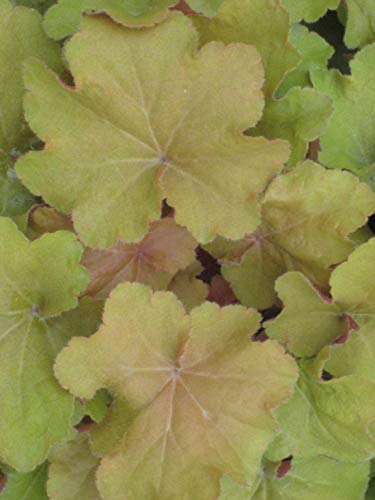
Coral Bells are one of the easiest ways to add long-lasting foliage color to pots, patios, and garden spaces. Their compact size and wide range of colors make them incredibly flexible for small-space gardeners.
With good drainage, steady moisture, and the right light, they are usually very easy to maintain. Once established, they can provide color for years with very little effort.
Whether indoors or outdoors, Heuchera can become one of the most reliable foliage plants in your collection.
Want to transform your indoor space into a lush, thriving haven? These guides will help you master houseplant care with ease.
🌿 Indoor Houseplant Care Guides
- ♻️ Composting Indoors
- 🌳 Rubber Plant Care Indoors
- 🌸 Peace Lily Care Indoors
- 🧀 Swiss Cheese Plant Care
- 🎋 Indoor Bamboo Guide
- 🌱 Vertical Gardening Indoors
- 🌺 Bromeliad Care
- 🥢 Bamboo Plant Indoor Care
- ❤️ Anthurium Care Indoors
- 🌵 How to Grow Succulent Plants
- 🌿 Maidenhair Fern Indoor Care
- See all articles in our Houseplants category