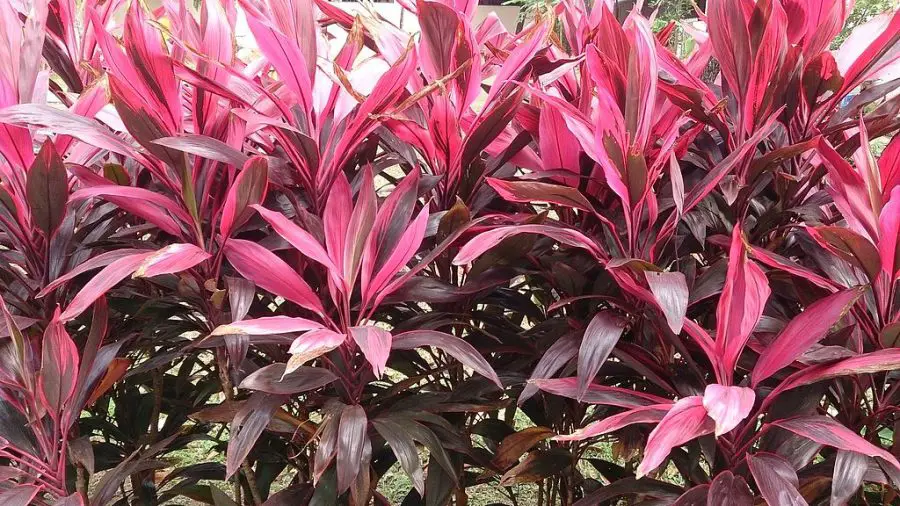
Cordyline Red Sister indoor care is all about strong light, steady warmth, and the right balance of moisture. This colorful tropical plant is grown for its striking burgundy, pink, and red foliage that can instantly brighten an indoor space.
While it looks dramatic, Red Sister is fairly easy to care for once you understand its needs. It likes bright filtered light, rich soil, and consistent watering without staying soggy.
This guide covers everything you need to keep your Cordyline Red Sister healthy indoors, from placement and watering to troubleshooting common problems.
What You’ll Learn
- How much light Cordyline Red Sister needs to keep its color strong
- How often to water without causing root rot
- The best indoor spots for healthy growth
- How to propagate new plants from cuttings
- How to fix browning, drooping, and fading leaves
Find Your Cordyline Red Sister Ti Plant On Amazon
Quick Answer: How Do You Care for Cordyline Red Sister Indoors?
Grow Cordyline Red Sister in bright indirect light, warm temperatures between 65–80°F, and rich well-draining soil. Water when the top inch feels dry, feed during active growth, and keep it away from cold drafts for the best foliage color.
Understanding Cordyline Red Sister

Lets start with understanding Cordyline Red Sister, a charming plant with a fascinating background, unique characteristics, and an array of captivating qualities just waiting to be discovered.
The Roots of Red Sister: Background Information and Origins
This striking plant hails from the Cordyline family, specifically the Cordyline Fruticosa species.
Native to Southeast Asia, the Pacific Islands, and eastern Australia, it has captured the hearts of plant enthusiasts worldwide with its vibrant foliage and tropical charm.
Common Names for Cordyline Red Sister
This gorgeous plant goes by many names, each as charming as the next.
Some of the most popular ones include Good Luck Plant, Ti Plant, Florida Ti Plant, Hawaiian Ti Plant, Palm Lily, Cordyline Fruticosa ‘Red Sister’, Red Sister Cordyline, and Red Sister Hawaiian Ti Plant.
Characteristics of the Plant

This evergreen plant boasts a stunning array of maroon to pinkish leaves, measuring around 12” to 30” inches long and 4” to 6” inches wide.
In ideal conditions, it can grow to an impressive 4’ to 6’ feet tall.
While it rarely blooms indoors, when grown in its natural habitat, it produces tiny, delicate flowers in shades of pink, purple, or white during late spring to early summer.
In rare instances, it even bears fruit that resembles red-colored berries. With such a remarkable appearance, the Red Sister is a true showstopper in any indoor space.
Caring for Your Cordyline Red Sister Indoors

Caring for your Red Sister indoors ensures it remains a stunning centerpiece in your home, showcasing its vibrant foliage for all to admire.
We’ll go into the essential aspects of caring for your Red Sister, from light and temperature requirements to watering, feeding, and more.
Growing Tall and Proud: Size & Growth
The Cordyline Red Sister is an eye-catching plant that can grow between 4′ and 6′ feet tall under ideal conditions.
Its leaves boast vibrant hues of burgundy to pink, measuring about 12″ to 30″ inches long and 4″ to 6″ inches wide.
With its impressive stature and colorful foliage, the Red Sister makes a stunning statement in any indoor space.
A Blooming Rarity: Flowering and Fragrance
While indoor Red Sisters rarely bloom, those growing in their natural habitat produce delicate pink, purple, or white flowers during late spring to early summer.
These tiny, fragrant blossoms grow in clusters and measure about 0.5″ inches wide. In rare cases, the Red Sister may also produce fruit resembling red-colored berries.
Light & Temperature Requirements
To keep your Red Sister’s foliage vibrant, it’s essential to provide it with plenty of bright light.
Southern or eastern sun exposure is ideal, but the plant can also tolerate partial shade.
Be mindful of extreme sun, as direct sunlight may scorch the leaves. When it comes to temperature, the USDA hardiness zones for this plant range from 9 to 12.
Best Indoor Locations for Cordyline Red Sister
Placement has a big impact on color intensity and overall growth. This plant likes bright spaces with steady warmth.
- East-facing windows: Great for morning sun and strong color
- Bright south-facing rooms: Good if filtered from harsh midday sun
- Warm plant corners with bright indirect light: Ideal for tropical-style displays
- Bright offices: Works well if not exposed to dry heat vents
Avoid dark corners or cold drafty areas, especially in winter.
Watering and Feeding
Your Red Sister loves to be hydrated, so regular watering is a must.
However, it’s best to let the soil dry out slightly before each watering to prevent overwatering.
To keep your plant nourished, feed indoor plants with a half-strength liquid fertilizer every three months, while outdoor plants will benefit from slow-release fertilizers.
Soil & Transplanting
Although the Red Sister can tolerate poor and dry soil conditions, it prefers a well-draining, rich potting mix.
To ensure optimal growth, re-pot the plant every three to four years, upgrading to a slightly larger pot each time.
Additionally, replace the top layer of soil annually to provide the necessary nutrients for your thriving plant.
A Well-Groomed Beauty: Grooming and Maintenance
The Red Sister requires occasional maintenance to keep its foliage looking fresh and glossy.
Provide some humidity for extra shine, but avoid overhead watering, as it can lead to leaf diseases.
Be sure to protect your plant from freezing temperatures, and wait until new growth emerges in spring before trimming any cold-damaged stems.
Propagating Cordyline Red Sister

In this section, we’ll explore the process of propagating your Red Sister, making it easy for you to multiply the beauty of this vibrant plant.
Propagation Methods – Seeds and Stem Cuttings
There are two primary methods for propagating your Cordyline Red Sister: using seeds and stem cuttings.
Both methods have their perks, so choose the one that suits your needs and comfort level.
Tips for Successful Propagation
To ensure a thriving propagation, follow these helpful tips:
Propagating from Seeds:
• Soak the seeds in warm water for around ten minutes before sowing.
• Expect the germination process to take about one to three months.
• Once seedlings are large enough to handle, plant them in individual pots.
• Regularly water the seedlings, and when they’re about 4″ inches tall, transplant them to their permanent positions.
Propagating from Stem Cuttings:
• Select a mature plant and take a cutting just below the head, ensuring it’s at least 3″ to 5″ inches long.
• For tip cuttings, remove the bottom leaves and dip the stem in rooting hormone powder.
• Plant tips in well-draining potting soil, burying bare stems 1″ inch deep.
• Place the plant in a shaded location and keep the soil moist until a strong root system develops.
• Once roots form, transfer each cutting to its own pot.
By following these tips, you’ll be well on your way to successful Cordyline Red Sister propagation, spreading the tropical beauty throughout your home or sharing it with friends and family. Happy propagating!
What “the head” means:
In the context of plant propagation, “the head” refers to the top part or the apex of the plant, where new growth and leaves emerge.
When taking a stem cutting from a Cordyline Red Sister, you would want to make the cut just below this topmost section of the plant.
This helps ensure that you have a healthy and viable cutting for successful propagation.
Dealing with Pests and Diseases

As with any plant, your Cordyline Red Sister might encounter some pesky pests or diseases along the way.
From identifying symptoms to using natural remedies, we’ve got you covered in keeping your tropical beauty healthy and happy.
Pesky Invaders: Common Pests and How to Treat Them
Some common pests that may affect your Cordyline Red Sister include mealybugs, scales, and spider mites.
To combat these unwelcome visitors, spray the upper and lower surfaces of the leaves with insecticidal soap or organic Neem oil.
Neem oil is a versatile, natural organic insecticide that helps control various pests, and it can even be used as a soil drench.
Spotting Trouble: Recognizing and Treating Plant Diseases
Leaf spot, root and stem rot, and bacterial leaf infections are a few diseases that may plague your Red Sister.
Unfortunately, if the plant develops a bacterial infection, there isn’t much you can do to save it, and it’s best to discard it immediately. Some signs of infection include:
• Black roots
• Slimy, wet leaves
• Stem or leaf spot with purple, red-brown, or tan spots
For blight diseases and leaf spots, treat the plant with a natural houseplant fungicide like Neem oil.
Remember to spray the plant during the evening or morning hours to avoid leaf burn.
Cordyline Red Sister Troubleshooting
Why are my Cordyline leaves turning brown?
Brown tips usually mean dry air, inconsistent watering, or fluoride buildup from tap water. Distilled water can help if this keeps happening.
Why are the leaves fading?
Faded color often means the plant is not getting enough light. Move it to a brighter location.
Why is my Cordyline drooping?
Drooping usually points to watering stress, either too much or too little. Check the soil before watering again.
Why are the lower leaves falling off?
Some lower leaf drop is normal as the plant matures, but heavy leaf loss can signal stress from poor light or root problems.
Why is my plant growing slowly?
Slow growth is usually tied to low light, cool temperatures, or depleted soil nutrients.
Green Thumb Wisdom: Tips for Maintaining a Healthy Plant
To keep your Cordyline Red Sister healthy and robust, follow these guidelines:
• Provide proper lighting and temperature conditions.
• Water and feed your plant regularly, following the recommended guidelines.
• Ensure the plant is planted in well-draining soil, and transplant as needed.
• Keep an eye out for pests and diseases, treating them promptly when detected.
• Perform regular grooming and maintenance to ensure a clean, thriving plant.
By following these tips, you can ensure that your Cordyline Red Sister stays healthy, vibrant, and pest-free, making it a stunning addition to your indoor space.
Continue Exploring Tropical Houseplants
Toxicity and Safety

While the Cordyline Red Sister adds a touch of tropical beauty to your indoor space, it’s essential to be aware of its toxicity to keep our furry friends safe.
In this section, we’ll discuss the potential hazards of the plant and offer some tips to ensure both your Red Sister and your beloved pets can coexist peacefully.
Toxicity to Pets
The Cordyline Red Sister is known to be toxic for dogs and cats if ingested.
If your pet consumes any part of the plant, it may experience symptoms such as vomiting, drooling, or irritation in the mouth, among others.
In severe cases, it’s crucial to contact your veterinarian for proper treatment and care.
Safety First: Precautions for Pet Owners
As a responsible pet owner, it’s essential to take some precautions when introducing a Cordyline Red Sister into your home:
Place the plant out of reach: Position your Red Sister in an area that’s inaccessible to your pets, such as on a high shelf or in a room where pets are not allowed.
Educate family members: Make sure everyone in your household is aware of the plant’s toxicity and takes necessary precautions to keep pets safe.
Monitor your pets: Keep an eye on your pets, especially when they’re around the plant, to prevent any accidental ingestion.
Know the signs of poisoning: Familiarize yourself with the symptoms of plant toxicity in pets, so you can take swift action if needed.
By following these precautions, you can enjoy the stunning beauty of your Cordyline Red Sister while ensuring the safety and well-being of your beloved pets.
Feng Shui and Good Luck Properties
Feng Shui specialists believe that the Cordyline Red Sister, also known as the Good Luck Plant, can bring good fortune to its owner.
Its vibrant colors and unique appearance are thought to attract positive energy, making it an excellent addition to your living space.
By incorporating the Red Sister into your home or garden, you may benefit not only from its aesthetic appeal but also from the positive vibes it is believed to bring.
Cordyline Red Sister Care FAQs
How often should I water Cordyline Red Sister?
Water when the top inch of soil feels dry. This usually means every 7 to 10 days indoors, depending on light and temperature.
Does Cordyline Red Sister need humidity?
It appreciates moderate humidity, but normal indoor humidity usually works if watering is consistent.
Can Cordyline Red Sister take direct sun?
A little morning sun is fine, but strong direct afternoon sun can scorch the leaves.
Is Cordyline Red Sister toxic to pets?
Yes. It can cause digestive upset if chewed by cats or dogs, so keep it out of reach.
How big does Cordyline Red Sister get indoors?
Indoors, it usually reaches 3 to 6 feet tall depending on pot size, light, and age.
Cordyline Red Sister Final Thoughts
Cordyline Red Sister is one of those plants that can completely change the feel of a room with its bold tropical color. The good news is it does not need complicated care to stay healthy.
Focus on bright light, warm temperatures, and steady watering, and you will usually keep its foliage looking strong and vibrant.
Once established, it becomes a reliable statement plant that adds long-lasting color to your indoor garden.
Find Your Cordyline Red Sister Ti Plant On Amazon
Want to transform your indoor space into a lush, thriving haven? These guides will help you master houseplant care with ease.
🌿 Indoor Houseplant Care Guides
- ♻️ Composting Indoors
- 🌳 Rubber Plant Care Indoors
- 🌸 Peace Lily Care Indoors
- 🧀 Swiss Cheese Plant Care
- 🎋 Indoor Bamboo Guide
- 🌱 Vertical Gardening Indoors
- 🌺 Bromeliad Care
- 🥢 Bamboo Plant Indoor Care
- ❤️ Anthurium Care Indoors
- 🌵 How to Grow Succulent Plants
- 🌿 Maidenhair Fern Indoor Care
- See all articles in our Houseplants category