
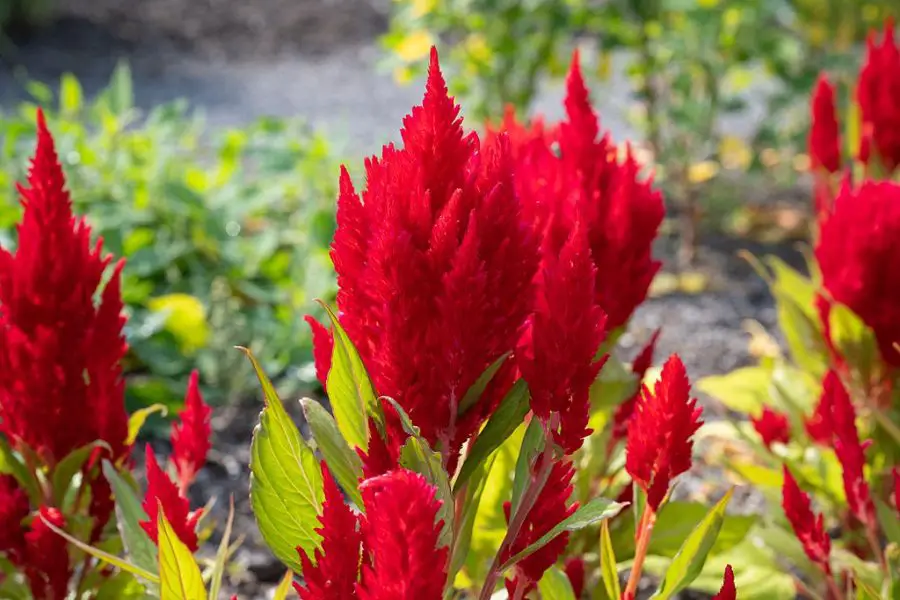
Celosia Dragon’s Breath care indoors is all about strong light, warm temperatures, and consistent watering without soggy soil. Known for its fiery red plumes and deep maroon foliage, this bold plant brings a dramatic splash of color to indoor spaces.
While often grown outdoors as a seasonal annual, Dragon’s Breath Celosia can live much longer indoors when kept warm and given enough light. In the right setup, it can act more like a tender perennial and continue producing its eye-catching blooms.
In this guide, you’ll learn how to grow Celosia Dragon’s Breath indoors, including light, watering, soil, pruning, propagation, and how to solve common problems before they slow your plant down.
What You’ll Learn 🌺
- ☀️ How much light Celosia Dragon’s Breath needs indoors
- 💧 How to water without causing root rot
- 🪴 The best soil and pot setup for healthy roots
- ✂️ How to prune for fuller growth and more blooms
- 🌱 How to propagate from seeds or cuttings
- ⚠️ Common problems and how to fix them
Quick Answer 🌿
Celosia Dragon’s Breath grows best indoors in bright light, warm temperatures, and evenly moist soil with good drainage. Give it at least 6 hours of strong light, allow the top inch of soil to dry slightly between watering, and feed monthly during active growth.
Overview of Celosia Dragon’s Breath Plant
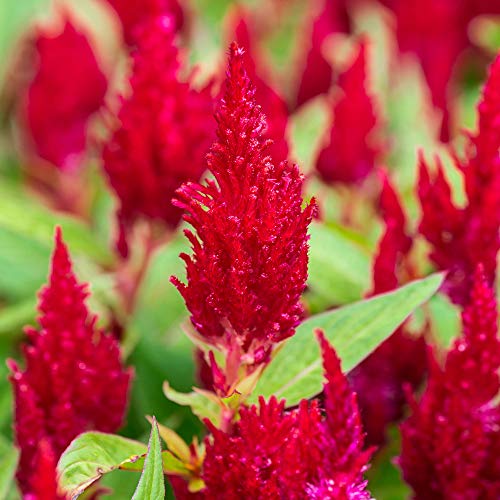
Celosia Dragon’s Breath is an annual plant that belongs to the amaranth family, Amaranthaceae.
This plant is highly valued for its beautiful and exotic appearance, featuring bright red plumes that resemble flames.
The plant is relatively easy to grow and is a popular choice among gardeners, especially for bedding and container gardening.
With the proper care and attention, the Celosia Dragon’s Breath plant can thrive both indoors and outdoors.
Common Names for Celosia Dragon’s Breath Plant
The Celosia ‘Dragon’s Breath’ plant is a cultivar of the Celosia genus, known for its striking appearance and vibrant colors.
This plant goes by a few different common names, including:
• Dragon’s Breath Celosia
• Dragon’s Breath Cockscomb
• Dragon’s Breath Plumed Celosia
• Red Plumed Celosia
• Flame Flower
• Woolflower
However, it is most commonly referred to as Dragon’s Breath due to its fiery red foliage and unique plume-like flowers that resemble the fiery breath of a mythical dragon.
Is Celosia A Perennial?
Celosia is a tender perennial. In areas where it freezes, it is grown as an annual. Indoors it is a tender perennial and can live for several years.
Cock’s comb is a genus of annual or tender perennial plants in the Amaranthaceae (pigweed) family. https://plants.ces.ncsu.edu/plants/celosia/
Celosias are one of the most eye-catching annuals to grow in the garden. Technically speaking, however, they are tender annuals, as they are perennial in Zones 10 to 12. https://aggie-hort.tamu.edu/newsletters/hortupdate/hortupdate_archives/2006/apr06/Celosia.html
So just to set the record straight if you are growing Celosia indoors it is perennial and will produce blooms for several years.
Ideal plant size for indoor growth:
When growing Celosia Dragon’s Breath plants indoors, it’s essential to consider the plant’s size.
These plants can grow up to 3 feet tall, so it’s crucial to choose the right size pot to keep them at a manageable size.
A 6-inch pot is suitable for a young plant, and as the plant grows, it can be repotted into a 10- or 12-inch pot.
Keeping the plant at a manageable size will also help ensure that it receives enough light and water.
Best Indoor Locations For Celosia Dragon’s Breath
Placement matters because Celosia needs strong light and warmth to keep blooming well indoors.
South-Facing Windows
The best spot for maximum sun and flower production.
West-Facing Windows
A strong option for afternoon light and warmth.
Sunrooms
Perfect for long light exposure and stable temperatures.
Under Grow Lights
A great option if natural light is limited, especially in winter.
Watering Requirements For Indoor Growth:
Celosia Dragon’s Breath plants need consistent moisture to grow and thrive.
However, they don’t like to be overwatered, so it’s important to find the right balance.
Water the plant thoroughly when the top inch of soil is dry, and make sure the pot has proper drainage.
During the winter months, when indoor air is drier, you may need to water the plant more frequently to prevent it from drying out.
Best Soil For Celosia Dragon’s Breath
Celosia grows best in loose, well-draining soil that holds moisture without staying soggy. A mix of 70% coco coir and 30% perlite works very well for indoor pots.
Coco coir helps hold steady moisture while perlite improves drainage and airflow around the roots. Always use pots with drainage holes to avoid root rot.
Optimal Light Conditions

Proper lighting is crucial for the growth and development of Celosia Dragon’s Breath indoors.
Outdoors these plants thrive in full sunlight and require at least six hours of direct sunlight each day to grow to their full potential.
However, they can also adapt to lower light conditions, making them suitable for indoor growing.
When growing Celosia Dragon’s Breath indoors, it’s important to place them in a location that receives bright, indirect sunlight.
East- and west-facing windows are ideal, as they provide ample sunlight without the harsh direct rays of the midday sun.
If your home doesn’t have access to sufficient natural light, you can also use artificial grow lights to supplement your plants’ needs.
LED grow lights are a great option for indoor growing, as they produce full-spectrum light that mimics natural sunlight.
Place the grow light approximately 12 -24 inches above the plant, and keep it on for 14-16 hours each day.
The exact distance depends on the strength of the light. Follow the manufacturer’s instructions.
Remember to monitor your plants closely, as too much or too little light can have adverse effects on their growth.
If your plant is receiving too much light, its leaves may become scorched or yellowed.
Conversely, if it’s not receiving enough light, its growth may become stunted, and its leaves may turn pale or droop.
Fertilizing, Temperature, and Humidity
In this section, we’ll explore the importance of fertilizing, and maintaining proper temperature, and humidity levels for your indoor Celosia Dragon’s Breath plant.
With these tips, you can keep your plant healthy and thriving all year round. So let’s dive in!
Fertilizer requirements for strong growth and flower production
Proper fertilization is crucial to the growth and flowering of Celosia Dragon’s Breath plants.
Fertilizers should contain a balanced blend of essential nutrients such as nitrogen, phosphorus, and potassium.
A slow-release fertilizer is a great option for indoor growth since it gradually releases nutrients over time.
Liquid fertilizers can also be used, but it’s important not to over-fertilize, as this can lead to burnt foliage and stunted growth.
Temperature and humidity requirements
Temperature and humidity play a crucial role in the growth and health of Celosia Dragon’s Breath plants.
These plants thrive in warm and humid weather with temperatures ranging from 60 to 80 degrees Fahrenheit.
They can also tolerate cooler night temperatures, but not frost.
It can handle average indoor humidity (around 40–60%) without special misting or humidifiers
How to maintain stable temperature and humidity levels
Maintaining stable temperature and humidity levels is critical for the health of your Celosia Dragon’s Breath plant.
To ensure proper temperature, keep your plant in a warm and sunny location, away from cold drafts or air conditioning.
Use a humidifier or place a tray of water near the plant to increase humidity levels.
You can also mist the leaves regularly to maintain proper moisture levels.
If the air is too dry, the plant may suffer from leaf drop and stunted growth.
Pruning And Repotting Celosia Dragon’s Breath

In this section, we’ll cover everything you need to know about pruning and repotting your Celosia Dragon’s Breath plant, including when to do it and the best techniques to use.
How to prune for a bushier plant and more flower production:
Pruning is an essential aspect of Celosia Dragon’s Breath care.
Regular pruning will promote bushier growth and stimulate more flower production.
Prune your plant after it has finished blooming and when it reaches a height of 8-10 inches.
Use a pair of clean and sharp pruning shears to cut the stems back to 4-6 inches from the base of the plant.
This will encourage new growth and a fuller appearance.
When and how to repot:
Repotting is an important part of celosia dragon’s breath care as the plant can outgrow its pot and become root-bound.
When you notice that the roots are coming out of the drainage holes or the soil is dry again soon after watering, or drains quickly it’s time to repot.
• Choose a pot that’s one size larger than the current one and use a well-draining soil mix.
• Gently remove the plant from its current pot, being careful not to damage the roots.
• Place the plant in the new pot and fill in the gaps with fresh soil.
• Water thoroughly and place the plant in a location with bright, indirect light.
Propagation, Pests, and Diseases

Propagating Celosia Dragon’s Breath: Seeds or Cuttings
Celosia Dragon’s Breath is a stunning and vibrant plant that can be propagated through two methods: seeds and cuttings.
Propagation Method 1: Seeds
Seed preparation:
Soak your Celosia Dragon’s Breath seeds in lukewarm water for 4-6 hours to soften the seed coat and promote germination.
Sowing seeds:
• Start your seeds indoors 6-8 weeks before the last expected frost date.
• Fill seed trays or small pots with a well-draining, seed-starting mix.
• Place the seeds on the surface, then lightly cover them with a thin layer of soil (about 1/8 inch deep).
• Gently mist the soil to keep it moist.
Germination:
Place the seed trays or pots in a warm, well-lit area with a temperature of around 70-75°F (21-24°C).
Keep the soil consistently moist but not waterlogged. Germination should occur within 10-14 days.
Transplanting seedlings:
After the seedlings develop at least two sets of true leaves and outdoor temperatures are consistently above 50°F (10°C), they are ready to be transplanted.
Acclimate your seedlings to outdoor conditions by gradually increasing their exposure over a week.
Then, plant them in a location with well-draining soil and full sun exposure, spacing them about 12-18 inches apart.
Propagation Method 2: Cuttings
Taking cuttings:
Select healthy, vigorous stems with at least 3-4 sets of leaves.
Use a sharp, clean pair of scissors or pruning shears to cut a 4-6 inch section just below a leaf node.
Preparing the cuttings:
Remove the lower leaves from the cutting, leaving only the top 2-3 sets of leaves.
Optionally, dip the cut end in a rooting hormone to encourage faster root development.
Planting the cuttings:
Fill small pots or containers with a well-draining, moistened potting mix.
Create a hole in the soil using a pencil or your finger, and insert the cut end of the cutting into the hole.
Gently press the soil around the cutting to secure it in place.
Rooting the cuttings:
Cover the pot with a clear plastic bag or place it in a propagator to maintain high humidity.
Place the pot in a warm, bright location with indirect sunlight. Keep the soil consistently moist but not soggy.
Monitoring root development:
Roots should begin to form within 2-4 weeks. Gently tug on the cutting after this time; if you feel resistance, it is likely that roots have developed.
Transplanting rooted cuttings:
Once the cuttings have developed a healthy root system, transplant them into larger pots or directly into the garden, following the same guidelines as for seedlings in terms of spacing, sunlight, and soil conditions.
Whether you choose to propagate your Celosia Dragon’s Breath through seeds or cuttings, both methods can be successful with proper care and attention.
Troubleshooting Celosia Dragon’s Breath Problems
Yellow leaves
Usually caused by overwatering or poor drainage.
Drooping stems
Often a sign of dry soil or sudden heat stress.
Weak flowering
This usually points to low light or underfeeding.
Brown leaf edges
Can be caused by dry air, inconsistent watering, or fertilizer burn.
Pests
Spider mites, aphids, and whiteflies are the most common. Catch them early for easier control.
How To Treat Celosia Pests and Diseases

If pests or disease show up, quick action can keep Celosia Dragon’s Breath healthy. Most issues are easy to manage when caught early and usually start with stressed plants, overwatering, or poor airflow.
Treating Pests and Diseases in Celosia Dragon’s Breath
Celosia Dragon’s Breath can be affected by various pests and diseases that can weaken the plant and make it susceptible to further damage.
Pest Control: Aphids, spider mites, and whiteflies:
These insects feed on the plant’s sap, weaken it, and make it susceptible to diseases.
To treat infestations, follow these steps:
• Inspect your plant regularly and remove any visible pests by hand or with a blast of water from a hose.
• Use insecticidal soap or neem oil as a natural, eco-friendly solution to treat infestations. Follow the manufacturer’s instructions for proper application rates and timing.
• Introduce beneficial insects like ladybugs, lacewings, or predatory mites that feed on these pests and help maintain a balanced ecosystem in your garden.
Disease Control: Powdery mildew, Root rot, Bacterial leaf spot
This fungal disease appears as a white, powdery substance on the leaves and stems of the plant.
To treat powdery mildew:
• Remove affected leaves and dispose of them properly to prevent the spread of the fungus.
• Improve air circulation around your plants by spacing them correctly and pruning to promote a more open growth habit.
• Apply a fungicide specifically designed for powdery mildew, following the manufacturer’s instructions for application rates and timing.
Root rot:
Root rot is caused by fungi that thrive in overly moist or poorly drained soil.
To treat and prevent root rot:
• Ensure your plant is growing in well-draining soil and avoid overwatering.
• Remove affected plants and dispose of them properly to prevent the spread of the fungus.
• Use a fungicide specifically designed for root rot, following the manufacturer’s instructions for application rates and timing.
Bacterial leaf spot:
This disease manifests as small, water-soaked spots on the leaves, which can enlarge and turn dark brown or black.
To treat bacterial leaf spot:
• Remove affected leaves and dispose of them properly to prevent the spread of the bacteria.
• Avoid overhead watering, as wet foliage can promote the spread of the disease.
• Apply a copper-based fungicide or bactericide, following the manufacturer’s instructions for application rates and timing.
Winter Care for Celosia Dragon’s Breath

In this section, we’ll explore how to care for your Celosia Dragon’s Breath during the winter season.
Preparing for the First Frost:
Are you growing Celosia outdoors in pots?
As the cooler months approach, it’s important to prepare your Celosia Dragon’s Breath plant for bringing it indoors.
Although Celosia is a tender annual where it freezes you can extend its season by bringing it indoors before frost.
If properly cared for, it can live for several months or more indoors, providing you with long-lasting beauty and vibrant color.
You could also start new indoor plants in the fall by taking cuttings or sowing seeds.
Maintaining Glory During Cooler Months:

Even during the cooler months, your Celosia Dragon’s Breath can still add a magnificent presence to your indoor garden.
To keep your plant healthy and thriving during this time, it’s important to pay attention to its needs for light, water, and fertilizer.
Celosia Dragon’s Breath is often grown as an annual plant, which means that it completes its lifecycle in one growing season and will not come back the following year if it freezes.
But if you grow it indoors in pots it can last several years. If you grow it outdoors in pots be prepared to bring them indoors.
It may not act the same as a totally indoor-grown Celosia if you bring it in during the fall.
You should at least be able to extend its life a bit. It depends on how much cold it experienced while it was outdoors.
So you can start new plants every 6 months to always have them blooming indoors.
With the right conditions, this plant can thrive and produce stunning blooms for months on end, making it a great choice for indoor gardening enthusiasts.
FAQ

Celosia Dragon’s Breath FAQs
Can Celosia Dragon’s Breath grow indoors?
Yes. With enough light and warmth, it can grow well indoors and often live longer than it would outdoors in colder climates.
Is Celosia Dragon’s Breath a perennial?
Indoors it can behave like a tender perennial, but outdoors it is usually grown as an annual in cold regions.
How much light does Dragon’s Breath need?
At least 6 hours of strong light daily for the best growth and flowering.
How often should I water Celosia?
Water when the top inch of soil feels dry. Keep the soil evenly moist but not soggy.
Is Celosia Dragon’s Breath pet safe?
Yes, Celosia is generally considered non-toxic to pets.
Conclusion

Final Thoughts: Celosia Dragon’s Breath Care Indoors
Celosia Dragon’s Breath is one of the boldest flowering plants you can grow indoors. Its fiery plumes and rich foliage make it stand out from typical green houseplants.
The biggest keys to success are strong light, steady warmth, and consistent watering without overdoing it. When those basics are in place, this plant can reward you with long-lasting color and steady growth.
If you want an indoor plant with dramatic color and a tropical look, Dragon’s Breath is a fun and rewarding choice.
Want to transform your indoor space into a lush, thriving haven? These guides will help you master houseplant care with ease.
🌿 Indoor Houseplant Care Guides
- ♻️ Composting Indoors
- 🌳 Rubber Plant Care Indoors
- 🌸 Peace Lily Care Indoors
- 🧀 Swiss Cheese Plant Care
- 🎋 Indoor Bamboo Guide
- 🌱 Vertical Gardening Indoors
- 🌺 Bromeliad Care
- 🥢 Bamboo Plant Indoor Care
- ❤️ Anthurium Care Indoors
- 🌵 How to Grow Succulent Plants
- 🌿 Maidenhair Fern Indoor Care
- See all articles in our Houseplants category