
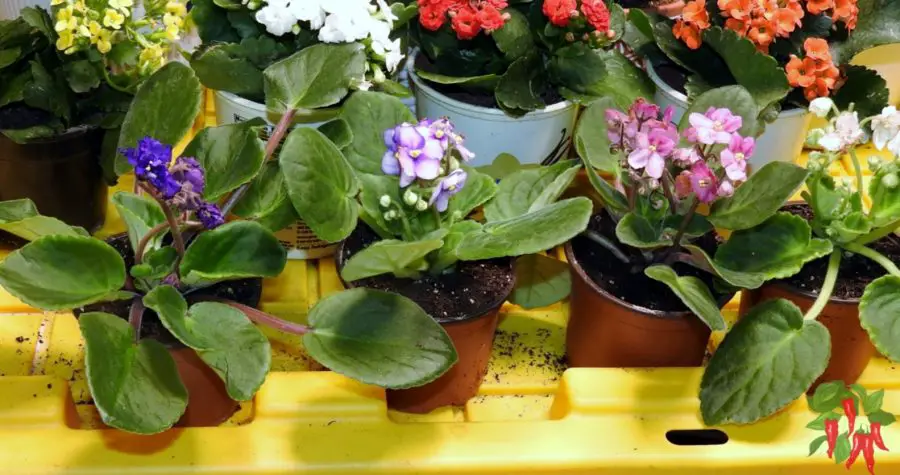
Best Indoor Houseplants for Beginners
Starting your first indoor garden should feel fun, not intimidating. That’s why choosing the Best Indoor Houseplants for Beginners is such a game-changer.
You don’t need tons of experience, perfect light, or a natural “green thumb” to grow a thriving indoor jungle — you just need the right plants and a few simple routines.
In this guide, we’ll walk through the easiest houseplants for beginners, how to pick the right ones for your home, and the simple habits that help them grow.
Whether you’ve killed a few plants before or you’re starting completely fresh, you’re about to learn the stress-free way to keep indoor plants happy.
What You’ll Learn 🌿
- 🌱 The easiest indoor houseplants for total beginners
- 🌞 How to match plants to your home’s natural light
- 💧 Low-stress watering habits that prevent root rot
- 🪴 The best pots, soils, and starter setups
- 🚫 Common beginner mistakes and how to avoid them
- 🗓️ A 30-day routine to help new plants settle in
Starting your first indoor garden should feel fun, not intimidating. Choosing the Best Indoor Houseplants for Beginners makes all the difference.
If you’re curious about why indoor plants make life better, you can also explore the benefits of keeping indoor plants.
Why Indoor Plants Are Perfect for Beginners
Indoor plants aren’t just decorations — they give your home a little life, movement, and calm.
Research continues to show that caring for plants reduces stress, supports focus, and boosts overall well-being.
And the best part? You can experience all of that with just one or two easy plants.
If you’re new to houseplants, here’s why starting indoors is such a smart move:
- 🌿 You control the environment — temperature, water, and placement
- 🌞 No harsh sun, drought, storms, or pests like outdoors
- 🏡 Perfect for small apartments or rooms with limited space
- 💧 Many indoor plants thrive with very little water
- 🌱 You can grow plants year-round with consistent conditions
Now let’s jump into the fun part — the beginner houseplants that almost always thrive.
Best Indoor Houseplants for Beginners 🌱
These plants were chosen for their durability, forgiving nature, and ability to handle real-life conditions like low light, dry air, and occasional forgetfulness.
1. Snake Plant (Sansevieria)
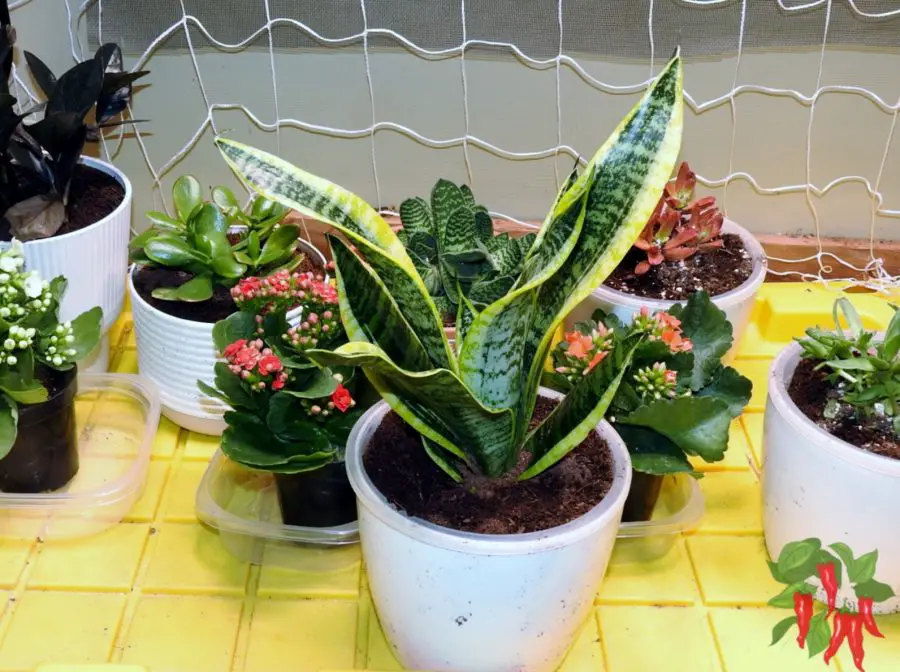
If there was a trophy for “hardest plant to kill,” the Snake Plant would win. It handles low light, dry soil, and being ignored for weeks at a time.
- 🌞 Light: Low to bright indirect
- 💧 Water: Every 2–3 weeks
- 🪴 Why it’s great: Nearly indestructible and great for dark corners
If you want something equally tough but more sculptural, check out our guide on Black Raven ZZ Plants, another favorite for low-light homes.
2. ZZ Plant (Zamioculcas zamiifolia)
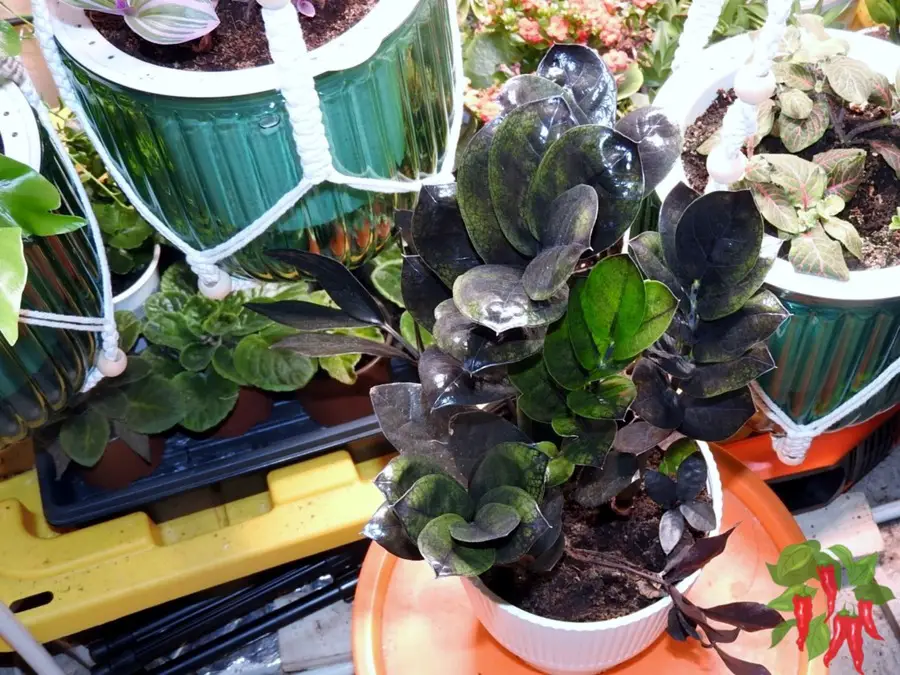
Glossy, sculptural, and incredibly resilient, the ZZ plant thrives where most plants struggle. If your home is dim, this is your plant.
- 🌞 Light: Low to medium
- 💧 Water: Monthly or when dry
- 👍 Why beginners love it: Handles neglect like a pro
3. Pothos (Epipremnum aureum)
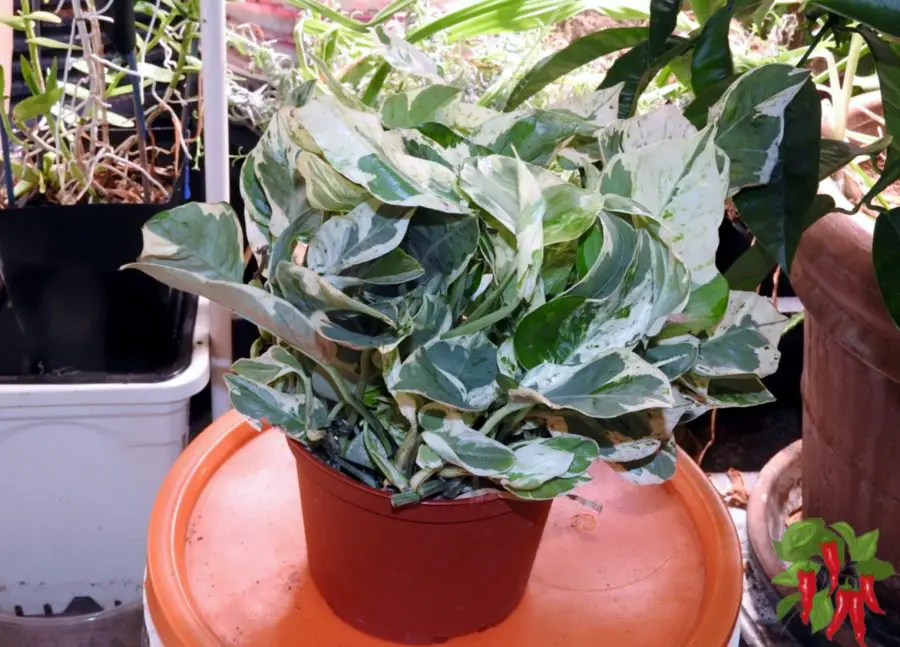
Pothos grows fast, trails beautifully, and tolerates just about every care mistake a beginner can make. Perfect for shelves or hanging baskets.
- 🌞 Light: Low to bright indirect
- 💧 Water: Every 7–10 days
- 🏡 Great for: Bathrooms, bedrooms, and offices
Pothos is one of the fastest-growing indoor vines and a great choice if you’re building your first plant shelf.
You can also pair it with easy pillars like Indoor Palm Trees for a fuller look.
4. Spider Plant (Chlorophytum comosum)

This cheerful plant sends out little “baby plants” you can root and share. It’s adaptable and extremely beginner-friendly.
- 🌞 Light: Medium to bright
- 💧 Water: Weekly
- 🐾 Bonus: Pet-safe!
If you’re decorating a pet-friendly home, this is one of the best options. For more ideas, check out our full guide on pet-safe indoor plants for small spaces.
5. Peace Lily (Spathiphyllum)
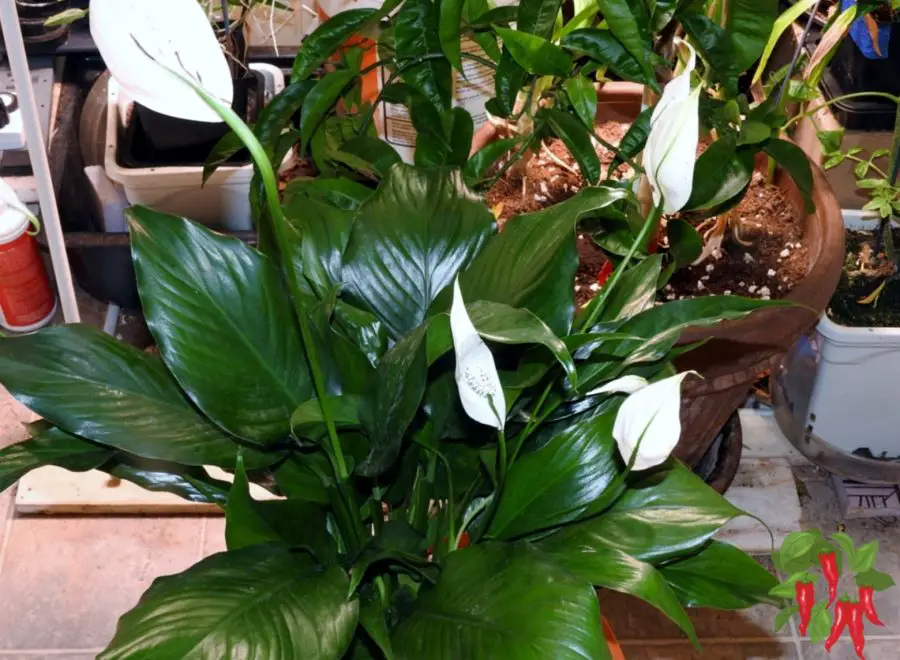
One of the easiest flowering plants for beginners. Peace Lilies are dramatic — they droop when thirsty, then perk up after watering.
- 🌞 Light: Medium, no direct sun
- 💧 Water: Weekly
- 🌸 Why beginners love it: Gorgeous white blooms + watering signal
6. Chinese Evergreen (Aglaonema)
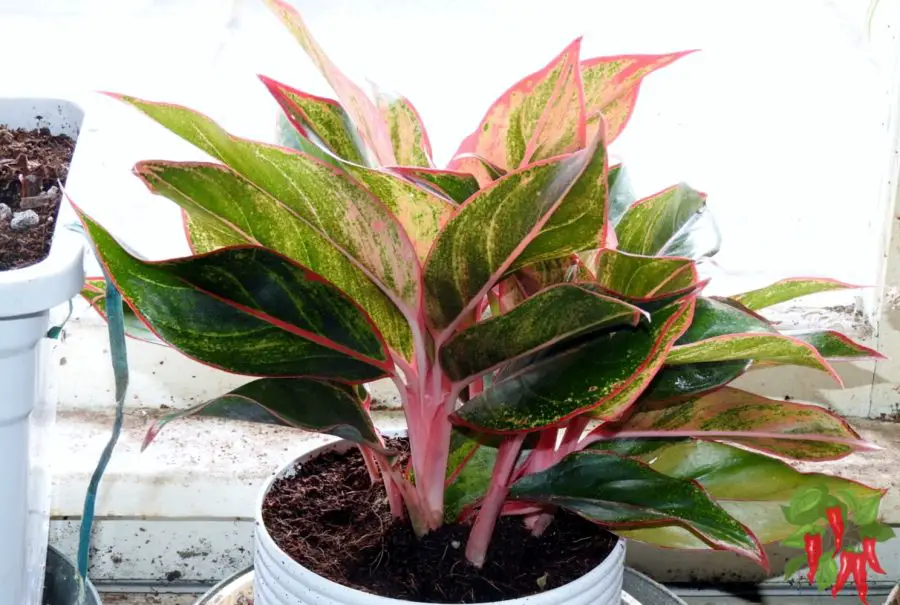
Aglaonema comes in beautiful patterns and colors and grows well even in low-light corners. One of the most forgiving foliage plants.
- 🌞 Light: Low to medium
- 💧 Water: Every 10–14 days
- 🎨 Why it’s great: Colorful leaves with minimal effort
If you love colorful foliage, Chinese Evergreen is a great start — and if you want something a little more tropical, we’ve got a full beginner guide on Bromeliad care.
7. Cast Iron Plant (Aspidistra elatior)
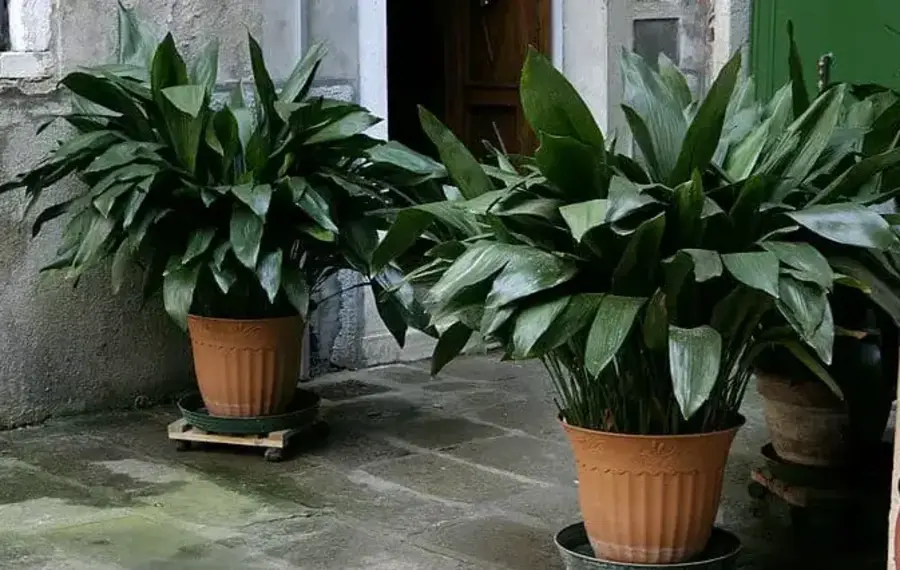
A slow-growing but ultra-tough plant that survives low light, dry soil, and irregular watering.
- 🌞 Light: Low
- 💧 Water: Every 2 weeks
- 🛡️ Why beginners love it: Practically indestructible
8. Jade Plant (Crassula ovata)
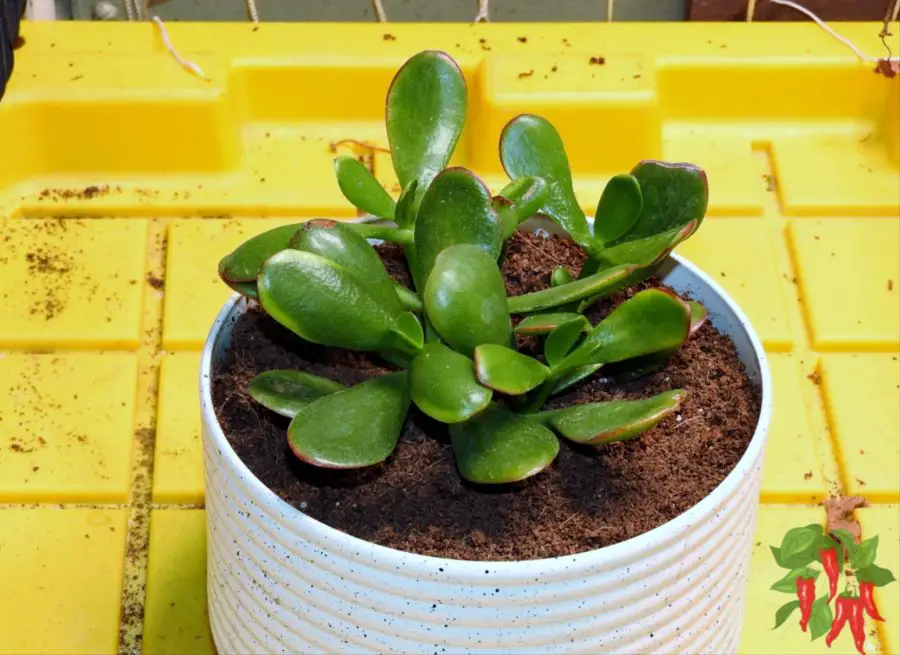
This thick-leaved succulent grows into a small tree over time. Perfect for bright windowsills and sunny kitchens.
- 🌞 Light: Bright
- 💧 Water: Every 2–3 weeks
- 🌱 Great for: Anyone who forgets to water
As a bonus, Jade Plants are part of the succulent family. If you’re thinking of expanding into beginner-friendly succulents, don’t miss our guide on How to Grow Succulent Plants.
9. Philodendron (Heartleaf Type)
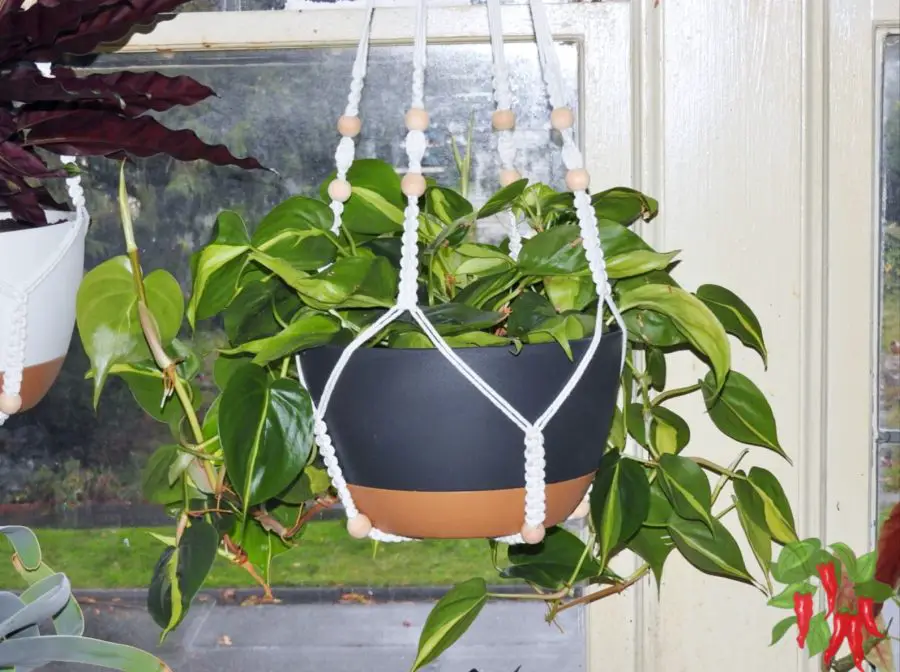
Soft, heart-shaped leaves and trailing vines make this plant perfect for beginners wanting a lush, fast-growing plant.
- 🌞 Light: Medium to bright indirect
- 💧 Water: Every 7–10 days
- 💚 Why it’s great: Handles low humidity and minimal fuss
10. Aloe Vera

A classic succulent with healing gel and super low maintenance needs. A great starter plant for sunny spots.
- 🌞 Light: Bright light
- 💧 Water: Every 3 weeks
- 🌿 Bonus: Useful for minor burns and cuts
11. Rubber Plant (Ficus elastica)

With bold, shiny leaves and a sturdy structure, the Rubber Plant adds a big statement without adding big difficulty.
- 🌞 Light: Medium to bright
- 💧 Water: Every 10–14 days
- 🏡 Great for: Living rooms and bedrooms
Rubber plants are popular with beginners because they look impressive with very little maintenance, similar to many plants on our indoor benefits list.
12. Parlor Palm (Chamaedorea elegans)

A classic Victorian-era houseplant still loved today for its feathery leaves and easygoing nature.
- 🌞 Light: Low to medium
- 💧 Water: Weekly
- 🌴 Why beginners love it: Easy, graceful, and pet-safe
How to Choose the Right Beginner Plant
Picking your first plant is easier when you match it to your space and lifestyle. Here’s a quick guide:
- 💡 Low-light home: ZZ Plant, Snake Plant, Cast Iron Plant
- 💧 If you forget to water: Jade Plant, Aloe, Pothos
- 🐾 Pet-friendly homes: Spider Plant, Parlor Palm
- 🌸 Want flowers? Peace Lily
Beginner’s Guide to Light
Light is the #1 factor that determines whether your plant thrives. Thankfully, most beginner plants are flexible. Here’s a quick overview:
- 🌞 Bright indirect light: Near windows but not in harsh sun (most plants love this)
- 🌤️ Medium light: Back from windows or filtered by blinds
- 🌥️ Low light: Rooms with limited windows — great for ZZ or Snake Plants
If your room feels dark most of the day, consider a simple LED grow light. Even a small bar light can dramatically improve plant health.
If your home doesn’t get much sun, adding a small grow light can make a huge difference.
We cover this more in our guide on using grow tent lighting, even if you’re not growing vegetables.
Beginner’s Guide to Watering
Most plant problems come from overwatering, not underwatering. Here’s the easiest watering method for beginners:
- Stick your finger 1–2 inches into the soil.
- If it feels dry, water slowly until water drains out the bottom.
- Empty the saucer so roots never sit in water.
Remember: almost all beginner plants prefer slightly dry soil over constantly wet soil.
Some plants, like ferns, prefer slightly more moisture. If you’re interested in humidity-loving plants, check out our Indoor Ferns Care guide.
Choosing Pots & Soil
The right pot and soil make your life much easier:
- 🪴 Use pots with drainage holes — this prevents root rot
- 🌱 Use a high-quality indoor potting mix
- 🏺 Terra cotta pots help prevent overwatering
- 🧪 Avoid heavy garden soil — it compacts indoors
If you’re curious about upgrading your soil or using organic mixes, our pillar on how to start composting at home can really boost plant health.
Beginner Mistakes to Avoid 🚫
- Overwatering — the #1 beginner mistake
- Placing plants too far from windows
- Repotting immediately after buying
- Ignoring pests — check leaves weekly
- Using fertilizer too soon
Pests can sneak in on store-bought plants. If that happens, our guide to eco-friendly indoor pest control will help you treat them safely.
Your 30-Day Beginner Plant Routine 🗓️
- Day 1: Place in bright, indirect light
- Day 7: Check soil moisture and wipe leaves
- Day 14: Rotate the pot 180 degrees
- Day 21: Inspect for pests
- Day 30: Add a mild fertilizer
FAQs: Best Indoor Houseplants for Beginners
How many houseplants should a beginner start with?
Start small with one or two plants. That gives you time to learn how light and watering work in your home without feeling overwhelmed. Once those are thriving, you can slowly add more.
Do I need special soil for indoor plants?
Yes, indoor plants do best in a high-quality potting mix made for containers, not garden soil. Look for mixes that are light, well-draining, and often contain ingredients like coco coir, peat, perlite, or bark. Good drainage is more important than fancy ingredients.
How do I know if my plant needs water?
The simplest method is the finger test. Stick your finger about 1–2 inches into the soil—if it feels dry, it’s time to water. If it still feels damp or cool, wait a few more days and check again.
What are the signs of too much or too little light?
Too little light often shows up as leggy, stretched growth and small, pale leaves. Too much direct sun can cause brown, crispy patches or bleached spots. Most beginner plants prefer bright, indirect light—near a window but not in harsh midday sun.
Should I repot my new plant right away?
Not usually. Most plants are fine in their nursery pot for a while. Let them adjust to your home for a few weeks before repotting, unless the roots are tightly circling the pot or growing out of the bottom. Repotting too soon can stress a new plant.
Can I keep houseplants if I have pets?
Yes, you absolutely can—but you’ll want to be selective. Some plants, like Spider Plants and Parlor Palms, are considered pet-safe. Others, like Pothos or Peace Lily, are toxic if chewed. Always check the plant’s safety before buying if your pets like to nibble.
Why are my plant’s leaves turning yellow or brown?
Yellow leaves are often a sign of overwatering, underwatering, or low light. Brown tips may point to dry air, inconsistent watering, or fertilizer build-up. Start by checking the soil moisture and light level, then adjust one thing at a time so you can see what helps.
How long does it take for beginner houseplants to adjust to my home?
Most houseplants take a few weeks to settle in. It’s normal to see a little drooping or a few yellow leaves during this time. As long as you provide steady light, avoid overwatering, and resist the urge to constantly move or repot them, they usually bounce back and start new growth within a month or two.
Conclusion
Growing your first indoor houseplants doesn’t have to feel overwhelming.
Once you understand your home’s light, learn a simple watering rhythm, and choose plants that forgive beginner mistakes, everything starts to come together.
Before long, your space will feel brighter, calmer, and filled with a little extra life.
The key is to start small. Pick one or two easy plants, let them teach you how they grow, and expand when you’re ready.
With the right conditions and a bit of curiosity, you’ll find that plant care is less about doing everything perfectly and more about paying attention, experimenting, and enjoying the process.
And remember — every plant parent starts somewhere. You’re already ahead by taking the time to learn. Here’s to creating a thriving indoor space that grows right alongside you.
Small Space Gardening for Apartments Made Easy
Indoor Houseplants Guide: Best Plants for Every Room
🌿✨More Easy Houseplant Guides 🌿