
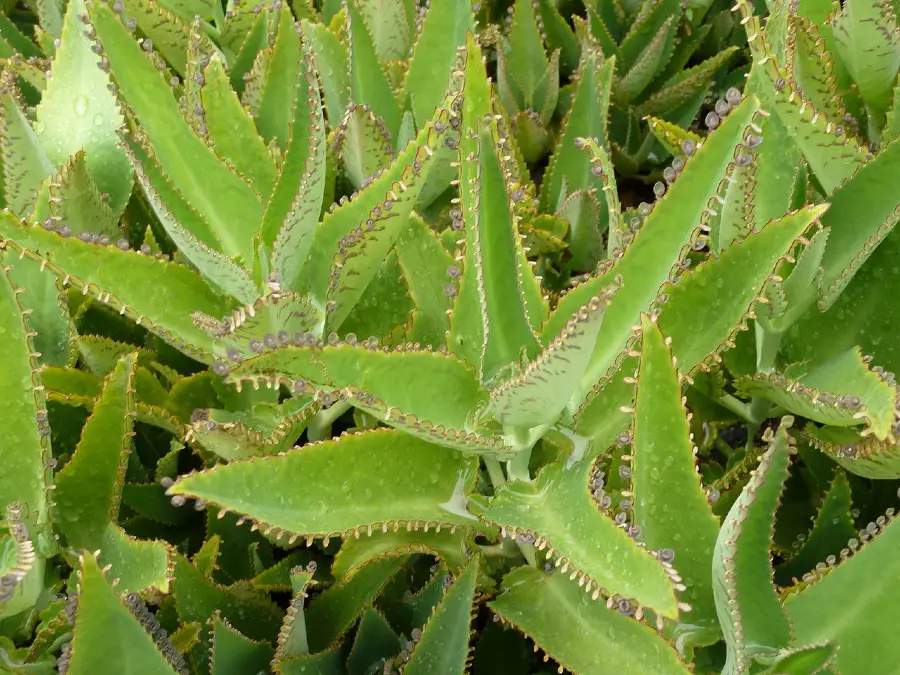
Mother of Thousands indoor care is simple once you understand how this unusual succulent grows. Known as Kalanchoe daigremontiana, this plant is famous for producing tiny plantlets along its leaf edges, making it one of the easiest succulents to propagate.
Its upright growth, thick leaves, and constant baby plant production make it a fascinating indoor plant for succulent growers. It grows quickly in bright conditions and needs much less water than tropical houseplants.
This guide covers light, watering, soil, propagation, and how to manage common Mother of Thousands problems indoors.
What You’ll Learn
- How much light Mother of Thousands needs indoors
- How often to water without causing root rot
- The best soil mix for fast drainage
- How propagation works with dropped plantlets
- How to fix legginess, rot, and leaf drop
Quick Answer: How Do You Care for Mother of Thousands Indoors?
Grow Mother of Thousands in bright light, fast-draining succulent soil, and water only when the soil dries out. Keep it warm, avoid overwatering, and expect fast propagation from leaf-edge plantlets.
Why Grow Mother of Thousands?
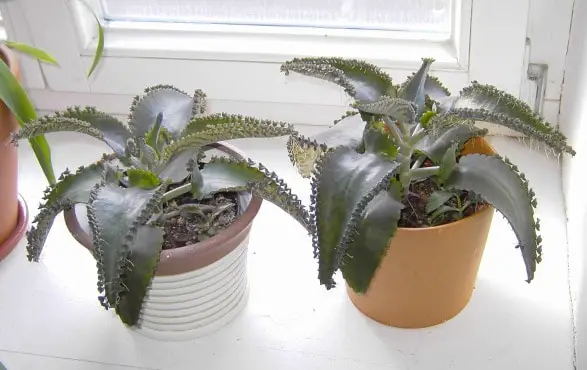
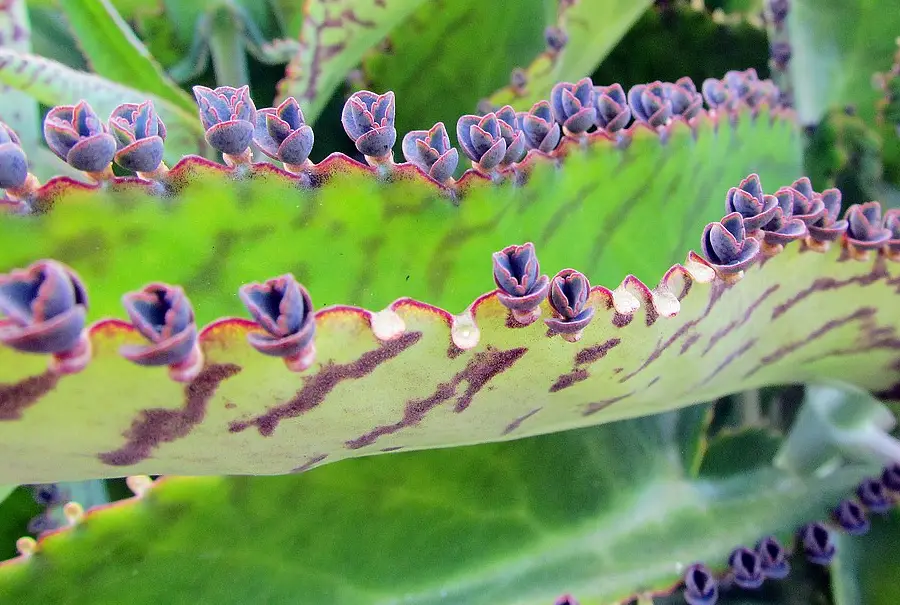
Mother of Thousands is one of the most unusual succulents you can grow because it constantly creates tiny baby plantlets along the edges of its leaves. Few houseplants are this easy to propagate, which makes it a fun plant for beginners and collectors alike.
It is also very low-maintenance once established. Like most succulents, it handles dry conditions well and does not need constant watering or feeding. That makes it a good fit for growers who want something interesting without high upkeep.
Its upright growth and thick gray-green leaves give it a bold architectural look that stands out from softer tropical houseplants. It works especially well in bright windows, succulent shelves, and dry indoor spaces.
If you enjoy plants that multiply quickly and do something different, Mother of Thousands is one of the most fascinating indoor succulents to grow.
Mother of Thousands Indoor Care At A Glance
This plant is an excellent choice for indoor growers because it is very easy to care for and can thrive in a wide range of conditions.
It is important to note that Kalanchoe daigremontiana is poisonous to both humans and pets if ingested, so it is important to keep this plant out of reach of children and animals.
 When it comes to watering, the Mother of Thousands is a very drought-tolerant plant and can easily go several weeks without water.
However, during the active growing season (spring and summer), it is important to water regularly, allowing the soil to dry out slightly between watering.
In the winter, watering can be reduced, but the plant should never be allowed to completely dry out.
Mother of Thousands prefers bright indirect light but can tolerate some direct sun.
If grown in too much shade, the plant will become leggy and produce fewer plantlets.
This plant is not particularly picky when it comes to soil, but it does need a well-draining potting mix.
A cactus or succulent mix will work well, or you can make your own 70/30 coco coir and perlite mix.
Fertilizing is not necessary, but if you want to give your plant a boost, you can feed it once a month with a diluted all-purpose fertilizer during the growing season.
You can stop fertilizing in the fall and winter.
Kalanchoe daigremontiana is fairly resistant to pests and diseases, but mealybugs, aphids, and scale can occasionally be a problem.
These pests can be controlled with insecticidal soap or neem oil.
If you are looking for an easy-to-care-for succulent that is sure to add interest to your indoor space, Mother of Thousands is a great choice!
Mother of Thousands Indoor Care The Nitty Gritty
Here are more details on growing Mother of Thousands plants including propagation, repotting, and more. The devil is in the details.
Mother of Thousands Light Requirements
The Mother of Thousands is an easy plant to care for and is tolerant of a wide range of growing conditions.
It can take 5-6 hours of direct sunlight indoors. However, if you are in a hot climate it does best in bright, indirect light.
Best Indoor Locations for Mother of Thousands
This plant performs best in the brightest spots in your home. More light means stronger stems and more compact growth.
- South-facing windows: Best for strongest growth
- West-facing windows: Great if acclimated slowly
- Bright grow shelves: Excellent for winter support
- Sunny patios: Good in warm months
Avoid deep shade, as low light quickly causes stretching.
Mother of Thousands Soil
Mother of Thousands (Kalanchoe daigremontiana) soil requirements are not particularly hard to meet.
But the plant does prefer a porous, well-drained potting mix. A cactus or succulent mix or standard potting mix with added perlite or pumice is ideal.
The perfect Mother of Thousands soil pH is between 6.0 and 7.5.
How Often To Water Mother of Thousands
One of the most important things to remember when caring for a Mother of Thousands is how often to water it.
These plants are very drought-tolerant and only need to be watered every couple of weeks.
During the hottest months of the year, you may need to water your plant more frequently.
However, it is important to make sure that the soil has a chance to dry out between waterings.
Overwatering can cause root rot, so it is best to err on the side of drought.
Propagating Mother of Thousands
Mother of Thousands is probably the easiest plant to propagate. The leaflets that grow on the mother plant will often start growing roots while attached to it.
All you need to do is set them on moist potting soil and they will grow. In fact, they often drop off on their own and start growing if they land on the soil.
This plant can be invasive in warmer climates and it is illegal to have one in Australia.
Repotting Mother of Thousands
This plant rarely needs to be repotted. If you have plantlets that fell off the mother plant growing you will want to remove them. You can repot them if you want more plants.
Mother of Thousands Troubleshooting
Why is my Mother of Thousands getting leggy?
Leggy growth is almost always caused by insufficient light. The stems stretch toward the light source, and the leaves become more spaced out. Move the plant to a brighter window or supplement with a grow light.
Why are the leaves turning mushy?
Soft or mushy leaves usually point to overwatering. This plant stores water in its leaves, so soggy soil can quickly lead to root rot. Let the soil dry fully before watering again and make sure the pot drains well.
Why are the lower leaves dropping?
Some lower leaf drop is normal as the plant matures, but heavy leaf loss can signal overwatering, low light, or sudden temperature changes. Check for stress factors and adjust accordingly.
Why are the leaves curling?
Leaf curl can happen from dehydration, intense heat, or inconsistent watering. If the soil is bone dry for too long, the leaves may curl inward to conserve moisture.
Why are the leaves turning yellow?
Yellowing usually means too much water or poor drainage. It can also happen when the plant is rootbound or if older leaves are naturally aging out.
Why are there fewer baby plantlets forming?
Mother of Thousands produces the most plantlets in strong light during active growth. If production slows, it often means lower light, cooler temperatures, or seasonal slowdown.
Why are baby plantlets dropping off everywhere?
This is normal. The plant naturally sheds plantlets as part of its propagation cycle. If they land on soil, they can root quickly and create new plants.
Why is my plant leaning?
Leaning usually means the plant is chasing light. Rotate the pot every week or two to keep growth more balanced.
Why is the stem turning black at the base?
A black stem base is often a sign of rot from overwatering or poor drainage. If caught early, cut healthy stem sections and propagate them before the rot spreads.
Mother of Thousands FAQs
Is Mother of Thousands toxic?
Yes. All parts of the plant are toxic if ingested, especially for pets and children.
How often should I water Mother of Thousands?
Usually every 2 to 3 weeks, depending on heat and light. Always let the soil dry first.
Can Mother of Thousands grow in low light?
It can survive, but it will stretch, weaken, and produce fewer plantlets.
Why does my Mother of Thousands keep dropping babies?
That is normal. It is one of the plant’s main propagation methods.
Does Mother of Thousands flower indoors?
It can, but flowering indoors is less common and usually happens on mature plants.
Final Thoughts
Mother of Thousands is one of the most unusual succulents you can grow indoors. Its constant baby plant production and low water needs make it both easy and interesting to keep.
Give it strong light, fast drainage, and avoid overwatering. Once you get those basics right, it usually grows fast and propagates on its own.
Just make sure to keep it away from pets and children due to its toxicity.