
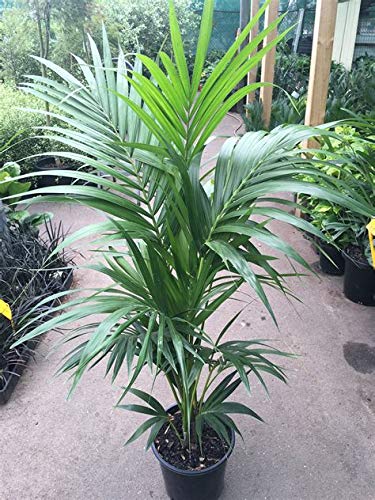
Kentia Palm Indoor Care is a great choice if you want an elegant indoor palm that looks tropical but does not need constant fussing. The Kentia Palm, also known as Howea forsteriana, has long arching fronds, a graceful shape, and a slow-growing habit that makes it easier to manage indoors than many other palms.
This is the kind of plant that can make a room feel calmer and more finished without taking over the whole space. Give it bright indirect light, steady watering, good drainage, and a little patience, and it can stay beautiful for years.
In this guide, we’ll go through Kentia Palm light, watering, humidity, soil, fertilizer, repotting, placement, propagation, and common problems so you can keep your palm looking full and healthy indoors.
What You’ll Learn
- Where to place a Kentia Palm indoors for the best growth
- How much light this palm needs without scorching the leaves
- How often to water without causing root rot
- What soil mix works best for healthy roots
- How to fix brown tips, yellow leaves, pests, and slow growth
You can buy a Kentia Palm on Amazon here
I. Introduction To The Kentia Palm
The Kentia Palm is one of the most graceful indoor palms you can grow. It has long, arching green fronds that give a room that relaxed tropical look, but it grows slowly enough that it usually stays manageable indoors.
That slow growth is one of its biggest advantages. Some palms look great when you buy them and then quickly become too large, too messy, or too demanding. Kentia Palm is different. It has a steady, patient growth habit that works well in living rooms, offices, apartments, entryways, and bright corners.
It also handles normal indoor conditions better than many tropical palms. It still wants good care, of course, but it does not need to be babied every day. If you can give it indirect light, a pot with drainage, and a watering routine that lets the soil partly dry, you are already most of the way there.
The main thing to remember is that Kentia Palm does not like extremes. Harsh direct sun can scorch the leaves. Soggy soil can damage the roots. Cold drafts can slow it down. Keep the care steady and moderate, and this palm can become a long-lasting indoor plant.
II. Kentia Palm Overview
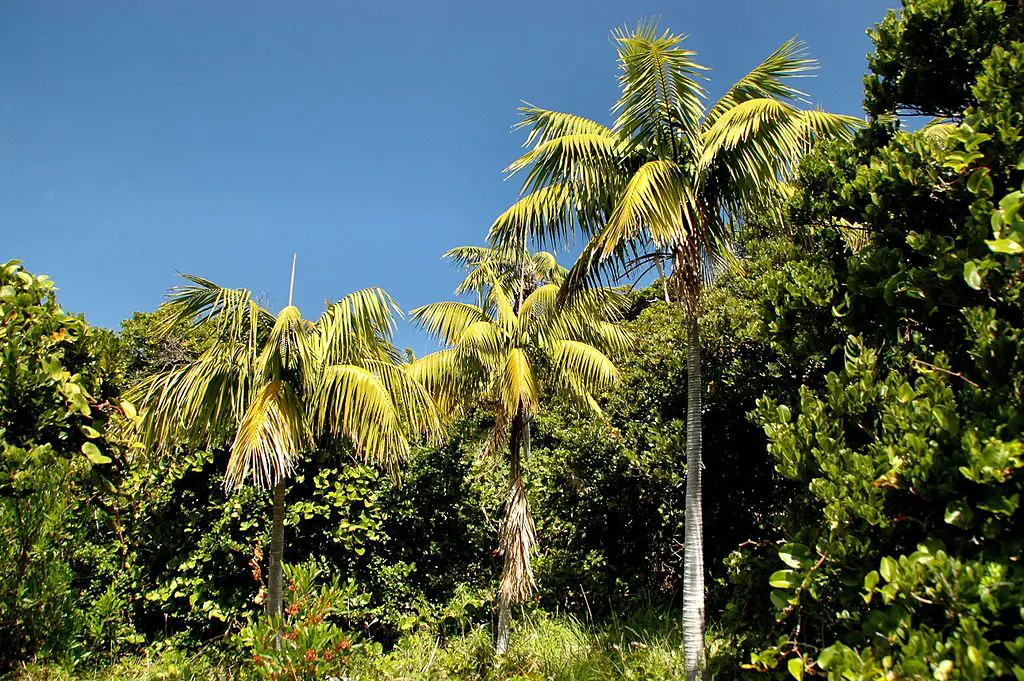
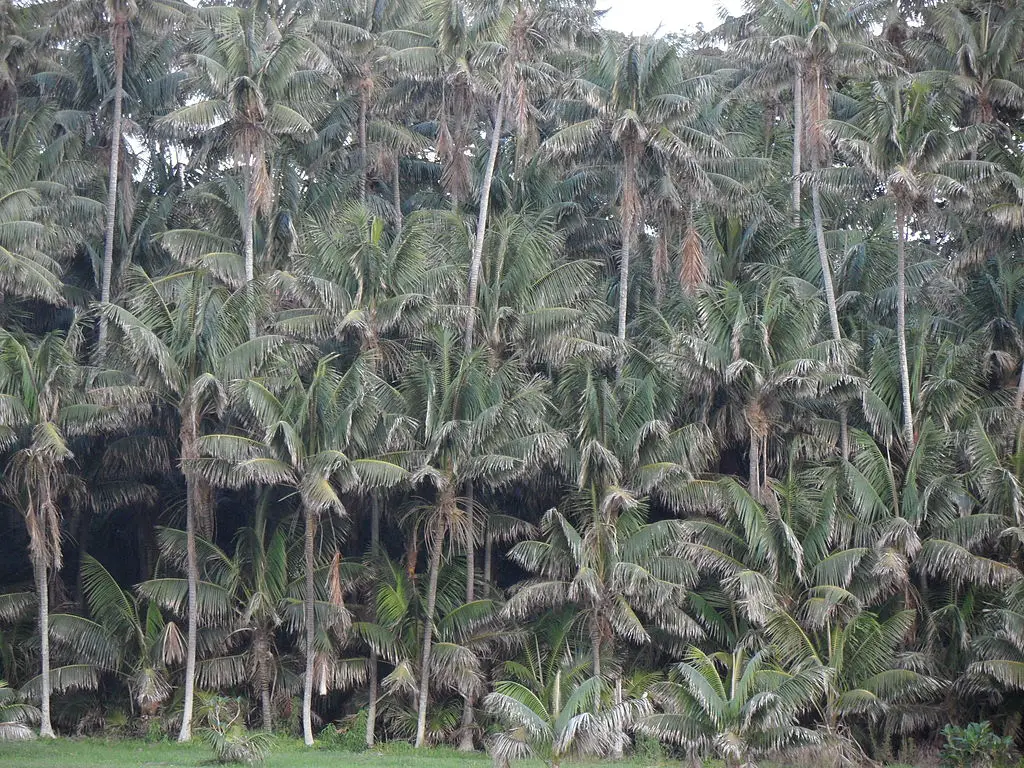
The Kentia Palm, also known botanically as Howea forsteriana, is native to Lord Howe Island in the South Pacific. It is also called Forster Sentry Palm, Sentry Palm, Paradise Palm, and Thatch Palm.
Indoors, Kentia Palm is valued for its elegant shape and easygoing nature. It has a refined look without being stiff or formal. The leaves arch outward and downward, giving the plant a soft, flowing appearance.
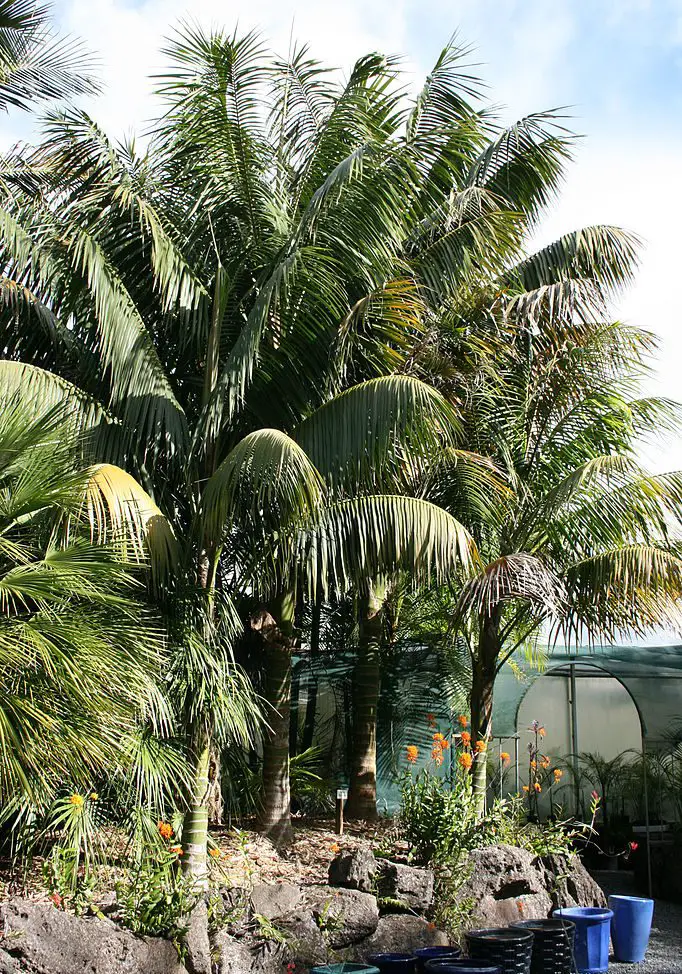
A mature Kentia Palm can become a true statement plant indoors, sometimes reaching 6 to 10 feet tall over time. Since it grows slowly, it does not usually outgrow its spot quickly. That makes it a good palm for people who want a larger plant without constant pruning or repotting.
It is also more forgiving than many indoor palms. It can tolerate moderate light, average household temperatures, and short dry spells better than fussier tropical plants. That does not mean you should neglect it, but it does mean Kentia Palm is a good choice if you want beauty without drama.
Characteristics of the Kentia Palm
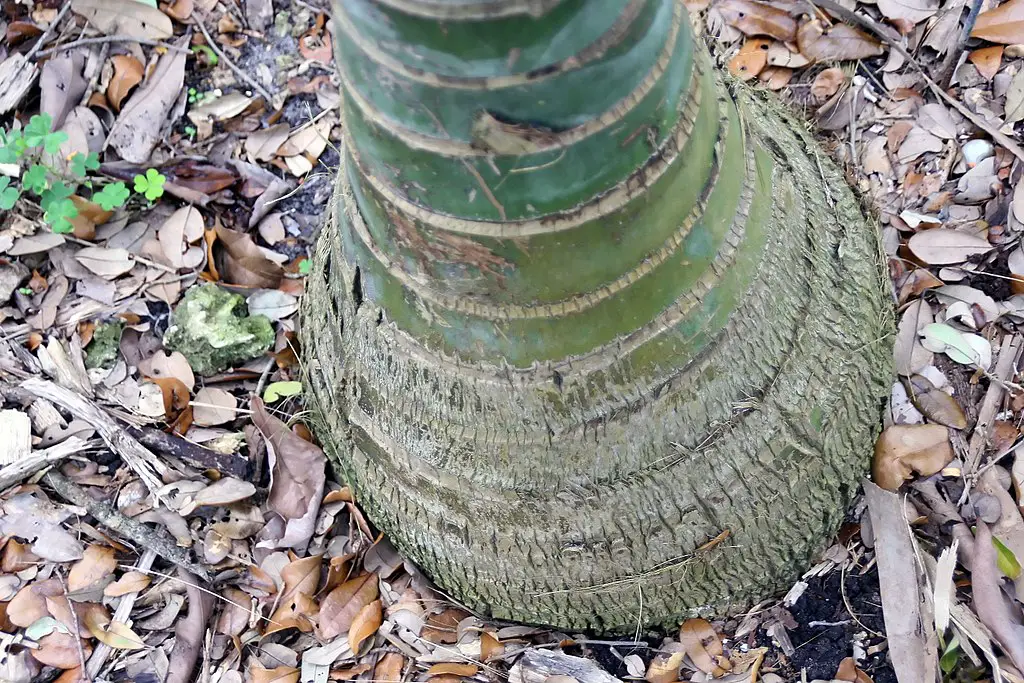
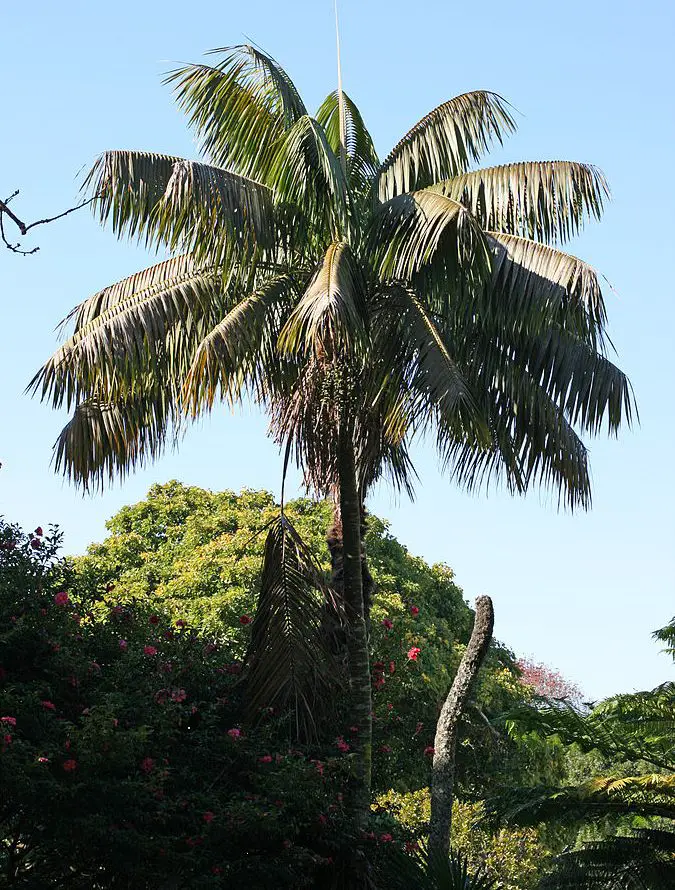
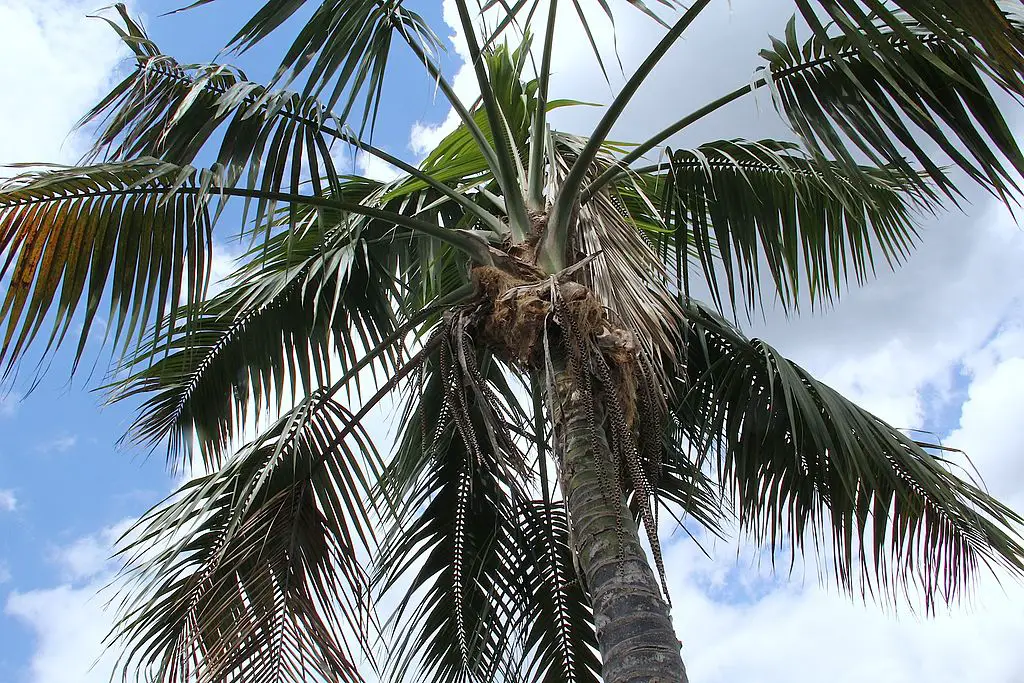
Kentia Palm is known for its slender trunk, dark green fronds, and graceful upright-to-arching growth. The fronds can become long and sweeping as the plant matures, which gives it that classic indoor palm look.
Indoors, it usually grows much slower than it would outdoors in a warm climate. That slower pace is helpful in smaller homes because the plant can look full and impressive without needing constant size control.
The foliage is one of its best features. The leaflets are narrow and arranged neatly along each frond, creating a soft, tropical texture. It looks especially good near simple furniture, neutral walls, woven baskets, and natural wood tones.
Native Habitat and Popularity as a Houseplant
In its native habitat, Kentia Palm grows in a subtropical island environment with mild temperatures, filtered light, and steady humidity. That background helps explain why it adapts so well to indoor spaces.
It does not need blazing sun to look good. In fact, indoors it usually does better with filtered light rather than strong direct sunlight. This makes it useful in rooms where a sun-loving palm might struggle or scorch.
Kentia Palm became popular as a houseplant because it brings that lush palm look into a home while staying relatively low maintenance. It is not the fastest grower, and that is part of its charm. Once you find a good spot for it, you can usually leave it there and let it settle in.
III. Kentia Palm Light Requirements
Light is one of the most important parts of Kentia Palm indoor care. This palm likes bright, indirect light best, but it can also adapt to moderate indoor light if the rest of its care is steady.
The sweet spot is a bright room where the plant can see the sky but does not sit in harsh afternoon sun. Think filtered window light, morning sun, or a spot several feet back from a brighter window.
If your Kentia Palm is not getting enough light, it may still survive, but growth will slow down. The fronds may also become thinner, weaker, or more stretched. If it gets too much direct sun, the leaves may develop pale patches, yellowing, or brown scorched areas.
Ideal Light Requirements for the Kentia Palm
Kentia Palm does best in bright indirect light. An east-facing window is often a very good location because the plant gets gentle morning sun without the harsh heat of late afternoon light.
A north-facing window can also work if the room is bright enough. Growth may be slower, but the plant can still do well if you avoid overwatering and keep it away from cold drafts.
South- and west-facing windows can work too, but the plant should usually be pulled back from the glass or protected with a sheer curtain. Direct sun through glass can be stronger than it looks, especially in summer.
Positioning the Kentia Palm Near Windows and Artificial Lights
When placing a Kentia Palm near a window, avoid pressing it right up against hot glass or cold glass. A few feet back is often better. This gives the plant light without exposing the leaves to heat stress, cold drafts, or sun scorch.
If your room is darker, you can also grow Kentia Palm with help from artificial light. A full-spectrum LED grow light can support healthier growth, especially during winter or in offices with limited natural light.
Use a timer if you are growinhealthy indoor growth.g under lights. Around 10 to 12 hours of light per day is plenty for
Avoiding Overexposure to Direct Sunlight
While the Kentia Palm can tolerate some direct sunlight, it is best to avoid prolonged exposure to the sun’s rays, particularly during the hottest parts of the day.
If the plant is exposed to direct sunlight for too long, the leaves can become scorched and turn yellow or brown.
To avoid this, ensure that the plant is positioned in a spot where it receives bright, indirect light for most of the day, and protect it from direct sunlight with a shade or sheer curtain when necessary.
Best Indoor Locations for Kentia Palm
Choosing the right location can make Kentia Palm care much easier. This palm prefers bright rooms with indirect light and enough space for its graceful fronds to spread naturally.
Living Rooms
Kentia Palms make excellent living room plants because they provide height and structure without overwhelming the space. Place them near a bright window but out of direct afternoon sun.
Home Offices
A Kentia Palm can soften the look of a home office while tolerating typical indoor lighting conditions. Its slow growth means it won’t quickly outgrow the space.
Entryways and Corners
Bright corners, entryways, and open floor spaces are ideal locations for mature Kentia Palms. Their upright growth habit makes them excellent focal plants.
Sunrooms
Kentia Palms thrive in bright sunrooms provided they are protected from intense direct afternoon sunlight that can scorch the fronds.
IV. Watering
Watering is a crucial aspect of Kentia Palm indoor care, as proper hydration is essential for the plant’s growth and overall health.
In this section, we’ll take a closer look at the watering needs of the Kentia Palm and offer some tips on how to ensure that your plant is getting the right amount of water.
Understanding the watering requirements of your Kentia Palm is key to keeping it healthy and thriving.
So let’s dive in and learn more about how to water your Kentia Palm properly.
Ideal Watering Schedule for the Kentia Palm
The Kentia Palm requires regular watering to maintain its health and vitality.
A good rule of thumb is to water the plant when the top few inches of soil are dry to the touch.
Depending on the temperature and humidity levels in your home, this could be anywhere from once a week to once every two weeks.
Properly Watering the Kentia Palm
When watering the Kentia Palm, it’s important to use room temperature water, as cold water can shock the plant’s roots.
Slowly pour water into the soil until it begins to drain out of the bottom of the pot. This ensures that the roots are adequately hydrated and that excess water is removed.
Avoiding Overwatering and Underwatering the Kentia Palm
Overwatering and underwatering are common problems that can affect the health of the Kentia Palm.
To avoid overwatering, make sure that new plants are in soil that is well-draining and that excess water can drain out of the pot.
Don’t let the pot sit in a water-filled tray. This could cause root rot. Empty the saucer after watering.
To avoid underwatering, ensure that the soil is moist but not waterlogged and that the plant is receiving enough water to stay hydrated.
It’s also important to note that the Kentia Palm can tolerate periods of slight drought, so it’s better to err on the side of underwatering rather than overwatering.
V. Humidity Requirements
Humidity is an important factor in the care of the Kentia Palm, as it is native to tropical regions with high humidity levels.
In this section, we’ll explore the humidity requirements of the Kentia Palm and offer some tips on how to ensure that your plant is getting the right amount of moisture in the air.
Maintaining proper humidity levels is crucial to the health and growth of the Kentia Palm, and can help to prevent problems such as brown tips on the leaves or yellowing foliage.
So let’s dive in and learn more about how to provide your Kentia Palm with the right level of humidity.
Ideal Humidity Level for the Kentia Palm
The Kentia Palm thrives in a humid environment, ideally between 50% to 70% humidity.
This can be a challenge to achieve in most indoor environments, particularly during the winter months when the air tends to be drier.
However, maintaining adequate humidity levels is crucial to the health of your Kentia Palm.
Increasing Humidity Levels for the Kentia Palm
To increase the humidity levels around your Kentia Palm, there are several options.
One of the easiest and most effective methods is to mist the leaves with room-temperature water using a spray bottle.
This can be done once or twice a day to provide a quick burst of moisture to the plant.
Another option is to use a humidifier in the room where your Kentia Palm is located.
This can help to maintain a consistent level of moisture in the air, which is beneficial not only for your plant but for your own health and comfort as well.
Avoiding Low Humidity Levels for the Kentia Palm
Low humidity levels can cause the leaves of the Kentia Palm to turn brown and crispy, and can also make the plant more susceptible to pests and diseases.
To avoid low humidity levels, make sure to keep your Kentia Palm away from dry air like heat sources such as radiators or air vents, as these can dry out the air.
You can also group your indoor plants together to create a mini indoor jungle, which can help to increase the overall humidity level in the room.
Using pebble trays is another option you can consider to raise the humidity.
VI. Temperature Requirements
Temperature is an important factor in the care of the Kentia Palm, as it is a tropical plant that thrives in warm and humid tropical conditions.
In this section, we’ll explore the temperature requirements of the Kentia Palm and offer some tips on how to ensure that your plant is getting the right amount of warmth and coolness.
Maintaining proper temperature levels is crucial to the health and growth of the Kentia Palm, and can help to prevent problems such as stunted growth or yellowing leaves.
So let’s dive in and learn more about how to provide your Kentia Palm with the right temperature conditions.
Ideal Temperature Range for the Kentia Palm
The Kentia Palm prefers warm and humid conditions, with an ideal temperature range between 60 to 80 degrees Fahrenheit (15 to 27 degrees Celsius).
While the Kentia Palm can tolerate slightly cooler temperatures, it is important to avoid exposing the plant to extremely hot or cold conditions.
Avoiding Extreme Temperatures for the Kentia Palm
The Kentia Palm is sensitive to extreme temperature fluctuations and should be kept away from drafty areas or direct heat sources, such as radiators or air conditioning vents.
Sudden temperature changes can cause the Kentia Palm’s leaves to turn brown or yellow, and can even lead to permanent damage to the plant.
Protecting the Kentia Palm from Cold Drafts
Cold drafts can be especially damaging to the Kentia Palm, causing the plant’s growth to slow down or even stopping it altogether.
To protect your Kentia Palm from cold drafts, make sure to keep it away from windows or doors that may let in cold air.
You can also use a plant stand to elevate the plant off the floor and away from cold drafts.
In addition, it’s a good idea to place the Kentia Palm in a room with a consistent temperature and avoid moving it around too much, which can lead to temperature fluctuations.
You can move an indoor kentia palm outdoors during the summer months but be careful to give it bright light or partial shade at first.
Avoid giving it full sun at first because it is not fully acclimated to the outdoors.
VII. Soil Requirements
The right soil is essential to the healthy growth and well-being of the Kentia Palm. In this section, we’ll explore the soil requirements of the Kentia Palm and offer some tips on how to ensure that your plant is getting the right type of soil.
Good soil provides the necessary nutrients and drainage that the Kentia Palm needs to thrive and can help to prevent problems such as root rot or wilting.
So let’s dive in and learn more about how to provide your Kentia Palm with the ideal soil conditions.
Ideal Soil Type for the Kentia Palm
The Kentia Palm prefers well-draining soil that is rich in organic matter.
While some people say it’s best to use a potting mix that contains a combination of peat moss, perlite, and vermiculite
The peat moss provides moisture retention and aeration, while the perlite and vermiculite provide drainage. But I disagree.
I think a mix of equal parts perlite and coco coir works much better. Coco offers better water retention and faster drainage.
It also won’t compact like peat and it is a renewable resource, unlike sphagnum peat which is mined and destroys wetlands.
Avoiding High Levels of Fertilizer
It’s important to avoid using soil with high levels of fertilizer for the Kentia Palm. While the plant does require some nutrients to grow, too much fertilizer can cause damage to the plant’s roots and leaves.
It’s best to use a balanced fertilizer that is specifically formulated for indoor plants and to use it sparingly according to the instructions on the package.
VIII. Kentia Palm Fertilizer
In addition to proper soil, the Kentia Palm also requires a balanced diet of nutrients to thrive.
Fertilizer is an essential part of caring for your Kentia Palm, as it provides the necessary nutrients that the plant needs to grow and remain healthy.
However, it’s important to use the right type of fertilizer and to apply it in the correct amount and frequency to avoid damaging the plant.
In this section, we’ll discuss the ideal fertilizer for the Kentia Palm, and provide tips on how to use it effectively.
Ideal Fertilizer Type and Schedule for the Kentia Palm
The Kentia Palm requires a balanced fertilizer with equal parts of nitrogen, phosphorus, and potassium that also contains all necessary trace elements.
A slow-release fertilizer is the best option for the Kentia Palm, as it gradually releases nutrients over time and provides consistent nourishment for the plant.
I like using slow-release fertilizer spikes. They take the guesswork out of fertilizing and feed your plant gradually every time you water.
Fertilizing the Kentia Palm every three to four months during the growing season (spring and summer) is recommended using indoor plant food.
Avoid fertilizing the plant during the dormant season (fall and winter), as it will not be actively growing.
I like using slow-release fertilizer spikes like these:
The use of tree spikes will take the guesswork out of fertilizing. Here is what I recommend for 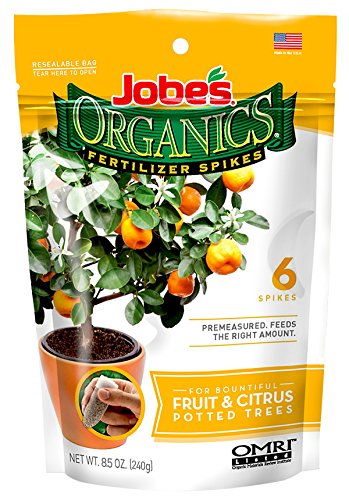 fertilizing your Kentia palm.
I recommend using Jobes Organics fertilizer spikes.
They are easy to use and last for 2-3 months.
They are designed for container-grown citrus but also work great for palm trees.
Using 2 spikes for a 12-inch pot or 3 for an 18-inch pot takes the guesswork out of fertilizing.
They provide a 3-5-5 fertilizer blend along with micronutrients and beneficial bacteria.
Avoiding Overfertilizing the Kentia Palm
Overfertilizing the Kentia Palm can lead to root burn and other issues, so it’s important to use the correct amount of fertilizer.
Follow the instructions on the fertilizer package carefully, and avoid adding more fertilizer than is recommended.
To avoid overfertilizing, it’s also a good idea to start with a half-strength fertilizer to see how your plants react to it.
You can always add more next time but adding too much fertilizer is harder to correct.
If you do notice signs of overfertilization, such as brown tips on the leaves or yellowing leaves, you may need to flush the soil with water to remove excess fertilizer.
IX. Repotting
As the Kentia Palm grows, it may outgrow its current pot, and require repotting into a larger container to support its expanding root system.
Repotting is an essential part of Kentia Palm care, as it ensures the plant has enough space to continue growing and thriving.
However, it’s important to repot the plant at the right time and in the right way to avoid causing stress or damage to the plant.
In this section, we’ll discuss when and how to repot your Kentia Palm to ensure its continued health and growth.
Repotting the Kentia Palm
As the Kentia Palm grows, it will eventually outgrow its pot and require repotting. This is usually necessary every two to three years.
To repot the Kentia Palm, select a new pot that is one size larger than the current pot, with good drainage holes at the bottom.
Gently remove the plant from its old pot, loosen any tangled roots, and add fresh soil to the new pot.
Place the plant in the new pot and add more soil, pressing it down firmly to eliminate air pockets.
Repotting Tips
• Choose the right pot: Select a pot that is 2-4 inches larger in diameter than the current pot, with drainage holes at the bottom.
• Prepare the potting mix: Use a well-draining soil mix, such as a combination of peat moss, perlite, and sand.
• Remove the plant from its current pot: Gently loosen the roots and remove the plant from the pot, being careful not to damage the roots.
• Add the new potting mix: Place a layer of fresh soil mix at the bottom of the new pot, and add the plant. Fill in the gaps with more soil mix, leaving some space at the top.
• Water the plant: Water the Kentia Palm thoroughly, ensuring that the soil is evenly moist.
Repotting your Kentia Palm provides several benefits, including fresh soil, increased room for root growth, and improved drainage.
It also helps prevent the plant from becoming root-bound, which can cause stunted growth and poor health.
Following these steps will help ensure your Kentia Palm thrives in its new pot.
X. Propagation
Propagating plants can be a rewarding experience, especially for plant lovers. In this section, we will discuss how to propagate Kentia Palms, a popular houseplant.
Propagation is a great way to create more plants from a single one and can also help you save money. Let’s dive into the world of Kentia Palm propagation.
There are different ways to propagate Kentia Palms, and each method has its advantages and disadvantages. Let’s explore these methods in more detail.
Propagating Kentia Palms by Seed
Propagating Kentia Palms by seed is a common method, but it can be challenging.
Kentia Palm seeds can take up to several months to germinate, and the success rate is not always high.
However, if successful, this method can produce multiple plants that are genetically identical to the parent plant.
To propagate Kentia Palms by seed, the seeds should be collected when they are mature and sown in a container filled with a moist, well-draining soil mix.
Kentia palm seeds are also available online here

Propagating Kentia Palms by Division
Another method to propagate Kentia Palms is by division. This method involves separating the parent plant into two or more smaller plants.
To do this, you should carefully remove the plant from its pot and divide it into sections, using a sharp knife.
Make sure each section has a good root system and a top. Each new plant should be potted in fresh soil and watered thoroughly.
Caring for Young Kentia Palm Plants
Young Kentia Palm plants require proper care to establish a healthy root system and develop strong growth.
It’s crucial to provide them with the right amount of light, water, and nutrients. Avoid overwatering, as this can cause root rot.
Keep the soil moist but not waterlogged. Fertilize the young plants with a balanced fertilizer every 4-6 weeks during the growing season.
With proper care, your young Kentia Palm plants will grow into strong and healthy specimens.
XI. Common Kentia Palm Problems
Despite its reputation as a hardy plant, the Kentia Palm like all indoor palms can experience several problems when grown indoors. In this section, we’ll discuss some of the most common issues that may arise when caring for a Kentia Palm, including pests, diseases, and environmental factors. We’ll also provide solutions and tips to help you address and prevent these problems from occurring.
Here are some common problems that can affect the Kentia Palm and how to address them:
Brown Tips: Brown tips on the Kentia Palm’s leaves can be caused by several factors, such as low humidity, overwatering, or exposure to direct sunlight.
To address this issue, increase the humidity levels around the plant, reduce watering frequency, and move the plant away from direct sunlight.
Yellowing Leaves: Yellowing leaves on the Kentia Palm can be a sign of overwatering, underwatering, or nutrient deficiencies.
To treat this issue, adjust your watering schedule and ensure that the plant is getting enough light and nutrients.
Pests: Common pests that can affect the Kentia Palm include spider mites, mealybugs, and scale insects.
To prevent and treat pest infestations, regularly inspect your plant for signs of pests and treat with an insecticide or neem oil.
By identifying and addressing these common problems, you can help keep your Kentia Palm healthy and thriving.
Examples of insect pests and treatment
Some common insect pests that can affect Kentia Palms include red spider mites, mealy bugs, and scale insects.
The red spider mite is a tiny insect that sucks the sap from the leaves, causing them to turn yellow and dry out.
They are difficult to see with the naked eye, but their presence can be detected by the fine webbing they produce.
To treat spider mites, you can wipe down the leaves with a damp cloth or spray the plant with a solution of water and neem oil.
Mealybugs are small, white, fluffy insects that feed on the sap of the Kentia Palm, causing stunted growth and yellowing leaves.
They are often found in the crevices of the leaves and stems. To treat mealybugs, you can wipe the plant down with a cotton swab dipped in rubbing alcohol, or spray the plant with a solution of water and neem oil.
Scale insects are small, round insects that attach themselves to the leaves and stems of the Kentia Palm, causing them to turn yellow and fall off.
They produce a sticky substance called honeydew, which attracts other pests like ants.
To treat scale insects, you can remove them with a cotton swab dipped in rubbing alcohol, or spray the plant with insecticidal soap.
Common Kentia Palm Problems Indoors
Why Are Kentia Palm Leaf Tips Turning Brown?
Brown leaf tips are usually caused by dry indoor air, inconsistent watering, fertilizer salt buildup, or low humidity. Increasing humidity and flushing the soil occasionally can help prevent further browning.
Why Are Kentia Palm Leaves Turning Yellow?
Yellow leaves are often linked to overwatering, poor drainage, or roots remaining too wet for extended periods. Allow the top few inches of soil to dry before watering again.
Why Is My Kentia Palm Growing Slowly?
Kentia Palms naturally grow slowly, but extremely slow growth may indicate insufficient light, nutrient deficiencies, or a rootbound plant that needs repotting.
Why Are The Fronds Drooping?
Drooping fronds can occur from underwatering, transplant shock, or sudden environmental changes. Check soil moisture and avoid moving the plant frequently.
Why Does My Kentia Palm Have Brown Patches?
Brown patches often indicate sun scorch from direct sunlight. Move the plant slightly farther from the window or use a sheer curtain to filter intense light.
Kentia Palm Care FAQs
How often should I water a Kentia Palm indoors?
Water when the top 2 to 3 inches of soil feel dry. Most indoor Kentia Palms need water every 7 to 14 days depending on temperature, light, and humidity.
Can Kentia Palm grow in low light?
Yes. Kentia Palm tolerates lower light better than many indoor palms, although growth will be slower than in bright indirect light.
Why are the tips of my Kentia Palm turning brown?
Brown tips are commonly caused by low humidity, inconsistent watering, salt buildup from fertilizer, or dry indoor air during winter.
How often should I repot a Kentia Palm?
Because Kentia Palms grow slowly, repotting is usually only needed every two to three years or when roots begin circling inside the pot.
Can I move my Kentia Palm outdoors in summer?
Yes. Move it gradually into bright shade or filtered light. Avoid placing it directly into full sun without acclimating it first.
XII. Kentia Palm Indoor Care Final Thoughts
XII. Kentia Palm Indoor Care Final Thoughts
Kentia Palm remains one of the best indoor palms for homes, apartments, and offices. Its graceful appearance, slow growth, and ability to adapt to typical indoor conditions make it an excellent long-term houseplant.
By providing bright indirect light, proper watering, well-draining soil, and moderate humidity, you can enjoy healthy green fronds for many years. While Kentia Palms grow slowly, their durability and elegant appearance make them well worth the patience.
Whether you’re looking for a statement plant for a living room or a reliable palm for a bright corner, Kentia Palm is one of the most rewarding indoor palms you can grow.