
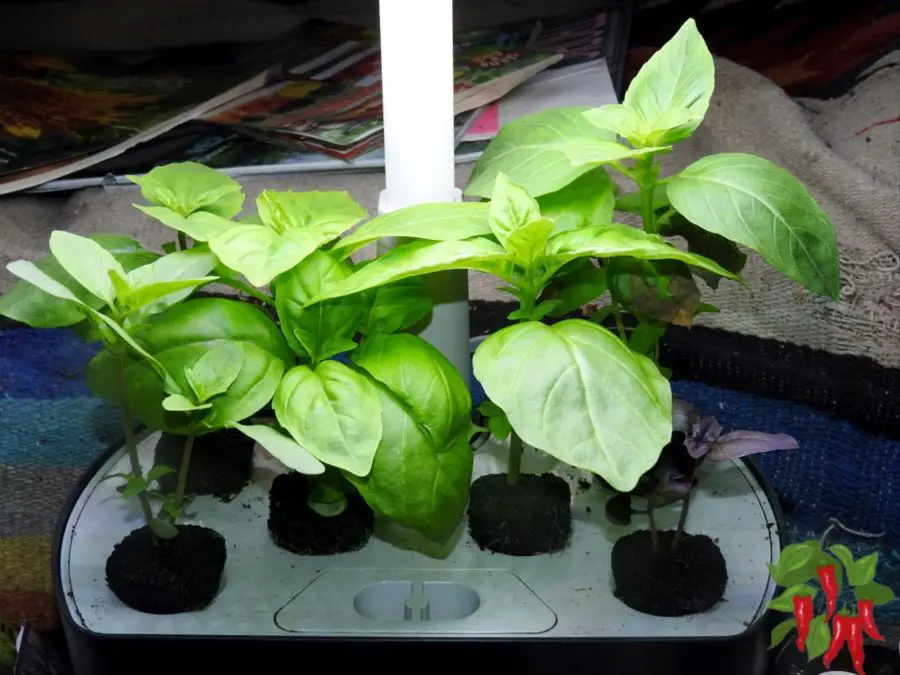
If you’ve always wanted fresh herbs within arm’s reach while you cook, this Indoor Herb Growing Guide makes it easier than ever. You’ll learn how to grow flavorful herbs in any space — from a bright kitchen windowsill to a small shelf with a grow light.
With a few simple choices, you can enjoy fresh rosemary, basil, oregano, and more all year long.
What You’ll Learn:
- The easiest herbs to grow indoors, even in tight spaces.
- How much light indoor herbs need to stay compact and productive.
- The best containers and soil mixes for flavorful herbs.
- Watering habits that prevent root rot and slow growth.
- Simple harvest tips that keep herbs producing longer.
- Next-step guides to expand your indoor edible setup.
Getting Started With the Indoor Herb Growing Guide
If you’ve ever wanted fresh herbs right in your kitchen without needing a backyard, you’re in the right place.
Indoor herb growing is simple, space-friendly, and incredibly rewarding — and you don’t need much more than a sunny spot or a small grow light to get started.
Imagine grabbing fresh rosemary, basil, or green onions right when you’re cooking — no grocery trip required.
Indoor herbs make everyday meals taste better, and they’re some of the easiest plants to grow inside.
Why Grow Herbs Indoors?

Herbs are some of the easiest and most rewarding plants to grow inside. They don’t need much room, they grow quickly, and even a single plant can give you years of harvests.
Plus, fresh herbs taste wildly better than store-bought — especially rosemary, basil, and green onions.
Light Basics for Indoor Herbs 💡
Most herbs love bright light, but you don’t need a giant window to grow them. A small grow light can make even a dim kitchen great for herbs. If your herbs start stretching tall and thin, that’s their way of saying they want more light.
- 💡 Most herbs need 6+ hours of bright light
- 🔆 South or west windows work best
- 🌱 LED grow lights keep herbs compact and flavorful
Learn how indoor lighting works here:
Growing Vegetables Indoors With Lights
Best Containers for Indoor Herbs 🪴
Herbs don’t ask for much — just good drainage and enough room for roots to breathe. Small pots, grow bags, or self-watering containers all work beautifully indoors.
- 🪴 Pots with drainage holes are essential
- 🌿 4–6 inch pots work for most herbs
- 💧 Self-watering pots help prevent overwatering
- 🧵 Small grow bags work well for rosemary and basil
If you want to explore grow bags:
How to Use Grow Bags for Vegetables
Simple Soil and Coco Coir Mixes for Herbs 🥥
Coco coir and light potting mixes help avoid soggy soil — one of the biggest killers of indoor herbs. Herbs prefer well-draining soil that stays lightly moist but never heavy.
- 🥥 Coco coir blends keep roots healthy
- 🌱 Avoid heavy potting soil or garden soil
- 💧 Water when the top inch feels dry
Learn more about coco coir:
How to Grow Vegetables in Coco Coir
Easy Herbs to Grow Indoors 🌱

When you’re just starting out, it helps to pick herbs that grow quickly, stay compact, and don’t demand tricky conditions.
These beginner-friendly choices thrive on windowsills, small shelves, counters, or under simple LED grow lights.
Here are some of the easiest herbs to grow indoors and what makes each one a great fit for small spaces.
Basil 🌿
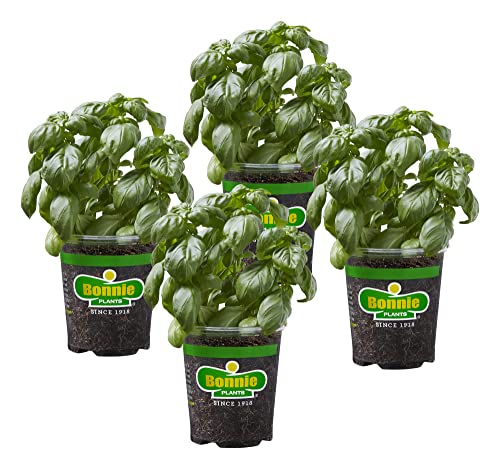
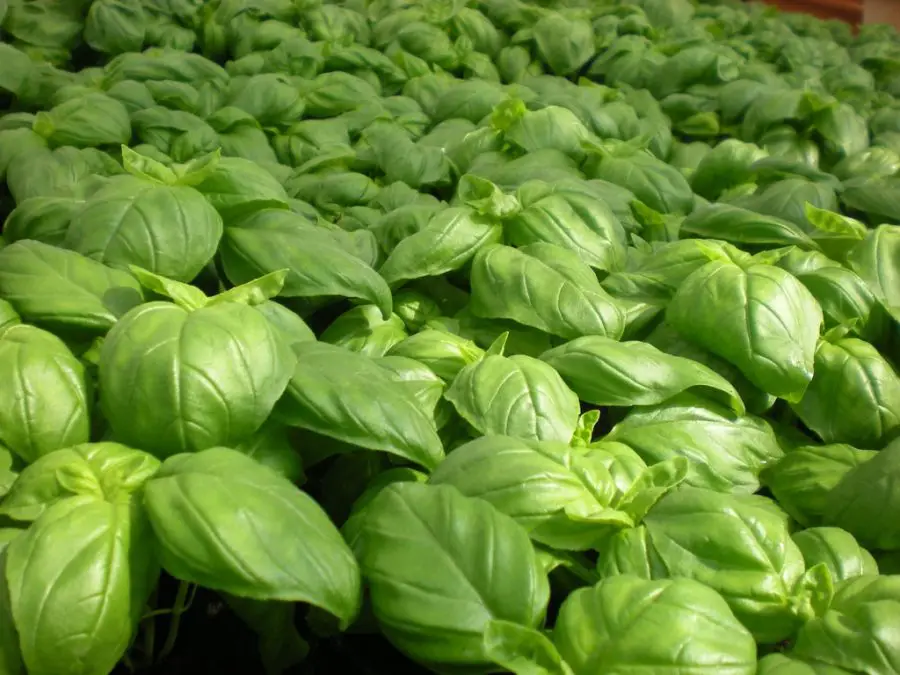
Basil is one of the most rewarding herbs for indoor growers. It loves warm rooms, grows quickly from seed, and fills your home with a fresh, aromatic scent. With steady light and regular pruning, you’ll enjoy a steady supply of flavorful leaves.
- 💡 Light: Bright, direct or strong LED grow lights
- 💧 Water: Keep the soil lightly moist—never bone dry
- ✂️ Tip: Pinch the top leaves weekly to keep it bushy
Chives 🧅
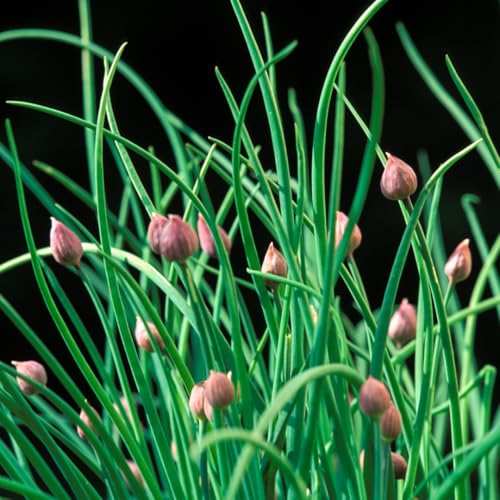
Chives are nearly effortless indoors. They grow in tight clumps, stay compact in small pots, and bounce back quickly after harvesting. Their mild onion flavor makes them perfect for eggs, soups, salads, and baked potatoes.
- 💡 Light: Bright indirect light or a small grow light
- 💧 Water: Keep soil evenly moist
- ✂️ Tip: Snip from the base to encourage fresh growth
Mint 🍃
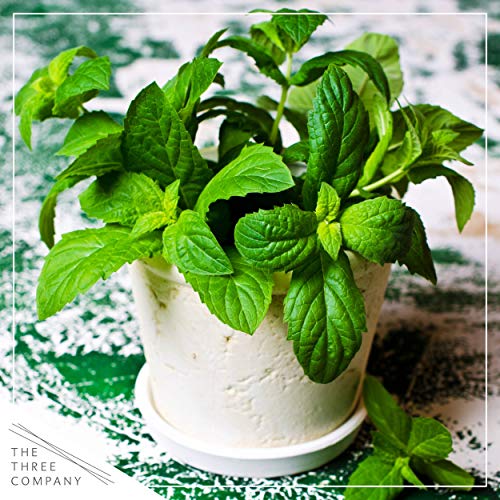
Mint grows fast—sometimes too fast—so it’s great for beginners but should always be kept in its own pot. Indoors, it stays more controlled while still giving you plenty of fragrant leaves for tea, desserts, and drinks.
- 💡 Light: Medium to bright indirect light
- 💧 Water: Slightly moist soil; don’t let it dry completely
- ⚠️ Tip: Grow it alone; mint will overtake other herbs
Parsley 🌱
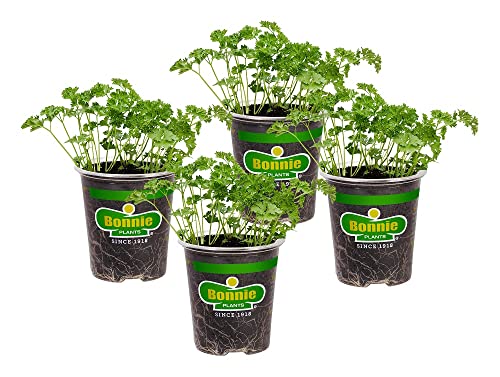
Parsley grows slowly at first but becomes a reliable, bushy producer once established. Both curly and flat-leaf parsley thrive indoors and add fresh flavor to a wide variety of dishes.
- 💡 Light: Bright light—6+ hours or grow lights
- 💧 Water: Keep the soil evenly moist
- ✂️ Tip: Harvest the outer stems first to encourage growth
Cilantro 🌿
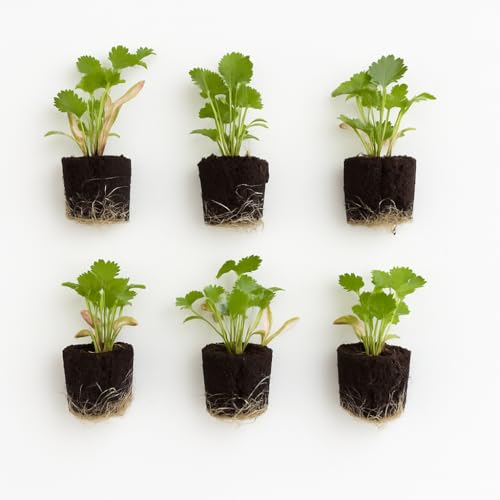
Cilantro enjoys cooler temperatures and grows quickly indoors, making it a great choice for beginners. It can bolt in warm rooms, so steady temperatures and moderate light help keep it leafy for longer.
- 💡 Light: Bright, indirect light or a grow light
- 💧 Water: Keep soil consistently moist
- ✨ Tip: Plant small batches every few weeks for a steady supply
Thyme 🌿

Thyme is a low-maintenance herb that thrives indoors with little fuss. It prefers drier soil and lots of light, making it a perfect fit for sunny windowsills or grow shelves.
- 💡 Light: 6+ hours of direct or strong LED light
- 💧 Water: Allow soil to dry between waterings
- 🍽️ Tip: Ideal for roasting, soups, and seasoning blends
Oregano 🌱
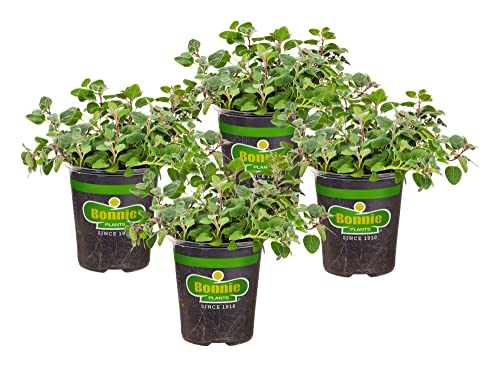
Oregano is hardy, fast-growing, and beginner-friendly. It thrives in containers and produces flavorful leaves for Italian, Greek, and Latin dishes. Indoors, it stays compact and manageable.
- 💡 Light: Bright, direct light or strong grow lights
- 💧 Water: Let soil dry slightly between waterings
- 🌿 Tip: More sun = stronger flavor
Rosemary 🌲

Rosemary can be a bit picky outdoors, but indoors with strong light it grows beautifully. Its upright growth is space-saving, and its pine-like scent freshens small rooms naturally.
- 💡 Light: Strong light—south window or LED panel
- 💧 Water: Keep soil on the drier side; avoid soggy roots
- 🌬️ Tip: Good airflow helps prevent mildew
Sage 🌿

Sage is a tough, drought-tolerant herb that grows well in containers indoors. Its soft, textured leaves bring charm to your growing space, and the plant pairs beautifully with poultry, potatoes, and roasted veggies.
- 💡 Light: Bright, direct or LED grow lighting
- 💧 Water: Let soil dry between waterings
- ✂️ Tip: Clip small amounts from new growth for the best flavor
Lemon Balm 🍋

Lemon balm is a fragrant, calming herb perfect for teas and desserts. It’s fast-growing, forgiving, and spreads gently in pots without overwhelming your space.
- 💡 Light: Medium to bright indirect
- 💧 Water: Keep soil slightly moist
- 🍋 Tip: Regular trimming keeps it bushy and full
Common Mistakes (and How to Avoid Them)
Indoor herbs are easy — but a few small missteps can slow them down. Luckily, they’re simple to prevent.
- 🚫 Not enough light → stretching, weak flavor
- 💦 Overwatering → root rot and yellow leaves
- 🪴 Pots without drainage → soggy soil
- ✂️ Not harvesting → herbs get woody or leggy
Indoor Herb Growing Guide FAQs
If you’re following the Indoor Herb Growing Guide and something feels “off” (leggy growth, slow herbs, weird yellowing), these are the questions that usually solve it fast.
What are the easiest herbs to grow indoors?
Basil, chives, mint, parsley, cilantro, thyme, oregano, rosemary, sage, and lemon balm are all beginner-friendly. They stay fairly compact, recover quickly after harvests, and handle typical indoor conditions well when they get enough light and a well-draining mix.
How much light do indoor herbs need?
Most herbs do best with strong light. A bright south- or west-facing window can work, but many herbs stay tighter and leafier with a small LED grow light. If herbs stretch tall and thin, that’s almost always a light issue.
How often should I water indoor herbs?
Water based on the soil, not the calendar. For most herbs, water when the top inch of mix feels dry. Basil and parsley like more consistent moisture, while rosemary, thyme, and sage prefer drying slightly between waterings. Always use pots with drainage holes.
Do indoor herbs need fertilizer?
Yes, but keep it light. A balanced liquid fertilizer every 2–4 weeks during active growth is usually enough. Over-fertilizing can cause weak, leggy growth and reduce flavor, so start at half strength.
Can I grow herbs indoors without a sunny window?
You can. A small LED grow light placed 6–12 inches above your herbs (on a timer) works well on counters, shelves, or a dedicated herb station. It’s one of the easiest upgrades you can make for indoor herbs.
How do I harvest herbs so they keep growing?
Harvest a little at a time and cut just above a leaf set or side shoot. This pushes branching and keeps herbs bushy. Avoid taking more than one-third of the plant at once so it can rebound quickly.
Why are my indoor herbs getting leggy and floppy?
Leggy herbs usually mean weak light, not enough pruning, or both. Move them closer to a bright window or under a grow light, and pinch the tips regularly. You’ll get tighter growth and better flavor.
Can I grow herbs indoors year-round?
Yes. With consistent light and a steady routine, herbs can grow all year indoors. Growth may slow in winter, but a grow light and slightly lighter watering usually keeps plants producing.
Conclusion: Start with One Herb and Grow from There

Indoor herb growing doesn’t need to be complicated. Start with one easy plant — like rosemary, basil, or green onions — and you’ll learn as you go. Once you get the hang of watering, light, and harvesting, it’s easy to add more herbs and build your own little kitchen garden right at home.
Explore More Indoor Gardening Guides
If you’re building a simple indoor setup (not a jungle), these guides pair well with indoor herbs and help you expand without making a mess.
- Indoor Houseplants Guide: Best Plants for Every Room
- Small Space Gardening for Apartments Made Easy
- Best Soil and Containers for Indoor Gardening
- Starting an Apartment Balcony Garden
- Microgreens Guide: How to Grow Indoors
- How To Grow Succulent Plants
- Indoor Herb Growing Guide
- Best Pet Friendly Indoor Plants for Small Spaces
Where to Go Next 🌿
- 💡 Need help with lighting?
Growing Vegetables Indoors With Lights - 🥬 Want to expand into veggies too?
The Best Vegetables to Grow Indoors - 🧅 Try a no-fail edible:
How to Grow Scallions Indoors - 🌊 Curious about indoor hydroponics?
Indoor Hydroponic Vegetable Garden - 🥥 Want a cleaner growing medium?
How to Grow Vegetables in Coco Coir