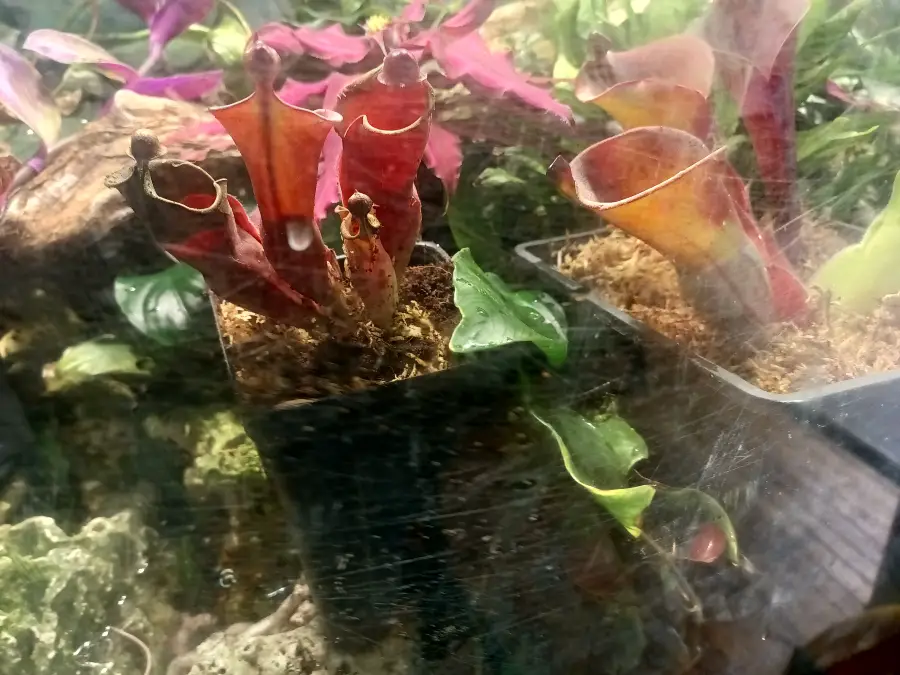
If you’ve ever looked at Heliamphora and thought, “there’s no way that grows indoors,” you’re not alone. Most species really do need tight conditions—but Heliamphora heterodoxa is a bit different.
This Heliamphora heterodoxa care guide is for one of those plants that still gives you that wild, highland carnivorous look, but without the constant struggle. It’s adaptable, it grows steadily, and it actually responds well to typical indoor setups when you dial things in.
I’ve found this one hits a nice balance—it’s not a beginner plant in the usual sense, but it’s forgiving enough that you can learn as you go without losing it the first time conditions aren’t perfect.
🌱 What You’ll Learn
- Why Heliamphora heterodoxa is one of the best entry points into Heliamphora
- How its natural habitat translates to indoor growing
- The right light setup for strong pitchers and color
- Why airflow matters more than most people realize
- How to avoid common beginner mistakes early
🎥 Heliamphora heterodoxa Unboxing (First Look)
Here’s a closer look at Heliamphora heterodoxa right out of the box. In this video, I go through the unboxing, first impressions, and how I’m planning to grow it indoors in my setup.
🏔️ A Quick Look at Its Natural Habitat
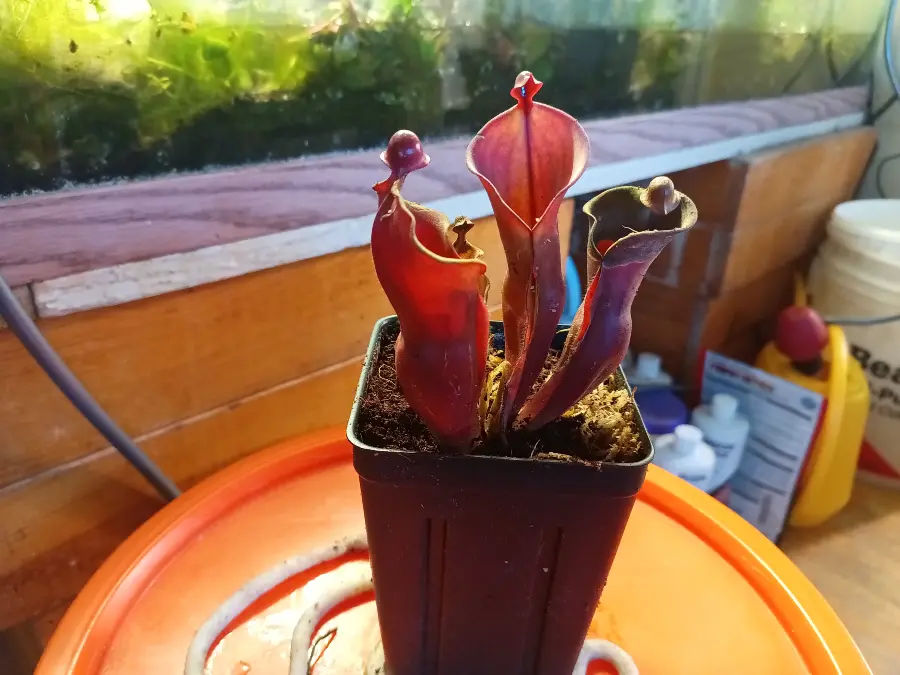
This plant comes from the Gran Sabana region of Venezuela, growing along the slopes of tepuis—massive, ancient sandstone formations that sit above the surrounding rainforest.
These environments are often called “islands in the sky,” and once you understand them, the care requirements start to make a lot more sense.
- Frequent rain and mist
- Constant humidity
- Bright but diffused sunlight
- Cool nights, mild days
- Very low nutrients in the soil
The key thing here is consistency. These plants aren’t dealing with dry air, stagnant conditions, or big swings in temperature—they’re used to stable environments that stay moist and airy.
That last part—airy—is what trips most people up. It’s easy to focus on humidity and forget that these plants also expect constant airflow.
🌿 Why Heterodoxa Works: Indoor & Terrarium Growing Made Simple
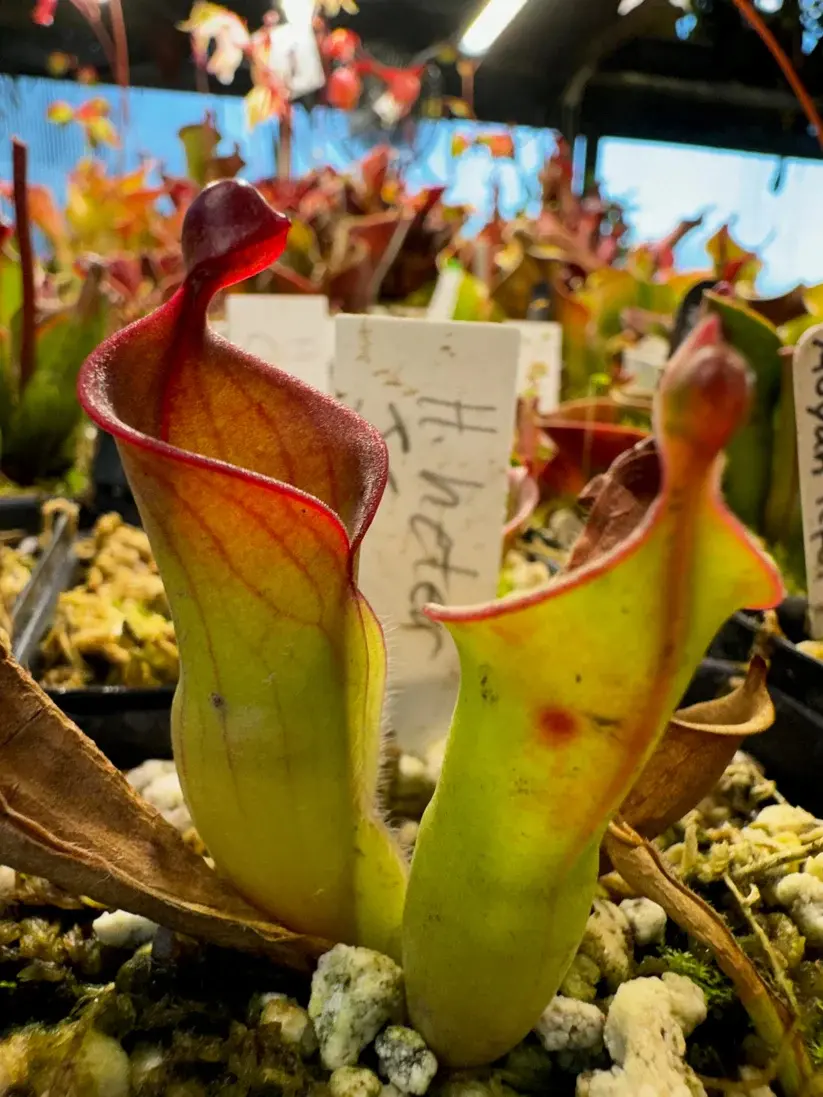
Not all Heliamphora behave the same. Some are extremely sensitive and demand cool conditions at all times. Heterodoxa is more flexible.
Here’s why it works better in indoor setups:
- It naturally grows at slightly lower elevations
- It tolerates warmer daytime temperatures
- It adapts well to artificial lighting
- It grows faster than many other species
That combination makes it ideal for terrariums, grow tents, or even controlled shelf setups with humidity.
If you’re already growing Nepenthes or experimenting with high-humidity plants, this is a really natural next step.
💡 Light Requirements (This Drives Everything)
If there’s one thing that makes or breaks how this plant looks, it’s light.
Under weak lighting, you’ll get soft, green pitchers that don’t stand upright. Under strong lighting, the plant tightens up, colors up, and starts looking like what you see in photos.
What Works Best
- Bright indirect natural light (limited success)
- Strong LED grow lights (recommended)
- 12–14 hours of light per day
Most indoor growers end up using LEDs simply because they give you control. You can dial in intensity and duration without worrying about seasonal changes.
Reading Your Plant
Not enough light:
- Pitchers stay green
- Growth becomes floppy
- Slow development
Too much light or heat:
- Bleached areas
- Crispy edges
- Heat stress in enclosed setups
A good way to approach lighting is to think in terms of intensity, not distance.
With lower-powered LEDs, you might end up 8–14 inches from the plant. But with stronger lights—like a 200–300 watt panel—that same distance can easily overheat or bleach your plant.
I’ve personally had to keep stronger lights much higher and then slowly bring them down over time instead of guessing and risking damage.
Here’s a safer approach:
- Start your light higher than you think you need
- Watch how new growth develops over 1–2 weeks
- Lower the light gradually if the plant stays green or stretches
- Raise it immediately if you see bleaching or heat stress
If your light has a dimmer, that’s even better—you can fine-tune intensity without constantly moving the fixture.
With Heliamphora, it’s always better to sneak up on the right light level than to overshoot and damage the plant.
📊 Measuring Light (PPFD Makes This Much Easier)
If you really want to dial this in, measuring light intensity takes a lot of the guesswork out of growing Heliamphora.
Instead of relying on distance from the light—which changes depending on the fixture—you can measure actual usable light with a PAR meter.
Recommended PPFD range for Heliamphora:
- 100–400 PPFD
Lower end (100–200) will keep the plant healthy but more green, while higher levels (250–400) encourage stronger growth and deeper coloration.
You don’t necessarily need an expensive PAR meter either—phone apps can give you a rough estimate that’s good enough to avoid major mistakes.
If you want a solid reference point, this guide is worth checking out:
Carnivorous Plant PPFD Recommendations
Once you start thinking in terms of PPFD instead of distance, it gets a lot easier to adjust different lights and setups without guessing.
🌿 Pitcher Growth and Color Changes
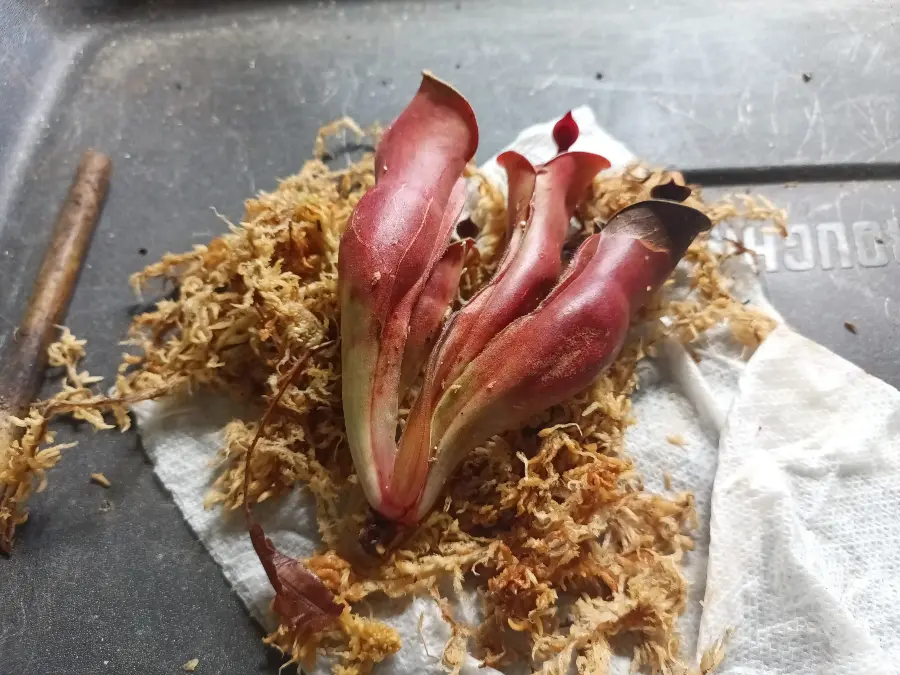
One of the coolest things about this plant is how much it changes depending on your setup.
Under stronger light, you’ll start seeing:
- Red or orange tones in the pitchers
- More defined nectar spoons
- Upright, sturdy growth
Under weaker light, it tends to stay green and a bit stretched.
It’s a pretty clear feedback system—if the plant looks strong, your setup is working.
🌡️ Temperature & Humidity (Getting the Balance Right)
One of the reasons Heliamphora heterodoxa works indoors is that it doesn’t demand extreme cooling like some high-elevation species.
That said, it still performs best when you stay within a stable range.
- Day: 70–85°F
- Night: 50–65°F (ideal but not required)
- Humidity: 70–100%
If you can give it a slight nighttime drop, you’ll usually see better color and stronger growth—but don’t overcomplicate it if your space stays fairly steady.
In my experience, consistency matters more than chasing perfect numbers.
💨 Airflow (The Most Overlooked Factor)
This is where a lot of setups fail.
People focus on humidity, seal everything up, and end up creating stagnant air—and Heliamphora hate that.
In nature, these plants grow in open, windy environments. Even with constant moisture, there’s always fresh air moving around them.
Without airflow, you’ll start seeing:
- Nectar spoon rot
- Fungal issues
- Soft or collapsing pitchers
- Slowed growth
Simple fix: add a small fan.
You don’t need anything strong—just gentle air movement across the enclosure. I usually point the fan past the plant, not directly at it.
Once you add airflow, you’ll notice a difference pretty quickly.
💡 Dialing In Light Without Guessing
Earlier we talked about light distance, but this is where things get more precise.
Instead of guessing based on inches, it helps to think in terms of light intensity.
📊 PPFD Targets for Heliamphora
- 100–200 PPFD → steady growth, mostly green pitchers
- 200–300 PPFD → stronger growth, some coloration
- 300–400 PPFD → best color and structure (if temps stay controlled)
Once you get above that range, you start increasing the risk of stress—especially in enclosed terrariums.
This is why a 250W light close to the plant can cause problems fast, while a smaller light at the same distance might be perfectly fine.
📱 Measuring Light in Real Setups
A PAR meter is ideal, but even a phone app can help you get in the ballpark.
They’re not perfect, but they’re good enough to:
- Compare different spots in your setup
- Avoid extreme over-lighting
- Track changes when adjusting your light
If you want a reference, this guide is a solid starting point:
Carnivorous Plant PPFD Recommendations
Once you start thinking in PPFD instead of distance, everything becomes easier to adjust.
🔥 Heat Buildup (What Sneaks Up on You)
Here’s something I’ve run into more than once—your light might be fine, but the heat it produces builds up in a closed space.
This is especially common in:
- Glass terrariums
- Enclosed cabinets
- Small grow spaces
Even if your room is comfortable, the space around the plant can get much warmer.
Signs of heat buildup:
- Crispy pitcher edges
- Bleached areas
- Sudden decline in new growth
Good airflow and raising your light slightly usually fixes this quickly.
🏡 Terrarium vs Open Setup
You can grow Heliamphora heterodoxa in both setups, but each has its own challenges.
Terrarium Growing
- Easier to maintain humidity
- More stable environment
- Better for consistent growth
But you must manage:
- Airflow
- Heat buildup
- Condensation
Open Growing
- Better airflow naturally
- Less risk of overheating
- Simpler setup overall
But you’ll need to compensate with:
- Higher room humidity
- More frequent watering
If your home is naturally dry, terrariums usually make things easier.
💧 Watering & Media (Where People Go Wrong Fast)
This is one of the easiest ways to damage your plant if you get it wrong.
Water Quality
- Rainwater
- Distilled water
- RO water
Tap water might seem fine short-term, but minerals build up and cause long-term damage.
Watering Style
Keep the media moist—not soaked.
- Avoid letting it dry out completely
- Avoid standing water long-term
- No deep tray systems like you’d use for other carnivorous plants
Think steady moisture with airflow—not swamp conditions.
Wicking Bed Using Coco Coir (Easy Setup for Terrariums & Houseplants)
Best Media Mixes
- Live sphagnum moss
- Sphagnum + perlite
- Coco Coir + perlite
- Peat + perlite blends
Heliamphora roots are fragile, so avoid repotting unless you really need to.
I find straight coco coir or with a bit of perlite or some eco complete works well for me.
I keep plants with a constant but low shallow water level for capillary action or a wicking bed. Never soak pots deeply or bury the crown.
🍽️ Feeding Indoors
These plants rely on microbes inside the pitchers to break down food, not their own enzymes.
That means feeding should stay light and controlled.
- Dried bloodworms (small amount)
- Occasional insects
- Diluted fertilizer (optional)
Overfeeding is one of the fastest ways to cause rot, so it’s better to underfeed than overdo it.
⚠️ Troubleshooting Heliamphora heterodoxa
Even with a solid setup, this plant will tell you pretty quickly when something is off. The key is learning how to read those signals early instead of waiting for bigger problems.
Soft or Collapsing Pitchers
Most common causes:
- Low humidity
- Poor airflow
- Sudden environmental changes
This is usually a combination issue. If your humidity is borderline and airflow is weak, pitchers won’t hold their structure.
Fix: Increase humidity slightly and add consistent airflow. A small fan is often all it takes.
Green, Floppy Growth
Cause: Not enough light
This is probably the most common issue people run into. The plant stays alive, but it stretches and loses that upright structure.
Fix: Increase light intensity gradually. If you’re already using a strong light, adjust height or PPFD instead of guessing distance.
Brown or Crispy Pitcher Tips
Most common causes:
- Heat buildup
- Low humidity
- Light intensity too high
This one can sneak up on you in enclosed terrariums where heat builds up slowly.
Fix: Improve airflow, slightly raise your light, and stabilize humidity.
Slow or Stalled Growth
Possible causes:
- Warm nights with no temperature drop
- Mineral buildup from poor water
- Weak lighting
If everything looks “okay” but nothing is happening, it’s usually one of these.
Fix: Double-check water source, increase light slightly, and aim for more stable conditions.
🌿 Growth, Clumping, and Long-Term Care
Heliamphora heterodoxa is a relatively fast grower compared to other species, and over time it will start forming clumps.
You’ll notice:
- Multiple growth points forming
- Denser clusters of pitchers
- More consistent pitcher production
This is a good sign your setup is working.
At that point, you can either let it fill out and become a centerpiece plant, or carefully divide it—but only if you’re comfortable handling delicate roots.
Personally, I usually leave it alone once it’s happy. These plants look better as they mature and fill in.
🌟 Why This Plant Is Worth Growing
There’s a reason this species keeps coming up in conversations about Heliamphora.
It gives you:
- Strong vertical pitchers
- Color changes under good lighting
- Unique nectar spoon structure
- Steady, reliable growth
And unlike some other species, it doesn’t require you to chase perfect conditions 24/7.
Once it settles into your setup, it becomes a pretty stable plant—and one that really stands out in a terrarium.
🔗 Related Terrarium & Carnivorous Plant Guides
- Heliamphora Care Indoors: Terrarium Setup & Growing Tips
- Heliamphora Godzilla Terrarium Setup: What Actually Works Indoors
- My 75-Gallon Heliamphora Terrarium Build
- Terrarium Lighting for Carnivorous Plants: How Much Light?
- Water Quality for Carnivorous Plants: The Best Types
- Terrarium Airflow: What Actually Matters
- Closed vs Open Terrariums: Which One Works Best?
- Carnivorous Plant Care
❓ Heliamphora heterodoxa Care Guide FAQs
Is Heliamphora heterodoxa good for beginners?
Yes, it’s one of the easiest Heliamphora species to grow indoors because it tolerates warmer temperatures and small mistakes better than others.
Can Heliamphora heterodoxa grow without a terrarium?
Yes, but only if you can maintain high humidity and consistent airflow. Terrariums make that much easier.
How often should I water Heliamphora heterodoxa?
Keep the media consistently moist, but not waterlogged. Avoid letting it dry out completely.
Why are my pitchers not turning red?
This is usually due to low light. Increasing light intensity or PPFD will improve coloration.
Can I use tap water for Heliamphora?
No, long-term use can cause mineral buildup that damages roots. Stick to distilled, rain, or RO water.
➡️ Next Post
Next: Heliamphora Care Indoors: Terrarium Setup & Growing Tips