

Many gardeners want to learn about Echeveria care indoors because these colorful rosette succulents are among the easiest houseplants to grow. Their compact size, attractive leaf shapes, and low water requirements make them ideal for windowsills, desks, shelves, and small indoor spaces.
While Echeverias are beginner-friendly, they do have specific requirements for light, watering, and drainage. Once you understand those basics, these succulents can thrive indoors for many years with minimal maintenance.
What You’ll Learn 📖
- 🌿 How to care for echeveria indoors step by step
- ☀️ Light requirements for compact growth and color
- 💧 How to water without causing root rot
- 🪴 Best soil mix and drainage setup
- 🌱 How to propagate echeveria easily
- 🐛 Common problems and how to fix them
Diving into the world of succulents? You’re in for a treat! Caring for echeveria indoors is like a delightful dance with nature, right in the comfort of your home.
These rosette beauties, with their myriad of colors and textures, can brighten up any space.
And guess what? They’re not as high-maintenance as they look. Let’s embark on this green journey together and make your echeveria the envy of all your plant-loving friends!
You can find Echeveria online on Amazon.
Introduction: Echeveria Care Indoors
Echeveria Care Indoors is about providing bright, indirect light, using well-draining soil, and watering sparingly. Ensure the top 1-2 inches of soil is dry before watering. Protect from extreme cold and avoid overwatering to prevent root rot. Regularly check for pests and ensure a temperature range of 65-80°F for optimal growth.
Echeverias, with their mesmerizing rosette patterns and diverse hues, have taken the indoor plant world by storm.
If you’ve ever wondered how to keep these beauties thriving inside your home, you’re in the right place.
In this post, we’ll delve deep into the world of indoor echeveria care, from its rich history to the nitty-gritty of its care requirements. Let’s get started!
Origin and Background

Echeverias aren’t just pretty faces; they come with a rich tapestry of history and cultural significance. Let’s embark on a journey to discover where these beauties come from and the stories they carry.
Native regions: Echeverias hail from the vibrant landscapes of Mexico, Central America, and South America, where they’ve adapted to thrive in diverse conditions.
Historical significance: These plants owe their name to the talented Mexican painter, Anastasio Echeverria, who dedicated his art to capturing the beauty of the region’s flora
Physical Characteristics
Before diving into care tips, let’s take a moment to appreciate the unique physical attributes that make echeverias the showstoppers they are.
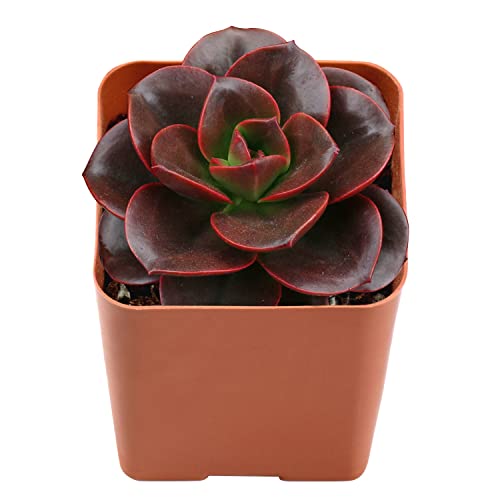
Rosette formation: The hallmark of echeverias, their spiral rosette formation, is a sight to behold.
Varieties of colors and textures: From velvety blues to shimmering purples, echeverias come in a delightful array of colors and textures.
Growth patterns and sizes: Whether you’re looking for a petite plant for your desk or a larger centerpiece, there’s an echeveria size perfect for every space.
Why Echeverias Are Popular Houseplants
- Compact size fits almost anywhere indoors
- Available in many colors, shapes, and textures
- Require less watering than most houseplants
- Easy to propagate from leaves and offsets
- Excellent choice for sunny windowsills
- Suitable for beginners and experienced growers alike
Ideal Conditions for Growth

To ensure your echeveria thrives, it’s essential to recreate its natural habitat as closely as possible. Let’s explore the ideal conditions for its growth.
Best Indoor Locations for Echeveria
South-Facing Windows
A bright south-facing window is often the best location for Echeverias because it provides the intense light needed to maintain compact growth and vibrant colors.
West-Facing Windows
West-facing windows can also work well, especially during winter when sunlight is less intense.
Sunny Shelves and Plant Stands
Echeverias perform well on plant shelves and stands positioned close to bright windows.
Under Grow Lights
If natural light is limited, LED grow lights can help prevent stretching and maintain healthy growth year-round.
Light requirements:
Importance of bright light: Echeverias love basking in bright, indirect sunlight.
Potential for sunburn: But be cautious! Too much direct sun can lead to unsightly sunburns on their leaves.
Temperature preferences:
These plants prefer a warm and cozy environment, ideally between 65-80°F.
Humidity levels:
Echeverias aren’t fans of high humidity; they prefer their surroundings on the drier side.
Watering Needs

Watering is often considered a simple task, but when it comes to echeverias, it’s a delicate balance.
These succulents, with their thick, fleshy leaves, store water, making them resilient during dry spells.
However, this also means they’re particularly sensitive to overwatering.
Let’s dive into the specifics to ensure your echeveria remains hydrated without being overwhelmed.
Signs of Overwatering and Underwatering:
Overwatering: If your echeveria’s leaves start to feel mushy, turn translucent, or yellow, it might be getting too much water.
Additionally, a droopy appearance or a rotten smell can indicate root rot, a consequence of excessive moisture.
Underwatering: On the flip side, wrinkled or shriveled leaves can be a cry for more water. Echeverias can handle drought, but they’d rather not!
Best Practices for Watering Echeveria:
Deep Watering: Instead of frequent light watering, opt for a deep soak. This encourages the roots to grow deeper, making the plant more resilient.
Check the Soil: Before you reach for that watering can, do the finger test. Insert your finger up to 1-2 inches into the soil. If it feels dry, it’s time to water. If it’s still moist, wait a bit longer.
Morning Watering: Watering in the morning allows any excess moisture on the leaves to evaporate during the day, reducing the risk of fungal diseases.
Avoid Wet Leaves: While the roots love water, the leaves? Not so much. Try to water the base of the plant to prevent water from settling on the leaves.
Remember, it’s always better to lean towards underwatering than overwatering when it comes to echeverias.
With a bit of observation and understanding of their needs, you’ll master the art of watering in no time!
Soil and Drainage
The right foundation can make all the difference in your echeveria’s health and happiness. Let’s dive into the perfect soil mix that’ll have your plant thriving in no time.
Importance of well-draining soil: Echeverias, like most succulents, detest waterlogged conditions.
They need soil that allows water to pass through easily, preventing root rot and other moisture-related issues.
Recommended soil mixes: For a match made in plant heaven, consider a 50/50 mix of coco coir and perlite.
Coco Coir and Perlite
This sustainable and organic material has excellent water retention properties, ensuring your echeveria gets the moisture it needs without becoming waterlogged.
Perlite: These little white balls are a gardener’s best friend. They improve aeration, ensuring your plant’s roots have access to the oxygen they need.
Plus, they aid in drainage, ensuring excess water moves away quickly.
Combining coco coir and perlite offers a balanced medium where moisture and air exist in harmony, creating an environment where your echeveria can truly flourish.
Propagation Techniques

Ever looked at your echeveria and thought, “I wish I had more of these beauties”? Well, the good news is, you can!
Propagation is like plant magic, allowing you to multiply your collection without spending a dime.
Let’s unravel the mystery behind this fascinating process and get you started on your propagation journey.
Step-by-Step Propagation Instructions:
• Choose a Healthy Leaf: Begin by selecting a healthy, plump leaf from your echeveria Ensure it’s free from any spots or blemishes.
• Gentle Removal: Gently wiggle the leaf from side to side until it detaches. Aim to get a clean break, ensuring the entire base of the leaf comes off.
• Let it Dry: Place the leaf in a shaded spot and allow it to dry for a few days. You’re waiting for the cut end to callous over, which helps prevent rot when it’s planted.
• Planting Time: Once calloused, place the leaf on top of a 50/50 mix of coco coir and perlite. No need to bury it; just let it sit on the surface.
• Wait and Watch: In a few weeks, you’ll notice tiny pink roots starting to emerge from the base of the leaf. This is a sign your propagation is on the right track!
• Watering: Mist the soil around the leaf every few days, ensuring it’s slightly moist but not waterlogged.
• Baby Echeverias: Over time, you’ll see a tiny rosette forming at the base of the leaf. This is your new echeveria taking shape!
• Transplanting: Once your baby echeveria has grown a bit and has a robust root system, you can transplant it into its own pot.
And there you have it! With a bit of patience and care, you’ll have a brand-new echeveria to add to your collection or gift to a fellow plant lover.
Echeveria Flowering Indoors

Healthy Echeverias can produce attractive flowers on tall stalks that emerge from the center or sides of the rosette. Flower color varies by variety but often includes shades of pink, orange, yellow, or red.
Flowering is more likely when plants receive plenty of sunlight and are actively growing. While many gardeners grow Echeverias primarily for their foliage, the flowers provide an added display of color and interest.
After flowering, remove spent flower stalks to keep the plant looking tidy and encourage continued healthy growth.
Potential Issues and Solutions

While echeverias are relatively low-maintenance, they aren’t entirely free from challenges.
Just like us, they have their off days and face a few pesky problems. But with a keen eye and the right knowledge, you can tackle these issues head-on and keep your echeveria in tip-top shape.
Let’s dive into some common problems and arm you with solutions.
Common Pests:
Mealybugs: These tiny, white, cotton-like pests love to hide in the nooks and crannies of your echeveria
They suck the sap, weakening the plant. Combat them by wiping your plant with a soft cloth dipped in isopropyl alcohol.
Aphids: These small, green or black bugs can be found on the undersides of leaves or on new growth.
A strong stream of water or insecticidal soap can help keep them at bay.
Spider Mites: If you notice fine webbing on your echeveria, you might be dealing with spider mites. Increase humidity and wipe down your plant to deter them and spray them with a neem oil solution.
Potential Problems:
Root Rot: Overwatering can lead to root rot, a fungal disease. If your echeveria’s leaves are turning yellow or mushy, check its roots.
Healthy roots are white and firm, while rotten ones are brown and mushy. If you spot rot, remove the affected roots, let the plant dry out, and repot in fresh soil.
Etiolation (Stretching): If your echeveria starts to look tall and stretched out, it’s craving more light.
This is called etiolation. Move it to a brighter spot to prevent further stretching.
Leaf Drop: If leaves are falling off without any apparent reason, it might be due to extreme temperature changes or overwatering.
Ensure your plant is in a stable environment and check your watering routine.
With these solutions in your plant-care arsenal, you’re well-equipped to handle any challenges that come your echeveria’s way.
Remember, every plant hiccup is a learning opportunity, making you an even better plant grower!
Common Echeveria Problems Indoors
Why Is My Echeveria Stretching?
Stretching, also called etiolation, occurs when Echeverias do not receive enough light. Move the plant to a brighter location or supplement with a grow light.
Why Are The Leaves Turning Soft?
Soft or mushy leaves usually indicate overwatering or root rot. Allow the soil to dry and inspect the roots if symptoms continue.
Why Is My Echeveria Losing Lower Leaves?
Occasional loss of older lower leaves is normal. Excessive leaf loss may indicate watering or lighting problems.
Why Are The Colors Fading?
Many Echeveria varieties develop stronger colors when exposed to bright light. Insufficient light can cause leaves to become pale or green.
Why Is My Echeveria Leaning?
Plants often lean toward the strongest light source. Rotating the pot periodically can help maintain a symmetrical shape.
Echeveria Care Indoors FAQs
How often should I water an indoor Echeveria?
Water thoroughly only after the soil has dried out completely. Most indoor Echeverias need watering every two to three weeks.
Do Echeverias need direct sunlight?
They prefer very bright light and can tolerate some direct sun. Insufficient light often causes stretching and loss of color.
Can Echeverias survive indoors year-round?
Yes. Echeverias make excellent houseplants when provided with bright light, proper watering, and well-draining soil.
What is the best soil for Echeverias?
A fast-draining succulent mix or a 50/50 blend of coco coir and perlite works well for indoor Echeverias.
How do I propagate an Echeveria?
Most Echeverias can be propagated from leaves, offsets, or stem cuttings. Leaf propagation is one of the easiest methods for beginners.
Echeveria Care Indoors Final Thoughts

Echeverias are among the most rewarding succulents to grow indoors. Their colorful rosettes, low water requirements, and compact growth habit make them ideal for windowsills, shelves, and small indoor spaces.
By providing bright light, well-draining soil, and careful watering, you can keep Echeverias healthy and attractive for many years. Most problems can be avoided simply by giving these succulents plenty of light and resisting the temptation to overwater.
Whether you’re growing your first succulent or expanding an existing collection, Echeverias are an excellent choice for indoor gardeners of all experience levels.