
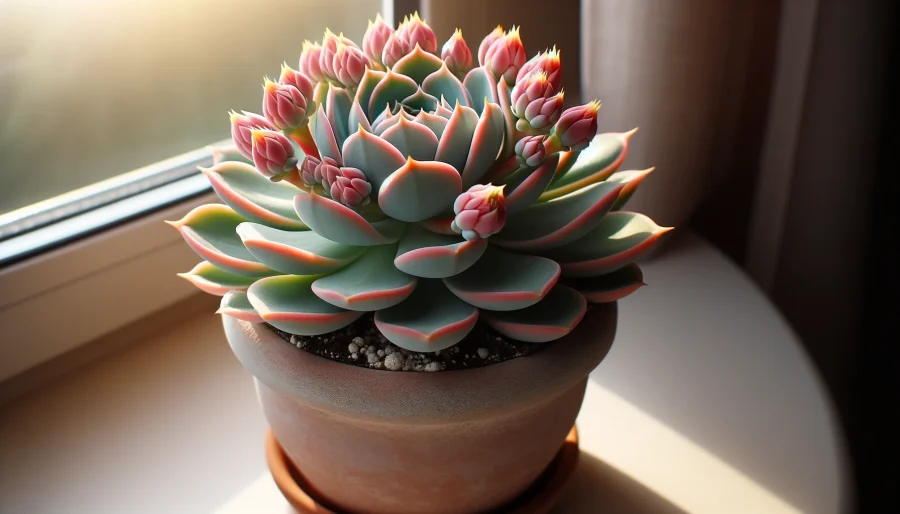
Many succulent enthusiasts discover Echeveria elegans benefits the moment they bring one home. Commonly known as the Mexican Snowball, this attractive succulent combines elegant rosette-shaped foliage with easy-care requirements, making it one of the most beginner-friendly succulents you can grow.
Whether you’re decorating a sunny windowsill, building a succulent collection, or looking for a drought-tolerant houseplant, Echeveria elegans offers beauty, versatility, and low-maintenance care. With proper light, soil, and watering, it can thrive for many years indoors or outdoors.
What You’ll Learn
- The biggest benefits of growing Echeveria elegans
- How to provide the right light, soil, and watering conditions
- Common growing problems and simple fixes
- How to propagate Mexican Snowball succulents
- The best indoor locations for healthy growth
- Tips for keeping Echeveria colorful and compact
Echeveria Elegans Benefits: The Low-Maintenance Plant with High-Style Vibes

Hey there, green thumbs and aspiring plant parents! Are you tired of the same old, same old when it comes to indoor plants?
Looking for a low-maintenance buddy that still brings the wow factor? Let me introduce you to Echeveria elegans, also known as the Mexican Snowball.
This little gem is about to become your new best friend in the world of indoor gardening.
What Is Echeveria Elegens?

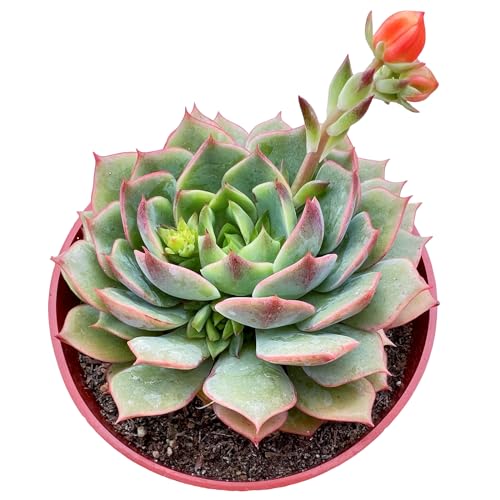
Echeveria elegans, commonly known as the Mexican Snowball, is a popular succulent prized for its symmetrical rosette shape and pale blue-green leaves.
Native to Mexico, this drought-tolerant plant is easy to care for, making it an excellent choice for beginners, container gardens, and sunny indoor spaces.
Why Echeveria Elegans Is So Popular
- Requires very little watering
- Fits easily on desks, shelves, and windowsills
- Produces attractive rosette-shaped foliage year-round
- Easy to propagate from offsets and leaves
- Suitable for beginners and experienced growers
- Works well in succulent arrangements and container gardens
These qualities have made Echeveria elegans one of the most widely grown succulents for indoor gardeners.
Growing Echeveria Elegans: A Comprehensive Guide
Echeveria Elegans, also known as the Mexican Snowball, is a popular succulent that adds a touch of elegance to any indoor garden.
Its rosette-shaped, pale green-blue leaves make it a stunning addition to your plant collection.
Let’s dive into the specifics of growing this beautiful plant.
Light Requirements
Echeveria Elegans thrives in bright, indirect sunlight. It needs at least six hours of direct sunlight when kept indoors to maintain its vibrant color and compact form.
If you’re growing it outdoors, a spot with full to partial sun is ideal. Remember to acclimatize your plant to prevent sunburn, especially during the hotter months.
Best Indoor Locations for Echeveria Elegans
South-Facing Windows
A bright south-facing window provides the strong light needed for compact growth and healthy coloration.
Sunny Plant Shelves
Echeveria works well on shelves positioned near bright windows where it receives several hours of sunlight daily.
Home Offices
Its compact size makes it an excellent desk plant in bright workspaces.
Under Grow Lights
Grow lights can supplement natural sunlight and help prevent stretching in darker homes.
Soil
The key to a healthy Echeveria Elegans is well-draining sandy soil. A succulent and cacti mix is perfect as it ensures quick drainage and prevents water from pooling around the roots, which can lead to root rot.
If you’re creating your own mix, combine sandy soil with perlite or pumice to improve drainage.
I find a 50/50 mix of coco coir and perlite works really well for all succulents and cacti.
Watering
Echeveria Elegans prefers the soak and dry method of watering.
Wait until the soil is completely dry before giving it a thorough watering.
During the dormant winter months, reduce watering frequency as the plant requires less moisture.
Overwatering can cause root rot, so it’s better to err on the side of underwatering.
Temperature
This succulent is quite adaptable and can tolerate a range of temperatures.
It prefers warm climates but can handle some cold, making it suitable for growing in various regions.
However, it’s best to protect your Echeveria Elegans from frost and extreme cold by bringing it indoors during winter.
Fertilizing
Echeveria Elegans is not a heavy feeder, so fertilizing is not usually required.
However, if you want to give your plant a little boost, you can use a slow-release, diluted fertilizer during its growing season.
Be cautious not to over-fertilize, as this can harm the plant.
Propagation
One of the joys of growing Echeveria Elegans is its ease of propagation.
You can propagate this succulent from leaf, offsets, and stem cuttings.
Simply let the cuttings dry for a few days, then plant them in well-draining soil.
With some patience, you’ll soon see new growth emerging.
By following these guidelines, you can ensure your Echeveria Elegans thrives and brings beauty to your indoor garden for years to come. Happy gardening!
Common Echeveria Elegans Problems
Why Is My Echeveria Stretching?
Stretching, also called etiolation, is usually caused by insufficient light. Move the plant to a brighter location or use a grow light.
Why Are The Leaves Turning Yellow?
Yellow leaves are often caused by overwatering, poor drainage, or root stress.
Why Are The Leaves Wrinkled?
Wrinkled leaves typically indicate the plant needs water. Check soil moisture and water thoroughly if completely dry.
Why Are Leaves Falling Off?
Lower leaves naturally die over time, but excessive leaf drop may indicate watering problems or sudden environmental changes.
Why Is My Echeveria Losing Color?
Insufficient sunlight often causes Echeveria to become pale green and lose the attractive coloration many growers enjoy.
Overwatering and Root Rot
Overwatering is a common issue that can lead to root rot, a condition that can be fatal for your Echeveria Elegans.
Symptoms include yellowing leaves and a mushy base. To prevent this, ensure your pot has good drainage and let the soil dry out completely between waterings.
If you suspect root rot, remove the affected parts and repot the plant in fresh, dry soil.
Sunburn
While Echeveria Elegans loves sunlight, too much direct exposure can cause sunburn, leading to discolored or scorched leaves.
To avoid this, gradually acclimate your plant to bright light and provide some shade during the hottest parts of the day, especially in summer.
Pests
Pests like mealybugs, spider mites, and aphids can infest Echeveria Elegans.
These critters suck sap from the leaves, weakening the plant. Keep an eye out for any signs of infestation, such as small bugs or sticky residue on the leaves.
Treat pests promptly with insecticidal soap or neem oil to keep your plant healthy.
By staying vigilant and addressing these common issues promptly, you can keep your Echeveria Elegans thriving and enjoy its beauty for years to come.
Mastering Echeveria Elegans Care Throughout the Year
Caring for Echeveria elegans is an enjoyable journey that extends through all seasons.
With each passing phase of the year, these succulents offer new surprises and require slight tweaks in their care routine.
Seasonal Care Adjustments
As the seasons shift, so do the needs of your Echeveria elegans.
In the summer, they bask in longer daylight hours but may need protection from the scorching midday sun.
Come fall, begin to reduce watering as the plant prepares for dormancy.
Winter brings a rest period, so place your Echeveria in a bright spot and water sparingly, just enough to prevent shriveling.
As spring awakens, gradually increase watering and welcome the growth spurt with some light fertilizing.
Blossoming Beauty: Flowering Care
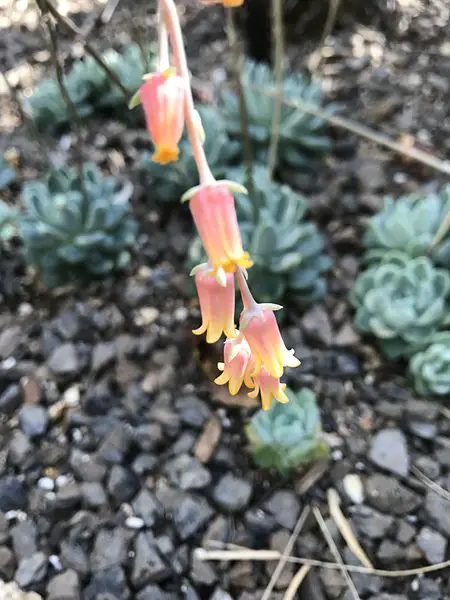
Echeveria elegans blooms with slender pink stalks of flowers with yellow tips, typically in winter and spring.
During this time, ensure your plant continues to get plenty of light to support its flowering.
After the blooms fade, you can snip the stalk close to the rosette’s base to redirect energy back to the plant.
Picking the Perfect Pot and The Repotting Rhythm
The right pot can make a difference. Terra-cotta pots with drainage holes are ideal, as they allow the soil to dry appropriately between waterings.
Repot your Echeveria every two to three years, or when it outgrows its pot, to refresh the soil and provide room for growth.
Designing with Echeveria Elegans
Echeveria elegans fits seamlessly into minimalist and modern designs or as a pop of green in a boho-chic setting.
Pair it with complementary succulents or place it as a solitary showstopper on a coffee table or office desk for a touch of living art.
Combating Common Diseases
While generally hardy, Echeveria elegans can fall prey to fungal diseases if overwatered.
Keep an eye out for signs like soft, discolored spots on the leaves.
At the first sign of trouble, reduce watering and improve airflow around your plant.
Caring Through the Cold
In cold winter climates, Echeveria elegans should be brought indoors to avoid frost damage.
Provide them with a south-facing window where they can enjoy the winter sun and monitor the indoor humidity levels to ensure they remain comfortable until spring’s return.
By understanding these nuances, you can ensure that your Echeveria elegans not only survives but thrives throughout the year, adapting beautifully to each season’s unique conditions.
Echeveria Elegans FAQs
How often should I water Echeveria elegans?
Allow the soil to dry completely before watering. Most indoor plants need water every two to three weeks depending on conditions.
Can Echeveria elegans grow indoors?
Yes. Echeveria elegans is an excellent indoor succulent when provided with bright light and well-draining soil.
Why is my Echeveria stretching?
Stretching is usually caused by insufficient sunlight. Moving the plant to a brighter location often solves the problem.
Is Echeveria elegans safe for pets?
Echeveria elegans is generally considered non-toxic to cats and dogs.
How do I propagate Echeveria elegans?
You can propagate Echeveria from offsets, leaves, or stem cuttings using well-draining succulent soil.
Echeveria Elegans Benefits Final Thoughts
Echeveria elegans combines attractive rosette-shaped foliage with easy-care requirements, making it one of the best succulents for beginners and experienced growers alike. Its compact size, drought tolerance, and ability to thrive in containers make it a versatile addition to indoor spaces.
Providing bright light, well-draining soil, and careful watering will help keep your Mexican Snowball healthy and colorful for years. Most common problems can be avoided by preventing overwatering and ensuring the plant receives enough sunlight.
Whether displayed on a windowsill, desk, or succulent arrangement, Echeveria elegans offers year-round beauty with very little maintenance.
Continue Exploring Succulent Care
Resources for Growing Echeveria Elegans
Here are some reputable sources that provide detailed information about growing and caring for Echeveria Elegans:
- Epic Gardening: This comprehensive guide covers everything from light requirements to common issues and solutions for Echeveria Elegans. Echeveria Elegans: Growing Mexican Snowballs
- Garden Beast: Find useful tips on offset propagation, repotting, and caring for Echeveria Elegans, including watering and fertilizing recommendations. Echeveria Elegans: How to Grow & Care for Mexican Snowballs
- DIYs.com: Explore care tips for soil, transplanting, watering, and fertilizing Echeveria Elegans to keep your succulent healthy and vibrant. Echeveria Elegans Care: How to Grow and Care For The Mexican Snowball
- Wikipedia: Get an overview of the Echeveria Elegans species, including its description, cultivation, and etymology. Echeveria elegans – Wikipedia
By exploring these resources, you’ll gain a deeper understanding of how to successfully grow and care for Echeveria Elegans, ensuring that this beautiful succulent thrives in your home or garden.