
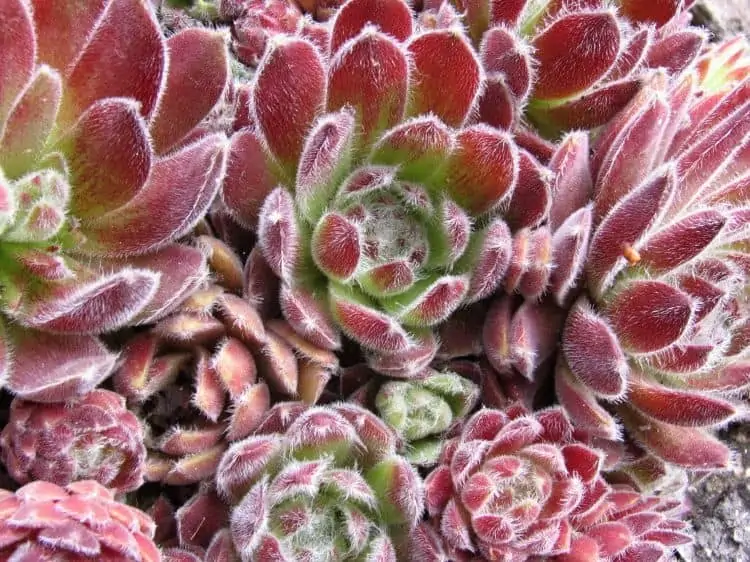
Echeveria plant benefits go beyond just looks. These compact succulents are easy to care for, drought-tolerant, and fit well in small indoor spaces.
If you want a plant that adds color without adding a lot of work, echeveria is one of the easiest choices. They stay small, grow slowly, and don’t need constant attention.
In this guide, you’ll learn the real benefits of echeveria plants, along with simple care tips to keep them healthy indoors.
What You’ll Learn
- The main benefits of echeveria plants for indoor growing
- Why they are ideal for beginners and small spaces
- How their drought tolerance makes care easier
- Basic care tips to keep echeveria healthy
- Common problems and how to avoid them
What are echeveria plants and why are they popular houseplants?
Echeveria plants are a type of succulent that is native to Mexico and parts of Central America.
They are popular houseplants because they are low-maintenance and easy to care for.
Echeveria plants come in a variety of colors, shapes, and sizes, which makes them perfect for any landscape.
Some of the most popular echeveria plant benefits include:
• Low Maintenance: Echeveria plants are very easy to care for. They don’t require much water and can tolerate drought conditions.
• Drought Tolerant: As we mentioned, echeveria plants are very drought tolerant. This makes them perfect for those who live in areas with little rainfall or forget to water their indoor plants.
• Variety: As we mentioned, echeveria plants come in a variety of colors, shapes, and sizes. This allows you to find the perfect plant for your home or office.
• They are slow growers
• They are inexpensive to buy
• They make great gifts
• Excellent plants for beginners
So if you’re looking for a low-maintenance plant that is easy to care for, we highly recommend echeveria plants.
How to care for your echeveria plant
To keep your echeveria plant looking its best, it’s important to give it the proper care. Here are a few tips on how to take care of your echeveria plant:
• Place your echeveria plant in an area where it will receive plenty of sunlight. Echeveria plants need at least six hours of sunlight per day to thrive.
• Water your echeveria plant when the soil is dry to the touch. Be sure not to overwater, as this can cause root rot.
• Fertilize your echeveria plant every month during the growing season with a balanced fertilizer diluted by 50 percent.
Echeveria plant pests and diseases and how to treat them
Unfortunately, echeveria plants are susceptible to mealybugs and scale, and other common indoor plant pests.
These pests can be treated with a variety of methods, including insecticidal soap or neem oil.
If your plant is affected by mealybugs or scale, you’ll notice white fluffy stuff or small brown dots on the leaves. If you see these, be sure to act quickly to prevent the infestation from spreading.
Echeveria plants are also susceptible to root rot, which is caused by too much water.
If you think your plant has root rot, the first thing to do is check the roots. If they’re brown and mushy, then it’s likely that your plant has root rot.
The best course of action is to remove the affected roots and replant them in a fresh, well-draining cactus mix.
Echeveria plant propagation tips
As we mentioned before, echeveria plants can be propagated by leaf cuttings or offsets.
To propagate by leaf cuttings, simply remove a healthy leaf from the plant and place it in a pot of well-draining cactus mix.
Some people recommend giving them a few days to callous over before laying them on top of a moist potting medium.
Keep the soil moist and in a few weeks, you should see young plantlets growing on the leaf ends and roots forming.
Offsets can be removed from the parent plant and potted up in the same way.
Propagating echeveria by stem cuttings is also possible, but it’s a bit more difficult.
To propagate by stem cuttings, you’ll need to take a cutting that includes at least two leaves.
Allow the cutting to callus for a few days and then plant in fresh, well-draining cactus mix.
Keep the soil moist and in a few weeks, you should see new growth.
Echeveria Care FAQs
Tending to Echeveria plants is a rewarding experience. However, a few common questions may arise as you embark on your Echeveria gardening journey.
Below are some frequently asked questions to guide you towards successful Echeveria cultivation.
Q. How often should I water my Echeveria plant?
A. Watering needs can vary with the season. During the spring and summer, keep the soil barely moist, always leaning towards the dry side.
In the winter, water sparingly. Always ensure the soil is dry to the touch before watering again.
Q. What type of light is best for Echeveria?
A. Echeverias thrive in bright indirect light with some direct morning sun. Avoid harsh afternoon sunlight as it can cause leaf scorching.
Q. What is the optimum temperature for Echeveria plants?
Echeveria plants prefer a more temperate climate and are not frost-tolerant.
They thrive best in warm temperatures and should be kept indoors or in a greenhouse during freezing temperatures to protect them from frost damage.
It’s ideal to maintain a temperature range of 50°F to 75°F for healthy growth.
If grown outdoors, they should be placed in a location where they are protected from frost to prevent damage to the foliage.
Q. How can I propagate my Echeveria plant?
A. Echeveria plants can be propagated by leaf cuttings, offsets, or stem cuttings.
For leaf cuttings, remove a healthy leaf, let it callous for a few days, then lay it on top of a moist potting medium.
For stem cuttings, ensure a cutting of at least two leaves, allow it to callous, then plant in a well-draining cactus mix.
Offsets can be separated from the parent plant and potted similarly. Keep the soil moist, and in a few weeks, you should see new growth.
These questions cover the basics of Echeveria care, but there’s always more to learn as you continue to nurture your plants.
Enjoy the process, and soon you’ll have thriving Echeverias beautifying your space!
Echeveria Plant Benefits Conclusion
We hope you enjoyed this blog post about the benefits of echeveria plants.
These beautiful plants are easy to care for and make a great addition to any landscape.
Be sure to follow the tips we provided on echeveria plant care.
Echeveria plants are a great addition to any home or office
• Echeveria plant benefits include improving air quality and reducing stress levels.
• Echeveria plants are easy to care for and can be enjoyed by people of all ages.
If you’re looking for a low-maintenance plant that has multiple benefits, consider an Echeveria.
Here is a link to Echeveria Orion care.
Here is an article on Echeveria elegans
If you want to learn more about other succulents we have articles about caring for indoor succulents.