
How To Use Coco Coir Bricks is one of the first things many indoor gardeners need to learn when switching from traditional potting soil to coco coir. These compressed bricks are lightweight, easy to store, and expand into a high-quality growing medium when water is added.
I have used coco coir for years in container gardens, hydroponic systems, strawberries, peppers, tomatoes, and indoor vegetables.
So today I want to talk about how to use coco coir bricks and explain the benefits of using coco coir bricks and how to rehydrate them.
Properly prepared coco coir provides excellent drainage, strong root development, and better control over watering and nutrients.
What You’ll Learn
- How to rehydrate coco coir bricks correctly
- Why coco coir is popular for indoor gardening
- The difference between buffered and unbuffered coco
- Common mistakes beginners make with coco coir
- How to get the best results growing in coco
How To Use Coco Coir Bricks
Canna Coco Coir Is The Best
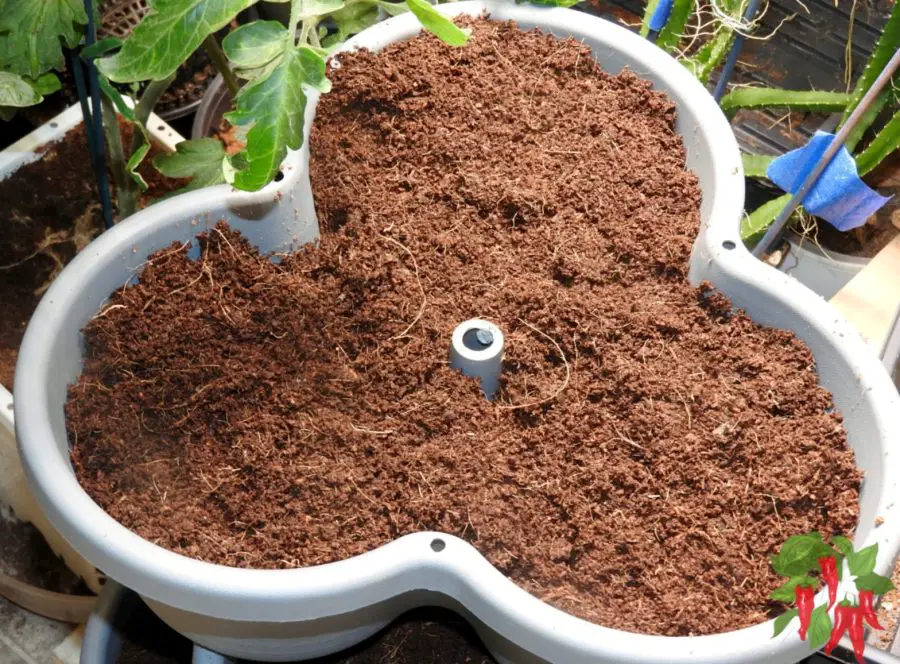
I have tried many different brands of coconut coir over the years. But Canna has consistently been the best.
They introduced coco coir to the world and Dutch farmers ran with it and proved it to be an outstanding growth medium.
The texture is consistent and it is prebuffered. It is ready to use right out of the bag or from a brick.
Some coco is high in salt and is used for animal bedding primarily. It needs all the salt leached out before you can grow anything in it.
Using Coco Coir Bricks
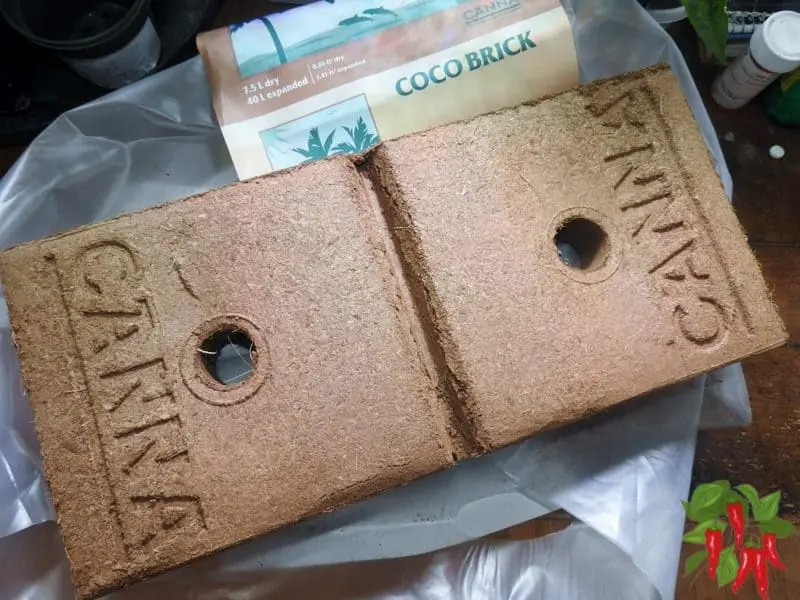
To use coco coir bricks they need to be rehydrated.
Canna Coco Bricks come 2 in a package of 2 bricks and each brick makes about 5 gallons of finished coco coir. If you need less the bricks can be broken in half.
For a single brick, I break it in half which speeds up rehydration time. I place them in a 14-gallon Rubbermaid tote and add about 3 gallons of water. I add about 3 ml per gallon of CaliMagic to the water.
Then I let it set until all the water is used up usually in about 15-30 minutes.
At this point, it should be ready to use although I go through it with my hands to make sure it is fully rehydrated.
Step-by-Step: How to Rehydrate Coco Coir Bricks
- Place the brick in a large tote, bucket, or container.
- Add warm water gradually according to the manufacturer’s instructions.
- Allow the brick to absorb water and expand.
- Break apart compressed sections with your hands.
- Check for dry pockets and add additional water if needed.
- Mix thoroughly until the texture is uniform.
- Use immediately or store in a sealed container.
A single coco coir brick can expand into several gallons of growing medium, making it much easier to transport and store than pre-expanded bags.
Why Use Coco Bricks?
I prefer coco bricks. They are much easier to move and store. But there is another reason.
Coco coir is soaked and leached outdoors and fungus gnats can lay their eggs on it.
But the bricks are dried and compressed and eggs can’t survive this while loose coco may still contain eggs.
I know fungus gnats can be a pest even though fairly harmless and I don’t get any using the bricks.
Common Uses for Coco Coir Bricks
- Container vegetable gardening
- Indoor hydroponic systems
- Seed starting
- Microgreens production
- Strawberry towers and vertical planters
- Indoor herb gardens
- Houseplants and tropical plants
Because coco coir retains moisture while maintaining excellent aeration, it works well for a wide range of indoor gardening applications.
Canna Coco Is What I Use And Recommend
All coco coir is not created equally. Some cheaper brands contain high levels of salt making them unsuitable for growing plants.
Canna coco is prebuffered and very low in salts.
It also has consistently high quality and I have tried other brands but it still remains the best quality coco coir on the market.
It is available as coco bricks or loose and ready-to-use.


Coco has unique properties and requires a fertilizer made for coco for best results. Canna started the coco revolution and Coco A & B is still the best.
The Coco Coir Advantage: Boosting Plant Health and Happiness
Using coco coir for your plants comes with a host of advantages that can help your indoor garden thrive.
Its superb water retention and drainage capabilities ensure that your plants receive the right amount of moisture without the risk of overwatering.
The excellent aeration provided by coco coir promotes strong root growth, ultimately leading to healthier, more vigorous plants.
Plus, its natural resistance to pests and diseases means you’ll be creating a safer environment for your green friends.
Coco Coir in Context: Limitations and Considerations
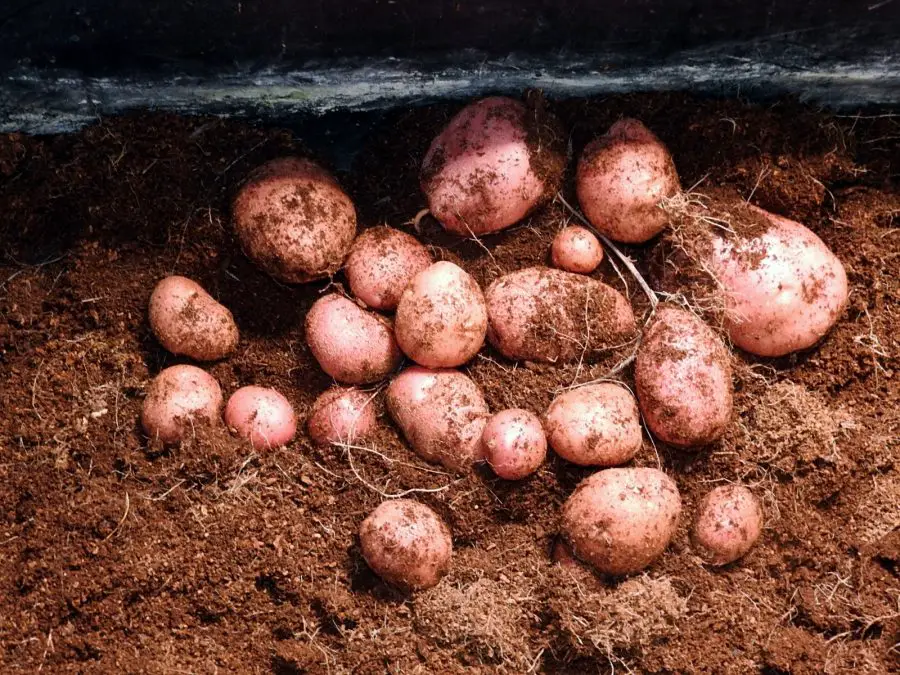
While coco coir is a fantastic growing medium, there are a few things to keep in mind before making the switch.
One potential limitation is that coco coir can sometimes contain high levels of salt, which could harm your plants.
To avoid this issue, it’s important to thoroughly rinse and buffer your coco coir before use. If you use Canna Coco it is prebuffered and you can skip this step.
Additionally, coco coir doesn’t provide essential nutrients for plant growth, so you’ll need to supplement with a balanced fertilizer to ensure your plants receive the necessary nutrients.
Proper fertilization requires the use of a cal/mag nutrient. I use CaliMagic and found it to be the best.

This improves fertility by forcing out excess potassium and adding calcium and magnesium in its place.
More Tips to Get the Most out of Coconut Coir
Coco coir is actually considered an inert grow medium which makes it suitable for use in hydroponic systems.
Don’t use it like soil. It should always remain moist but not wet for best results.
Don’t feed and then water like soil. Coco coir should be fed every time it is watered.
Don’t use plain water. There should always be nutrients in the water.
I am using a lot of coco coir in my indoor gardens. Read about my kitchen garden
Common Coco Coir Problems and Solutions
Why Are My Plants Turning Yellow in Coco?
Yellow leaves are often caused by nutrient deficiencies, especially calcium and magnesium shortages. Coco coir can tie up these nutrients if it has not been properly buffered.
Why Is My Coco Coir Drying Out Too Fast?
Small containers, high temperatures, and strong airflow can cause coco to dry quickly. Increase watering frequency or use larger containers.
Can You Overwater Plants in Coco Coir?
While coco drains very well, constantly saturated conditions can still cause root problems. Good drainage and proper nutrient management remain important.
Why Is My Coco Coir Turning Green?
Green growth on the surface is usually algae caused by moisture and light exposure. It is generally harmless but can indicate the surface is staying wet for long periods.
Do I Need Cal-Mag with Coco Coir?
Most growers benefit from using a calcium and magnesium supplement when growing in coco coir, especially if using reverse osmosis or soft water.
How To Use Coco Coir Bricks FAQs
How much water does a coco coir brick need?
Most coco coir bricks require several gallons of water to fully expand. Always check the manufacturer’s instructions since expansion rates vary by brand.
Do coco coir bricks need to be rinsed?
High-quality buffered products such as Canna Coco are ready to use after rehydration. Lower-quality coco may need rinsing and buffering before planting.
Can coco coir be reused?
Yes. Coco coir can often be reused for multiple growing cycles if it is cleaned, buffered, and refreshed properly.
Is coco coir better than potting soil?
Coco coir offers superior drainage and aeration, while potting soil contains nutrients and typically requires less frequent feeding. The best choice depends on your growing style.
How To Use Coco Coir Bricks Final Thoughts
Coco coir bricks are one of the most convenient and effective growing media available for indoor gardeners. They are easy to store, simple to rehydrate, and provide excellent drainage and aeration for healthy root development.
Whether you’re growing vegetables, herbs, strawberries, or houseplants, properly prepared coco coir can produce outstanding results when combined with the right nutrients and watering practices.
For my own indoor gardens, coco coir remains one of the most reliable growing media I’ve used, and it continues to be the foundation of many of my growing systems.