
This post may contain affiliate links. If you buy something from one of our links we may earn a commission. Thanks
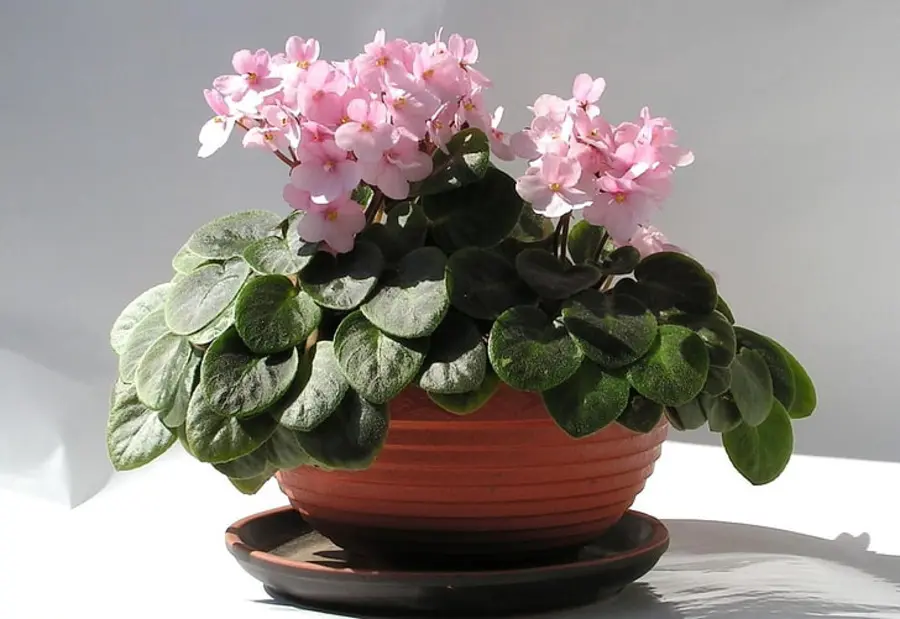
If you’ve been searching for the best pet friendly indoor plants for small spaces, you’re in the right spot.
You want a home that feels fresh, green, and cozy—without worrying about what your pets might nibble on.
This guide shows you safe, beginner-friendly plants that fit perfectly in apartments, small rooms, or any compact indoor setup, so you can enjoy beautiful greenery and peace of mind at the same time.
Best Pet Friendly Indoor Plants for Small Spaces (Beginner Guide)
If you’ve ever dreamed of filling your home with plants but worried about your curious cat or playful pup, you’re in the right place.
Pet-friendly indoor plants let you enjoy lush greenery and blooms without stressing over every nibble or paw swipe.
What You’ll Learn 🐾🌿
- 🌱 What “pet-friendly” really means (and what it doesn’t)
- 🏡 How to choose safe plants that fit apartments, condos, and small homes
- 🐶 15 beginner-friendly plants that are non-toxic to cats and dogs
- 🪴 Simple placement and setup tips to protect both plants and pets
- ❓ Clear answers to common pet-and-plant questions, plus trusted references
Why Pet-Friendly Indoor Plants Matter
When you share your space with pets, your plant choices matter just as much as your furniture or cleaning supplies.
Many popular houseplants look harmless but can cause stomach upset, drooling, or worse if chewed.
- 🐕 Curious chewers: Puppies, kittens, and bored indoor pets often explore with their mouths.
- 🛡️ Peace of mind: Choosing non-toxic, pet-safe plants means fewer panicked “what did they just eat?” moments.
- 🌿 Win–win: You still get all the benefits of greenery—better vibes, softer acoustics, and visual calm—without putting your animals at risk.
Pet-safe doesn’t mean you want your cat grazing on everything, but it does give you a safer baseline to build your indoor jungle around.
How to Choose Pet-Safe Plants for Small Spaces
In a small home or apartment, your plants live closer to your pets—on shelves, window sills, counters, and even the floor. That makes smart selection even more important.
- 📋 Check toxicity lists: Use trusted sources (veterinary sites or university extensions) to confirm that a plant is non-toxic to cats and dogs.
- 🪴 Look for compact growth: Choose plants that stay tidy on shelves, small tables, or hanging planters.
- 💡 Match light and room: Pick plants that match the natural light in your space so you aren’t constantly fighting leggy, unhappy foliage.
- 💧 Go for forgiving: As a beginner, you want plants that bounce back from the occasional missed watering or slightly off conditions.
Now let’s walk through some of the best pet-friendly plants you can confidently grow indoors—and where you can learn more about each one.
Best Pet-Safe Indoor Plants for Beginners

All of the plants below are considered non-toxic to cats and dogs and can work well in smaller spaces when given the right light and care.
You’ll also see links to individual care guides where they’re already available on Indoor Garden Space so you can dive deeper when you’re ready.
Spider Plant (Chlorophytum comosum) 🕷️🌱

Spider plants are classics for a reason. They’re tough, adaptable, and send out those fun little “spiderettes” that trail down from hanging baskets.
They’re also non-toxic to pets, which makes them a perfect starter plant for busy households.
- 💡 Light: Bright, indirect light is ideal, but they tolerate lower light better than many plants.
- 💧 Water: Let the top of the soil dry slightly between waterings to avoid soggy roots.
- 🐾 Pet factor: Some cats love batting at the hanging babies. Hang them high or use a sturdy plant hanger if your cat is extra playful.
- 📖 Learn more: How to Care for Spider Plants
Parlor Palm (Chamaedorea elegans) 🌴

Parlor palms bring gentle, old-fashioned charm to tiny rooms and apartments. They stay relatively compact, handle lower light, and give you that “mini indoor jungle” look without overwhelming the room.
- 💡 Light: Low to medium, indirect light—great for corners that don’t get blasted by sun.
- 💧 Water: Keep the soil lightly moist but never soggy; they don’t like sitting in water.
- 🐾 Pet factor: Non-toxic fronds that sway gently make them visually interesting without adding risk.
- 📖 Learn more: Parlor Palm Indoor Care
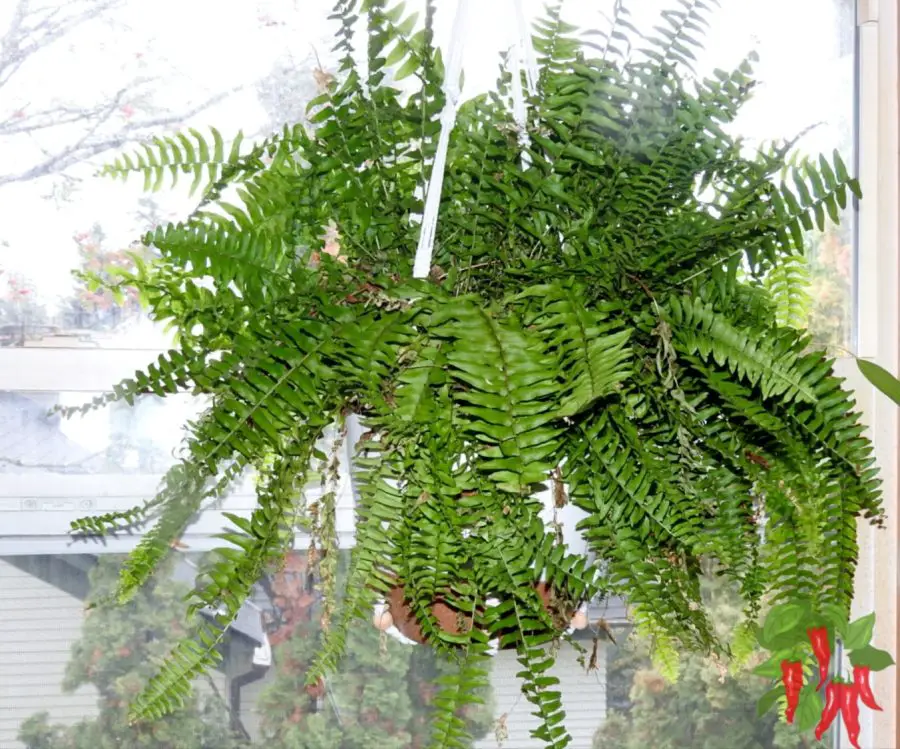
Boston Fern (Nephrolepis exaltata) 🌿

Boston ferns bring lush, old-school greenery to shelves, plant stands, and hanging baskets. They’re safe for pets and especially happy in more humid rooms like bathrooms with bright, filtered light.
- 💡 Light: Bright, indirect light—avoid hot direct sun that can scorch fronds.
- 💧 Water: They like consistently moist soil and higher humidity, so misting or a pebble tray can help.
- 🐾 Pet factor: Non-toxic, but try to keep them out of reach if your pets love digging in soil.
- 📖 Learn more: Boston Fern Care Indoors
Areca Palm (Dypsis lutescens) 🌴☀️

If you want a soft, tropical feel in a small living room or bright hallway, the Areca palm is a great choice. It has feather-like fronds, stays reasonably manageable in containers, and is non-toxic to cats and dogs.
- 💡 Light: Bright, indirect light for the best color and growth.
- 💧 Water: Allow the top inch of soil to dry between waterings; they dislike constantly soggy soil.
- 🐾 Pet factor: Pet-safe, but larger palms can become leafy playthings—consider placing them where pets can’t climb into the pot.
- 📖 Learn more: Areca Palm Care Indoors
Ponytail Palm (Beaucarnea recurvata) 🐴🪴

Despite the name, ponytail palm isn’t a true palm—but it is an amazing small-space plant. With its thick, bulb-like trunk and fountain of strappy leaves, it looks quirky and sculptural while staying relatively compact.
- 💡 Light: Bright, indirect light is best, but it can adapt to medium light.
- 💧 Water: Very drought-tolerant—let the soil dry out well between waterings.
- 🐾 Pet factor: Non-toxic and tough, making it a great low-maintenance option around animals.
- 📖 Learn more: How to Care for a Ponytail Palm Indoors
African Violet (Saintpaulia) 🌸

If you want flowers that won’t bother your pets, African violets are a solid pick. Compact rosettes and colorful blooms fit perfectly on windowsills, desks, or small shelves.
- 💡 Light: Bright, indirect light—direct sun can burn those soft leaves.
- 💧 Water: Keep the soil lightly moist and avoid splashing water on the leaves to prevent spotting.
- 🐾 Pet factor: Non-toxic blooms and foliage make them safer for curious noses.
- 📖 Learn more: African Violet Care Indoors
Bird’s Nest Fern (Asplenium nidus) 🪹🌿
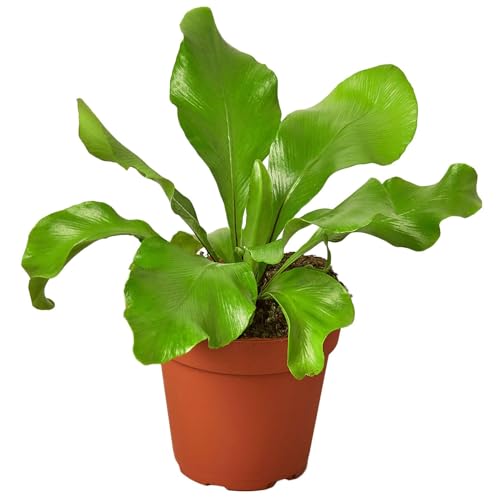
Bird’s nest ferns bring a bold, tropical look with their upright, wavy fronds. Unlike feathery ferns, they form a tidy rosette that fits nicely on plant stands or shelves in smaller rooms.
- 💡 Light: Medium to bright, indirect light; too much direct sun can scorch the fronds.
- 💧 Water: Keep the soil slightly moist and boost humidity when you can.
- 🐾 Pet factor: Non-toxic and sturdy, great for homes with pets that like to explore.
- 📖 Learn more: Caring for Bird’s Nest Fern Indoors
Polka Dot Plant (Hypoestes phyllostachya) 🌈

Polka dot plants bring splashes of pink, white, or red variegation to your indoor collection. They stay fairly compact in small pots and add a cheerful pop of color without taking up much real estate.
- 💡 Light: Bright, indirect light keeps the leaf colors vivid.
- 💧 Water: Keep the soil lightly moist; they can wilt if they get too dry but usually perk back up.
- 🐾 Pet factor: Non-toxic, so those colorful leaves are safer to have at eye level.
- 📖 Learn more: Polka Dot Plant Indoor Care
Calathea (Calathea orbifolia & friends) 🌀
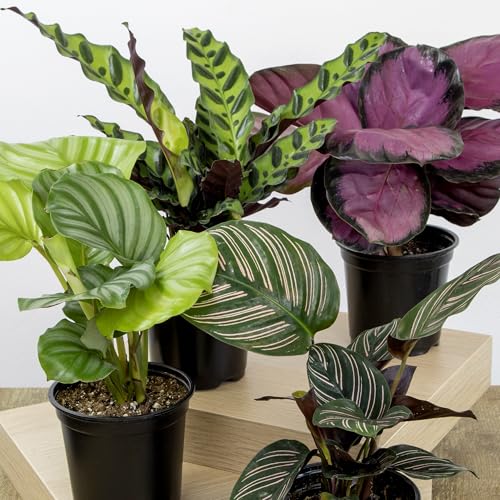
Calatheas are famous for their patterned leaves and “prayer plant” movement. They’re non-toxic to pets and bring serious visual drama to a bookshelf or plant stand, especially in small collections.
- 💡 Light: Medium to bright, indirect light—no harsh sun.
- 💧 Water: Prefer evenly moist soil and higher humidity; they can be a bit finicky but rewarding.
- 🐾 Pet factor: Safe for cats and dogs, which is great since many people keep them at lower heights to show off the foliage.
- 📖 Learn more: Calathea Care Indoors Made Easy
Friendship Plant (Pilea involucrata) 🤝
Friendship plants are small, textured, and easy to share—hence the name. They’re great for desks, small shelves, or grouped in mixed containers, and they’re non-toxic to pets.
- 💡 Light: Bright, indirect light is ideal, though they tolerate medium light.
- 💧 Water: Keep the soil slightly moist, avoiding extremes of bone-dry or waterlogged.
- 🐾 Pet factor: Non-toxic, which makes them a nice choice for lower shelves or coffee tables.
Baby Tears (Soleirolia soleirolii) 🌧️

Baby tears is a delicate, mat-forming plant that looks like a tiny living carpet. It works beautifully as a trailing accent in small pots or at the base of taller, pet-safe plants.
- 💡 Light: Bright, indirect light; low light can make it sparse.
- 💧 Water: Likes consistent moisture and does not appreciate drying out completely.
- 🐾 Pet factor: Considered non-toxic, but because it’s low-growing, you may want to tuck it in protected spots away from digging paws.
Christmas Cactus (Schlumbergera) 🎄🌺

Christmas cactus brings festive blooms indoors around the holidays and beyond. Unlike some other holiday plants, it’s considered non-toxic to cats and dogs when grown indoors.
- 💡 Light: Bright, indirect light with a bit of cooler fall temperatures to trigger blooms.
- 💧 Water: Water when the top of the soil feels dry; don’t let it sit in water.
- 🐾 Pet factor: Safe for pets, though some nibbling could still cause mild stomach upset just from eating plant material.
- 📖 Learn more: Zygocactus (Christmas Cactus) Care Indoors
Cast Iron Plant (Aspidistra elatior) 🛡️

The cast iron plant is almost impossible to kill and perfectly suited to busy, low-light homes. It grows slowly, tolerates neglect, and is non-toxic to pets—an ideal combo for beginners.
- 💡 Light: Low to medium light; avoid harsh direct sun.
- 💧 Water: Let the soil dry slightly between waterings; overwatering is more of a risk than underwatering.
- 🐾 Pet factor: Large, tough leaves and non-toxic status make it a great floor plant in pet homes.
- 📖 Learn more: Cast Iron Plant Indoor Care
Orchids (many varieties) 🌸🕊️

Many common orchids grown as houseplants are considered non-toxic to cats and dogs. Their elegant blooms don’t take up much horizontal space, making them perfect for window ledges, side tables, or plant shelves.
- 💡 Light: Bright, indirect light; east- or north-facing windows are often ideal.
- 💧 Water: Most orchids prefer a soak-and-drain routine rather than constantly wet roots.
- 🐾 Pet factor: Non-toxic blooms and foliage, but they’re fragile—keep them where wagging tails can’t knock them over.
- 📖 Learn more: Growing Jewel Orchids Indoors
Rattlesnake Plant (Calathea lancifolia) 🐍🌿
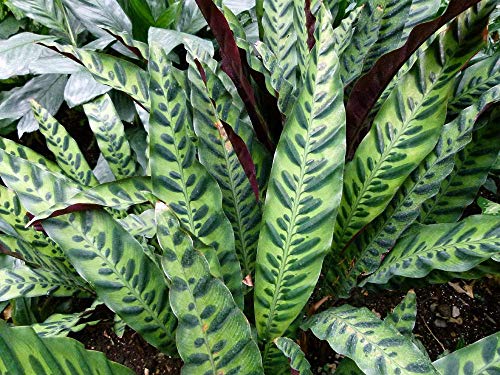
Rattlesnake plant is a striking Calathea with long, wavy leaves patterned in deep green and purple. It’s safe for pets and a real statement piece in a small-space indoor collection.
- 💡 Light: Medium to bright, indirect light.
- 💧 Water: Likes consistent moisture and higher humidity, similar to other Calatheas.
- 🐾 Pet factor: Non-toxic, so it’s a safer option even if leaves end up within paw reach.
- 📖 Learn more: Rattlesnake Plant Indoor Care
🌿 Important for Pet Owners
Before bringing any new plant home, double-check its safety using the ASPCA’s official toxic and non-toxic plant database. It’s one of the most trusted resources for pet parents.
Simple Setup Tips for Pet Owners in Small Spaces
Once you’ve picked your plants, a few small tweaks can keep everyone—plants and pets—happier.
- 🪜 Go vertical: Use shelves, wall planters, and hanging baskets to keep plants up and away from curious mouths.
- 🧺 Create “no-pet” zones: A closed office, bedroom, or high shelf can be a plant-only area.
- 🧴 Skip leaf shine: Many commercial leaf-shine products aren’t pet-friendly. A soft damp cloth works just fine.
- 💩 Cover bare soil: A layer of decorative stones can discourage digging while still letting water through.
- 🧪 Use safe fertilizers: Follow label directions and avoid over-fertilizing; store products out of reach.
FAQs: Pet-Safe Plants and Curious Cats & Dogs
Here are some quick answers to the questions most pet parents ask when they start adding plants to their small spaces.
What does “pet-friendly plant” actually mean?
“Pet-friendly” or “non-toxic” generally means the plant is not known to cause serious poisoning in cats or dogs if they nibble a small amount. Your pet might still get mild stomach upset from eating any plant material, but it’s far less likely to be dangerous than a truly toxic species.
Are pet-safe plants 100% safe for my pet to chew?
No plant is a free snack bar. Even non-toxic plants can cause vomiting or diarrhea if a pet eats a lot. Pet-safe simply means they’re far less likely to cause severe or life-threatening reactions.
How can I tell if a plant is toxic before I buy it?
Look up the plant’s common and scientific name on a trusted pet or university site before you bring it home. If you can’t confirm that it’s non-toxic, skip it or keep it in an area your pets can’t access.
What should I do if my pet eats part of a plant?
First, identify the plant. If it’s known to be non-toxic, watch your pet for mild stomach upset. If you’re unsure what the plant is, or you know it’s toxic, contact your veterinarian or an animal poison hotline right away and follow their instructions.
Where should I place plants so my pets don’t destroy them?
Use high shelves, wall-mounted planters, hanging baskets, and window ledges that pets can’t easily reach. Avoid placing tempting foliage right next to cat trees, favorite dog beds, or jump-off points like chairs and counters.
Can I still use fertilizer if I have pets?
Yes, but be careful. Apply fertilizer according to the label, water it in well, and don’t leave concentrated products where pets can access them. Slow-release pellets buried in the potting mix are usually less tempting than liquid fertilizers left in mixing containers.
Where to Go Next 🌿
- 🏡 New to houseplants in general? Start with:
Indoor Houseplants - 🌱 Want to understand how plants help your indoor environment?
Benefits of Keeping Indoor Plants - 🕷️ Ready for your first pet-safe plant?
How to Care for Spider Plants - 🌴 Prefer a small indoor palm?
Parlor Palm Indoor Care - 🎄 Want festive, pet-safe blooms?
Zygocactus (Christmas Cactus) Care Indoors - 🛡️ Need something almost indestructible?
Cast Iron Plant Indoor Care
Explore More Indoor Plant Categories 🐾
Want more inspiration for your indoor space? Check out these popular plant guides: