

Asparagus Fern care indoors is easier once you understand what this feathery plant needs. Despite its soft fern-like look, Asparagus Fern is actually a hardy member of the asparagus family and can adapt well to indoor growing with the right care.
Its airy green foliage makes it a great choice for shelves, hanging baskets, and tabletops, but it does have a few specific needs when it comes to watering, humidity, and light.
What You’ll Learn
- How much light Asparagus Fern needs indoors
- How to water without causing yellowing or needle drop
- The best soil mix using coco coir and perlite
- How to keep humidity high enough for healthy growth
- How to fix common problems before they spread
Quick Answer
Asparagus Fern grows best in bright indirect light, evenly moist soil, and moderate to high humidity. Use a well-draining mix, avoid letting it dry out completely, and prune regularly to keep it full and healthy.
What Is Asparagus Fern?
Asparagus Fern, usually Asparagus setaceus or related species, is a tropical ornamental plant known for its fine feathery foliage and fast-growing habit. Despite its common name, it is not a true fern.
It belongs to the asparagus family and grows from tuberous roots that store water, helping it recover from short dry periods. Its soft airy texture makes it a favorite for indoor plant styling, hanging baskets, and mixed planters.
Why Grow an Asparagus Fern?
Asparagus Fern is a great choice if you want a soft textured plant that fills space quickly. Its feathery growth adds movement and contrast to broader-leaf houseplants.
It also grows fast, responds well to pruning, and works in hanging baskets, shelves, or tabletop pots. With regular trimming, it can stay compact and bushy for years.
Introduction: Asparagus Fern Indoor Care
Embarking on the journey of asparagus fern indoor care is an exciting and rewarding experience!
With their delicate, fern-like foliage, these captivating plants add a touch of elegance and freshness to your home.
The good news is that they’re also fairly low-maintenance, making them perfect for both experienced and novice gardeners.
In this comprehensive guide, we’ll cover all the essential aspects of caring for your asparagus fern indoors. So, let’s get started and turn your space into a thriving, green sanctuary together!
What Is Asparagus Fern?
The asparagus fern, scientifically known as Asparagus setaceus, is a popular ornamental plant that is often grown indoors or in gardens.
Despite its common name, it is not a true fern but a member of the Asparagus family.
Its delicate, feathery foliage resembles fern leaves, hence the name. The plant features bright green, needle-like cladodes that grow in clusters, giving it a soft, fern-like appearance.
Asparagus ferns are native to Southern Africa and have been widely cultivated as houseplants and for use in floral arrangements due to their attractive foliage and hardiness.
They are relatively low-maintenance, adaptable plants that can thrive in various conditions, making them a popular choice for both experienced plant enthusiasts and beginners.
To keep an asparagus fern healthy and vibrant, it is essential to provide proper care, including adequate water, light, temperature, and soil conditions.
Buy Asparagus Fern seeds and plants on Amazon
Asparagus Fern Varieties
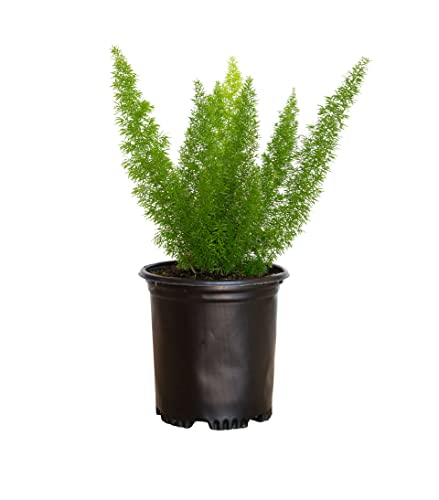
There are several plants commonly sold under the name “asparagus fern,” each with its own scientific name. Some of the most popular ones include:
• Asparagus setaceus: Also known as common asparagus fern, lace fern, or ferny asparagus, this plant is popular for its feathery foliage and climbing habit.
• Asparagus densiflorus: This species has several cultivars, including ‘Sprengeri’ (also known as emerald fern or sprenger asparagus) and ‘Myers’ (also known as foxtail fern). These plants are known for their arching stems and needle-like leaves.
• Asparagus aethiopicus: Commonly referred to as ground asparagus, this plant is characterized by its dense, bushy growth habit and is often used as a ground cover.
• Asparagus plumosus: Although this name is sometimes used interchangeably with Asparagus setaceus, it is technically a separate species with similar feathery foliage and climbing growth habit.
While these plants share the common name “asparagus fern,” it’s essential to note that they are not true ferns but members of the Asparagus family.
Each species may have slightly different care requirements, so it’s important to know the specific plant you have to provide the best possible care.
Asparagus Fern Benefits

Have you ever wondered what makes asparagus ferns such a delightful addition to your indoor garden?
Well, it’s time to explore the numerous benefits these charming plants have to offer!
With their graceful, feathery foliage and easy-going nature, asparagus ferns are perfect for adding a touch of greenery to your home, while also providing some lesser-known advantages.
In this section, we’ll go into the various perks of including these lovely plants in your living space, so you can fully appreciate their role in brightening up your home and enhancing your well-being.
Aesthetic Appeal of Asparagus Ferns
Asparagus ferns are truly a sight to behold! Their delicate, fern-like foliage brings a sense of elegance and sophistication to any room.
The soft, green fronds cascade beautifully, making them an ideal choice for hanging baskets or as a lovely accent on shelves and tabletops.
By incorporating these plants into your home, you’ll instantly elevate your interior design and create a more inviting, soothing atmosphere.
Low-Maintenance Wonders
One of the most attractive features of asparagus ferns is their relatively low-maintenance nature.
They are quite forgiving and can adapt to a variety of indoor conditions, making them suitable for both experienced gardeners and those who are just starting their plant-care journey.
With a basic understanding of their water, light, and soil requirements, you’ll find that keeping your asparagus fern happy and healthy is a breeze, allowing you to enjoy their beauty without the stress of constant upkeep.
Asparagus Fern Water Requirements

In this section, we’ll explore the ins and outs of watering these gorgeous plants, so you can confidently provide the proper hydration they need to flourish.
Ideal Watering Frequency for Asparagus Ferns
Finding the perfect watering routine for your asparagus fern is key to keeping it healthy and vibrant.
Generally, these plants prefer to have their soil evenly moist but not soggy.
It’s a good idea to water your fern once the top inch of soil feels dry to the touch.
Depending on the humidity and temperature in your home, this might mean watering once a week or slightly less often.
Recognizing Signs of Overwatering or Underwatering
It’s important to keep an eye on your asparagus fern for any signs of overwatering or underwatering, as both can lead to potential problems.
Overwatered ferns may exhibit yellowing leaves, root rot, or a musty smell coming from the soil.
Underwatered ferns, on the other hand, may have dry, crispy fronds or a general drooping appearance.
By paying close attention to these signs, you can adjust your watering habits accordingly to keep your fern in top shape.
Tips for Maintaining Proper Moisture Levels
To ensure your asparagus fern stays adequately hydrated, consider implementing these helpful tips:
• Use a well-draining potting mix to prevent waterlogged soil.
• Choose a container with drainage holes to allow excess water to escape.
• Monitor the humidity in your home, as dry environments may require more frequent watering.
• During the winter months, when growth slows down, reduce the watering frequency slightly.
• If you’re unsure about the soil’s moisture level, use a moisture meter or the good old finger test to check the top inch of soil.
Asparagus Fern Temperature

Temperature plays a crucial role in the well-being of your asparagus fern, and understanding its preferences can make all the difference in helping it thrive.
In this gets into the ideal temperature range for these plants, as well as some valuable tips for maintaining a consistent and comfortable environment.
Ideal Temperature Range for Asparagus Ferns
Asparagus ferns thrive in moderate temperatures, typically preferring a range between 65°F and 75°F (18°C and 24°C) during the day.
At night, they can tolerate slightly cooler temperatures, around 50°F to 60°F (10°C to 15°C).
However, it’s important to avoid exposing your fern to temperatures below 50°F (10°C), as this can cause stress and damage to the plant.
Tips for Maintaining Consistent Temperature
To keep your asparagus fern comfortable and healthy, follow these helpful tips for maintaining a consistent temperature:
• Position your fern away from drafty windows or doors, which can cause temperature fluctuations.
• Keep your plant at a safe distance from heating and cooling vents, as direct exposure can lead to extreme temperature changes.
• In the colder months, consider using a space heater or a heat mat for plants to provide additional warmth, especially if your home tends to be on the cooler side.
• Monitor the temperature in the room where your fern is located with a thermometer to ensure it remains within the ideal range.
• During hot summer days, use curtains or blinds to shield your fern from intense direct sunlight, which can cause overheating and scorching.
Asparagus Fern Light Requirements

Understanding your fern’s lighting needs is essential to keeping it healthy and promoting lush, vibrant growth.
In this section, we’ll explore the ideal light conditions for these beautiful plants, as well as share some useful tips to ensure they receive the right amount of light throughout the day.
Optimal Light Conditions for Asparagus Ferns
Asparagus ferns prefer bright, indirect light to flourish.
They can tolerate some direct morning sunlight but should be protected from the harsh afternoon sun, as this can cause scorching and damage to their delicate foliage.
Providing the right balance of light ensures your fern will maintain its vibrant green color and continue to grow healthily.
Providing Adequate Light Indoors
To make sure your asparagus fern receives sufficient light indoors, consider the following tips:
• Place your fern near a bright, east-facing window where it can enjoy the gentle morning sun and indirect light throughout the day.
• If you don’t have access to a suitable window, you can use a grow light to supplement natural light.
• Position the light about 12 – 24 inches above the plant, and adjust the duration depending on the intensity of the light source.
• Use a timer to give your fern 12-14 hours of light daily.
• Rotate your fern every few weeks to ensure all sides receive equal exposure to light, promoting even growth.
Signs of Inadequate Lighting
Keeping an eye on your asparagus fern for signs of inadequate lighting is important, as it helps you make necessary adjustments to its environment.
If your fern receives too little light, it may become leggy, with long, spindly stems and sparse foliage.
On the other hand, too much direct sunlight can result in scorched, brown fronds.
By monitoring your fern’s appearance and adjusting its light conditions accordingly, you’ll ensure its continued health and beauty.
Best Indoor Locations for Asparagus Fern
Placement matters with Asparagus Fern since it likes bright light without harsh sun.
- East-facing windows: Ideal for gentle morning light
- Bright bathrooms: Excellent if humidity stays high
- Kitchen shelves: Good if near filtered light
- Hanging baskets near windows: Great for trailing growth
Avoid dark corners and strong afternoon sun.
Asparagus Fern Soil

Choosing the right soil mix can make a world of difference in nurturing a happy, thriving plant.
In this section, we’ll discuss the ideal soil composition for asparagus ferns, including the benefits of using coco coir to achieve the perfect pH balance.
Importance of Proper Soil Conditions for Asparagus Ferns
Proper soil ensures good drainage, prevents root rot, and provides essential nutrients for your fern.
By selecting the right soil mix, you’ll be laying a strong foundation for your plant to thrive and flourish.
Coco Coir and Perlite Mix for Asparagus Fern Soil: Benefits and How to Use It
A mix of coco coir and perlite is highly recommended for asparagus ferns, as it offers numerous benefits:
Improved drainage: This mix prevents waterlogging, allowing excess water to drain away easily.
Aeration: The combination of coco coir and perlite allows for better airflow around the roots, promoting healthy root development.
Retention of moisture and nutrients: Coco coir is known to retain moisture and essential nutrients, releasing them slowly over time to support your fern’s growth.
To create this mix: Combine equal parts of coco coir and perlite, ensuring the ingredients are thoroughly blended.
Fill your fern container with the mixture, leaving enough room for the root ball.
Plant your asparagus fern and water it well to help it settle into its new home.
Ideal pH of 6.5 to 6.8 for Asparagus Ferns
Asparagus ferns prefer slightly acidic soil with a pH range of 6.5 to 6.8.
The use of coco coir in the soil mix helps to achieve this desired pH level, creating an optimal environment for your fern to grow.
To maintain the ideal pH, test the soil periodically using a pH meter or test kit, and make any necessary adjustments to ensure your fern continues to thrive in its perfect soil conditions.
Asparagus Fern Pruning

Regularly trimming your fern not only helps maintain its shape and size but also encourages bushier growth, making it a fuller and more attractive addition to your indoor garden.
In this section, we’ll get into the essentials of asparagus fern pruning, sharing valuable tips and techniques to ensure your fern stays healthy, vibrant, and well-groomed all year round.
When and Why to Prune Asparagus Fern
Timing: The best time to prune asparagus fern is during its active growing season, typically from spring to early fall. This allows the plant to recover and grow back more robustly.
Maintain shape and size: Regular pruning helps keep your asparagus fern compact and tidy, ensuring it doesn’t outgrow its space or become unruly.
Encourage bushier growth: Trimming your fern stimulates new growth, resulting in a fuller and more attractive appearance.
Remove dead or damaged foliage: Pruning allows you to get rid of any brown, yellow, or damaged fronds, keeping your plant healthy and looking its best.
Proper Pruning Techniques for Asparagus Fern
Use sharp, clean tools: Make sure to use sterilized, sharp scissors or pruning shears to avoid damaging the plant or introducing harmful pathogens.
Cut back to the main stem: When trimming your fern, make your cuts close to the main stem to promote new growth and maintain a tidy appearance.
Remove dead or damaged fronds first: Focus on cutting away any discolored, damaged, or dead fronds before moving on to shaping your fern.
Prune evenly: To maintain a balanced appearance, trim the fern evenly around its entire circumference, ensuring no one area is left too sparse or overgrown.
How to Make Asparagus Fern Bushy

Having a full, bushy asparagus fern can truly elevate the aesthetic appeal of your indoor garden.
In this section, we’ll share some effective techniques and tips to encourage your asparagus fern to grow bushier and more robust.
Tips and Tricks for Encouraging Bushiness in Asparagus Ferns
Regular Pruning:
Prune your fern periodically by trimming the tips of the stems to encourage branching and denser growth.
Focus on removing any leggy or overgrown stems to maintain an attractive shape.
Pinching:
Pinching back the tips of new growth is another effective way to promote bushiness.
Gently pinch the tips with your fingers or use a clean pair of pruning shears, removing just the very end of the stem.
Adequate Light:
Providing your fern with the right amount of bright, indirect light will encourage healthy, full growth.
Make sure your fern is placed near a window with filtered sunlight or supplement with a grow light if necessary.
Fertilizing:
Feed your fern with a balanced, water-soluble fertilizer during the growing season, following the manufacturer’s instructions.
Proper nutrition is key to promoting vigorous, bushy growth.
Repotting:
As your fern grows, it may become root-bound, which can limit its ability to produce new foliage.
Repotting your fern into a slightly larger container with fresh soil can give it the space it needs to grow fuller and more robust.
How to Overwinter Asparagus Fern
In this section, we’ll discuss the steps needed to successfully overwinter your asparagus fern, ensuring it stays healthy and vibrant throughout the colder season.
With a bit of planning and attentive care, you can keep your fern thriving and ready to bounce back when spring returns.
Preparing the Fern for Winter
Before winter sets in, it’s essential to properly prepare your asparagus fern for the colder months.
Steps to help your fern transition smoothly into winter:
Pruning: Trim back any dead, damaged, or overgrown stems, focusing on maintaining a balanced shape and removing any weak growth.
Pest Control: Check your fern for any pests, such as aphids or spider mites, and treat any infestations before bringing the plant indoors if it has been outside.
Gradual Transition: If you need to move your fern indoors for winter, do so gradually, allowing it to acclimate to the indoor environment over a week or two.
Indoor Winter Care Tips for Asparagus Ferns
Once your fern is ready for winter, follow these indoor care tips to ensure it stays healthy and happy during the colder months:
• Light: Place your fern in a spot that receives bright, indirect light. If natural light is scarce, consider using a grow light to supplement.
• Temperature: Maintain a consistent indoor temperature, ideally between 65°F and 75°F (18°C and 24°C), and avoid exposing the fern to drafts or sudden temperature fluctuations.
• Watering: Asparagus ferns require less water during winter, so reduce your watering frequency. Allow the top inch of soil to dry out between waterings to prevent overwatering.
• Humidity: Indoor heating systems can cause the air to become dry, so maintain humidity levels around your fern by placing it on a tray filled with water and pebbles or using a humidifier.
• Fertilizing: Hold off on fertilizing your asparagus fern during winter, as the plant enters a period of slower growth. Resume feeding in the spring when the plant starts to actively grow again.
Misting Your Asparagus Fern

Misting is an excellent way to maintain humidity around your asparagus fern, especially during the winter months when indoor air can become dry due to heating systems.
To keep your fern happy and hydrated, follow these misting tips:
• Use room-temperature, filtered, or distilled water to mist your fern. This helps to prevent any buildup of minerals on the foliage, which can be caused by using hard tap water.
• Misting frequency will depend on the humidity levels in your home. Typically, misting your fern every couple of days or as needed should be sufficient. If the air is particularly dry, you may need to mist your fern daily.
• When misting your asparagus fern, gently spray the water directly onto the foliage, ensuring an even coverage.
Be sure to mist in the morning or early afternoon, allowing the leaves to dry before nighttime. This helps prevent the growth of mold or mildew.
• By regularly misting your asparagus fern, you’ll help maintain the humidity levels it needs to thrive, keeping your plant healthy and vibrant throughout the year.
• By following these preparation and care tips, you’ll ensure that your asparagus fern overwinters successfully and remains a vibrant addition to your indoor garden.
Asparagus Fern Propagation

In this section, we’ll explore the exciting world of asparagus fern propagation, guiding you step by step through the process of creating new plants from your existing one.
Various Propagation Methods for Asparagus Ferns
Division of Tuberous Roots:
This method involves separating the root ball into smaller sections, each with its own roots and stems.
Division is a quicker way to propagate asparagus ferns, as the separated sections are already established plants that can continue growing independently.
Seed Propagation:
Sowing seeds is another method to propagate asparagus ferns.
This involves soaking the seeds and planting them in an acidic potting mix.
This method can be slower, as you’ll need to wait for the seeds to germinate and grow into new plants.
Step-by-Step Propagation Guide for Asparagus Ferns
Choose the right time: The best time to propagate asparagus ferns is during the early spring or late summer when the plant is actively growing.
Select the propagation method: Decide whether you want to propagate your fern through division or seed propagation, based on your preferences and the needs of your plant.
For Division of Tuberous Roots:
• Gently remove the parent plant from its pot, taking care not to damage the roots.
• Carefully divide the root ball into smaller sections using your hands or a clean, sharp knife.
• Plant each division into a new pot filled with a suitable soil mix, such as coco coir and perlite. Water thoroughly.
For Seed Propagation:

• Soak the asparagus fern seeds in warm water for 24 hours to soften the seed coat.
• Prepare a pot with a potting mix, such as one containing coco coir or peat moss.
• Sow the soaked seeds in the prepared potting mix, covering them lightly with soil.
• Place the pot in a bright, warm location with indirect light, and keep the soil consistently moist but not soggy.
• Be patient, as germination may take several weeks.
• Once the seedlings emerge and have developed a few sets of true leaves, you can transplant them into individual pots and care for them as you would a mature asparagus fern.
Buy Asparagus Fern seeds and plants on Amazon
Asparagus Fern Repotting

In this section, we’ll walk you through the repotting process, ensuring a smooth and stress-free transition for your fern.
With the right pot, soil mix, and care, your asparagus fern will settle into its new home in no time, continuing to bless your indoor space with its lush, fern-like foliage.
When and Why to Repot Your Asparagus Fern
Growth and root development: Repotting is necessary when your asparagus fern has outgrown its current pot or when the roots have become pot-bound. A healthy fern will typically require repotting every 1-2 years.
Refreshing soil nutrients: Over time, the nutrients in the soil get depleted. Repotting allows you to refresh the soil, providing your fern with the essential nutrients it needs to flourish.
Choosing the Right Container and Soil for Your Asparagus Fern
Pot selection: Opt for a container that is one size larger than the current pot, ensuring it has proper drainage holes.
This will give your fern’s roots room to grow without becoming cramped or waterlogged.
Soil mix: Choose a well-draining soil mix, such as a blend of coco coir and perlite.
This will provide the ideal pH of 6.5 to 6.8, as well as excellent aeration and moisture retention for your fern’s roots.
Repotting Process for Asparagus Ferns
• Gently remove the fern: Carefully take the fern out of its current pot by grasping the base of the stems and gently coaxing the root ball out. Avoid pulling on the stems or leaves, as this may cause damage.
• Inspect and prepare the roots: Examine the root ball for any signs of root rot, damage, or pests. If necessary, trim away any unhealthy roots. Loosen the root ball slightly to encourage new root growth in the fresh soil.
• Prepare the new pot: Place a layer of fresh soil mix at the bottom of the new pot. Ensure the drainage holes are not obstructed to prevent waterlogging.
• Repot the fern: Place the fern in the new pot, positioning it so that the top of the root ball sits just below the rim of the container. Fill in the remaining space with soil mix, gently firming it down to remove any air pockets.
• Water and care: Water the newly repotted fern thoroughly, allowing the excess water to drain. Place the pot in a location with bright, indirect light, and continue to provide proper care as needed.
Asparagus Fern Problems

In this section, we’ll address some common asparagus fern problems and provide you with practical solutions to help your plant bounce back.
From dropping needles to yellowing foliage, we’ll explore the potential causes and remedies to keep your fern looking lush and healthy.
Asparagus Fern Dropping Needles: Common Causes and Solutions
Underwatering: If your asparagus fern is dropping needles, it might be due to insufficient water.
Make sure to water it regularly and monitor the soil moisture to prevent drying out.
Overwatering: Conversely, overwatering can also cause needle drop. Ensure proper drainage and avoid soggy soil conditions.
Low humidity: Asparagus ferns prefer higher humidity levels. If the air is too dry, it can lead to needle drop.
To increase humidity, try placing a tray of water near the plant, using a humidifier, or misting the fern regularly.
Asparagus Fern Turning Yellow: Reasons for Yellowing Foliage and Tips for Addressing the Issue
Insufficient light: If your asparagus fern is turning yellow, it might not be receiving enough light. Move the fern to a brighter spot with indirect sunlight or use a grow light to supplement the natural light.
Over-fertilization: Too much fertilizer can cause a build-up of salts in the soil, leading to yellowing foliage.
Reduce the frequency of fertilization and flush the soil with water to remove excess salts.
Pest infestation: Pests like spider mites, mealybugs, and aphids can cause yellowing leaves.
Inspect your fern regularly for signs of infestation, and treat any pests promptly using insecticidal soap or neem oil.
Disease: Fungal or bacterial diseases can cause yellowing leaves in asparagus ferns.
To prevent and treat diseases, maintain proper watering practices, ensure good air circulation, and remove any affected leaves or stems.
By addressing these common asparagus fern problems with the provided solutions, you’ll be well on your way to maintaining a healthy, vibrant fern that continues to thrive in your indoor garden.
Asparagus Fern Troubleshooting
Why is my Asparagus Fern dropping needles?
This usually means dry soil, low humidity, or sudden environmental stress.
Why are the fronds turning yellow?
Yellowing is often caused by overwatering, poor drainage, or too little light.
Why is my Asparagus Fern turning brown?
Brown crispy growth often points to dry air or inconsistent watering.
Why is growth getting thin and leggy?
Leggy stems usually mean it needs brighter light.
Why does it look weak after repotting?
Repot shock is normal. Keep watering steady and avoid fertilizer for a couple of weeks.
Is Asparagus Fern Toxic?
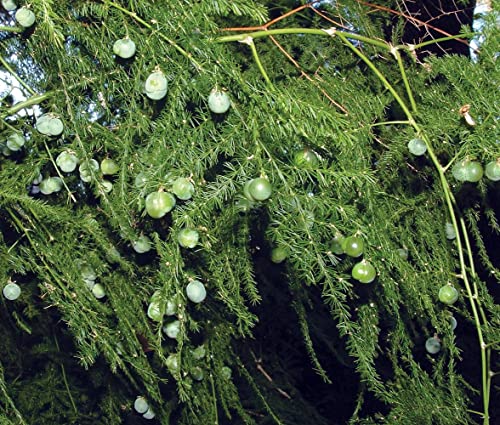
Yes. Asparagus Fern can be toxic to pets if eaten, especially the berries. It may also cause skin irritation in sensitive people when handling.
Keep it out of reach of cats, dogs, and small children if possible.
Asparagus Fern Care FAQs

How often should I water an Asparagus Fern?
Water when the top inch of soil starts drying out. Keep the soil lightly moist but not soggy.
Does Asparagus Fern need misting?
Misting can help in dry homes, but a humidifier or pebble tray usually works better for long-term humidity.
Can Asparagus Fern grow in low light?
It can survive in lower light, but growth will slow and become thinner.
How often should I repot it?
Usually every 1 to 2 years, especially once roots start crowding the pot.
Asparagus Fern Indoor Care Final Thoughts

Asparagus Fern is one of the best soft-textured houseplants for adding fullness and movement indoors. It grows fast, responds well to pruning, and adapts well when given steady moisture and bright filtered light.
Once you get the watering and humidity right, it becomes a reliable and rewarding indoor plant that can stay beautiful for years.
Buy Asparagus Fern seeds and plants on Amazon