If you’re trying to dial in Nepenthes truncata terrarium care, you’ve probably noticed it doesn’t behave exactly like your other carnivorous plants. It doesn’t love blasting light, it doesn’t want soggy roots, and it definitely won’t stay tiny forever.
In a mixed tank with flytraps, sundews, and butterworts, getting the balance right can feel tricky. The good news? You don’t need to rebuild your setup — just manage light, height, and feeding the smart way.
What You’ll Learn
- How to balance light for Nepenthes truncata inside a mixed carnivorous terrarium
- When leaf reddening is normal vs. when it signals stress
- How lowering plant height works better than lowering tank light
- Feeding strategy for stronger pitcher development
- Substrate and moisture management that prevents root problems
- What kind of long-term growth to expect in a terrarium setup
Growing Nepenthes truncata Successfully in a Mixed Terrarium Setup
Nepenthes truncata terrarium care is a little different than growing other tropical pitcher plants. In a mixed carnivorous setup, light and spacing matter more than anything else.
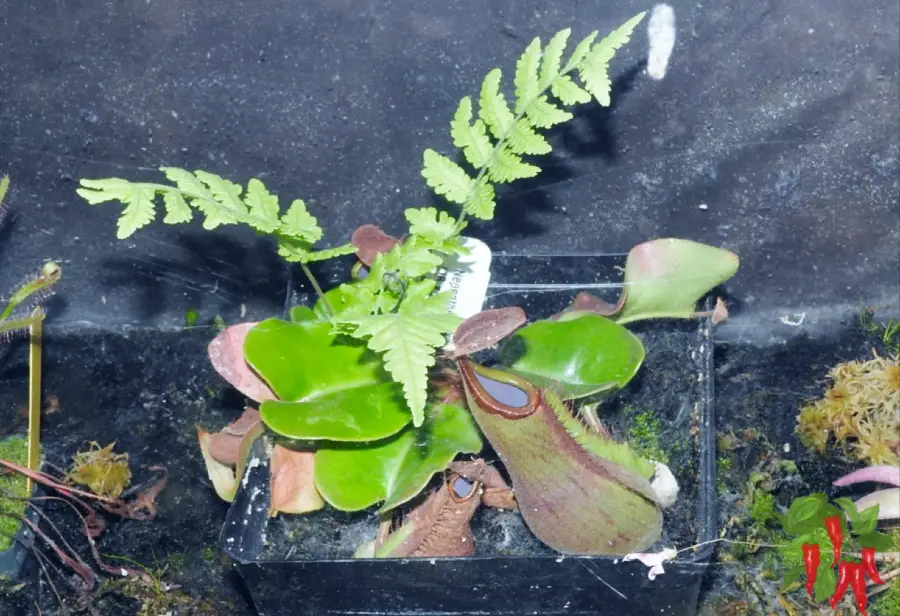
I’ve been growing this plant in a terrarium for about a year now, and it’s gone from a tiny seedling to a solid, established plant with multiple pitchers.
What makes truncata different is its growth habit. It’s less of a vine and more of a broad, bushy plant with thick, truncated leaves and heavy pitchers. That changes how you manage light, height, and airflow inside a tank.
If you’re building or maintaining a carnivorous terrarium, this guide will help you keep Nepenthes truncata healthy without sacrificing the needs of your sundews, butterworts, or Venus flytraps.
Understanding Nepenthes truncata Growth Habit
Unlike many Nepenthes species that quickly turn into long climbers, Nepenthes truncata stays more compact in its early and mid stages. The leaves are broad and end in a squared-off or “truncated” tip — that’s where the name comes from.
In a terrarium, this bushy structure actually works in your favor. It fills space without immediately trying to climb into the lid. The pitchers form close to the plant, and they’re thick, durable, and full of digestive fluid that feels noticeably sticky if you get it on your fingers.
If you’ve grown faster vining Nepenthes before, this one feels sturdier and slower — but it absolutely gets large over time.
Light Management Inside a Mixed Carnivorous Terrarium
This is where most people run into trouble with Nepenthes truncata terrarium care.
Truncata prefers moderate light. Not dim. Not blasting high-output LEDs a few inches above its leaves. Moderate.
In a mixed tank with butterworts, sundews, and Venus flytraps, the light is usually set high enough to keep the flytraps compact and the sundews producing dew. That can push truncata toward light stress.
You’ll notice this when the leaves start turning red. Mild reddening isn’t harmful — in fact, it can look pretty nice — but deep stress coloration combined with stalled growth means it’s too intense.
What worked for me:
- Lowering the plant deeper into the tank
- Adding a small section of shade cloth under the light
Instead of dimming the entire tank and hurting the other carnivores, I adjusted the truncata’s position. That’s usually the smarter move.
Positioning, Feeding, and Substrate Strategy Inside a Terrarium
Lowering the Plant Instead of Lowering the Light
One of the biggest lessons with Nepenthes truncata terrarium care is that you don’t manage the tank for one plant — you manage it as a system.
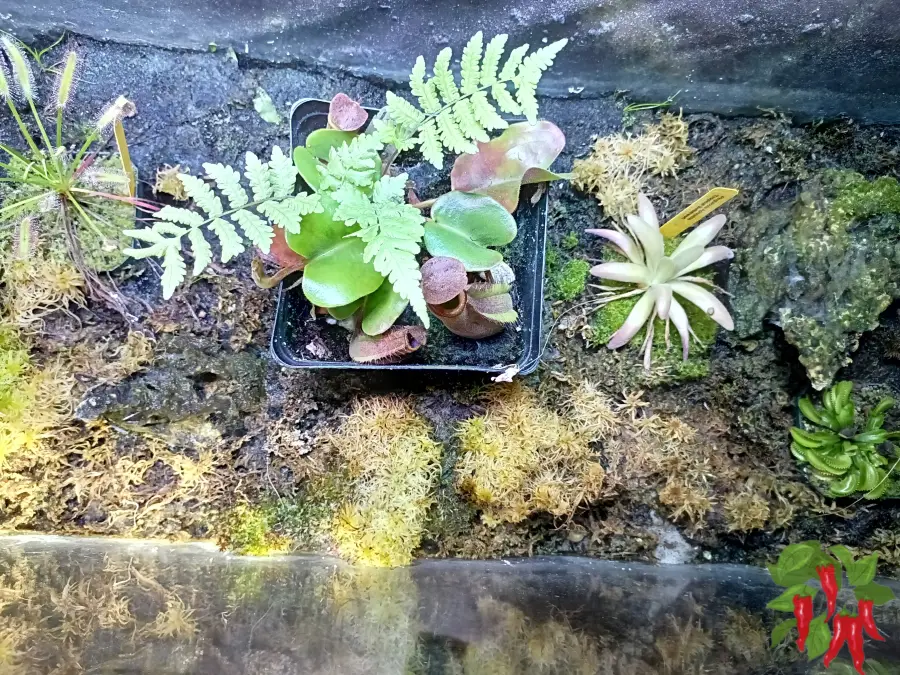
In my setup, the sundews, butterworts, and Venus flytraps all require stronger light to stay compact and active. If I dim the light for the truncata, everything else declines. So instead of changing the entire environment, I adjusted the plant.
Originally, the truncata sat directly on top of the substrate. Over time, I lowered it slightly so it sat deeper in the tank. That alone reduced the intensity enough to calm the leaf reddening without affecting pitcher production.
This is a simple but important strategy: change elevation before changing output.
If your terrarium allows it, even shifting the plant a few inches away from the brightest hotspot can make a noticeable difference.
Using Shade Cloth in Small Sections
Another adjustment that worked well was adding a small section of shade cloth directly under the LED panel — not across the whole tank, just in the zone above the truncata.
This softens glare without starving the other carnivores of light. It’s a controlled reduction instead of a global dimming.
If you’re running high-output LEDs in a glass tank, direct intensity can be stronger than you think. A thin layer of diffusion often makes a big difference.
Feeding and Pitcher Development
When healthy, Nepenthes truncata pitchers are thick and hold a good amount of digestive fluid. If you accidentally get some on your fingers while feeding, you’ll notice how sticky it is.
In a terrarium environment, the plant can catch some prey naturally, but I still feed occasionally to support growth.
My tank is covered with a wire mesh lid under the light and supporting it. So I really can’t count on my plants catching prey naturally.
I use tweezers and feed by hand using cichlid pellets and freeze-dried mysis shrimp.
- Use small dried insects or appropriately sized prey
- Feed only a few pitchers at a time
- Avoid overfeeding — one insect per active pitcher is enough
After feeding, I usually see stronger leaf expansion and improved pitcher size over the following weeks. It’s not instant, but it’s noticeable.
Substrate Considerations in a Mixed Carnivorous Tank
Nepenthes truncata does not want to sit in constantly waterlogged media like many bog carnivores. That’s another reason placement inside a shared terrarium matters.
If your butterworts and sundews are growing in wetter zones, keep the truncata slightly elevated or in a better-draining pocket of media.
Typical substrate mixes for terrarium-grown Nepenthes include:
- Long-fiber sphagnum moss
- Sphagnum mixed with perlite
- Loose, airy media that drains quickly but retains humidity
- Coco Coir but make sure its been buffered to remove salts
The key is moisture, not saturation. High humidity is excellent. Constantly soaked roots are not.
If you’re building a dedicated carnivorous enclosure, see your broader Terrariums category for tank layout strategies that prevent root rot while keeping humidity high.
Growth Timeline, Long-Term Expectations, and Real-World Observations
From Seedling to Established Plant
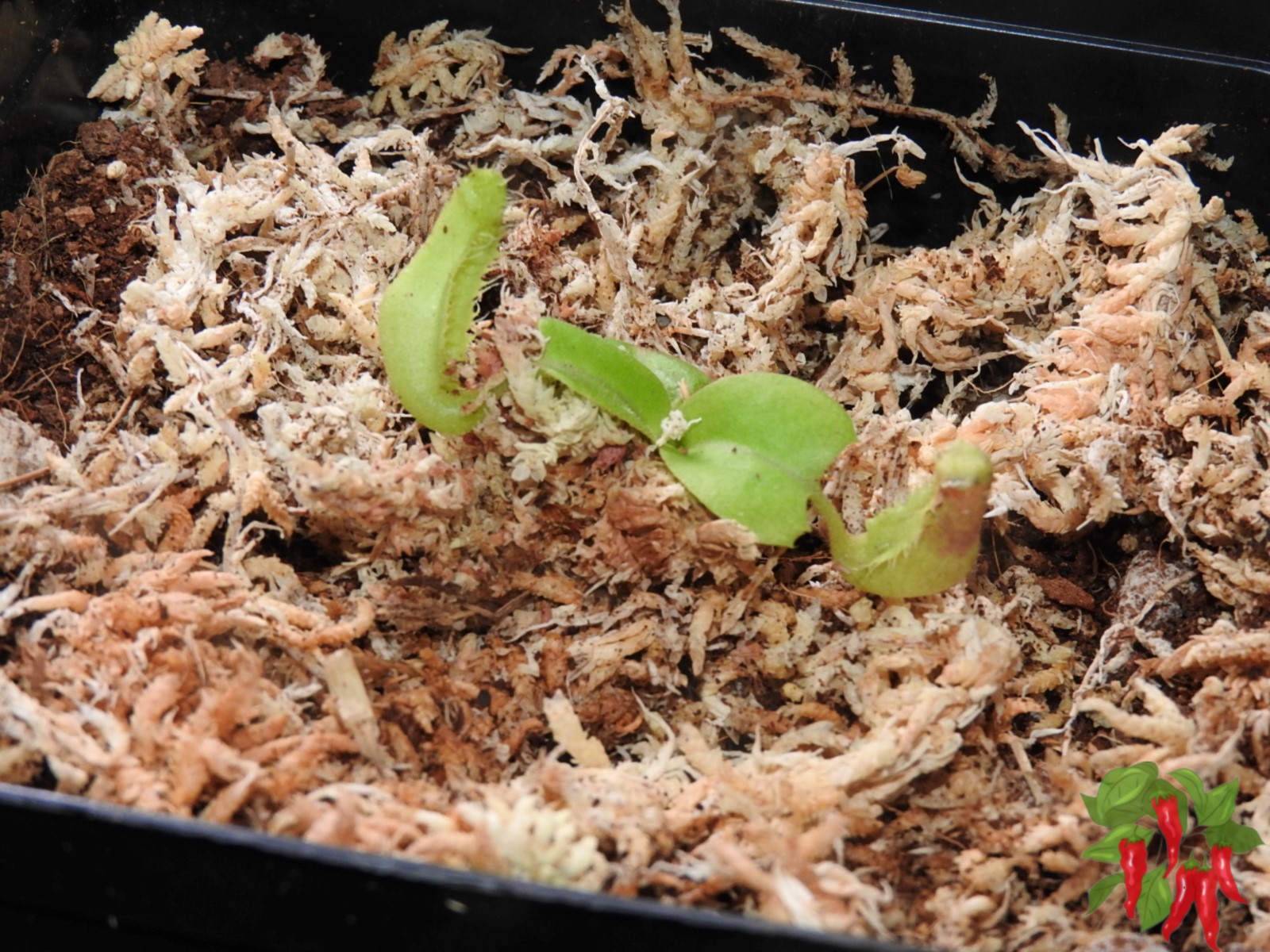
When I first brought this plant home, it was tiny. Smaller than one of the current pitchers it’s producing now. At that stage, it looked almost fragile — just a few small leaves and no real presence in the tank.
About a year later, the difference is obvious. The leaves are broader, thicker, and the pitchers are heavier and more substantial. This is normal for Nepenthes truncata terrarium care — early growth feels slow, but once the root system establishes, it starts putting on real size.
If your plant seems small for months, don’t panic. Truncata builds underground strength before it shows you much above the surface.
Managing Leaf Reddening and Light Stress
Some reddening on the leaves is not automatically a problem. In my setup, the plant receives slightly more light than it would ideally prefer because it shares space with higher-light carnivores.
Instead of weakening, the plant adapted. The leaves developed a reddish tone, growth continued, and pitchers remained functional. That tells me the light level is on the high side of acceptable — but still workable.
Warning signs of true stress include:
- Stalled new leaf production
- Drying or aborted pitcher tips
- Crisping along leaf edges
If you see those signs, adjust position or diffuse light. Don’t immediately overhaul the entire tank unless everything is struggling.
Volunteer Plants and Natural Shade
A small fern volunteered in the tank and started growing near the truncata. Normally, I remove extras. In this case, I left it.
Over time, that fern may provide light filtering and mild shade. In a closed system, strategic plant layering can actually help balance microclimates.
That’s something you only really notice after running terrariums for a while — the tank becomes its own ecosystem.
How Large Will Nepenthes truncata Get in a Terrarium?
This species can become very large under ideal conditions. Even in a tank, it can outgrow its space if left unmanaged for years.
The broad leaves and heavy pitchers demand vertical clearance. If you’re planning long-term Nepenthes truncata terrarium care, make sure your enclosure allows room for expansion or plan for eventual relocation.
This is not a tiny forever plant. It just starts that way.
Nepenthes truncata Care: 13 Tips and Tricks for Beginners
Frequently Asked Questions
Can Nepenthes truncata grow in the same terrarium as Venus flytraps?
Yes, but light balance is the challenge. Flytraps prefer stronger direct light, while truncata prefers moderate intensity. Adjust plant positioning instead of lowering overall light.
Why are my Nepenthes truncata leaves turning red?
Mild red coloration usually indicates high but tolerable light. If growth slows or leaves burn, intensity is too strong.
Does Nepenthes truncata need to be fed in a terrarium?
It can catch prey naturally, but occasional feeding supports growth. Use small insects and avoid overfeeding active pitchers.
How long does Nepenthes truncata take to size up?
Expect slow initial growth. After root establishment, size increases become more noticeable within a year.