
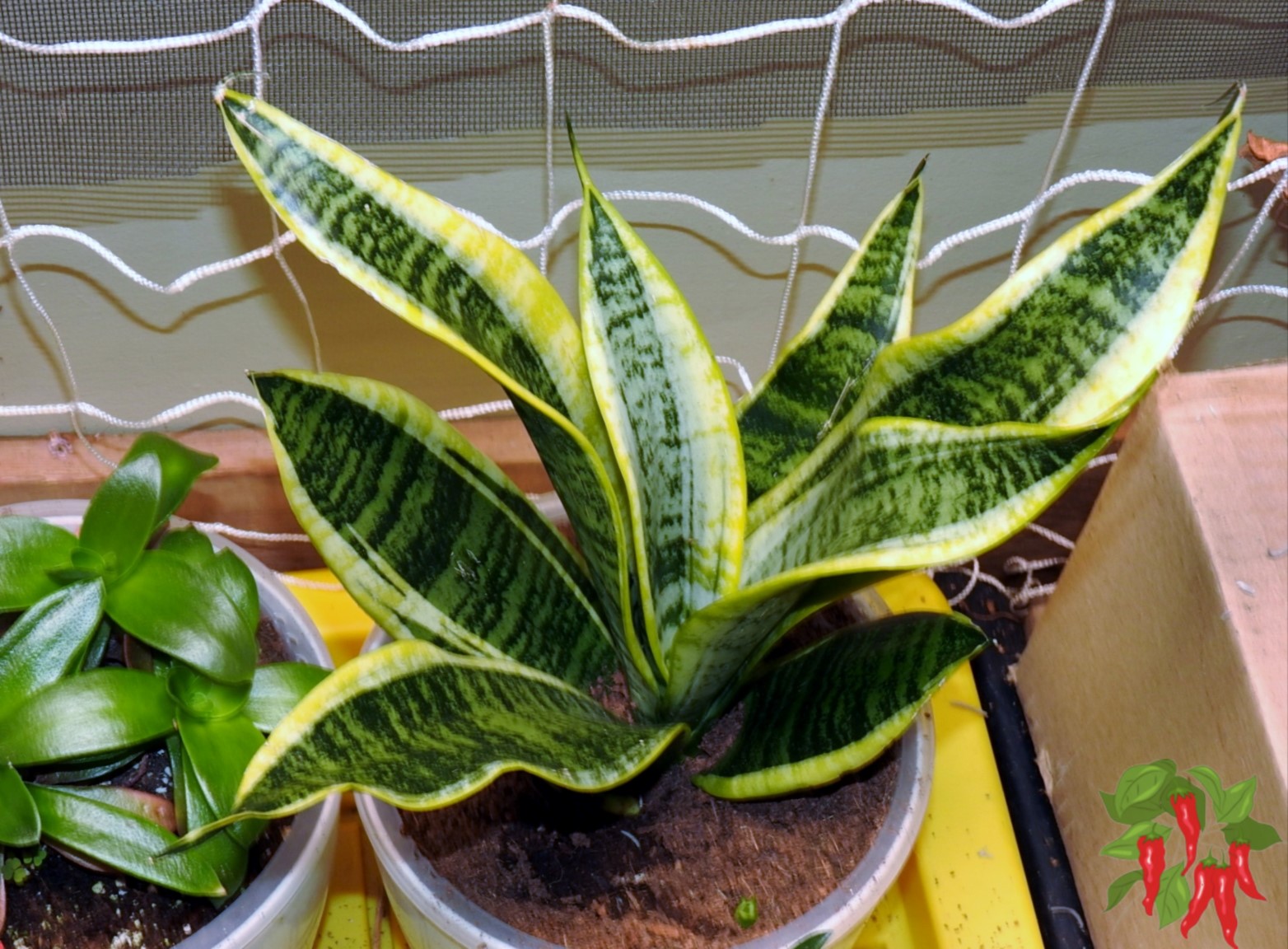
Indoor plants that thrive on neglect are perfect when you want plenty of greenery without turning plant care into another daily chore. Some houseplants are surprisingly forgiving about missed waterings, average household humidity, and less-than-perfect indoor conditions.
I have always preferred plants that give you a little room for error. You should still give them the light, water, and nutrients they need, but forgetting about them for a few days should not turn into an emergency.
Plants such as Cast Iron Plant, Snake Plant, ZZ Plant, Chinese Evergreen, and Heartleaf Philodendron have earned their reputations by adapting well to indoor conditions. Succulents such as Gasteria, Haworthia, Panda Plant, and Dwarf Jade take a different approach by storing water and generally preferring some drying between waterings.
The trick is matching the plant to your growing conditions. A plant that tolerates missed watering may still need good light, while a plant that handles lower light may want more consistent moisture. “Thrives on neglect” really means forgiving when your care isn’t perfect.
What You’ll Learn
- Which indoor plants are most forgiving about missed care
- Which plants tolerate drying between waterings
- Which choices work when your indoor light is less than ideal
- How foliage plants and succulents handle neglect differently
- How to choose a forgiving plant for your own growing conditions
Quick Answer: Some of the best indoor plants that thrive on neglect include Cast Iron Plant, Snake Plant, ZZ Plant, Chinese Evergreen, Heartleaf Philodendron, Pothos, Spider Plant, Aloe Vera, Panda Plant, Haworthia Zebra Plant, Gasteria, and Dwarf Jade. These plants are forgiving because they tolerate dry periods, adapt to a range of indoor conditions, grow slowly, or simply do not require constant attention.
Indoor Plants That Thrive on Neglect at a Glance
| Plant | Why It’s Forgiving | Light | Watch Out For |
|---|---|---|---|
| Cast Iron Plant | Tolerates imperfect indoor conditions | Low to bright indirect | Overwatering |
| Snake Plant | Stores water in thick leaves | Adaptable; brighter light supports stronger growth | Constantly wet growing medium |
| ZZ Plant | Stores water in thick rhizomes | Low to bright indirect | Watering too frequently |
| Chinese Evergreen | Adaptable foliage plant | Moderate to bright indirect | Cold drafts and soggy roots |
| Heartleaf Philodendron | Adaptable and easy to prune | Moderate to bright indirect | Keeping the mix constantly wet |
| Pothos | Recovers well from occasional missed care | Moderate to bright indirect | Very low light and overwatering |
| Spider Plant | Adaptable and resilient | Moderate to bright indirect | Brown tips and prolonged dryness |
| Aloe Vera | Stores water in succulent leaves | Bright light | Overwatering and insufficient light |
| Panda Plant | Thick leaves tolerate dry periods | Bright light | Wet growing medium |
| Haworthia Zebra Plant | Slow-growing and drought tolerant | Bright indirect | Too much water |
| Gasteria | Slow-growing and stores moisture | Bright indirect | Constantly wet roots |
| Dwarf Jade | Slow-growing and drought tolerant | Bright light | Overwatering |
What Does “Thrives on Neglect” Really Mean?
No houseplant literally thrives because you neglect it. What we’re really looking for are plants with a larger margin for error.
Some accomplish this by storing water. ZZ Plants have thick underground rhizomes, while Snake Plants, Aloe Vera, Gasteria, Haworthia, Panda Plants, and Dwarf Jade store moisture in succulent tissues.
Others are simply adaptable. Cast Iron Plants, Chinese Evergreens, Pothos, and Heartleaf Philodendrons can tolerate a wider range of indoor conditions than many fussier houseplants.
That distinction matters. A drought-tolerant succulent may forgive you for forgetting to water it, but it may perform poorly in a dark corner. An adaptable foliage plant may tolerate lower light but still need water more often than your Gasteria.
Quick Tip: Instead of looking for a plant you can ignore completely, decide which part of plant care you are most likely to forget. If it is watering, choose a plant that tolerates drying. If your challenge is limited light, choose an adaptable foliage plant rather than automatically reaching for a succulent.
Best Indoor Plants That Thrive on Neglect
Cast Iron Plant: One of the Most Forgiving Houseplants
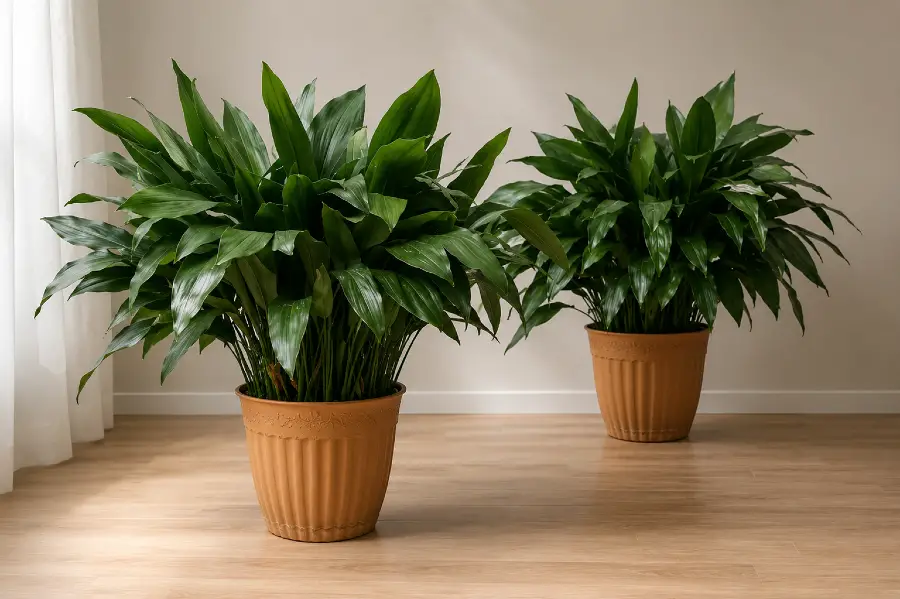
With a name like Cast Iron Plant, Aspidistra elatior has a reputation to live up to. Fortunately, this is one houseplant where the name makes sense.
Cast Iron Plant grows slowly and tolerates a range of indoor conditions, including lower light than many popular houseplants. Its long, dark green leaves give you substantial foliage without requiring constant attention.
Slow growth is actually an advantage here. You are not constantly pruning vines, repotting an aggressively growing root system, or trying to figure out where to put a plant that suddenly doubled in size.
The biggest thing I would avoid is interpreting its toughness as permission to keep the roots wet. Let the growing medium partially dry rather than watering simply because another week has passed.
See my Cast Iron Plant indoor care guide for more on growing this famously resilient houseplant.
Snake Plant: Better at Handling Too Little Water Than Too Much
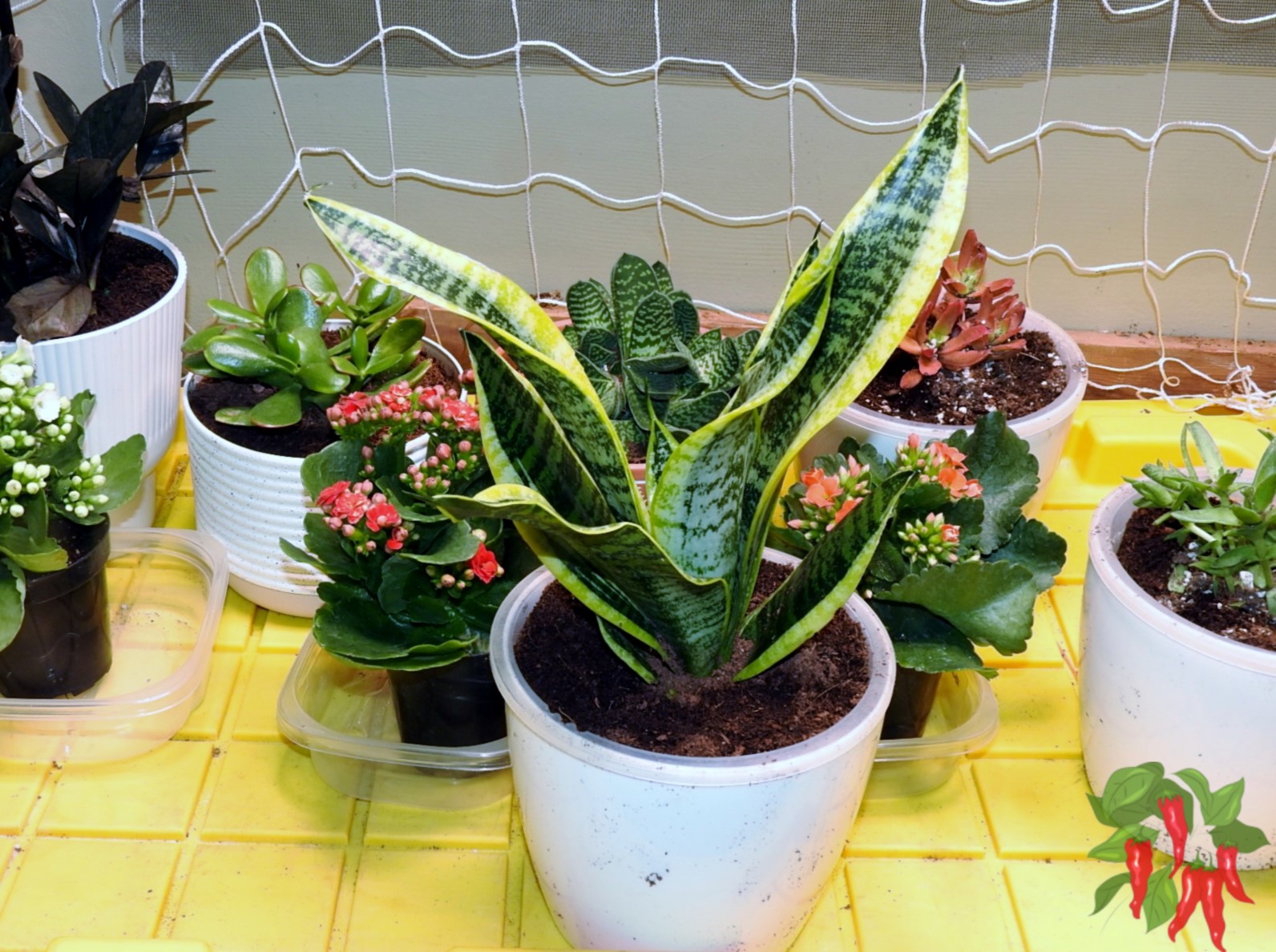
Snake Plants are one of the first plants I think of when someone wants a forgiving indoor plant. Their thick upright leaves store moisture, allowing an established plant to handle dry periods much better than houseplants that need consistently moist growing conditions.
They are also useful indoors because the growth is primarily vertical. You get a substantial-looking plant without vines or branches spreading across everything around it.
Snake Plants are often described as low-light plants, but there is an important difference between tolerating lower light and growing their best there. Give them brighter indirect light and you will generally get stronger growth.
If you tend to forget watering, that is usually much less of a problem than watering a Snake Plant too often.
See my Snake Plant indoor care guide for more on light, watering, soil, and keeping these plants healthy indoors.
ZZ Plant: Built to Handle Dry Periods
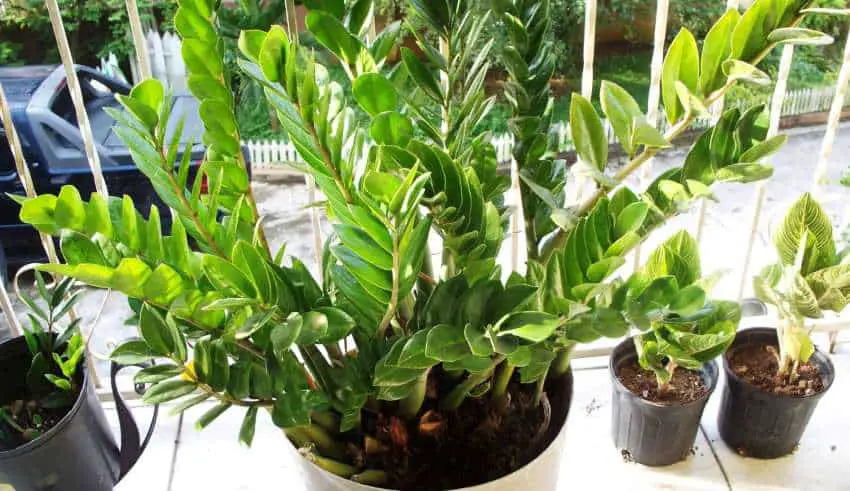
ZZ Plant is another classic choice for anyone who does not want to hover over a houseplant with a watering can. Beneath the growing medium are thick rhizomes that store water, helping the plant get through dry periods.
The glossy foliage also stays attractive without misting or unusually high humidity. ZZ Plants grow relatively slowly, which further reduces the amount of maintenance they require.
One of the easiest ways to get into trouble with a ZZ Plant is treating it like a plant that wants frequent watering. Let the growing medium dry rather than repeatedly adding water to an already moist root zone.
If you want something a little more unusual, Raven ZZ gives you the same general easy-care growth with new foliage that gradually darkens to a dramatic near-black color.
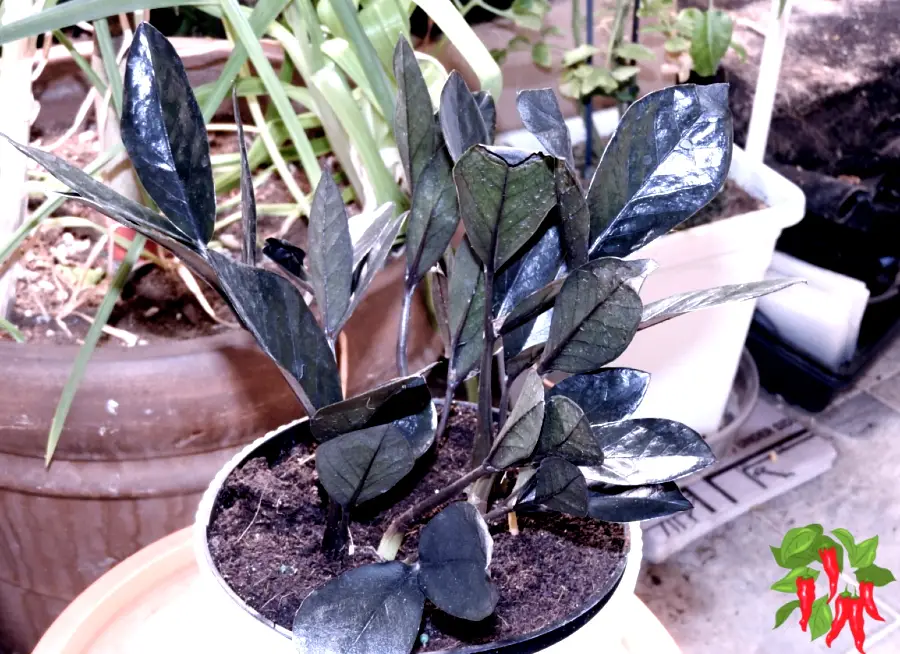
For the classic green plant, see my Zanzibar Gem care guide.
Chinese Evergreen: Forgiving With Plenty of Foliage Choices
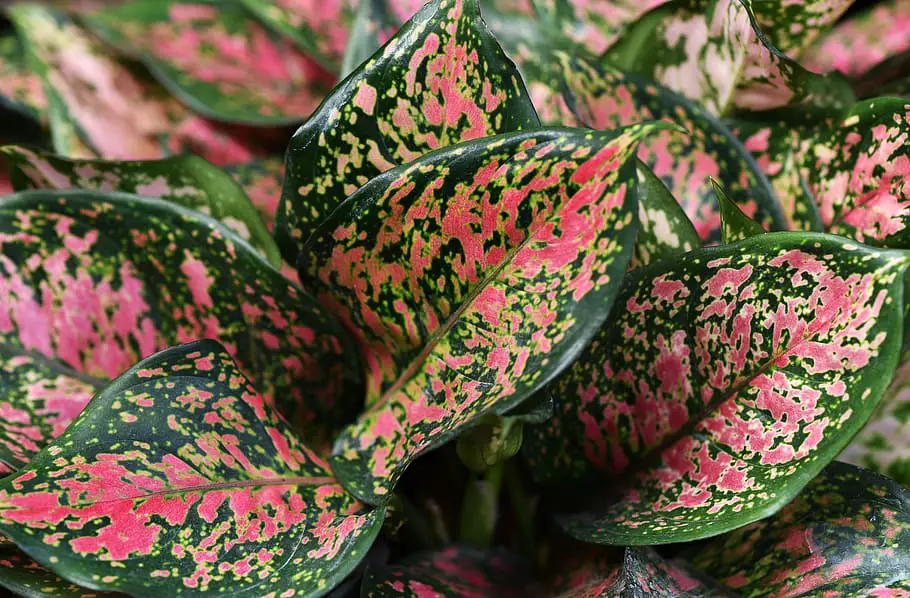
Chinese Evergreen, or Aglaonema, is a good choice when you want a forgiving plant but prefer colorful tropical foliage over the architectural look of Snake Plant or ZZ Plant.
Different Aglaonema varieties can give you combinations of green, silver, cream, pink, and red. That variety makes it possible to build a surprisingly colorful collection without moving into much fussier houseplants.
Chinese Evergreens adapt well to indoor growing, although the more colorful varieties generally benefit from brighter indirect light to maintain their best color.
Start with my Chinese Evergreen care guide for the basics. If you want something with considerably more color, take a look at my Red Chinese Evergreen care guide as well.
Heartleaf Philodendron: A Forgiving Trailing Plant
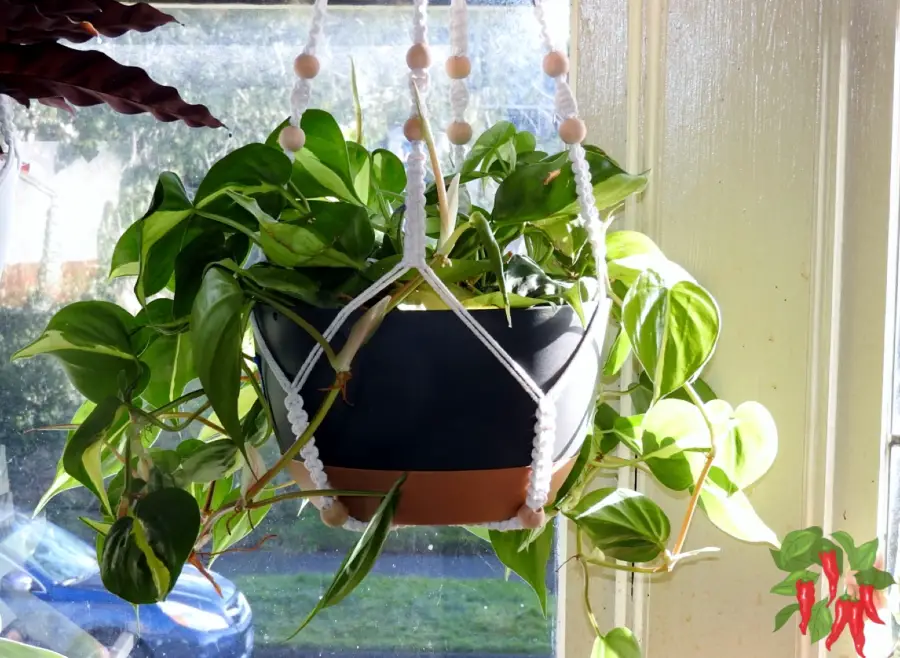
Heartleaf Philodendron, Philodendron hederaceum, is one of those plants that can look good without demanding much attention. Its heart-shaped leaves grow along trailing or climbing stems, so you can let it spill from a shelf, grow from a hanging planter, or train it upward.
It adapts to a range of indoor light conditions, although bright indirect light generally produces fuller growth. It is also fairly forgiving if you occasionally let the growing medium get a little drier than planned.
Another advantage is how easy it is to control. If the vines become longer than you want, simply prune them back. The cuttings can also be propagated if you want to fill out the original pot or start another plant.
I do not currently have a guide specifically for Heartleaf Philodendron, but my Philodendron care indoors guide covers the basic care these popular indoor plants need.
Pothos: A Classic Easy-Care Trailing Plant
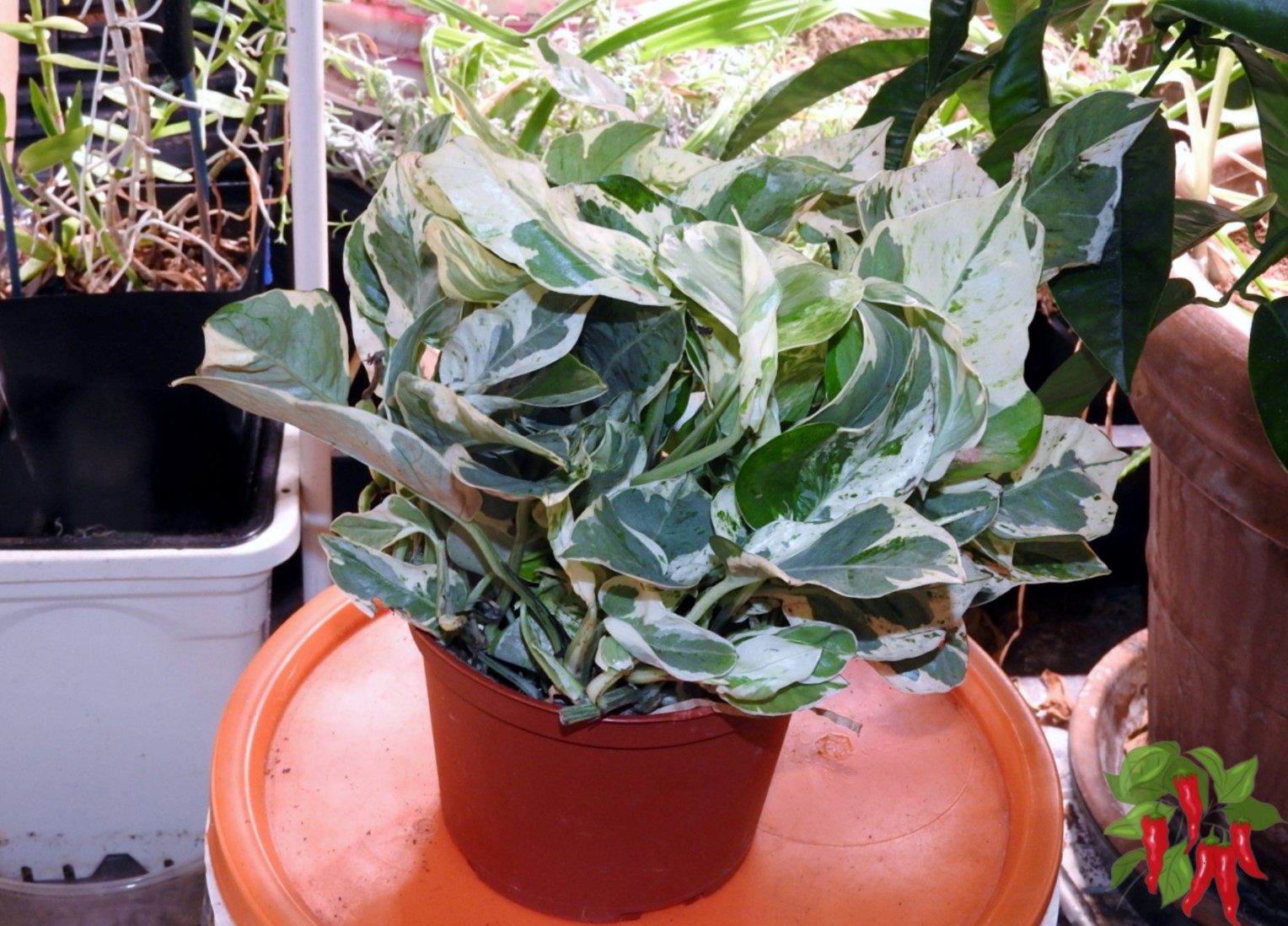
Pothos has earned its reputation as an easy houseplant. It adapts well to typical indoor conditions, grows without unusually high humidity, and usually gives you some warning when it has gone too long without water.
The trailing growth also gives you plenty of placement options. Let it spill from a shelf, use a hanging planter, or give the vines something to climb.
Pothos can tolerate lower light, but brighter indirect light usually produces stronger growth and helps variegated varieties maintain better coloration.
It is forgiving about an occasional missed watering, but that does not mean the growing medium should remain bone dry for long periods. The goal is a plant that gives you some flexibility, not one you never have to water.
See my Pothos indoor plant care guide for more on growing this easy trailing plant.
Spider Plant: Resilient and Easy to Read

Spider Plant is another houseplant that has been grown indoors for generations for good reason. It adapts well to normal household conditions, grows fairly quickly, and can recover from the occasional lapse in care.
I also like plants that give you visible clues about what they need. A Spider Plant that becomes noticeably dry may start looking less perky, while brown leaf tips can tell you that something about the water, moisture, or growing environment could use attention.
Once mature, Spider Plants often produce long stems with plantlets hanging from them. That makes them particularly attractive in hanging containers and gives you an easy source of new plants.
Spider Plants are forgiving, but I would not put them in quite the same drought-tolerant category as ZZ Plant, Snake Plant, or Gasteria. They appreciate a little more consistency.
See my Spider Plant care guide for more on keeping them healthy indoors.
Aloe Vera: Forgetting to Water Can Actually Work in Your Favor
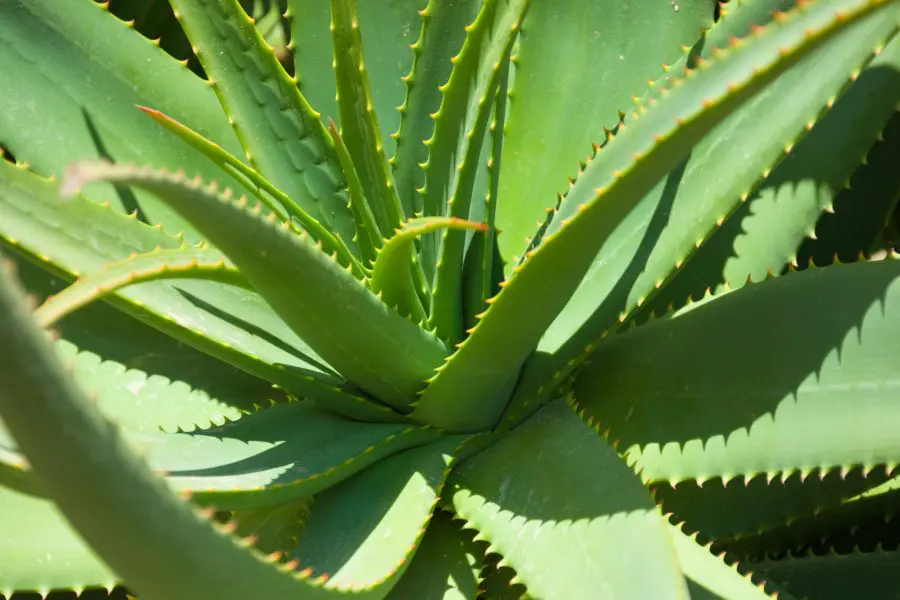
Aloe Vera stores water in its thick succulent leaves, making it a much better choice for someone who occasionally forgets to water than someone who likes watering plants every few days.
Indoors, light is particularly important. Aloe may tolerate dry conditions beautifully, but it still needs a bright location to maintain strong, compact growth.
Let the growing medium dry well between waterings and then water thoroughly. Continually adding small amounts of water to already moist growing media defeats one of the biggest advantages of growing a drought-tolerant succulent.
Aloe also produces offsets as it matures. You can leave some attached for a fuller container or separate them when the plant becomes crowded.
See my Aloe plant indoor care guide for complete growing advice.
Panda Plant: Fuzzy Foliage That Prefers to Dry Out
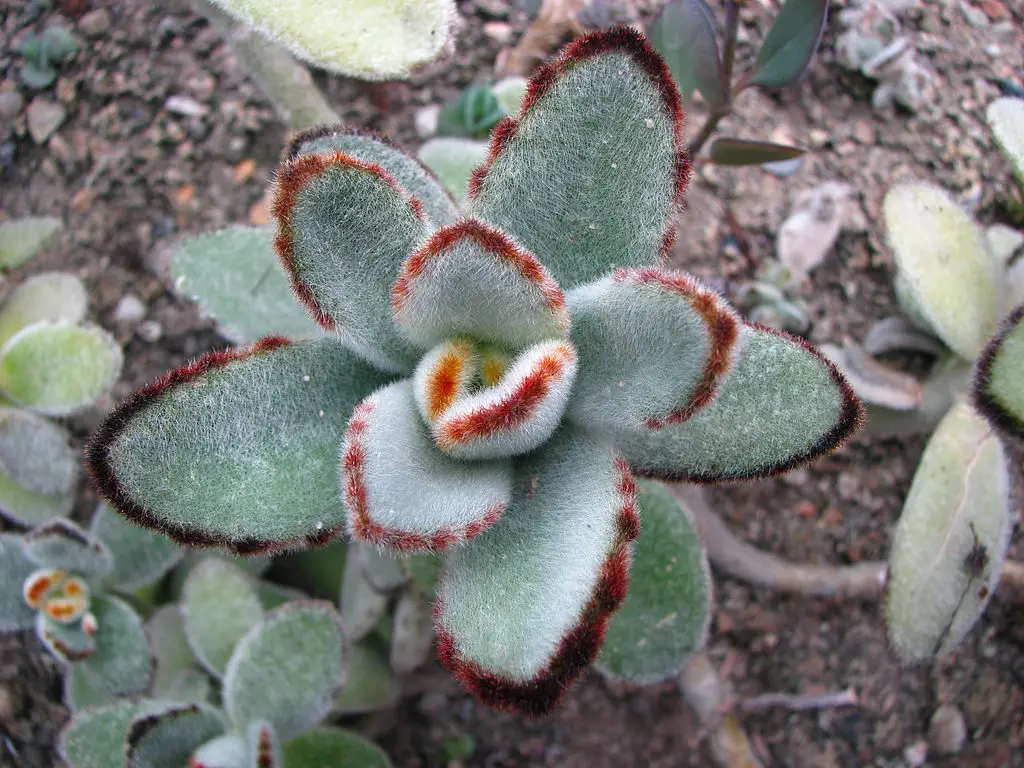
Panda Plant, Kalanchoe tomentosa, is a good option if you want something more unusual than the standard easy-care houseplants. Its thick leaves are covered with fine hairs, giving the plant its distinctive fuzzy appearance.
Those succulent leaves also store moisture, so Panda Plant does not need frequent watering. Give it plenty of light and allow the growing medium to dry between waterings.
It grows relatively slowly indoors, which means less repotting and less work controlling its size. If an older plant becomes taller than you want, it can also be pruned.
See my Panda Plant care guide for more on growing this fuzzy succulent indoors.
Haworthia Zebra Plant: Small, Slow, and Drought Tolerant

Haworthia Zebra Plant combines several characteristics that make a plant easy to live with. It stays compact, grows slowly, stores moisture in its leaves, and does not need constant attention.
The raised white bands across its pointed green leaves also give you plenty of visual interest from a plant small enough for a windowsill or shelf.
Haworthia generally does well with bright indirect light and careful watering. Let the growing medium dry rather than keeping the roots continually moist.
See my Haworthia Zebra Plant care guide for its complete indoor growing requirements.
Gasteria: A Tough Little Succulent That Grows Slowly
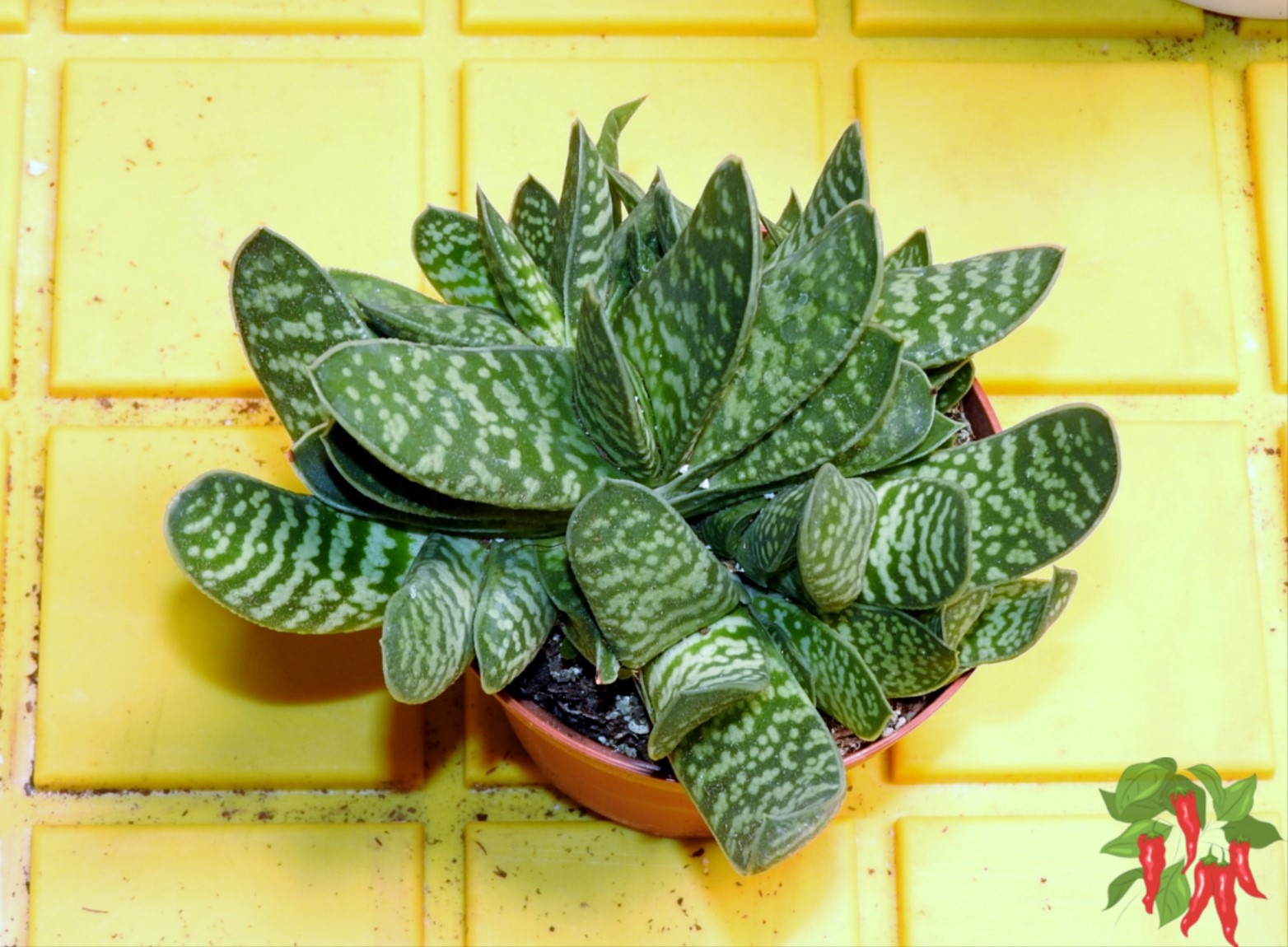
Gasteria is another plant that fits this list particularly well. Its thick leaves store moisture, growth is slow, and most varieties remain relatively compact indoors.
Depending on the variety, the leaves may be spotted, banded, textured, or covered with raised bumps. That makes Gasteria a good choice when you want an easy plant that still looks a little unusual.
I prefer growing Gasteria in an airy mix of coco coir and plenty of perlite. Let the mix dry well before watering again rather than following a rigid watering schedule.
My Gasteria care indoors guide covers light, watering, my coco coir and perlite growing mix, propagation, and keeping it compact in a small space.
Dwarf Jade: Slow Growth and Easy Size Control
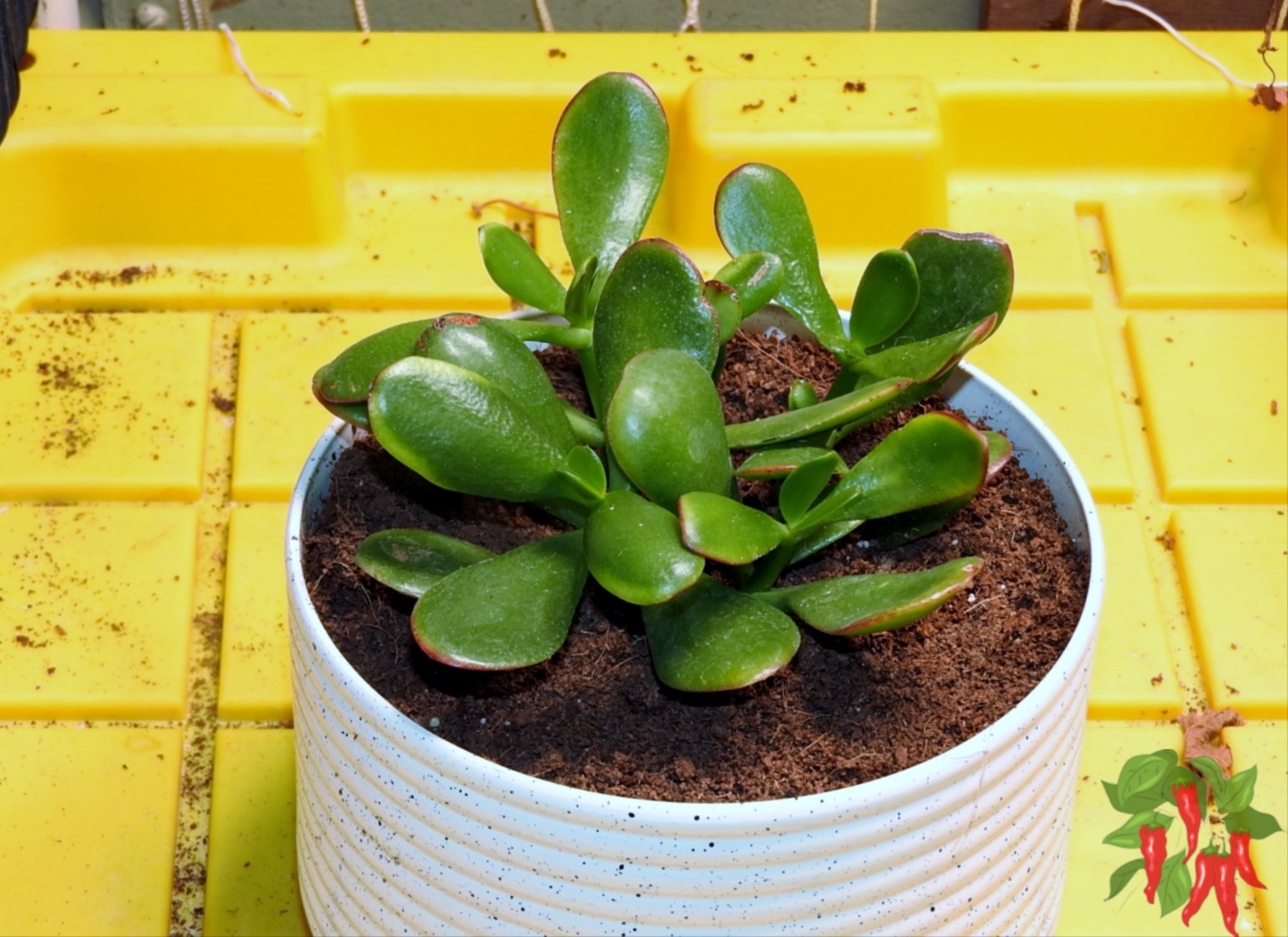
Dwarf Jade is another succulent that rewards a more hands-off approach. Its fleshy leaves store moisture, and its relatively slow growth means you will not constantly be repotting or pruning it.
Give it plenty of light and allow the growing medium to dry between waterings. Like Aloe, Panda Plant, and many other succulents, Dwarf Jade is much more forgiving of an occasional dry period than a constantly wet root zone.
It can eventually develop into a larger branching plant, but pruning makes its size and shape relatively easy to control indoors.
See my Dwarf Jade Plant care guide for more on growing and maintaining it indoors.
Which Neglect-Tolerant Plant Is Right for You?
Instead of simply choosing the plant with the toughest reputation, think about what kind of neglect it needs to tolerate. That makes the decision much easier.
| Your Situation | Good Choices | Why |
|---|---|---|
| I forget to water | ZZ Plant, Snake Plant, Gasteria, Haworthia, Aloe Vera | They store moisture and tolerate drying |
| My room has modest natural light | Cast Iron Plant, ZZ Plant, Chinese Evergreen, Heartleaf Philodendron | More adaptable to typical indoor light |
| I want a trailing plant | Pothos or Heartleaf Philodendron | Easy to trail, climb, and prune |
| I have very little space | Gasteria or Haworthia Zebra Plant | Slow-growing and naturally compact |
| I want colorful foliage | Chinese Evergreen or Raven ZZ | More visual interest without particularly demanding care |
| I want something unusual | Panda Plant, Gasteria, or Raven ZZ | Fuzzy, textured, or unusually dark foliage |
Remember: Match the plant to the problem. If you forget to water, drought tolerance matters most. If you have limited natural light, choose an adaptable foliage plant. A plant that is forgiving in one area may still have a firm requirement in another.
The Biggest Mistake With Easy-Care Plants: Too Much Care
There is a funny thing about plants described as hard to kill: sometimes we kill them by trying too hard.
This is particularly common with Snake Plants, ZZ Plants, Aloe Vera, Haworthia, Gasteria, Panda Plants, and other plants that tolerate dry periods. If the plant still looks fine, it can be tempting to water it anyway because you feel like you should be doing something.
Instead, check the growing medium. If it is still moist, putting the watering can back on the shelf may be the best plant care you do that day.
The same idea applies to fertilizer. A slow-growing plant does not necessarily need more fertilizer simply because it has not produced a new leaf lately. Light, temperature, season, and the plant’s natural growth rate all matter.
Quick Tip: With genuinely easy-care plants, learning when to leave them alone is part of good plant care. Check first, then water, fertilize, repot, or move the plant only when there is a reason to do it.
Common Mistakes With Indoor Plants That Thrive on Neglect
Easy-care plants give you more room for error, but they still have limits. Most problems happen when “low maintenance” gets confused with “no maintenance,” or when every tough houseplant is given exactly the same care.
Watering Because the Calendar Says So
A weekly watering schedule is convenient, but it does not account for changes in light, temperature, season, pot size, or growing medium. Check the plant and growing medium first.
This is especially important for ZZ Plants, Snake Plants, Gasteria, Haworthia, Aloe Vera, Panda Plants, and Dwarf Jade. These plants are generally better equipped to handle a little extra drying than a constantly wet root zone.
Putting Every Easy-Care Plant in Low Light
Low maintenance and low light are not the same thing. Aloe Vera, Panda Plant, and Dwarf Jade are relatively easy to care for, but they still benefit from plenty of light.
Even plants known for tolerating lower light, such as Cast Iron Plant and ZZ Plant, generally grow better when they receive adequate indirect light.
Ignoring the Plant Until Something Looks Wrong
There is a difference between leaving a plant alone and never looking at it. You do not need to fuss over these plants, but a quick check occasionally can catch pests, yellowing leaves, stretched growth, or a pot that is staying wet much longer than expected.
Assuming Wilting Always Means More Water
A struggling plant is not automatically a thirsty plant. Roots damaged by constantly wet conditions may have trouble taking up water, producing symptoms that can look surprisingly similar to drought stress.
Check the growing medium before adding more water. If it is already wet, another watering probably is not the solution.
Repotting Too Often
Slow-growing plants such as Cast Iron Plant, ZZ Plant, Haworthia, and Gasteria do not need a larger container simply because another year has passed.
Repot when the plant actually needs additional root space or the growing medium needs replacing. Moving a small plant into an oversized container can leave a large volume of wet growing medium around a relatively small root system.
Key Point: A forgiving plant still needs the basics. Give it appropriate light, check before watering, and pay enough attention to notice when something changes. The advantage is that you do not have to constantly fuss over it.
Frequently Asked Questions About Indoor Plants That Thrive on Neglect
What is the easiest indoor plant to keep alive?
Snake Plant, ZZ Plant, and Cast Iron Plant are three of the easiest choices for many indoor growers. They tolerate occasional missed care and adapt well to typical household conditions. The easiest plant for you still depends on the light available and how often you tend to water.
What houseplants are best if I forget to water?
ZZ Plant, Snake Plant, Aloe Vera, Haworthia, Gasteria, Panda Plant, and Dwarf Jade are good choices because they can store moisture and tolerate drying between waterings. They are generally much better choices for a forgetful waterer than plants that require consistently moist growing conditions.
Which easy-care plants can tolerate lower light?
Cast Iron Plant and ZZ Plant are particularly adaptable, while Chinese Evergreen and Heartleaf Philodendron can also work with moderate indoor light. Lower-light tolerance does not mean no light, and brighter indirect light often produces stronger growth.
What is the best low-maintenance trailing plant?
Pothos and Heartleaf Philodendron are two excellent choices. Both can trail from shelves or hanging planters, adapt well to indoor conditions, and can be pruned easily when the vines become longer than you want.
What is a good low-maintenance plant for a small space?
Gasteria and Haworthia Zebra Plant are particularly good choices because both grow slowly and stay relatively compact. If you want more options, my guide to indoor plants for small spaces includes flowering plants, foliage plants, and succulents that will not quickly take over your home.
Do low-maintenance plants still need fertilizer?
Yes, but low-maintenance plants usually do not need aggressive feeding. Fertilize appropriately during active growth, particularly when growing in a low-nutrient medium such as coco coir and perlite. More fertilizer does not automatically produce a healthier plant.
Can I leave houseplants alone when I go on vacation?
Many established drought-tolerant plants can handle a short absence without special treatment, particularly if they are healthy and properly watered beforehand. How long a plant can go without attention depends on the species, season, light, temperature, pot size, and growing medium.
Final Thoughts on Indoor Plants That Thrive on Neglect
Indoor plants that thrive on neglect are really plants that give you a wider margin for error. They still need light, water, and occasional nutrients, but they do not demand that you constantly adjust, mist, water, prune, or repot them.
If forgetting to water is your biggest problem, I would look first at ZZ Plant, Snake Plant, Gasteria, Haworthia, Aloe Vera, or another plant that stores moisture. If your challenge is modest indoor light, Cast Iron Plant, Chinese Evergreen, or Heartleaf Philodendron may make more sense.
I also like having a mixture. Gasteria and Panda Plant give you unusual textures, Chinese Evergreen adds colorful foliage, and Pothos or Heartleaf Philodendron can fill the trailing-plant role without demanding a complicated care routine.
The biggest lesson is not to care for every “easy” plant the same way. Match the plant to your conditions and your habits. Once you do that, keeping houseplants becomes a lot simpler.
Where to Go Next
Explore Related Topics
More Easy Indoor Plants to Explore
Grow a Cast Iron Plant Indoors
If adaptability is your priority, Cast Iron Plant deserves a closer look. Its slow growth and tolerance for typical indoor conditions have earned it a reputation as one of the tougher houseplants.
Grow Chinese Evergreen Indoors
Chinese Evergreen combines forgiving indoor care with far more foliage choices than you might expect, including varieties with silver, cream, pink, and red coloration.
Try Gasteria for Something Different
Gasteria is a slow-growing succulent with unusual textured foliage, modest space requirements, and a care routine that works particularly well if you tend to forget about watering.