
This post may contain affiliate links. If you buy something from one of our links we may earn a commission. Thanks

🌿 Think ferns are fussy? Not anymore.
Indoor ferns can be lush, low-maintenance houseplants if you know what they like.
The trick is dialing in light, moisture, and airflow so your ferns stay full and frondy all year long.
In this guide, you’ll learn exactly how to care for indoor ferns without the guesswork.
How do you care for indoor ferns?
- To care for indoor ferns, place them in bright, indirect light and keep the soil evenly moist but not soggy.
- Ferns thrive in high humidity, so mist them daily or use a pebble tray or humidifier.
- Avoid drafts and feed monthly during the growing season with diluted liquid fertilizer.
🌿 Introduction to Indoor Fern Care
Want to bring a little jungle energy into your living room? 🌱 Indoor ferns do more than just look good. They can freshen the air and thrive in the right spot with just a bit of care.
In this guide, you’ll learn how to pick the right fern for your space, keep it healthy year-round, solve common problems, and even propagate new ones. Let’s make those fronds flourish!
🌿 What Makes Ferns Great Houseplants?
Ferns have been around since the dinosaur days and for good reason. Indoors, they bring soft texture, vibrant greenery, and a wild, natural feel that’s hard to beat.
Many fern varieties thrive in typical household conditions, especially if you can give them steady moisture and filtered light. Plus, they don’t need flowers to impress. Those graceful fronds do all the talking.
Whether you’re after a classic Boston fern or something a little funkier like a Bird’s Nest or Maidenhair, there’s a fern for just about every style and skill level.
🌿 Why Indoor Ferns?
Indoor ferns do more than just look good on a shelf. They actively make your space healthier and more inviting. 🏡
🌞 Why Ferns Thrive Indoors
Ferns love what your home already has: indirect light, steady warmth, and a little humidity. That’s why they’re one of the easiest ways to green up your space without constant fuss. 🌿
They don’t need direct sun, and many types are happy hanging out in bathrooms, bedrooms, or bright corners. If you can keep the soil lightly moist and the air a bit humid, your ferns will reward you with lush, arching fronds all year long. 💧🪴
🍃 Cleaner Air
Many ferns help filter pollutants like formaldehyde, xylene, and toluene from the air. They also add a bit of moisture to dry rooms, which can ease dry skin, sore throats, and even static cling.
🧘♀️ Stress Relief
Studies show that just seeing greenery can reduce stress and anxiety. Ferns create a calming, natural feel that makes your space more relaxing, whether it’s your home office or bedroom.
🌱 Why They’re So Popular
- ✅ Thrive in indirect light
- ✅ Add texture and movement to any room
- ✅ Easy to grow in small spaces
- ✅ Safe for most pets (depending on the species)
🌿 Indoor Fern Care Basics

Caring for indoor ferns isn’t hard, but they do need the right setup to stay full and healthy. 🌱
The basics include getting the light just right, keeping humidity steady, watering consistently, and choosing a breathable potting mix. 🪴💧
We’ll walk you through all of it, plus how to troubleshoot issues like yellowing fronds, brown tips, and pests.
Follow this guide and you’ll be growing lush, happy ferns that thrive indoors for years to come. 🌿
🌿 How to Choose the Right Fern
Before picking a fern, think about your space and your routine. 🏡 Some ferns love humidity and bright corners, while others are perfect for low-light rooms or beginner growers.
Here are a few things to consider to help you match the right fern to your home:
- 💡 Lighting: Does your space get bright, indirect light or is it mostly shade?
- 📏 Size: Looking for a small shelf plant or a tall, tropical focal point?
- 🎨 Style: Prefer frilly fronds, ruffled edges, or bold looks like the Asparagus Fern?
- 🧑🌾 Experience: Some types, like the Maidenhair Fern, need daily care while others like the Boston Fern are more hands-off.
Thinking through these basics will help you choose a fern that not only fits your space, but thrives in it too. 🌱
🌿 5 Easy Indoor Ferns to Grow
Here are some of the best indoor ferns for beginners and small spaces. These varieties are easy to find, simple to care for, and perfect for apartments, offices, or any indoor jungle. 🪴
🌿 Boston Fern (Nephrolepis exaltata)
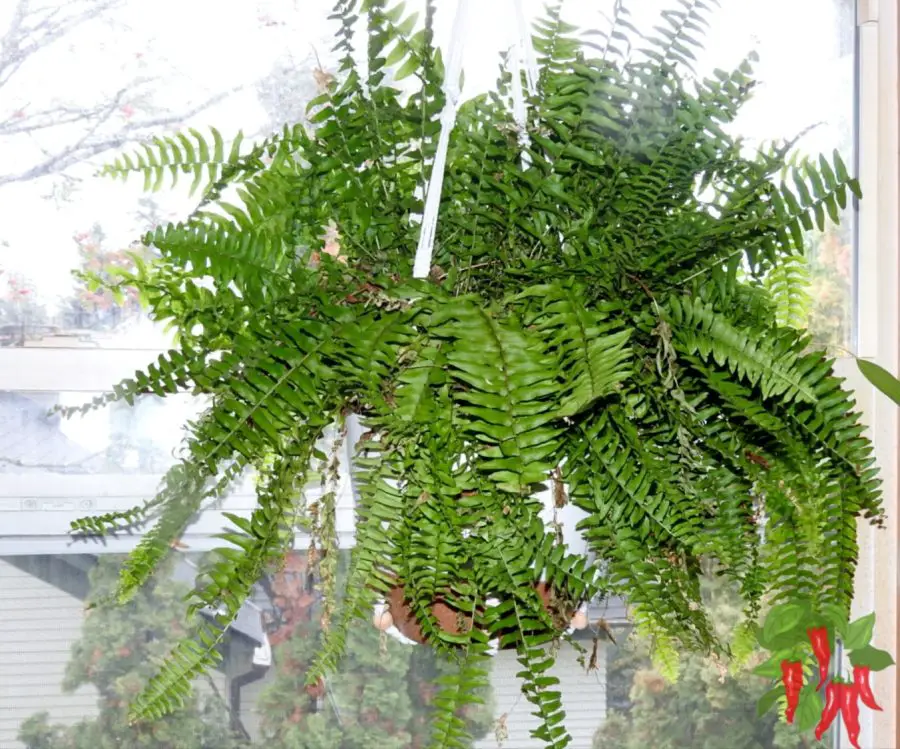
This classic hanging basket fern is known for its soft, arching fronds that can grow up to 3 feet long. It’s a favorite for bright bathrooms, sunrooms, and anywhere you want a lush, natural vibe. 🌿
- ✅ Easy to grow and great for beginners
- 💧 Likes steady moisture and humidity
- 🌞 Thrives in bright, indirect light but tolerates some shade
- 🍃 Helps clean the air and freshen your space

🌿 Maidenhair Fern (Adiantum spp.)
Delicate and graceful, the Maidenhair fern adds soft texture and movement to any space. Its fine, fan-shaped fronds and black stems make it a favorite for terrariums, shelves, or hanging planters. 🌸
- 🌿 Needs high humidity and daily misting
- 💧 Keep soil evenly moist, never dry
- 🌥 Prefers low to moderate light
- 🛁 Best grown in bathrooms or near a humidifier

🌿 Bird’s Nest Fern (Asplenium nidus)
With its wide, crinkled fronds and tidy rosette shape, the Bird’s Nest fern brings a tropical touch to any room. It’s bold, sculptural, and surprisingly easy to grow. 🌴
- 🪴 Great for beginners and low-maintenance growers
- 🌥 Tolerates low to moderate light
- 💧 Keep soil lightly moist and don’t water the center
- 🌡 Grows well in bathrooms, bedrooms, or shaded corners

🌿 Asparagus Fern (Asparagus densiflorus)
Feathery and full, the Asparagus fern brings soft, foxtail-like foliage that spills beautifully from baskets or pots. It’s not a true fern, but it behaves like one and makes a great houseplant for beginners. 🪴
- ✅ Fast-growing and hardy once established
- 🌥 Tolerates bright, indirect light and partial shade
- 💧 Likes evenly moist soil. Let the top inch dry out between waterings
- ✂️ Benefits from occasional pruning to control size
- 🌿 Grows well in pots or hanging baskets with good drainage

🌿 Crocodile Fern (Microsorum musifolium)
If you’re looking for something a little different, the Crocodile fern is a standout. Its leathery fronds have a crinkled texture that looks like reptile skin, making it a bold and eye-catching plant. 🐊
- 🌥 Prefers bright, indirect light or filtered shade
- 💧 Keep the soil lightly moist, don’t let it dry out
- 🌡 Enjoys high humidity but adapts to average room conditions
- 🪴 Grows upright with structured leaves. Great for tabletops or floor pots
- 🎯 Unique texture adds contrast to your plant collection

Where to buy indoor ferns:
Now that you know what to look for when choosing the right fern for your space, the next step is to find a reputable seller. You can buy live ferns on Amazon.
You can purchase indoor ferns from a variety of sources, including local plant nurseries, garden centers, online retailers, and even grocery stores.
🌿 Basic Care for Indoor Ferns
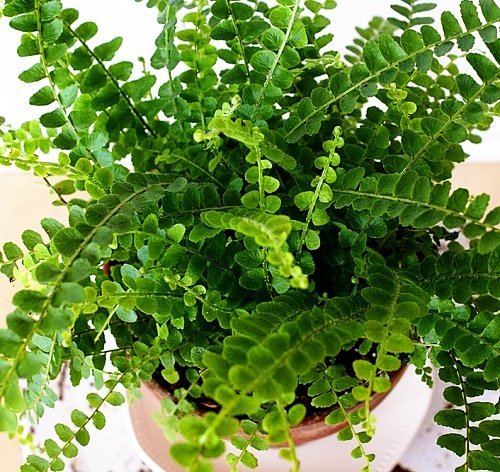
Congrats on your new fern! 🪴 With the right setup, your indoor fern can stay lush and vibrant for years.
Let’s go over the basics of what it needs to thrive indoors: light, water, humidity, and potting.
💡 Light Requirements
One of the most important parts of indoor fern care is getting the light just right. Ferns don’t like extremes. They prefer soft, filtered light over direct sun or deep shade.
Most ferns prefer bright, indirect light, but they can also thrive in low-light conditions. 🌿
Most ferns are happy with 4–6 hours of filtered light a day. Use supplemental lighting in darker rooms to keep growth steady year-round.
However, direct bright light such as sunlight can be harmful to ferns, so it’s important to find the right balance. If you have a bright south-facing window, consider using a sheer curtain in front of your fern plant. 🌞
If your fern isn’t getting enough light, you can consider using a fluorescent or LED grow light for supplemental lighting. These lights help maintain healthy growth during darker months or in shaded rooms. 💡
⚠️ Signs of Too Much Light
- Fronds turn pale or yellow
- Leaf tips are brown or crispy
- Leaves feel dry to the touch
- Fronds start to drop off
🌑 Signs of Too Little Light
- Small or stunted fronds
- Slow or no new growth
- Fronds are widely spaced
- Plant leans or stretches toward windows
🌡 Temperature and Humidity Needs
Ferns are tropical plants and thrive in warm, humid environments. To keep your fern happy, aim to keep your indoor space between 60–75°F with humidity around 50% or higher.
Without enough humidity, fronds may turn brown and dry at the edges. Below are some easy ways to raise the humidity in your home or office and help your fern feel right at home. 🌿
💦 Tips to Boost Humidity for Indoor Ferns
- Grouping: Cluster ferns together to create a naturally more humid microclimate through transpiration.
- Water trays: Place shallow trays of water near your plants. As the water evaporates, it raises humidity in the surrounding area.
- Humidifier: Use a small room humidifier. It’s especially helpful in winter when heating dries the air.
- Misting: Lightly mist the fronds using a spray bottle filled with water to help keep them hydrated.
- Pebble tray: Fill a shallow tray with pebbles and water. Place the fern’s pot on top, making sure the pot isn’t sitting in water. As the water evaporates, it raises humidity around the plant.
⚠️ Be careful not to overwater. Only water when the top inch of soil feels dry. Too much moisture at the roots can lead to rot, even if the air feels dry.
💧 Watering and Fertilization
Another key part of indoor fern care is understanding when and how to water, and when to give them a nutrient boost. Ferns like consistent moisture and appreciate light feeding during the growing season.
📅 How Often to Water and Fertilize
Watering and fertilizing may sound simple, but overdoing either one can cause problems. Here are some guidelines to keep your fern healthy and thriving:
- Watering: Keep the soil consistently moist, but never soggy.
- Water when the top inch of soil feels dry to the touch.
- Frequency depends on pot size, plant size, humidity, and temperature, typically once or twice a week.
- Fertilizing: Feed every 2–4 weeks during spring and summer using a balanced liquid fertilizer diluted to half strength.
- Do not fertilize in fall or winter when the plant isn’t actively growing.
🔍 Pro Tips to Avoid Mistakes
- Always monitor your fern’s growth and appearance. Adjust care based on its response.
- Light, humidity, and temperature all affect how fast water evaporates and how often you need to feed.
- When unsure, it’s safer to underwater and under-fertilize than to overdo it.
✂️ Pruning and Grooming
To keep your indoor fern looking its best, you’ll want to do a little grooming now and then. Removing old, damaged fronds encourages healthy new growth and keeps your plant tidy and vibrant.
🧼 How to Prune and Groom a Fern
- Remove dead or yellow fronds: Use clean scissors or pruning shears to trim damaged or faded leaves at the base.
- Trim overgrown fronds: If a frond gets too long or unruly, snip it just above the soil line to shape the plant.
- Gently clean the fronds: Use your fingers or a soft cloth to remove dust and keep the leaves breathing freely.
- Check for pests: While grooming, peek under the leaves for mealybugs, spider mites, or scale. Spot them early, and you’ll save your plant a lot of stress.
- Repot when needed: If your fern is root-bound or growing out of its pot, it might be time for a roomier home.
Just be gentle and avoid cutting too much at once. A little regular cleanup goes a long way in keeping your fern healthy and full.
🪴 Soil and Potting
Ferns need the right mix of soil and container to thrive indoors. A light, breathable potting mix combined with good drainage is the secret to avoiding soggy roots and unhappy fronds.
🌱 Best Soil for Indoor Ferns
- Well-draining mix: Use a combination of coco coir, perlite, and compost or worm castings.
- Moisture-retentive but airy: Fern roots like even moisture, not heavy, soggy soil.
- pH preference: Slightly acidic to neutral is ideal (around 6.0–7.0).
🌿 Coco Coir vs. Peat Moss
Coco coir is a sustainable, pH-neutral alternative to peat moss. It offers excellent moisture retention and aeration without harming fragile peat bog ecosystems.
- ♻️ Made from coconut husks, a renewable byproduct
- 💧 Holds moisture without compacting
- 🌍 Better for the planet than peat-based mixes
🌿 Benefits of Coconut Coir over Peat Moss
Coconut coir is an excellent alternative to peat moss because it is more sustainable and environmentally friendly.
It also has better water retention and aeration properties, which can improve the overall health of the fern. Coco coir creates a light and fluffy texture that allows roots to breathe, reducing the risk of rot.
Coconut coir is made from coconut husks, which are a renewable resource. That makes it a far more sustainable option than peat moss, which is harvested from peat bogs, natural ecosystems that take hundreds of years to regenerate.
Another benefit is pH. Coconut coir is naturally pH neutral, while peat moss tends to be very acidic. Ferns generally prefer a slightly acidic to neutral soil mix, so coco coir makes balancing pH easier from the start.
🪵 Choosing the Right Pot
- Drainage is a must: Always choose a pot with drainage holes to avoid root rot.
- Material matters: Terracotta pots help wick away excess moisture and let the soil breathe.
- Size it right: Go one size up from the current root ball. Too large, and the soil may stay wet for too long.
🛠 Troubleshooting Common Issues

🐛 Pest Infestation and Treatment
Indoor ferns can be susceptible to a variety of pests, including spider mites, mealybugs, and scale insects. These pests feed on the plant’s foliage and sap, which can weaken your fern over time if left untreated.
🔎 Common Fern Pests
- Spider mites: Tiny pests that spin fine webs and cause yellowing or speckled leaves. They thrive in dry conditions.
- Mealybugs: Small, fuzzy white insects that cluster on stems and under leaves. They often leave behind a sticky substance called honeydew.
- Scale insects: Hard-to-see bugs that appear as small brown bumps. They cause yellowing, stunted growth, and sticky residue on fronds.
🧪 Treatment Options
- Spider mites: Rinse your fern thoroughly with insecticidal soap or apply neem oil weekly until the mites are gone.
- Mealybugs: Dab individual bugs with a cotton swab dipped in rubbing alcohol or treat the plant with neem oil.
- Scale insects: Gently scrape them off using a soft toothbrush or apply neem oil spray to break their life cycle.
🛡 How to Prevent Future Infestations
- Keep your fern healthy and stress-free. Strong plants are more pest-resistant.
- Inspect new plants before bringing them indoors to avoid introducing pests.
- Wipe down leaves occasionally to keep dust and bugs away.

Fern Propagation:

🌿 How to Propagate Indoor Ferns
One of the best things about indoor ferns is how easy they are to multiply. 🌱 Propagation lets you grow new ferns from the ones you already love, no new spending required!
In this section, we’ll walk through the most popular ways to propagate indoor ferns and how to get the best results with each one. 🧪
🪴 Propagation Methods
There are three main ways to propagate ferns indoors:
- 🌬 Spores: Tiny dust-like reproductive cells found on the backs of mature fronds. Can be collected and grown in warm, moist conditions.
- 🪓 Division: Split a healthy, mature fern into sections, each with roots and fronds, and replant.
- 🌿 Plantlets: Small baby ferns (often on runners or frond tips) that can be detached and rooted in their own pot.
✅ Steps for Successful Propagation
- 🧼 Use clean tools and sterile potting mix to avoid disease or pests.
- 🌱 Choose a healthy, well-hydrated parent plant with no signs of stress.
- 🕰 Be patient, spores and plantlets can take weeks or months to mature.
📆 When’s the Best Time to Propagate?
- 🌞 Spores: Can be sown anytime, but they sprout best in warm, humid conditions.
- 🌸 Division: Do this in spring or early summer when your fern is actively growing.
- 🌿 Plantlets: Can be removed year-round, but root best in the growing season.
No matter which method you choose, make sure your fern is in good health before starting. A strong plant equals better success.
🔍 Spotting Fern Spores
Wondering if your fern is ready to share its spores? Look underneath the fronds. If you see tiny brown or black dots arranged in patterns, those are called sori, and they hold the spores. 🍂
To collect them, place a piece of paper under the frond and tap gently. The spores will fall like dust. Sow them in moist soil, cover lightly, and keep the container warm and humid until germination.
One of the great things about indoor ferns is that they are relatively easy to propagate. Propagation is the process of creating new plants from existing ones.
By learning how to propagate your indoor fern, you can expand your collection without having to spend a lot of money on new plants.
❄️ How to Care for Ferns Indoors in Winter

Winter can be tricky for indoor ferns. Cold drafts, dry air, and lower light levels can all stress your plant. But with a few simple adjustments, you can keep your fern healthy and green until spring returns. 🌿
🌤 Adjust Light and Temperature
- Move your fern to a brighter spot if natural light is limited. South or east-facing windows work best in winter.
- Avoid placing your fern near cold windows, exterior doors, or heating vents. Temperature fluctuations can cause stress.
- Keep room temps between 60–75°F. Ferns dislike cold air and won’t tolerate freezing drafts.
💦 Maintain Humidity
- Run a humidifier near your ferns or set up pebble trays to help counteract dry indoor air.
- Mist lightly if humidity is low but avoid overdoing it, especially if your space is cool.
- Keep multiple plants together to create a pocket of humidity around your fern collection.
🪣 Reduce Watering
- Your fern won’t grow much in winter, so it needs less water than usual.
- Let the top inch of soil dry slightly before watering again. Overwatering during dormancy can lead to rot.
- Stick your finger into the soil once or twice a week to check moisture. Don’t guess!
🚫 Keep Ferns Away from Drafts
- Ferns are sensitive to temperature shifts. Keep them away from leaky windows, exterior doors, and space heaters.
- Avoid placing them on windowsills where nighttime temps drop too low.
With just a few seasonal tweaks, your fern can stay lush and happy even when the weather outside is far from tropical. 🌬
🌞 How Much Light Do Ferns Need Indoors?
Indoor ferns don’t need direct sun, but they do need light. The right lighting makes the difference between a lush, full plant and one that’s pale and struggling. ☀️🌿
💡 Best Types of Light for Ferns
- Bright, indirect light: This is the sweet spot for most ferns. Place them near a window with filtered light using a sheer curtain.
- Moderate light: Ferns like Boston or Bird’s Nest can adapt to medium-light spots and still look good.
- Low light: Some ferns, like Maidenhair or Lemon Button, will survive in lower light, but may grow slower or sparser.
🔍 Assessing Your Indoor Light
- Observe your fern if it’s leaning toward the window or stretching. It likely wants more light.
- Yellowing, crispy edges, or pale fronds may indicate too much light or direct sun exposure.
- North- and east-facing windows usually work well. South- and west-facing windows might need curtains to soften the rays.
💡 Supplementing with Grow Lights
If your space doesn’t get much natural light, especially in winter, grow lights can help keep your fern healthy.
- Use full-spectrum LED or fluorescent grow lights that mimic natural daylight.
- Keep the light 12–18 inches above your fern and run it for 10–12 hours a day.
- Choose adjustable lamps if you have multiple ferns with different lighting needs.
Light isn’t one-size-fits-all, but with a little observation and adjustment, you can create just the right environment for your fern to flourish indoors. 🌤
🌿 How to Care for Ferns Outdoors
Got a shady garden, patio, or balcony? Outdoor ferns can bring instant greenery and texture to your space. 🌳 But their care is a little different than indoor ferns. Here’s how to help them thrive outside.
📍 Choosing the Right Location
Most ferns prefer dappled or full shade and don’t do well in direct afternoon sun. Choose a spot that’s protected from harsh wind and where the soil stays evenly moist. 🌤️
- 🌲 Tuck them under trees, beside fences, or along shaded patios
- 💨 Avoid windy spots that can dry out or damage fronds
🌱 Preparing the Soil
Ferns like loose, well-draining soil that retains moisture without staying soggy. 🪴
- 🪵 Mix in compost, leaf mold, or coco coir for organic richness
- 🪨 Add perlite or sand to loosen heavy or clay soil
💧 Watering and Fertilizing
Keep the soil consistently moist but not soaked. Water deeply once a week or more during heatwaves or dry spells. 🌡️
- 🛡️ Mulch around the base to retain moisture and block weeds
- 🌼 Use a diluted liquid fertilizer once a month in spring and summer
- ❄️ Stop fertilizing in fall and winter when growth slows
🐌 Pest and Weather Protection
Outdoor ferns can attract slugs, snails, and aphids, and are vulnerable to harsh weather. Regular checks help prevent damage. 👀
- 🐛 Use diatomaceous earth or traps to deter pests
- 🧼 Try insecticidal soap for aphids or mealybugs
- ❄️ Mulch with leaves or cover with burlap in frost-prone areas
- 🌬️ Stake tall fronds or plant near walls to shield from wind
🌿 Hardy Ferns for Outdoor Gardens
Looking for ferns that can handle outdoor weather and even frost? These tough varieties are perfect for shaded garden beds, borders, and naturalized woodland areas.
- 🌀 Ostrich Fern (Matteuccia struthiopteris): Very cold-hardy and spreads easily in moist, shaded spots. Zones 3–7.
- 🟢 Lady Fern (Athyrium filix-femina): A classic garden fern that tolerates cold and partial sun. Zones 4–8.
- 🟤 Cinnamon Fern (Osmundastrum cinnamomeum): Features tall fronds and coppery spikes. Likes wet soil. Zones 3–7.
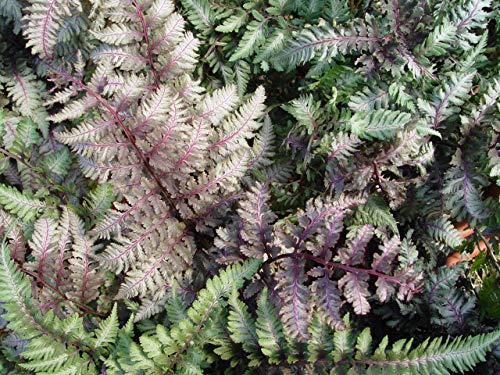
- 🪻 Japanese Painted Fern (Athyrium niponicum): Compact, colorful, and great for borders. Tolerates some dryness. Zones 4–8.
- 🌲 Christmas Fern (Polystichum acrostichoides): Evergreen in many zones. Works well as ground cover. Zones 3–9.
These hardy ferns can take the chill and come back strong every year. Just give them a shady, moist home and they’ll reward you with texture and color through every season. ❄️☀️
With a little planning and seasonal care, outdoor ferns can fill your garden with lush texture from spring through fall and many varieties will return every year stronger than before. 🍃
🌿 Varieties of Fern
There are quite a few fern varieties that thrive indoors. Below is a mix of popular favorites, including both common and scientific names, to help you pick the perfect fit. 🪴
- 🌱 Boston Fern (Nephrolepis exaltata) – A timeless classic with soft, arching fronds up to 3 feet long. Needs bright, indirect light, steady humidity, and moist soil to thrive.
- 🌸 Maidenhair Fern (Adiantum spp.) – Known for its delicate, lacy foliage. Loves bright, indirect light, high humidity, and consistently damp soil.
- 🪹 Bird’s Nest Fern (Asplenium nidus) – Bold, wavy fronds grow in a tidy rosette. Prefers medium to low light, moderate humidity, and lightly moist soil. A true statement plant!
- 🌿 Kimberly Queen Fern (Nephrolepis obliterata) – A modern take on the Boston fern with upright, tidy fronds. Handles medium to bright light and is super beginner-friendly.
- 🦌 Staghorn Fern (Platycerium spp.) – Features antler-like fronds and a leafy base. Likes bright, indirect light and high humidity. Often mounted for dramatic effect.
- 🔘 Button Fern (Pellaea spp.) – Compact and quirky with round leaflets. Thrives in bright light with moderate humidity and can handle slight drying between waterings.
- 🎨 Japanese Painted Fern (Athyrium niponicum) – Silvery green fronds with burgundy veins make this one a real eye-catcher. Prefers bright, indirect light and moist soil.
- 🐾 Rabbit’s Foot Fern (Davallia fejeensis) – Fuzzy rhizomes crawl over the pot’s edge, giving it its fun name. Needs bright, indirect light, good humidity, and even moisture.
- 🍋 Lemon Button Fern (Nephrolepis cordifolia) – Petite, lemon-scented fronds in a compact form. Great for shelves or desktops. Loves light and consistent moisture.
- 💙 Blue Star Fern (Phlebodium aureum) – Silvery-blue foliage stands out in any collection. Can handle lower light and appreciates moist soil and indirect sun.
- 🦚 Asparagus Fern / Foxtail Fern (Asparagus densiflorus) – Upright, feathery fronds that are soft and striking. Tolerates some dryness and enjoys bright, indirect light.
❓ Indoor Fern Care FAQs
Got questions about keeping your fern happy indoors? 🌿 Here are some quick answers to the most common problems, myths, and care tips.
🪴 Q: How do you keep a fern alive indoors?
Keep the soil lightly moist, give it bright indirect light, and boost humidity with misting or a tray of water and pebbles. Avoid drafts, dry air, or letting the soil dry out completely.
🌞 Q: Do ferns need sunlight indoors?
Yes, but not direct sun. Most ferns prefer bright, filtered light. Too much direct sun can burn the fronds, while too little will stunt growth and cause stretching.
💧 Q: How often should you water indoor ferns?
Usually once or twice a week, but always check the top inch of soil. If it feels dry, it’s time to water. In low humidity or warmer rooms, you may need to water more often.
🌬 Q: What’s the best place to put a fern indoors?
Bathrooms, kitchens, and bright corners near east or north-facing windows are ideal. These areas offer humidity and soft light, exactly what ferns like best.
🌱 Q: Can ferns grow in low light?
Some ferns, like Maidenhair and Lemon Button, can tolerate lower light but won’t grow as fast. Supplement with a grow light if needed to keep your plant lush and healthy.
🐾 Q: Are indoor ferns safe for pets?
Many popular ferns like Boston, Bird’s Nest, and Lemon Button are non-toxic to cats and dogs. Still, it’s always smart to double-check the species before bringing one home.
🌿 Indoor Fern Care Conclusion
🎉 Congratulations, you now have all the essentials to care for your indoor (and outdoor) ferns! Indoor ferns are a wonderful way to bring greenery and life into your home. 🌱
Their lush fronds add texture and movement, and many varieties help clean the air, making your space feel fresh and inviting. 💚
With the care tips covered in this guide, you’ll be able to grow healthy, thriving ferns all year long. 🪴
Whether you’re new to houseplants or a seasoned plant lover, ferns are a satisfying, low-fuss way to add a touch of nature indoors. 🌿
Keep an eye on their basic needs, light, moisture, and humidity, and your ferns will stay full and happy. ✨
🌱 Indoor Fern Care Key Takeaways
- ✅ Growing ferns indoors is a great way to add lush greenery and life to your home.
- ☀️ A north-facing window or a spot with filtered, indirect light works best.
- 💧 Keep soil evenly moist and maintain high humidity around the plant.
- 🌬️ Regular misting and a well-draining potting mix go a long way toward keeping your fern happy.
🌼 By following these tips, your ferns will thrive and bring natural beauty to your indoor or outdoor space.
🪴 Be sure to consider the specific needs of your fern, light, temperature, soil, and moisture, and make small adjustments as needed.
🌟 With a little patience and regular care, you’ll enjoy lush, vibrant fronds for years to come. Happy gardening!
📋 Recap of Indoor Ferns Care
In this guide, we covered everything from choosing the right fern and providing proper light and humidity, to watering, fertilizing, pruning, and grooming.
We also looked at how to troubleshoot issues, propagate your fern, care for it during winter, and even how to grow ferns outdoors.
💚 Benefits of Having Indoor Ferns
Indoor ferns do more than just look good. They help purify the air, regulate humidity levels, and bring a sense of calm to your space. 🧘♂️🌿
✨ Final Tips and Recommendations for Indoor Ferns Care
🔍 Check the soil regularly and adjust your watering or misting routine based on how your plant responds.
🌿 Different fern types may have unique needs, so take the time to learn about your specific variety.
💖 Most importantly, enjoy your fern! Watch it grow, thrive, and bring joy to your home.
🛒 You can buy live ferns on Amazon
📖 Read about Boston Fern Care Indoors
🦎 Caring for Crocodile Ferns Indoors
🗂️ Explore more fern care tips in our Indoor Ferns category
🌟 Indoor Ferns Care: 11 Tips And Tricks For Beginners
Congratulations, you now have all the essentials to confidently care for your indoor (and outdoor) ferns!
🌿 Ready to Keep Learning?
Dive deeper into fern care with these helpful guides perfect for beginners and seasoned plant lovers alike:
- 🌱 Boston Fern Care Indoors: 13 Easy Tips for Beginners
- 🌿 Japanese Holly Fern Care: 5 Easy Growth Tips
- 🪴 Asparagus Fern Indoor Care: 11 Easy Tips
- 🍃 Maidenhair Fern Indoor Care: 9 Easy Growth Tips
- 🪹 Caring for Bird’s Nest Fern Indoors: 9 Growth Tips
- 🦎 Crocodile Fern Indoor Care: 7 Tips for Beginners
Or explore all our fern articles in one place:
View the Indoor Ferns Category 🌿