

Want to know how to grow succulent plants indoors? Succulent plants are some of the easiest and most rewarding indoor plants you can grow.
How To Grow Succulent Plants: Easy Indoor Succulent Guide
🌵 Succulent plants bring a lot more to your home than good looks. These tough little plants add greenery and texture, while also offering real benefits for your physical and mental well-being.
From cleaner air to less stress, succulents make it easy to bring a bit of nature indoors.
Even better? They’re some of the lowest-maintenance plants you can grow, perfect for a windowsill, office desk, or anywhere you want a splash of green.
In this guide, I’ll show you simple ways to grow healthy succulents and keep them thriving all year long.
Succulent Plants Key Takeaways
- Succulent plants are easy to grow indoors with bright light, well-draining soil, and occasional watering.
- They bring natural beauty and unique textures to your space while helping improve air quality.
- Most indoor succulents require minimal care and tolerate dry indoor air well.
- Benefits include stress relief, air purification, humidity boost, and long-lasting style.
- Succulents are affordable, easy to propagate, and perfect for beginners and seasoned plant lovers alike.
What Are Succulent Plants? 🌵🌸
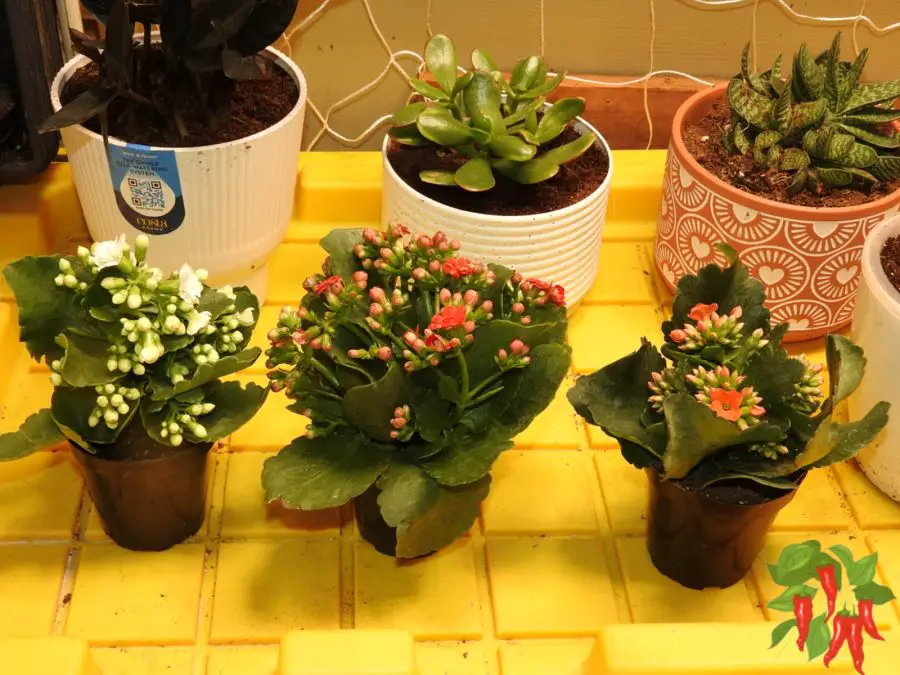
Succulent plants are nature’s experts at water storage. 💧 They have thick, fleshy leaves, stems, or roots that hold moisture, allowing them to thrive in dry conditions where many other plants would struggle.
This makes them ideal for indoor growing, 🏡 where consistent watering isn’t always easy.
Succulents come in an incredible variety of shapes, sizes, and colors. 🎨 From the bold leaves of the Bear Paw Succulent to the delicate strings of String of Pearls, there’s a succulent for just about every style and space.
Most succulents are native to arid climates ☀️, but they adapt well to life indoors. With the right soil, light, and a light watering hand, these charming plants will reward you with lasting beauty 🌿 and a touch of natural elegance.
Benefits Of Growing Succulents Indoors 🌿
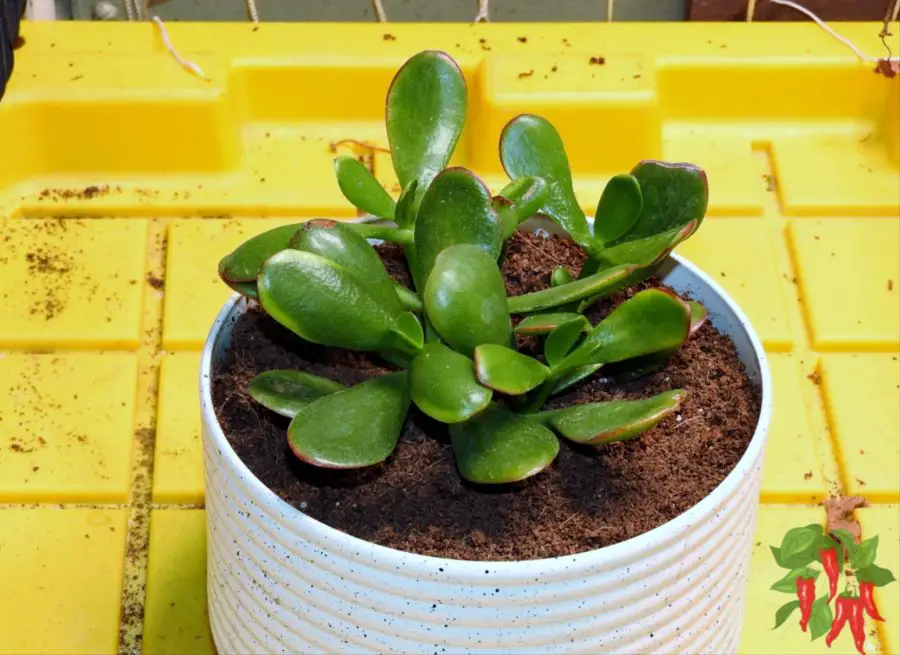
Succulent plants do more than brighten up your space. They bring a surprising number of benefits to your home and well-being. Here are some of the top reasons to add succulents to your indoor garden:
-
- 🌬️ Improve air quality: Succulents can help filter indoor air by absorbing carbon dioxide and releasing oxygen.
It’s worth noting that while succulents (like many plants) can help absorb VOCs and contribute to cleaner air, research suggests you’d need a large number of plants to make a significant difference. Still, every little bit helps, and the beauty and well-being benefits are reason enough to grow them indoors. 🌬️
- 😌 Reduce stress: Studies show that having plants around, including succulents, can lower stress and boost mood.
- 💧 Increase humidity: Succulents release moisture into the air, which can help combat dry indoor environments.
- 🎨 Add natural beauty: Their unique shapes and colors make succulents a beautiful addition to any room.
- 🪴 Low maintenance: Perfect for busy lifestyles or new plant owners. Succulents thrive with minimal care.
- 🌱 Easy to propagate: Many succulents can be propagated from cuttings or leaves, giving you endless new plants to enjoy or share.
- 💸 Cost effective: Once established, succulents grow slowly and require little beyond occasional watering and bright light.
- 🌵 Drought tolerant: Their natural ability to store water makes them forgiving if you occasionally forget to water.
Succulents aren’t just easy to grow. They offer lots of practical benefits, too. Their drought tolerance makes them ideal for folks with busy schedules or dry indoor climates.
They also help improve indoor air quality by absorbing carbon dioxide and releasing oxygen. And studies show that having living plants nearby can lower stress levels and improve focus, perfect for a home office or cozy corner.
Bringing plants indoors taps into the power of biophilic design, the idea that connecting with nature makes us feel better. Studies show that even a few succulents can help lower stress and support mental well-being. 🌿
It’s easy to see why succulents are such a popular choice for indoor gardening. In the next section, I’ll show you how to care for them so they stay happy and healthy indoors.
Caring For Succulent Plants 🌞💧
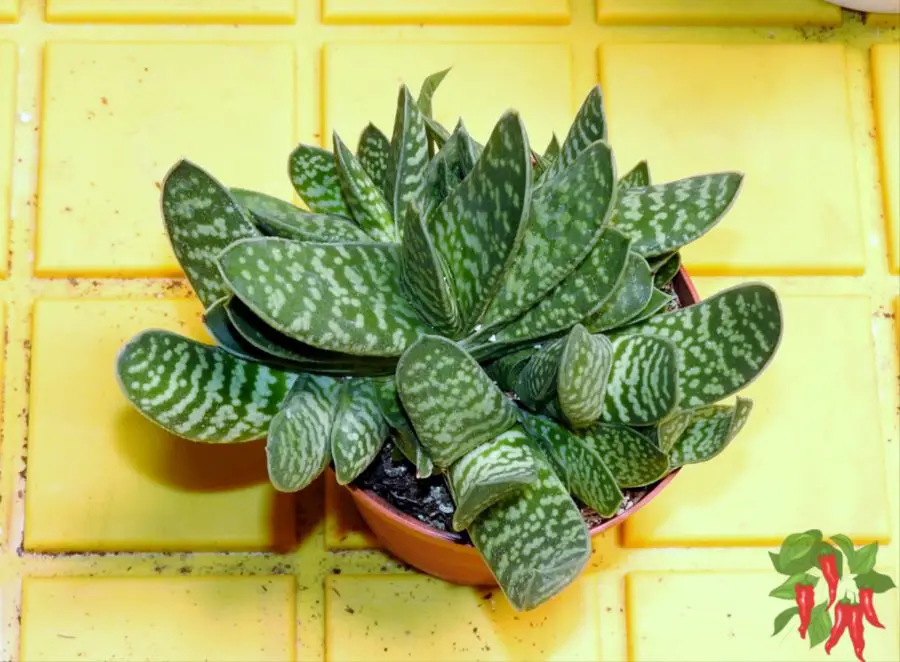
Succulents are some of the easiest houseplants you can grow, once you understand their basic needs. 🌿
While they thrive on neglect compared to many plants, there are still a few key things to get right. In this section, I’ll show you how to care for succulent plants so they stay happy and healthy indoors all year long.
How To Water Succulents 💧🌿
Watering is the number one issue that trips people up with succulents. Too much water is far more dangerous than too little. Here’s how to water the right way and adjust through the seasons:
- 💧 Soak and dry: Water deeply until it runs out the bottom of the pot. Then let the soil dry completely before watering again. Never water on a fixed schedule. Check the soil first!
- 🌸 Seasonal tune-up: Water more often during active growth (spring and summer). In fall and winter, reduce watering. Some plants may only need water once a month in winter.
- 🪴 Pot size matters: Small pots dry out faster than large ones. Adjust your watering based on pot size. Smaller pots may need water every 7-10 days in summer, while large pots may go 2-3 weeks.
- 🚫 Watch for signs: Wrinkled leaves = underwatered. Mushy leaves or black stems = overwatered. Err on the dry side if unsure.
Succulent Soil & Containers 🌱🪴
Succulents thrive in fast-draining soil and containers with proper drainage. Here’s what to use for the best results:
- 🌿 Soil: I use a mix of 50% coco coir and 50% perlite. It drains beautifully and stays loose. You can also use a cactus or succulent mix from the store, just avoid regular potting soil.
- 🕳️ Drainage holes are a must: Never grow succulents in a pot without drainage. Excess water must be able to escape.
- 🪴 Pot size tips: Choose a pot just slightly larger than the plant’s root ball. A pot that’s too big holds extra moisture and can lead to rot.
- ♻️ Repotting: Repot your succulents every 1-2 years to refresh the soil and check root health. Spring is the best time to repot.
Succulents thrive in well-draining soil. I like to use a mix of coco coir and perlite, but a cactus or succulent mix from your local garden center works well too.
Light & Placement ☀️🏡
Succulents need plenty of bright light to thrive indoors. Without enough light, they’ll stretch out (etiolate) and lose their compact shape. Here’s how to give them the light they love:
- ☀️ Ideal light: Bright indirect light is best. Morning sun is great; avoid harsh afternoon sun unless the plant is acclimated.
- ⚡ Transition tips: If moving a succulent to a brighter spot, do it gradually to avoid sunburn. Increase exposure over 1-2 weeks.
- 📏 Signs of too little light: Stretched growth (etiolation), pale leaves, and leaning toward light. Move closer to a window or add a grow light.
- 💡 Grow lights: Full-spectrum LED grow lights work great if you don’t have enough natural light. Run them 12-14 hours daily.
- 🏠 Best windows: East- or south-facing windows work well. Rotate plants every few weeks for even growth.
Fertilizing Succulents 🌸🌿
Succulents don’t need much fertilizer, and too much can cause problems. But a little during the growing season can help promote healthy growth and flowering. Here’s how to do it safely:
- 🌼 Type to use: A diluted liquid fertilizer (half strength or weaker) works well. Choose one made for cacti or succulents if possible.
- 🌞 When to fertilize: Only during active growth, typically spring through summer. Stop feeding in fall and winter.
- 💧 How to apply: Fertilize after watering to help distribute nutrients evenly and avoid root burn. I usually fertilize every 4-6 weeks during the growing season.
- 🚫 Don’t overdo it: Succulents grow naturally in nutrient-poor environments. Less is more when it comes to feeding!
Succulents don’t need much feeding. During the growing season (spring through early fall), a diluted liquid fertilizer once a month can encourage growth and blooms. Skip the fertilizer in winter when the plants rest.
Common Mistakes & How To Fix Them ⚠️🌵
If your succulent starts to look a little sad, don’t panic. They’re resilient plants.
Even with the best intentions, it’s easy to make a few mistakes when growing succulents. Here are some of the most common problems and how to fix them:
- Too dry → Wrinkled leaves? Give the plant a deep watering and let it drain well.
- Too wet → Mushy stems or roots? Unpot the plant, remove any rotten parts, and replant in fresh, dry soil.
- Stretched growth → If your plant is getting leggy, it needs more light. Move it to a brighter spot, or add a grow light.
- Temperature stress → Keep succulents away from hot vents, cold drafts, or extreme temperatures.
- 💦 Overwatering: The #1 mistake. Always let soil dry completely between waterings. If you suspect rot, remove affected parts and repot in fresh soil.
- 🪴 No drainage: Never grow succulents in pots without drainage holes. Water must be able to escape.
- 🌱 Pot too large: Big pots hold too much moisture. Use a pot just big enough for the roots.
- 🌤️ Sudden light change: Moving a plant from low to bright light too quickly causes sunburn. Transition gradually.
- 🪲 Pests: Mealybugs and aphids can attack stressed plants. Treat with insecticidal soap, neem oil, or rubbing alcohol on a cotton swab. Quarantine new plants!
If you watch your watering, give them plenty of light, and use fast-draining soil, your succulents will stay healthy and happy indoors. And if something goes wrong, don’t worry! These plants are tougher than they look. 🌵
Disadvantages Of Succulent Plants ⚠️🌵
Succulents are wonderful houseplants, but like any plant, they come with a few challenges. Knowing these potential downsides will help you avoid problems and keep your collection thriving. Here are a few things to keep in mind:
- 💦 Sensitive to overwatering: Succulents store water in their leaves and stems, so they don’t need frequent watering. Too much water leads to root rot fast.
- ☀️ Need bright light: Without enough light, succulents stretch out and lose their compact shape. Some homes may require grow lights to keep plants happy.
- 🪲 Occasional pests: Mealybugs, aphids, and scale insects can show up, especially on stressed plants. Regular checks and good care help prevent infestations.
- 🐾 Toxicity to pets: Certain succulents, like jade and some euphorbias, can be toxic to cats and dogs. If you have pets, choose non-toxic species and keep plants out of reach.
- 🪴 Not all varieties thrive indoors: Some desert succulents prefer intense sunlight and dry outdoor air. Be selective when choosing varieties for indoor growing.
Most of these disadvantages are easy to manage once you understand your plant’s needs. If you choose the right varieties and provide proper light, soil, and watering, your indoor succulents will bring you years of beauty and enjoyment. 🌸
Advanced Succulent Care Tips 🌿✨
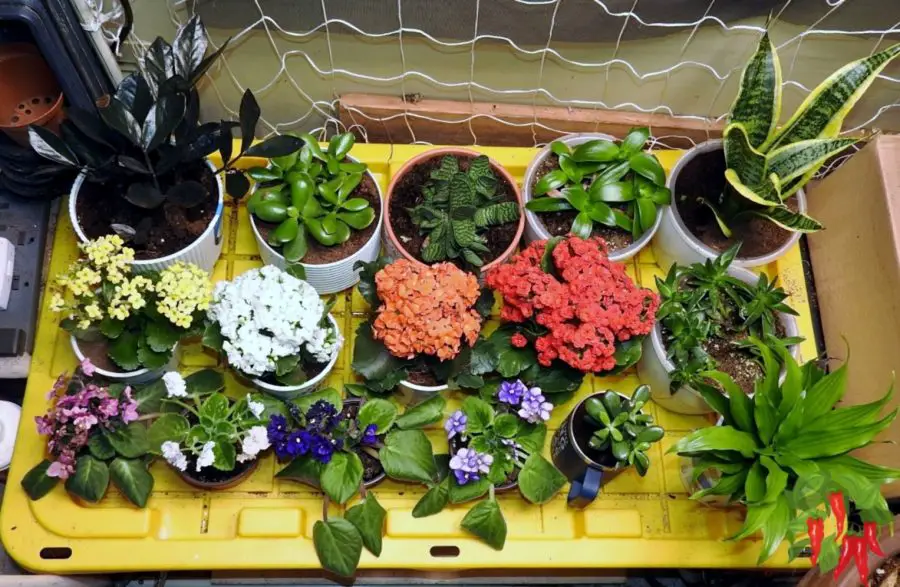
Ready to take your succulent care to the next level? Here are a few advanced tips for growing truly thriving indoor plants:
- 💡 Grow lights: If your home lacks bright natural light, full-spectrum LED grow lights can help keep succulents compact and colorful.
- 🌬️ Airflow: Good airflow reduces the risk of pests and mold. A small fan set to low can help if your growing area feels stagnant.
- 🌞 Seasonal adjustments: Water less and reduce feeding in winter when plants are resting. Resume regular care in spring as new growth begins.
- 🌱 Custom soil blends: I love using coco coir and perlite, but adding a bit of pumice or horticultural sand can further improve drainage and aeration for large specimens.
As you gain experience with succulents, small changes like these can make a big difference in plant health and long-term success. 🌵✨
Succulent Plants FAQs ❓🌿
Succulents are easy plants to grow, but they still spark lots of great questions! 🌵 Whether you’re starting your first succulent or growing a full collection, here are answers to some of the most common questions about succulent care indoors:
Q. What makes succulents a good choice for indoor gardening?
A. Succulents are perfect indoor plants because they don’t need much water, tolerate dry indoor air, and add beautiful textures to your space.
Many varieties stay compact and thrive on a bright windowsill or under grow lights. They’re a great fit for small apartments, home offices, or any sunny spot. 🏡
Q. How often do I need to water my indoor succulents?
A. Water only when the soil is completely dry. This usually means every 1 to 2 weeks in summer, and less often in winter.
Always check the soil with your finger. If it feels dry a couple of inches down, it’s time to water. Overwatering is the most common mistake with succulents. 💧
Q. What type of soil is best suited for succulents?
A. Succulents need fast-draining soil. I like a mix of 50% coco coir and 50% perlite. You can also use a commercial cactus or succulent mix. The key is to avoid regular potting soil, which holds too much water and can cause root rot. 🌱
Q. Can succulents help in purifying the indoor air?
A. Yes, like most houseplants, succulents absorb carbon dioxide and release oxygen, helping to improve indoor air quality.
Some species may also help remove small amounts of pollutants from the air. While they aren’t a replacement for good ventilation, they do contribute to a healthier home. 🌬️
For more helpful tips, be sure to explore my Indoor Succulents category, it’s full of care guides and ideas to keep your succulents thriving indoors! 🌸
Succulent Plants: Final Thoughts 🌵✨
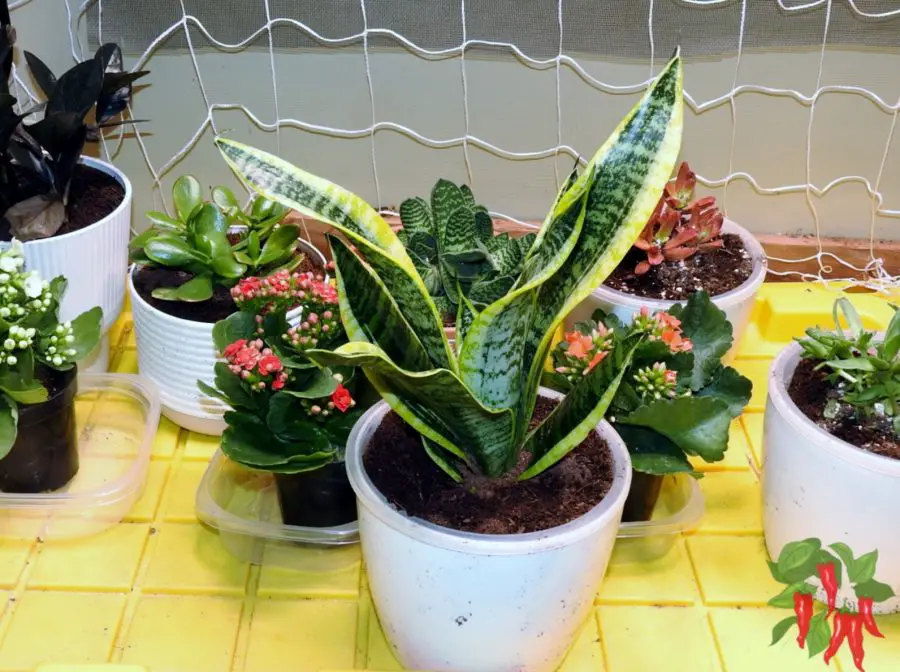
Succulent plants are a joy to grow. They’re low maintenance, adaptable, and bring lasting beauty to any space.
Their water-storing adaptations make them perfect for busy folks or those new to gardening. Plus, they offer subtle benefits like cleaner air and a calming presence in your home.
Succulent plants are some of the most rewarding houseplants you can grow. 🌿 They’re beautiful, low-maintenance, and full of personality. Perfect for brightening up any space. With just a little care and attention, your indoor succulents will thrive for years to come.
The key is to provide bright light, use fast-draining soil, and water carefully. Once you understand what these amazing plants need, they’re some of the easiest and most forgiving companions you can keep.
🌿 10 Benefits Of Succulent Plants Indoors
- 🌵 Low maintenance: Succulents thrive on neglect and don’t need frequent watering or pampering.
- 🌬️ Air purification: Some succulents can help absorb pollutants and release oxygen, contributing to fresher air.
- 😌 Stress reduction: Having plants in your space can lower stress and promote a sense of calm.
- 💧 Boost humidity: Succulents release small amounts of moisture, which can be helpful for dry indoor air.
- 🎨 Versatile decor: With so many colors, shapes, and textures, it’s easy to find succulents that match your style.
- 💰 Budget-friendly: Most succulents are inexpensive and last for years with minimal care.
- 🕰️ Long lifespan: Given the right care, succulents can live for many years, becoming old favorites in your home.
- 🌱 Easy to propagate: Many succulents are simple to multiply, and one plant can turn into many.
- ☀️ Drought tolerant: Perfect for busy folks or forgetful waterers, succulents store water and survive dry spells easily.
- 🌸 Visual appeal: Their unique forms and vibrant colors bring instant charm and interest to any room.
I hope this guide has given you the confidence to grow a thriving indoor succulent collection. If you’d like more ideas, be sure to explore my full Indoor Succulents category, you’ll find plenty of helpful articles and inspiration there. 🌸
Happy growing! 🌱
More Succulents To Enjoy Growing 🌵🌼
Looking for even more fun and unique succulents to add to your indoor garden? 🌿 Here are some of my favorites, each brings its own personality and charm. Click any link below to explore detailed care guides and start growing:
- 👉 15 Bear Paw Succulent Care: Growth Tips For Beginners
- 👉 Baby Toes Plant Care: 11 Fenestraria Growth Tips
- 👉 Sedum Adolphii Care: 13 Golden Sedum Growth Tips
- 👉 Growing Agave In Pots: 5 Best Indoor Varieties For Beginners
- 👉 Growing Adenium Desert Rose Indoors: 17 Point Comprehensive Guide
- 👉 Crown of Thorns Cactus: 10 Euphorbia milii Growth Tips
- 👉 Discover the Candlestick Plant Succulent: 9 Curio Articulatus Care Tips
- 👉 Fishbone Cactus Care: 11 Growth Tip Comprehensive Guide
- 👉 Jelly Beans Succulent Care: 7 Growth Hacks For Beginners
- 👉 Lithops Plant Care: 9 Easy Living Stone Tips And Tricks
- 👉 Echeveria elegans Benefits: Easy Care & Stunning Decor
Each of these beautiful succulents offers something special, whether you love bold shapes, colorful foliage, or fun textures. Have fun exploring new varieties and growing your collection! 🌿✨
New to Succulents?
Start with the basics: 10 Benefits of Succulent Plants Indoors
Visit our Succulents category page for even more succulents!
📚 Helpful Resources on Succulent Plants
Looking to dive deeper into succulent care? These expert-backed guides offer reliable, research-based tips from university extensions and garden specialists. 🌿
- 🌵 Cacti and Succulents – University of Minnesota Extension
- 📘 Succulents 101 – West Virginia University Extension
- 🌿 Common and Popular Succulent Species – Iowa State Yard & Garden
- 🌱 Succulents – UC Master Gardeners of Santa Clara County
- 🌼 Succulents – University of Florida IFAS Gardening Solutions
These trusted resources are a great way to explore specific species, learn more about indoor care, or troubleshoot growing issues. 🧑🌾