
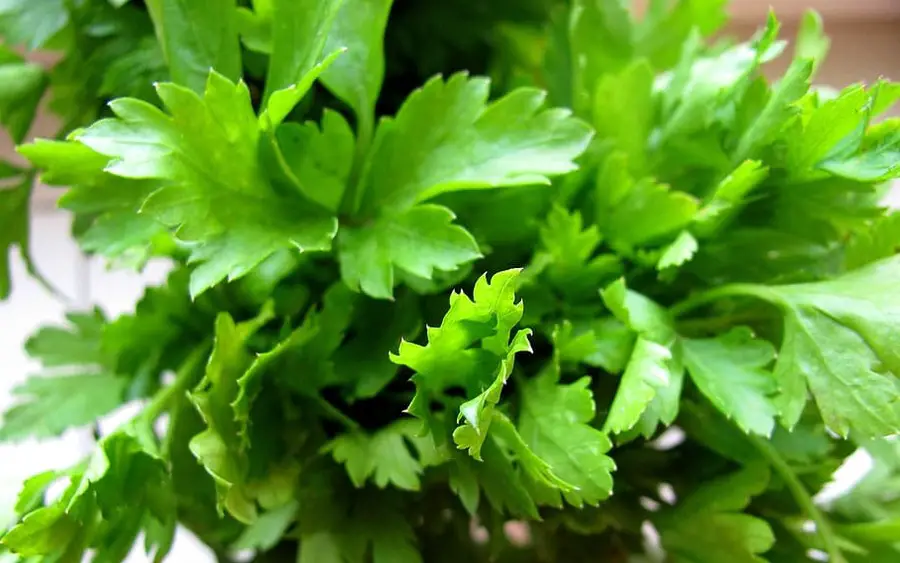
Learning how to grow parsley indoors is one of the easiest ways to keep fresh herbs within reach all year. Parsley is productive, forgiving, and compact enough for a sunny windowsill or small grow light setup.
Whether you use it for soups, salads, sauces, or garnishes, parsley is one of those herbs that always seems useful. And once you start growing it indoors, it quickly becomes one of the easiest kitchen plants to maintain.
This guide covers everything from choosing the right variety to watering, harvesting, repotting, and fixing common problems so you can keep fresh parsley growing longer.
What You’ll Learn
- 🌿 The best parsley varieties to grow indoors
- 💡 How much light parsley really needs and how to give it a boost
- 🪴 The right soil and container to prevent stunted, slow growth
- 💧 Exactly when and how to water parsley so it stays happy
- ✂️ How to harvest for fuller, bushier growth
- 🐛 How to troubleshoot pests and yellowing leaves
🌱 Quick Answer
To grow parsley indoors, give it bright light, keep the soil lightly moist, and use a deep pot with good drainage. Harvest outer stems regularly, feed lightly, and provide steady light to keep it productive for months.
🌱 How to Grow Parsley Indoors (Beginner-Friendly Guide)

If you’ve ever bought a bunch of parsley at the store and thought, I wish I could just snip this fresh at home, you’re in the right place.
Parsley may not get as much attention as basil or mint, but it quietly earns its place as one of the most dependable indoor herbs you can grow. It stays compact, handles indoor life well, and keeps producing once you learn its basic routine.
That’s what makes parsley such a great herb for beginners. It doesn’t need fancy equipment or a big setup—just steady light, decent soil, and a little patience.
In this guide, you’ll learn how to set up your parsley for stronger growth, better harvests, and longer indoor production using a windowsill or a simple grow light.
🌿 What Makes Parsley a Great Indoor Herb?
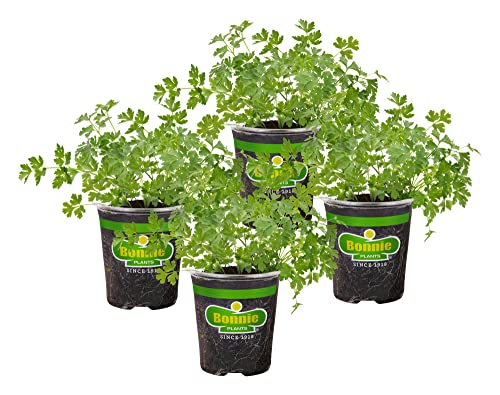
Bonnie Plants Flat Italian Parsley Live Herb Plants
Parsley doesn’t get the same attention as herbs like basil, but for indoor gardeners—especially beginners—it’s pretty much a dream plant.
Instead of needing constant warmth, high humidity, and downright pampering, parsley grows steadily and predictably with very little fuss.
- ✨ It’s more cold-tolerant than many herbs, so temperature swings indoors aren’t a big deal.
- 🪴 Its compact size means it happily lives on windowsills or under small countertop grow lights.
- 🌤️ It tolerates moderate light but thrives with a bit of supplemental LED support.
- 🍽️ You can harvest it weekly, and the plant keeps producing for months on end.
Whether you want curly parsley for garnishing or Italian parsley for cooking, you’ll have fresh greens right at your fingertips.
Parsley Plant Care Reference Guide
| Characteristic | Details |
|---|---|
| Common Name | Parsley |
| Botanical Name | Petroselinum crispum |
| Light Requirements | Bright indirect light; 4–6 hours sunlight or 12–14 hours under LED grow lights |
| Watering | Keep soil lightly moist; water when top inch feels dry |
| Soil Type | Light, airy potting mix with good drainage; optional perlite |
| Container Size | 6–8 inches deep minimum; container with drainage holes |
| Temperature Range | 60–75°F (15–24°C) |
| Humidity | Average indoor humidity is fine; avoid overly dry heat vents |
| Fertilizer | Feed lightly every 4–6 weeks with balanced liquid fertilizer |
| Mature Height | 10–14 inches indoors |
| Harvesting Tips | Cut outer stems at the base; allow the center to regrow |
🧩 Choosing the Best Parsley Variety for Indoors
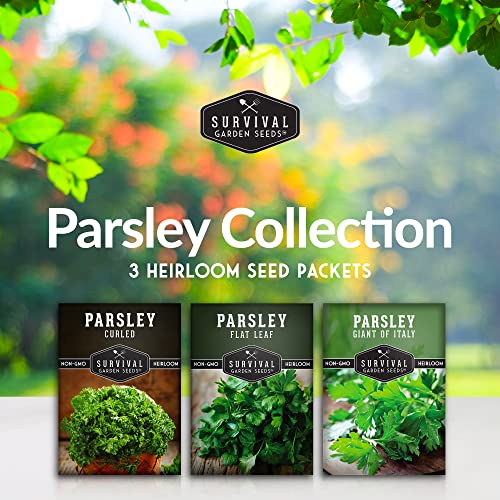
People often ask, “Does the variety even matter?” The short answer is yes—because flavor, texture, and growth habit change a bit depending on what you choose.
🌱 Flat-Leaf (Italian) Parsley

This is the variety most cooks reach for. It has a stronger, cleaner flavor and tends to grow a little faster.
- 🌟 Best for cooking and garnishes
- 👍 Taller stems help maximize light exposure
- 🥗 Great choice for beginners wanting a versatile herb
🌱 Curly Parsley

If you love decorative herbs, curly parsley is the one. It has a more compact and frilly appearance.
- 🎨 Beautiful textured leaves
- 🌤️ Slightly more tolerant of lower-light spots
- 🪴 Great for windowsills and small planters
🌱 Slow-Bolt or Container-Friendly Cultivars
Some seed companies sell slow-bolt parsley, which is great for warm indoor spaces.
- 🌡️ Ideal if your home stays warm
- 🪴 Excellent for smaller containers
💡 Light Requirements: How Much Does Parsley Need Indoors?
One of the biggest beginner questions is: “Can parsley grow in low light?” You can grow parsley in moderate light, but it will look healthier, fuller, and greener if you give it a bit more brightness. Indoors, parsley thrives when you recreate the bright conditions it naturally enjoys outdoors.
☀️ How to Use Natural Light
Parsley does best with bright, indirect sunlight. You don’t need direct sun blasting it all day—but a well-lit window makes a huge difference.
- 🌞 South-facing windows are best
- 🌤️ East or west-facing windows also work
- 🔄 Rotate the pot every few days for even growth
If the plant starts leaning dramatically toward the window or stretching upward, that’s parsley begging for more light.
💡 Growing Parsley Under Grow Lights
If your home doesn’t get much natural sunlight—or if you want consistent year-round growth—a small LED grow light works wonders.
- 💡 Aim for 12–14 hours of bright light per day
- 📏 Keep lights about 6–10 inches above the leaves
- 🔄 Use a timer so parsley stays on a consistent schedule
Even a tiny 20–30W LED panel is enough to keep parsley thriving indoors.
🏡 Best Indoor Locations for Parsley
Parsley grows best in bright, stable indoor spots where it gets steady light and decent airflow. While it tolerates moderate light, stronger light means fuller growth and better flavor.
- South-facing windowsill: Best natural light option.
- East-facing kitchen window: Great morning light with less heat stress.
- Countertop under LED grow lights: Ideal for consistent year-round growth.
- Bright plant shelf: Good if paired with supplemental lighting.
Avoid hot heating vents, cold drafty windows, or dark corners where growth becomes weak and leggy.
🪴 Soil & Container Setup: Setting Parsley Up for Success
The container and soil you choose will make or break your parsley plant. Parsley grows a taproot—kind of like a thin carrot—which means it appreciates deeper pots and well-draining soil.
🪴 Best Soil Mix
A fluffy, lightweight potting mix helps parsley grow strong roots and prevents soggy soil issues.
- 🌱 Standard indoor potting mix works well
- 🌾 Add perlite for extra drainage
- 🚫 Avoid heavy garden soil—it compacts and suffocates roots
🥥 My personal choice is a 70/30 coco coir-to-perlite mix.
🪴 Pot Size & Drainage
Choosing the right pot size prevents stunted or slow-growing parsley. Depth matters more than width.
- 🪴 Choose a pot at least 6–8 inches deep
- 💧 Ensure drainage holes are present—never skip these!
- 🌿 Terracotta pots are great if you tend to overwater
Repotting parsley into a larger container after purchase gives it a fresh start and helps it take off quickly.
🪴 Repotting Parsley Indoors
Parsley grows a long taproot, so it benefits from deeper pots and occasional repotting. If roots start circling or pushing through drainage holes, it is time to move up.
- Repot into a container 1–2 inches wider and deeper.
- Use fresh potting mix with added perlite.
- Keep the root ball intact as much as possible.
- Water lightly after repotting to settle the soil.
Repotting once during its life can often extend harvest time and improve leaf production.
💧 Watering Parsley Indoors the Right Way
Overwatering is the #1 issue beginners run into with parsley. The plant likes moisture—but not constantly wet soil. A little restraint goes a long way.
- 💧 Water when the top inch feels dry to the touch
- 🫗 Water deeply until excess drains out the bottom
- 🚰 Always empty the saucer afterward
- 🌬️ Provide airflow to prevent fungal issues
Droopy leaves usually mean one of two things: the plant is thirsty, or it’s drowning. Check the soil before deciding which one it is.
🌡️ Temperature & Humidity: Creating the Perfect Indoor Climate
The good news is that parsley is incredibly tolerant of household conditions. It doesn’t need a humidifier or a greenhouse-like setup.
- 🌡️ Ideal temperature: 60–75°F
- ❄️ Keep away from cold window drafts in winter
- 💨 Light airflow keeps foliage healthy
As long as your home is comfortable for you, parsley will feel at home too.
🌱 How to Start Parsley Indoors: Seeds vs Starts
Beginners often ask whether to start parsley from seed or buy a young plant. Both work—but each has its quirks.
🌱 Growing Parsley from Seed
Parsley seeds are slow to germinate, but don’t let that scare you off.
- 🔸 Germination takes 2–4 weeks
- 🔸 Soak seeds overnight to speed things up
- 🔸 Keep soil consistently warm and moist
- 🔸 Don’t bury seeds too deeply—light helps
Once seeds sprout, move them to a bright window or under lights to prevent legginess.
🪴 Growing Parsley from Transplants
If you want faster results, transplants are the easiest option.
- 🔸 Choose young plants with bright green leaves
- 🔸 Avoid rootbound or yellowing plants
- 🔸 Repot soon after bringing them home
Most grocery-store parsley pots are overcrowded—splitting the clumps into two pots can double your harvest.
✂️ How to Harvest Parsley for Bigger, Bushier Growth
Harvesting parsley the right way makes a huge difference in how long your plant lasts. The trick is simple: let the center grow, and harvest from the outer edges.
- ✂️ Snip the outermost stems at the base
- 🌿 Leave the central crown untouched
- 🥗 Harvest lightly at first, then more as the plant fills out
- 🔄 Regular harvesting encourages new growth
If you accidentally cut from the center, don’t worry—parsley is forgiving. Just focus on outer-stem harvesting going forward.
🐛 Common Indoor Parsley Problems & How to Fix Them
🛑 Yellowing Leaves
- 💧 Often caused by overwatering
- 🌤️ Also caused by lack of light
- 🪴 Improve drainage or move plant closer to light
🛑 Leggy, Weak Growth
- 💡 Increase light duration or intensity
- ✂️ Light pruning helps strengthen stems
🛑 Aphids, Spider Mites, Fungus Gnats
- 🌿 Rinse leaves under running water
- 🌿 Apply neem oil to leaves if pests persist
- 🪴 Let soil dry slightly between waterings to discourage gnats
With adequate light and good airflow, parsley rarely has pest problems indoors.
🍽️ Indoor Parsley Companion Uses in the Kitchen
As your plant grows, you’ll find more and more ways to use your fresh parsley in everyday cooking.
- 🥗 Toss chopped parsley into salads for brightness
- 🍲 Stir into soup or pasta at the very end for fresh flavor
- 🌿 Use stems to flavor broths and stocks
- 🥘 Make homemade chimichurri or tabbouleh
Fresh parsley has a much brighter flavor than anything you’ll buy at the store—and you’ll always have it on hand.
📚 References & Further Reading (.edu)
- University of Florida – A Beginners Guide to Growing Parsley
- Penn State Extension – Growing Herbs Indoors
- Clemson Extension – Herb care and growing tips
🌿 Final Thoughts: Growing Parsley Indoors
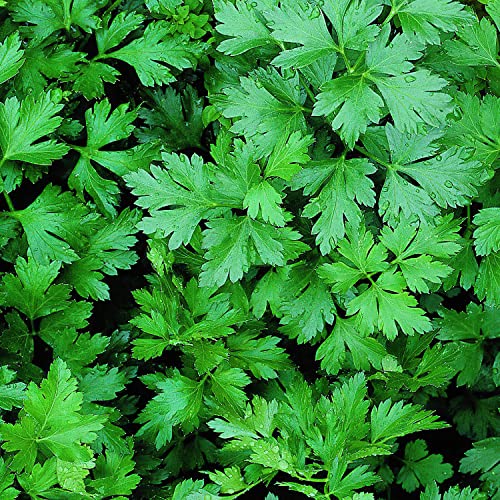
Parsley is one of the easiest and most useful herbs you can grow indoors. It handles indoor conditions well, grows steadily, and rewards you with fresh harvests for months when given simple care.
With the right light, a deeper pot, and steady moisture, parsley becomes a reliable kitchen companion that keeps giving. Once you get the harvest rhythm down, it is one of the easiest herbs to keep going.
For beginners building an indoor herb garden, parsley deserves a permanent spot.
👉 Keep Growing Indoor Herbs
💬 FAQs: How to Grow Parsley Indoors
How much light does parsley need indoors?
Parsley grows best with 4–6 hours of natural light or 12–14 hours under LED grow lights.
Can parsley grow indoors year-round?
Yes. With consistent light and watering, parsley can stay productive indoors for many months.
Why is my parsley turning yellow?
Yellow leaves usually mean overwatering, poor drainage, or weak light.
How often should I water indoor parsley?
Water when the top inch of soil feels dry, keeping the soil lightly moist but never soggy.
Can I grow parsley from grocery store plants?
Yes. Many grocery-store parsley pots can be divided into smaller containers for better long-term growth.
What is the best parsley for cooking indoors?
Italian flat-leaf parsley is usually preferred for stronger flavor and faster growth.