
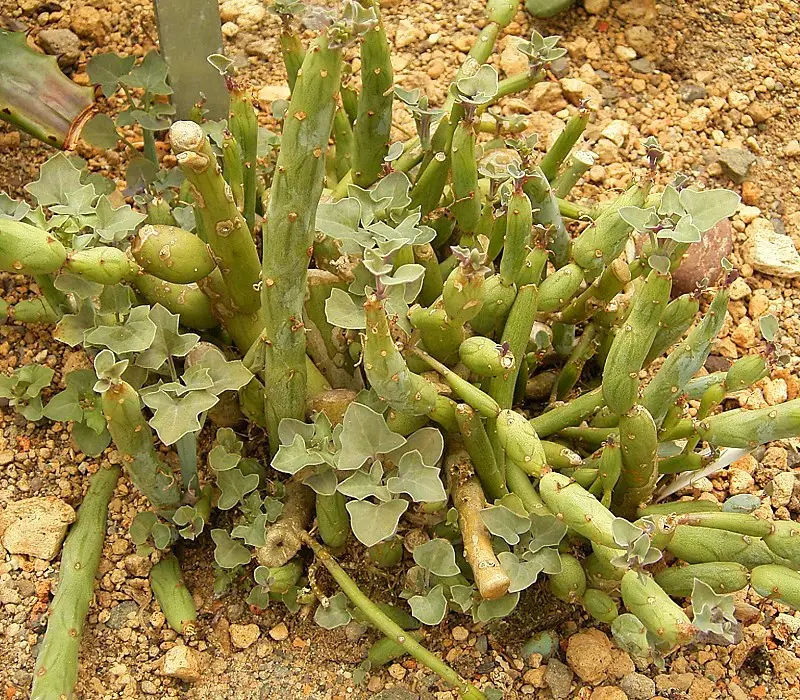
The candlestick plant succulent is one of the most unusual succulents you can grow. Known botanically as Curio articulatus, this South African native is prized for its segmented blue-green stems that resemble candles, sausages, or even miniature cacti.
Despite its unusual appearance, the candlestick plant is surprisingly easy to care for. With bright light, well-draining soil, and careful watering, this drought-tolerant succulent can thrive indoors for many years while serving as a unique conversation piece in any collection.
What You’ll Learn
- How to care for Curio articulatus indoors
- The best lighting and watering practices
- How to create the ideal succulent soil mix
- Propagation methods that work
- Common candlestick plant problems and solutions
- Tips for keeping this unusual succulent healthy and compact
Candlestick Plant Succulent Quick Answer
Curio articulatus thrives in bright light, well-draining soil, and infrequent watering. Allow the soil to dry completely between waterings and protect the plant from frost and prolonged wet conditions.
An Introduction To Candlestick Plant Care
Curio articulatus, also known by its common names such as Candle Plant, Hot Dog Cactus, and Sausage Plant, is an intriguing and delightful addition to any succulent garden.
The scientific name was formerly Senecio articulatus but it was recently changed to Curio articulatus
In this guide, we’ll provide you with valuable insights into the background, growth, and care tips for this fascinating plant.
So, let’s get started and help your unique candlestick plant thrive in its new home!
The Intriguing Candlestick Plant
Curio articulatus, often called the Candle Plant, Hot Dog Cactus, or Sausage Plant, is an eye-catching unique succulent that’s truly one-of-a-kind.
Its segmented sausage-shaped stems, combined with its unique growth habits, make it a fascinating addition to any succulent enthusiast’s collection.
This South African native plant can grow up to 2 feet tall, with grey-green stems adorned with darker green or purple markings.
The leaves, which are green and flushed purple in intense light, add even more character to this already captivating plant.
Why Grow a Candlestick Plant Succulent?
- Unique sculptural stems unlike most succulents
- Drought tolerant and low maintenance
- Easy to propagate from cuttings
- Works well in containers and succulent displays
- Interesting year-round appearance
- Suitable for indoor growing in bright locations
Its unusual growth habit makes Curio articulatus a favorite among succulent collectors looking for something different.
Candlestick Plant Care Reference Guide
| Characteristic | Details |
|---|---|
| Common Name | Candlestick Plant |
| Botanical Name | Curio articulatus (formerly Senecio articulatus) |
| Native Habitat | South Africa |
| Plant Type | Succulent |
| Growth Pattern | Clumping, upright, jointed stems |
| Mature Size | 6–12 in tall, spreading by offsets |
| Watering | Allow soil to dry out completely between waterings; reduce watering in winter |
| Light/Sun Exposure | Bright light; tolerates some direct sun |
| Soil Type | Sandy, well-draining cactus or succulent mix |
| Soil pH | 6.0–7.5 (slightly acidic to neutral) |
| Temperature | 65–80°F (18–27°C); protect from frost |
| Humidity | Low humidity preferred |
| Bloom Time & Flower Color | Late fall to winter; small pinkish-white or cream flowers |
| Potential Problems | Overwatering, root rot, mealybugs, leggy growth from low light |
| Repotting | Every 2–3 years or when outgrowing pot |
| Hardiness Zones (USDA) | 9–11 |
Mastering the Care of Candlestick Succulents
When it comes to growing unique succulents like the Curio articulatus, understanding their specific care requirements is crucial to help them flourish.
By familiarizing yourself with the plant’s light, soil, and watering needs, you can create the perfect environment for your candlestick plant to thrive.
Additionally, learning about potential toxicity concerns and how to propagate your succulent will allow you to grow your collection safely and responsibly.
As you dive deeper into the world of candlestick plant care, you’ll soon discover that nurturing this intriguing succulent is a rewarding and enjoyable experience!
Candlestick Plant Succulent Background Information

Let’s dive into the fascinating background of the candlestick plant succulent, Curio articulatus!
Understanding the origin, natural habitat, and unique characteristics of this captivating plant is essential to appreciate its beauty and properly caring for it.
So, buckle up and get ready to explore the intriguing world of the candlestick plant’s history, scientific classification, and the meaning behind its name.
With this knowledge under your belt, you’ll be well-equipped to help your Curio articulatus thrive and become a true succulent superstar!
A. What’s the Plant’s Name and Other Names?
The candlestick plant succulent is called Curio articulatus. It has other fun names like Candle Plant, Hot Dog Cactus, and Sausage Plant. These names come from how it looks!
B. Where is the Plant from?
This cool plant comes from South Africa. Knowing where it’s from helps us take care of it the right way, so it’s happy and healthy.
C. What Does the Candlestick Plant Look Like?
The Stems
The candlestick plant has stems that look like sausages! They can grow tall, up to 2 feet, and have green and purple colors on them.
The Leaves
The plant has green leaves that can turn a little purple when they get lots of sunlight. In the summer months, the plant loses its leaves and takes a little break.
The Flowers
In winter, the candlestick plant grows small white flowers. They make the plant look even more special.
D. Why is it Called “articulatus”?
The name “articulatus” comes from a Latin word that means “having joints.” It describes how the plant’s stems are connected with joints, making it look unique and interesting.
How to Grow and Care for Curio articulates

Now that we know more about the fascinating candlestick plant succulent, Curio articulatus, let’s learn how to help it grow and stay healthy!
Caring for this unique plant can be a breeze when you understand its specific needs for light, soil, water, and more.
So, let’s dive into the world of candlestick plant care and discover the secrets to making your Curio articulatus thrive, turning it into the star of your succulent collection!
Light requirements
Let’s shed some light on the best conditions for your candlestick plant succulent, Curio articulatus!
Figuring out the perfect lighting for this unique plant is essential to ensure it grows strong and healthy. While this plant loves sunlight it can also get too much light.
Whether you’re growing it outdoors or indoors, understanding its preferences for sunlight can make a world of difference.
So, let’s uncover the ideal light requirements for your Curio articulatus and help it flourish beautifully!
Light Requirements for Outdoor Growing
Balancing Sun and Shade Outdoors
When growing your candlestick plant succulent, Curio articulatus, outdoors, it’s important to find the perfect balance between full sun and shade.
This plant prefers partial shade, which means it enjoys some sunlight but not all day long.
By providing the right amount of sun exposure, you’ll help your Curio articulatus maintain its beautiful colors and healthy growth.
Light Requirements for Indoor Growing
Ensuring Bright Light Indoors
If you choose to grow your Curio articulatus indoors, it’s essential to provide it with plenty of bright sunlight.
Placing your plant near a sunny windowsill or using a grow light can be a great way to meet its light requirements.
Keep in mind that while it can tolerate part shade, too little light can cause the plant to become lanky and less attractive.
So, make sure to give your indoor candlestick plant the bright light it needs to thrive!
Best Indoor Locations for a Candlestick Plant
South-Facing Windows
A bright south-facing window provides the strongest natural light and helps maintain compact growth.
Sunny Plant Shelves
Plant shelves near bright windows provide excellent conditions while showcasing the plant’s unusual stems.
Under Grow Lights
Grow lights can supplement natural sunlight and prevent stretching in darker homes.
Bright Home Offices
Its compact size and unusual appearance make it an excellent desk or office plant when adequate light is available.
Soil requirements and drainage
Choosing the right soil mix is a crucial aspect of candlestick plant succulent care.
Providing your plant with well-draining soil not only ensures healthy growth but also helps prevent potential issues like root rot.
One popular choice among succulent enthusiasts is a mix of coco coir and perlite, which offers excellent drainage and aeration.
So, let’s dive into the world of soil requirements and learn how to create the perfect environment for your Curio articulatus using coco coir and perlite!
Using Coco Coir And Perlite
When it comes to caring for your candlestick plant succulent, Curio articulatus, selecting the appropriate soil mix plays a vital role in promoting healthy growth.
A well-draining soil is essential and is the best way to guard against issues like root rot, which can result from excess moisture around the plant’s roots.
Combining coco coir and perlite is a fantastic way to create an ideal soil mix for your Curio articulatus.
Coco coir, made from the fibrous husks of coconuts, has excellent water retention and aeration properties.
It helps to hold moisture without becoming overly saturated or compacted making it an ideal base for your succulent soil mix.
Additionally, coco coir is eco-friendly, as it’s a byproduct of the coconut industry, and it’s also resistant to pests and fungal growth.
Perlite, a lightweight volcanic glass, is another crucial ingredient in your Curio articulatus soil mix.
Its porous nature ensures proper drainage and aeration, preventing the soil from becoming compacted and allowing the plant’s roots to access oxygen easily.
A healthy ratio of coco coir and perlite is essential for achieving the perfect balance of moisture retention and drainage.
Coco coir by itself provides few nutrients so you will want to fertilize your plant when using it.
Also, make sure the pot you use has a drainage hole so excess water can escape.
The Perfect Soil Mix

To create an optimal soil mix for your candlestick plant succulent, combine equal parts of coco coir and perlite.
This blend will offer the right balance of drainage and aeration, giving your Curio articulatus the best possible environment to grow and thrive.
You can mix in worm castings or a slow-release fertilizer with your coco coir when mixing it with the perlite.
Additionally, when planting your succulent, make sure to use a pot with drainage holes to further prevent waterlogging and promote healthy root growth.
With the right soil mix and proper drainage, your Curio articulatus will flourish beautifully!
Hardiness and temperature tolerance
As you continue on your candlestick plant succulent care journey, understanding its hardiness and temperature tolerance is essential to ensure a happy and healthy plant.
Getting to know your candlestick plant succulent also involves understanding its hardiness and temperature tolerance.
Every plant has a range of temperatures in which it can grow and thrive, and knowing these preferences is key to providing the optimal environment for your Curio articulatus.
The Curio articulatus is suitable for USDA hardiness zones 9b to 11b, which means it can tolerate temperatures as low as 25 to 50 °F (-3.9 to 10 °C).
While this succulent can handle occasional cold snaps, it’s essential to protect it from frost and extremely low temperatures.
Prolonged exposure to freezing temperatures can lead to permanent damage or even the loss of your plant.
In warmer climates, the candlestick plant succulent can be grown outdoors year-round.
However, if you live in an area with colder winters, it’s best to grow your Curio articulatus in a container, so you can easily bring it indoors when temperatures drop.
When moving your plant indoors, make sure to provide it with a bright and sunny spot to maintain its vibrant colors and healthy growth.
During the warmer months, it’s essential to keep an eye on your Curio articulatus, as it may need protection from intense heat or direct sunlight, which can cause sunburn or stress the plant.
Ensuring your candlestick plant is placed in a partially shaded area or providing it with some shade during the hottest parts of the day will help it continue to thrive during the warmer months.
By considering the hardiness and temperature tolerance of your Curio articulatus, you can create the ideal environment for your plant, ensuring its long-term health and growth, regardless of the changing seasons.
Watering

Mastering the art of watering is a crucial aspect of caring for your candlestick plant succulent.
Finding the perfect balance between providing enough moisture and avoiding overwatering can be a bit tricky, but with some know-how and attention, your Curio articulatus will stay happy and hydrated.
So, let’s dive into the world of watering and discover the secrets to quenching your candlestick plant’s thirst without causing harm to its delicate roots!
A. Drought Tolerance
Embrace Your Plant’s Natural Adaptations
Your candlestick plant succulent, Curio articulatus, is naturally drought-tolerant, meaning it can handle periods without water quite well.
This characteristic is due to its ability to store water in its thick, sausage-like stems, allowing it to survive during dry spells.
However, it’s essential not to leave your plant without water for too long, as it can cause stress and negatively impact its health.
B. Watering During the Growing Season
Maintaining Proper Moisture Levels
During the growing season, it’s essential to ensure your Curio articulatus receives an adequate amount of water.
While it’s important not to overwater, it’s equally crucial not to let the soil dry out for prolonged periods.
To achieve the right balance, allow the top few inches of soil to dry out between waterings.
When it’s time to water, give your plant a thorough soaking, allowing excess water to drain away.
This method will help prevent overwatering while still providing your candlestick plant with the moisture it needs to thrive.
Fertilizing
Feeding your Curio articulatus, with the appropriate nutrients is an important part of helping it grow strong and vibrant.
While succulents are generally low-maintenance and generally require less fertilizer than other plants, your Curio articulatus can still benefit from some additional nutrients to support its growth and overall health.
To provide the optimal nourishment for your candlestick plant, it’s best to use a balanced, water-soluble fertilizer formulated specifically for succulents and cacti.
These fertilizers typically have a lower concentration of nitrogen, which promotes healthy growth without causing the plant to become too leggy or weak.
During the active growing season, you can fertilize your Curio articulatus every four to six weeks.
Remember unlike most other plants this plant normally goes dormant in the summer.
Make sure to dilute the fertilizer according to the package instructions to avoid overfeeding, which can lead to nutrient burn or other issues.
When watering, apply the fertilizer solution to the soil around the base of the plant, taking care not to splash it onto the leaves or stems.
During the dormant period, usually in summer, your candlestick plant will require less frequent fertilizing or none at all. This allows the plant to rest and conserve energy for the upcoming growing season.
By providing your Curio articulatus with the proper nutrients and fertilizing schedule, you’ll help it flourish and become a stunning addition to your succulent collection.
Repotting

Repotting your candlestick plant succulent, Curio articulatus, is an essential aspect of its care, ensuring that it has ample room to grow and maintain its overall health.
Although repotting might seem intimidating at first, with the right techniques and a few handy tips, the process can be smooth and stress-free for both you and your plant.
So, let’s delve into the world of repotting and learn how to give your Curio articulatus the fresh start it needs to continue thriving and spreading its unique beauty in your home or garden!
Curio articulatus plants typically don’t require frequent repotting, as they’re slow-growing and can adapt to their containers quite well.
However, it’s essential to repot when you notice that the container becomes too small or shallow for the plant’s roots. This usually occurs every two to three years.
To repot your candlestick plant succulent, follow these simple steps:
• Choose a new pot: Select a container that is one size larger than the current pot, ensuring it has drainage holes at the bottom. This will provide your Curio articulatus with enough space for its roots to grow without becoming overcrowded.
• Prepare the soil mix: Create a well-draining soil mixture, like the combination of coco coir and perlite we discussed earlier, to provide the ideal growing environment for your plant.
• Remove the plant: Carefully remove your Curio articulatus from its current pot, gently shaking off any excess soil from the roots. If the roots are tightly bound, you can gently loosen them with your fingers to encourage healthy growth.
• Place the plant in the new pot: Position your candlestick plant in the center of the new container, ensuring that the base of the stems is level with the top of the pot. Fill the pot with your prepared soil mix, pressing down gently to eliminate air pockets and provide support for the plant.
• Water and settle: Water your newly repotted Curio articulatus, allowing the excess water to drain away. This will help settle the soil around the roots and provide your plant with the necessary hydration to adjust to its new home.
By repotting your candlestick plant succulent when needed, you’ll be providing it with the space and resources necessary for continued growth and thriving life in your home or garden.
Propagation methods

Expanding your collection of candlestick plant succulents can be an exciting and rewarding experience, especially when you learn how to propagate new plants yourself!
Propagation not only helps you grow more of these unique plants but also makes for fantastic gifts to share with friends and fellow plant lovers.
So, let’s dive into the fascinating world of propagation and explore the methods you can use to multiply your Curio articulatus, spreading their beauty far and wide!
Growing from Seeds
Starting Your Candlestick Plant Journey
Growing your candlestick plant succulent, Curio articulatus, from seeds can be a rewarding and educational experience.
This method allows you to witness the entire life cycle of your plant from the very beginning.
To start, you’ll need to acquire seeds from a reputable source, ensuring their viability and quality.
When planting your seeds, use a well-draining soil mixture and spread them out on the surface.
Cover the seeds with a thin layer of soil, mist the surface lightly, and place the container in a warm, bright location.
Keep the soil slightly moist during the germination process, which typically takes a few weeks.
Once your seedlings have sprouted and developed a few sets of leaves, you can carefully transplant them into individual pots.
Growing from Stem Cuttings
Quick and Easy Propagation
Propagating your candlestick plant succulent, Curio articulatus, from cuttings is a popular and relatively simple method.
Begin by selecting a healthy stem from your plant and using a clean, sharp pair of scissors or a knife to make a clean cut.
Ensure that the cutting includes at least one or two segments for the best chance of success.
Before planting the cutting, let it dry out for a few days to allow the cut end to callous over. (optional)This helps prevent rot and encourages successful rooting.
Once the cutting has been calloused, plant it in a well-draining soil mix, and place it in a bright location with indirect light.
Keep the soil slightly moist, but not wet, to encourage root development. Within a few weeks, your cutting should begin to establish roots and grow into a healthy new candlestick plant.
By exploring both seed and cutting propagation methods, you can expand your collection of Curio articulatus plants and share their unique beauty with others.
Toxicity of Curio articulatus
While the candlestick plant succulent, Curio articulatus, is a captivating addition to any home or garden, it’s crucial to be aware of its toxic properties.
Ensuring the safety of your family, pets, and even livestock is of utmost importance.
So, let’s discuss the potential risks associated with this plant and learn how to enjoy its beauty while keeping our loved ones safe and sound.
Toxicity Concerns for Children, Pets, and Livestock
Be Aware and Informed
The candlestick plant succulent, Curio articulatus, contains compounds that can be toxic when ingested by humans, pets, or livestock.
It’s essential to be aware of these potential hazards to ensure the safety of everyone around you.
Symptoms of ingestion may include vomiting, diarrhea, or even more severe reactions, depending on the amount consumed and the individual’s sensitivity.
Tips for Growing Curio Plants Safely
Cultivating with Caution
Despite its toxic properties, you can still enjoy the unique beauty of the candlestick plant succulent by following a few safety guidelines.
Here are some tips for growing Curio articulatus responsibly:
• Position your plant in an area that is out of reach for curious children and pets. This could be on a high shelf or in a hanging planter.
• Educate your family members about the potential dangers of ingesting the plant, and teach them to handle it with care.
• Regularly check the area around your Curio articulatus for fallen leaves or stem segments that could be accidentally ingested by pets or children.
• If you have outdoor livestock, consider planting your Curio articulatus in a secure and enclosed space, such as a greenhouse or fenced-off garden, to prevent any accidental ingestion.
• By being informed and proactive about the potential toxicity of your candlestick plant succulent, you can enjoy its captivating beauty while keeping your loved ones safe and sound.
Common Candlestick Plant Problems
Why Is My Candlestick Plant Stretching?
Stretching is usually caused by insufficient light. Move the plant to a brighter location or supplement with grow lights.
Why Are The Stems Turning Soft?
Soft stems often indicate overwatering or root rot. Check drainage and allow the soil to dry completely between waterings.
Why Are Leaves Falling Off?
Some leaf drop is normal, especially during dormancy. Excessive leaf loss may indicate watering or light issues.
Why Is My Plant Turning Yellow?
Yellowing is commonly caused by excess moisture, poor drainage, or root stress.
Why Isn’t My Plant Growing?
Slow growth may result from inadequate light, nutrient deficiencies, or dormancy during warmer months.
Candlestick Plant Succulent FAQs
How often should I water a candlestick plant?
Water only when the soil has completely dried out. Overwatering is the most common cause of problems.
Can Curio articulatus grow indoors?
Yes. It grows well indoors when provided with bright light and a well-draining succulent soil mix.
Is the candlestick plant toxic?
Yes. Curio articulatus can be toxic if ingested by people, pets, or livestock.
How do I propagate a candlestick plant?
Stem cuttings are the easiest propagation method and usually root readily in a well-draining soil mix.
Why is my candlestick plant becoming leggy?
Leggy growth is almost always caused by insufficient light.
Candlestick Plant Succulent Final Thoughts

Candlestick Plant Succulent Final Thoughts
The candlestick plant succulent is one of the most unusual and rewarding succulents you can grow. Its distinctive segmented stems, drought tolerance, and easy-care nature make it an excellent choice for both beginners and experienced succulent collectors.
Providing bright light, fast-draining soil, and careful watering will help keep Curio articulatus healthy and attractive for years. Most common problems can be avoided simply by preventing overwatering and ensuring the plant receives enough light.
If you’re looking for a succulent that stands out from the crowd, the candlestick plant is a fascinating addition to any indoor plant collection.