
This post may contain affiliate links. If you buy something from one of our links we may earn a commission. Thanks

If you’ve been wanting an easier way to keep your plants happy without hovering over a watering can, learning how to build a DIY sub-irrigated planter is a game changer.
You’re about to set up a simple system that gives your plants steady moisture from below, keeps the soil right where they like it, and takes a whole lot of stress off your shoulders.
Whether you’re growing on a sunny balcony, inside under lights, or just trying to give tomatoes one more chance, a SIP makes things easier.
Let’s walk through it step-by-step so you can build a setup that works beautifully and lets you enjoy your garden more.
DIY SIP Planter – What You’ll Learn:
- 🌱 What a Sub-Irrigated Planter (SIP) is and how it works to keep soil evenly moist from below.
- 🔧 Step-by-step instructions to build a 5-gallon bucket SIP using simple tools and inexpensive parts.
- 🪴 The best soil mix, plants, and watering habits so your SIP doesn’t turn into a soggy mess.
- 🌿 Options for a larger DIY raised bed SIP plus ready-made systems like GroBucket and Keter Urban Bloomer.
- ❓ Common SIP problems (poor wicking, overfilling, root issues) and how to fix them quickly.
What Is a Sub-Irrigated Planter (SIP)?
A Sub-Irrigated Planter is a container with a built-in water reservoir under the soil.
Instead of watering from the top, you pour water into a fill tube that leads down into the reservoir, and the soil wicks moisture up from below.
That steady bottom-up watering keeps roots happier and cuts way down on daily watering chores.
You’ll also hear SIPs “sub-irrigated planters,” “self-watering planters” or “wicking containers.” Different names, same basic idea: give your plants a consistent drink from below so they can focus on growing instead of surviving.
- 💧 Less guesswork: You water when the reservoir is low, not when the surface looks dry.
- 🌡️ More forgiving indoors: SIPs help buffer indoor temperature swings and dry air.
- 🚫 Fewer watering mistakes: Great if you’ve lost plants to over- or under-watering.
How a SIP Works (In Plain Language)
Think of your planter as two zones:
- 🔻 Bottom zone – the reservoir: Holds water. An overflow hole controls the water level so it never floods the soil.
- 🔺 Top zone – the soil and roots: The bottom few inches of soil or a dedicated wick dip into the reservoir. Water moves upward through the mix, and roots grow down into that moisture.
As your plants drink, the reservoir drops, and you simply refill through the fill tube. Indoors or on a balcony, this is a lifesaver if you don’t want to be tied to a watering can every day.
Best Soil Mix for a DIY SIP
You can’t just shovel garden soil into a SIP and hope for the best. You need a light, fluffy mix that wicks water well and still has plenty of air for the roots.
- 🌴 Commercial potting mix: Works, but often benefits from extra perlite to improve drainage and airflow.
- 🥥 Coco coir: Excellent for SIPs. It’s light, doesn’t compact much, has a neutral pH, and wicks water very well. I use coco coir in all my SIPs.
Avoid heavy garden soil or mixes with a lot of composted wood fines that can compact and slow wicking. For most indoor SIPs, a blend of coco coir and perlite is hard to beat.
What You Can Grow in a 5-Gallon SIP
A single 5-gallon SIP is a powerhouse for small-space gardeners. You can grow:
- 🍅 One indeterminate tomato with a good stake or cage.
- 🫑 One large pepper plant or two smaller ones.
- 🌿 A lush herb mix (basil, parsley, chives, oregano).
- 🥬 A mini salad garden of leafy greens.
Indoors, pair your SIP with a decent grow light and you’ll be surprised how productive one bucket can be.
Materials & Tools for a 5-Gallon Bucket SIP
Here’s a simple version you can build with basic tools. Exact designs vary, but the components are similar.
- 🪣 Two 5-gallon buckets (food-grade if growing edibles) – one becomes the reservoir, one holds the soil.
- 🧱 Spacer blocks or a cut plastic insert to hold the upper bucket above the bottom of the reservoir.
- 🧵 Polyester rope or synthetic wicking material (no cotton; it rots).
- 📏 Drill and bits for the overflow hole and aeration holes.
- 🌀 Short length of PVC pipe (or similar) for the fill tube.
- 🌱 Coco coir or high-quality potting mix with extra perlite.
If you’d rather not fuss with two buckets and wicks, you can also use a purpose-built insert like the GroBucket, which turns a single 5-gallon bucket into a SIP with a built-in reservoir and fill tube.
Step-by-Step: Building a 5-Gallon DIY SIP Planter
Here’s a straightforward way to build your own bucket SIP. If you’re more of a visual learner, there’s a helpful video below you can watch as you go.
- 🕳️ Drill the overflow hole. In the outer bucket (reservoir), drill a hole about 2–3 inches from the bottom. This sets the max water level so the soil doesn’t get waterlogged.
- 🧱 Create the reservoir platform. Use spacer blocks, a cut plastic disc, or a second bucket with the bottom cut out to hold the soil above the reservoir. You want a clear space at the bottom for water to pool.
- 🧵 Add the wicks. Thread polyester rope (or other synthetic wick material) through holes in the platform or bottom of the soil container so a few inches sit below in the reservoir and the rest extend up into the soil zone.
- 🌀 Install the fill tube. Cut a length of PVC pipe tall enough to stick out above the rim. Cut a notch at the bottom so water can flow out freely, then slide it down through the platform into the reservoir.
- 🌊 Test the reservoir. Pour water into the fill tube until it starts dripping out of the overflow hole. Now you know the system drains correctly and won’t overfill.
- 🌱 Fill with your SIP soil mix. Pre-moisten your coco coir or potting mix so it’s damp but not dripping. Pack it gently around the wicks, making sure the bottom section stays in good contact with the moist zone.
- 🪴 Plant your crops. Add your tomato, pepper, or herbs, firm the soil around the roots, and water the top once to help everything settle and start the wicking.
- ☀️ Place and light. Indoors, set your SIP under a grow light or in a bright window. Outdoors, give full sun to fruiting crops like tomatoes and peppers.
After the first top-watering, you’ll mostly switch to filling the reservoir through the tube. Once you see how long it takes the water level to drop, you’ll get a feel for your plants’ drinking habits.
DIY Sub-Irrigated Planter Bed (Wicking Bed Style)
If you want more growing space for tomatoes, peppers, or greens, you can scale the same idea up into a raised bed SIP. This is a bigger project, so you’ll want some basic tools and confidence with measuring and cutting.
A typical raised SIP bed includes:
- 🧱 A raised box (wood or sturdy plastic) with a lined reservoir in the bottom.
- 🌀 Perforated drain pipe or risers to create a hollow space for water.
- 🧵 Multiple wicks or a wicking “column” of soil that reaches down into the reservoir.
- 🕳️ An overflow hole drilled through the side of the bed so excess water can escape.
Here’s a good video that walks through a DIY SIP bed build so you can see how all the parts work together:
You don’t have to use perforated tubing; you can also support a rigid plastic platform on bricks and cut holes for wicks. The main idea is the same: a water space below, a solid support, and a way for the soil to reach that water.
GroBucket 5-Gallon SIP Planter (My Favorite “Not-So-DIY” Option)
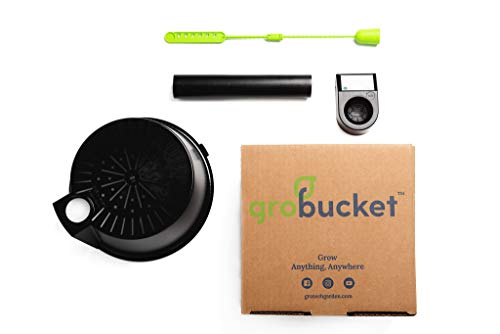
If you like the idea of a SIP but don’t feel like cutting plastic and threading wicks, a kit like the GroBucket makes life easier. It turns a single 5-gallon bucket into a clean, simple self-watering planter.
I use GroBuckets for my tomatoes and peppers. They only use one bucket, the insert creates the reservoir, and there’s no separate wick to worry about. You just drill an overflow hole in the bucket at the right height, drop in the insert, and fill with your soil mix.
The kit includes an insert, fill tube, and float gauge so you can see the water level at a glance. Buckets are easy to find locally and usually inexpensive.

Raised Garden Bed Self Watering Planter Box
If you want something easier to reach, a raised self-watering planter box is a great option for patios, decks, and even indoors near a sunny window or under a grow light.
This self-watering planter box sits up on legs so you’re not bending over all the time. There’s a shelf for storage and a seedling tray, and it’s compact enough for small spaces.

The reservoir is large enough to handle several big plants, and there’s a visible water gauge plus a drain plug so you can empty the reservoir after heavy rains if you’re using it outside. Indoors, that same drain makes it easy to avoid overfilling.
Troubleshooting Common SIP Problems
- 🚱 Soil never seems to get moist: Check that your wicks are actually hanging into the reservoir and making good contact with the soil. Make sure your mix has enough fine material (like coco coir) to wick.
- 🌊 Plants look waterlogged or yellow: The overflow hole might be too high, or your mix may be too heavy and holding too much water. Lower the overflow hole or lighten the mix with more perlite.
- 🧂 White crust on the soil surface: That’s salt buildup from fertilizers. Top-water heavily once or twice to flush, and let some water drain out of the overflow.
- 🌤️ Plants are tall and weak (“leggy”): Indoors, this is usually a light issue, not a watering issue. Move plants closer to the window or upgrade your grow light.
- ⏳ Reservoir empties very fast: Big plants in hot, bright conditions drink a lot. Consider a larger reservoir, mulching the surface, or topping up more frequently in peak season.
Sub-Irrigated Planter (SIP) FAQs
If you’re new to SIPs, a few questions always pop up. Here are quick answers to the ones most gardeners ask when they’re getting started.
Q. How does a Sub-Irrigated Planter conserve water?
A. SIPs save water by delivering it straight to the root zone and limiting evaporation from the surface. Instead of soaking the whole top layer every time you water, the reservoir releases moisture slowly as the plants need it. You’ll usually water less often than with a regular pot.
Q. What materials are best for wicks in a SIP?
A. Synthetic materials like polyester rope work well because they don’t rot and can move water for a long time. Avoid cotton or natural rope that breaks down and can clog the system.
Q. Do I have to use a wick, or can the soil wick on its own?
A. In small buckets, the soil itself can reach down into the reservoir through a central “column” and wick on its own. In larger containers and beds, wicks help move water evenly so you don’t get dry pockets. Kits like the GroBucket use a molded insert instead of a separate rope wick.
Q. What’s the best soil mix for a SIP?
A. Use a light, fluffy mix that wicks well—coco coir or high-quality potting mix with extra perlite. Avoid heavy garden soil that compacts, holds too much water, and blocks airflow to the roots.
Q. Can I use a SIP indoors?
A. Absolutely. A 5-gallon SIP is perfect for indoor tomatoes, peppers, herbs, and greens under a grow light. Just don’t overfill the reservoir, and place a tray under the bucket in case of spills from the overflow hole.
Q. How do I know when to refill the reservoir?
A. Many SIPs have a float gauge or viewing port. If yours doesn’t, check by gently tilting the container or using a thin stick down the fill tube to see if it comes up wet. After a week or two, you’ll learn your plants’ rhythm and can top up on a schedule.
Q. Is a DIY SIP better than a ready-made system?
A. They both work on the same principle. DIY SIPs are cheaper and easier to customize, while ready-made options like GroBucket or the Keter Urban Bloomer save you time and give you a cleaner, more polished setup. Choose the route that matches your tools, budget, and patience.
DIY Sub-Irrigated Planter: Final Thoughts
Once you try a SIP, it’s hard to go back to plain pots. You get healthier plants, fewer watering headaches, and a lot more forgiveness if you miss a day—especially important indoors where things dry out fast.
Whether you build a DIY bucket system, set up a raised SIP bed, or drop a kit into a 5-gallon bucket, you’re giving your plants a steady, root-level drink they’ll absolutely love. If watering has been your weak spot in the past, a SIP can turn that around in a hurry.
Start with one bucket, watch how well it performs, and then decide how big you want to scale from there. Your future self—and your tomatoes—will thank you. 🌿