This post may contain affiliate links. If you buy something from one of our links we may earn a commission. Thanks
Carnivorous Plant Care is a little different from tending your typical houseplants, and that’s what makes it so fun. These quirky plants thrive on pure water, bright light, and a bit of patience.
Get their environment right, and they’ll reward you with fascinating traps and a front-row seat to nature’s wild side.
Carnivorous Plant Care Key Takeaways
- Carnivorous plant care involves providing pure water, bright light, and nutrient-poor soil.
- Most species thrive in high humidity and may require dormancy during winter.
- Feed them small insects sparingly.
- With the right setup, these fascinating plants can flourish indoors or out, showcasing their unique predatory nature.
What Are Carnivorous Plants? 🌿🪰

Carnivorous plants are fascinating species that survive in nutrient-poor environments by trapping and digesting insects and other small prey.
🪴 This unique adaptation helps them thrive where most plants struggle. With a little care, you can grow these remarkable plants right at home and watch them in action!
Popular carnivorous plants include: the Venus flytrap (Dionaea muscipula), tropical pitcher plants like Nepenthes, American pitcher plants (Sarracenia), Cobra lilies (Darlingtonia), Butterworts (Pinguicula), Bladderworts (Utricularia), Cephalotus, and sundews (Drosera).
Each type of carnivorous plant has evolved its own way to capture prey. Here are the main types of traps you will see: 🐜🪲
- Snap traps 🫳 (Venus flytrap): quick-closing leaves snap shut when triggered by prey.
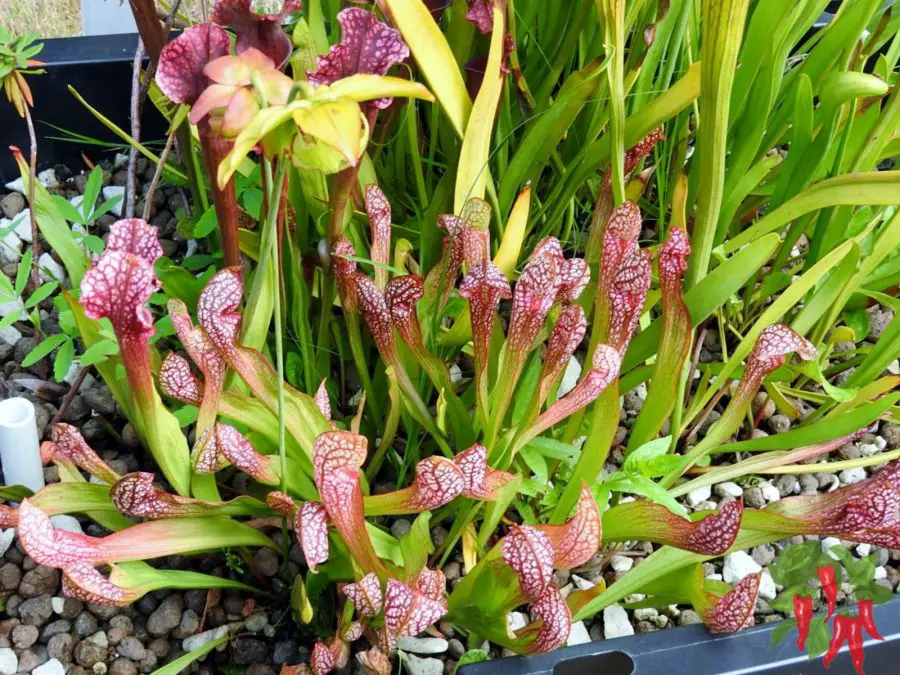
- Pitfall traps 🪣 (Nepenthes, Sarracenia): insects fall into a pitcher filled with digestive liquid.
- Sticky traps 🍯 (sundews, butterworts): leaves or hairs secrete sticky glue to trap small insects.
- Suction traps 🌀 (bladderworts): tiny bladders create suction to pull in aquatic prey.
- Lobed leaf traps 🍃 (Cobra lily, Cephalotus): curved or hooded leaves guide prey inside specialized traps.
Thanks to these incredible adaptations, carnivorous plants can thrive in challenging environments like bogs and swamps.
🌸 They are not only fun to grow but also offer a unique window into the wonders of nature. In the next section, we will take a closer look at the different types you can grow. 🌱
Meet the Carnivorous Plant Types 🌿🪴
There is an incredible variety of carnivorous plants you can grow, each with its own unique way of catching prey. 🪰

Some thrive indoors, while others prefer outdoor conditions. Here is a quick guide to the most popular types, along with basic care tips to help you choose the right plants for your space. 🌱
🌼 Venus Flytrap (Dionaea muscipula)
- 📍 Native to North Carolina bogs
- ☀️ Full sun or bright artificial light
- 💧 Distilled, rain, or RO water only
- 🌸 Requires winter dormancy
- 🪰 Feed small insects during the growing season
🌼 Sundews (Drosera)
- 📍 Widespread across many continents
- ☀️ Bright light or full sun
- 💧 Distilled, rain, or RO water
- 🌸 Some species need dormancy, others do not
- 🪰 Excellent for catching gnats and small flies
🌼 American Pitcher Plants (Sarracenia)
- 📍 Native to the southeastern U.S.
- ☀️ Full sun, prefers outdoor growing
- 💧 Distilled, rain, or RO water
- 🌸 Requires winter dormancy
- 🪰 Pitfall trap catches many insects outdoors
🌼 Tropical Pitcher Plants (Nepenthes)
- 📍 Native to Southeast Asia and Madagascar
- ☀️ Bright, filtered light
- 💧 Distilled, rain, or RO water
- 🌸 No dormancy required
- 🪰 Prefers warm temperatures and high humidity
🌼 Cobra Lily (Darlingtonia)
- 📍 Native to northern California and Oregon
- ☀️ Bright light with cool root temperatures
- 💧 Cold, pure water flowing or frequent changes
- 🌸 Requires winter dormancy
- 🪰 Challenging to grow, not for beginners
🌼 Butterworts (Pinguicula)
- 📍 Native to Europe and the Americas
- ☀️ Bright light, some species tolerate lower light
- 💧 Distilled, rain, or RO water
- 🌸 Many species go dormant, but some tropical species do not
- 🪰 Great for catching fungus gnats indoors
🌼 Bladderworts (Utricularia)
- 📍 Found worldwide, aquatic and terrestrial forms
- ☀️ Bright light to full sun
- 💧 Needs very pure water, high humidity
- 🌸 No dormancy required
- 🪰 Uses suction traps to catch aquatic or soil-dwelling prey
🌼 Australian Pitcher Plant (Cephalotus follicularis)
- 📍 Native to southwestern Australia
- ☀️ Bright light, avoid extreme heat
- 💧 Distilled, rain, or RO water
- 🌸 Requires winter dormancy
- 🪰 Compact plant with beautiful small pitchers
No matter which type you choose, each carnivorous plant brings a bit of natural wonder into your home or garden. 🌼
In the next section, we will look at their natural habitats and how their incredible adaptations help them survive. 🪰
Where They Grow & How They Survive 🌍🪴
Carnivorous plants come from some of the world’s toughest environments. 🌿 Most species grow in bogs, swamps, or sandy wetlands where the soil lacks nutrients.
To survive in these conditions, they evolved clever ways to trap and digest insects, gaining the nitrogen and minerals they cannot pull from the soil.
You will find different types of carnivorous plants spread across the globe:
- 🌎 North America: Home to Venus flytraps, pitcher plants (Sarracenia), and sundews
- 🌎 Europe: Butterworts and sundews in bogs and damp meadows
- 🌎 Australia: Australian pitcher plants (Cephalotus) and unique sundews
- 🌎 South America & Southeast Asia: Tropical pitcher plants (Nepenthes) and bladderworts in humid forests
Their evolutionary adaptations are remarkable. Here are a few key tricks these plants use to lure and digest prey:
- 🍬 Sweet nectar: Attracts insects to the trap
- 🪤 Pitfall traps: Insects fall into a deep pitcher where digestive enzymes break them down
- 🪢 Sticky traps: Glandular hairs or leaves hold insects fast so they cannot escape
- 🧪 Digestive enzymes: Secreted to dissolve soft body parts and release nutrients
- 🪴 Absorption: Specialized cells take up the nutrient-rich liquid to fuel plant growth
These adaptations give carnivorous plants a huge survival advantage in places where other plants would struggle.
🌿 With the right care, you can recreate these natural conditions and enjoy watching their fascinating traps in action!
Next, let’s dive into the essential care tips you will need to help your carnivorous plants thrive. 🌞💧
Essential Care Tips for Carnivorous Plants 🌞💧

Carnivorous plants are not difficult to grow once you understand their special needs. 🌱 The biggest mistake beginners make is treating them like typical houseplants.
These plants evolved to survive in extreme conditions and need the right water, light, soil, and occasional feeding to thrive. Here are the essentials! 🌿
💧 Watering
Watering is the most important part of carnivorous plant care. Many species grow in boggy environments and are extremely sensitive to minerals. Regular tap water can harm or even kill them over time. 🚫
Use only one of the following pure water sources:
- 💦 Distilled water: The safest and most affordable option for most growers.
- 🌧️ Rainwater: Excellent if collected from a clean source, away from pollution.
- 🚰 Reverse osmosis (RO) water: Great if you already use an RO system for drinking water.
🪣 Tray Method
The tray method is the easiest way to maintain consistent moisture for your plants. Many species love having their roots constantly damp but not fully submerged. Here is how to do it:
- 🪴 Place your potted plant in a shallow tray or saucer.
- 💦 Add about 1 inch of pure water to the tray.
- 👀 Monitor water levels and refill as needed. Keep the soil moist but never soggy.
The tray method also helps boost local humidity around the plant, which most species appreciate. 🌫️
🌞 Sunlight
Carnivorous plants love light! Bright, direct sunlight is essential for strong growth and vibrant trap color. Plants grown in low light will often become weak and stop producing traps. Here is what they need:
- ☀️ Venus flytraps and Sarracenia: 6 to 8 hours of full sun daily, outdoors or on a sunny windowsill.
- ☀️ Drosera and Nepenthes: Bright indirect light or 4 to 6 hours of morning sun.
- 💡 Grow lights: A good option indoors. Use full-spectrum LED lights for 12 to 16 hours daily.
🪴 Soil
Carnivorous plants must be grown in nutrient-poor soil. Regular potting soil will kill them because it contains too many minerals and fertilizers. Use one of these simple mixes instead:
- 🌱 Classic mix: 50% peat moss and 50% perlite or horticultural sand.
- 🌱 Long-fiber sphagnum moss: Often used alone or mixed with perlite for species like Nepenthes.
Choosing and Buying Carnivorous Plants 🛍️🌿

Starting your carnivorous plant journey begins with choosing the right plant for your growing space.
-
Whether you are drawn to the classic Venus flytrap or want to try a tropical Nepenthes, making a smart choice up front will set you up for success. 🌱
🌞 Assessing Your Environment
- ☀️ Light: Do you have a sunny windowsill, outdoor space, or will you be using artificial light? Most carnivorous plants need plenty of bright light to thrive.
- 💧 Humidity: Many species prefer high humidity, especially tropical types like Nepenthes and sundews. A tray of water or a small humidifier helps indoors.
- 🌡️ Temperature: Consider whether your plants will experience seasonal temperature changes. Outdoor species like Venus flytraps and Sarracenia need a winter dormancy period.
🛍️ Purchasing Tips
When buying carnivorous plants, avoid impulse purchases from big box stores or novelty shops. These plants are often stressed, potted in the wrong soil, or mislabeled. Look for healthy plants with good color and no mold or rot. 👀
You can find quality carnivorous plants on Amazon and from specialty growers.
-
Here are three trusted sources I have used with good results. Many of them also sell on Amazon, but you will find a wider selection and great growing tips on their websites:
-
🌍 Ethical Sourcing
One important note. 🌎 Many carnivorous plants are protected by international agreements like CITES to prevent illegal harvesting from the wild.
-
Always buy nursery-grown plants from reputable sellers. This helps preserve wild populations and supports ethical growers.
If you see rare or hard-to-find species being offered at suspiciously low prices, be cautious. Supporting ethical sourcing helps protect these amazing plants for future generations. 🌿
🌱 Acclimatization
New plants, especially those shipped in a plastic bag, need a little time to adjust. Here is how I do it:
- 📦 Unpack the plant carefully and check it over for damage or mold.
- 💧 Mist the plant and place it in a humid, bright spot for a few days.
- 🌡️ Gradually adjust the plant to your growing environment over a week or two.
Once acclimated, your new carnivorous plant will be ready to grow and show off its amazing traps. 🪰 Next, let’s take a closer look at the science behind how these plants digest their prey!
The Science Behind Carnivorous Plants 🔬🪰
Carnivorous plants are living proof that nature is full of surprises. 🌿 These plants survive in nutrient-poor soils by capturing and digesting insects, absorbing the nutrients they would normally lack. But how exactly does this process work? Let’s take a closer look! 🧐
🧪 Digestion Process
When an insect lands in or on a carnivorous plant’s trap, the plant springs into action. Here is what happens next:
- 🍬 Attraction: Nectar, bright colors, and scent lure insects to the trap.
- 🪤 Capture: The insect is caught by sticky leaves, pitfall traps, snap traps, or suction bladders.
- 🧪 Enzymatic digestion: The plant secretes digestive enzymes to break down soft tissues. Over several days, the insect is reduced to a nutrient-rich liquid.
🌿 Nutrient Absorption
Once digestion is complete, the plant absorbs key nutrients like nitrogen, phosphorus, and potassium through specialized cells. These nutrients support healthy growth, strong trap development, and vibrant color. 🪴
This adaptation allows carnivorous plants to thrive in soils where other plants would starve. They still rely on photosynthesis for energy but supplement their diet with nutrients from prey. 🌞
🌍 Evolutionary Advantages
Carnivory has evolved multiple times across different plant families, giving these plants a competitive edge in tough environments. 🌿 Here are a few key advantages:
- 🍃 Survive in nutrient-poor soils like bogs and swamps
- 🪰 Capture and digest prey to supplement limited soil nutrients
- 🌞 Maintain photosynthesis while gaining additional nitrogen from insects
It is amazing to watch these plants in action and see how evolution has shaped them to survive and thrive in their unique niches. 🌱
Next, let’s explore how to grow carnivorous plants in a terrarium or fish tank, creating a perfect mini-habitat right at home! 🐠🌿
Growing Carnivorous Plants in a Terrarium or Empty Fish Tank 🐠🌿
Growing carnivorous plants in a terrarium or repurposed fish tank is one of the most rewarding ways to enjoy them indoors. 🌱
You can create a miniature ecosystem that keeps humidity high and lets you observe your plants up close. Many species thrive in this type of setup, and it makes an excellent conversation piece too. 🪴
🌟 Benefits of Using a Terrarium or Fish Tank
- 🌫️ Controlled environment: Easy to maintain high humidity and stable temperatures.
- 🎨 Aesthetic appeal: Makes a beautiful living display.
- 🛡️ Protection: Helps keep sensitive plants safe from pests and household fluctuations.
🌿 Choosing the Right Plants
Some carnivorous plants do better than others in terrariums. Here are my favorites:
- 🌱 Cape Sundew (Drosera capensis): Stays compact and thrives in high humidity.
- 🌱 Nepenthes (Tropical pitcher plants): Most species love the warm, humid conditions of a terrarium. Keep in mind that many Nepenthes are vining and can outgrow a small space over time.
- 🌱 Butterworts (Pinguicula): Small and easy to manage in a terrarium setting.
On the other hand, American pitcher plants (Sarracenia) and Venus flytraps are better suited to outdoor growing, where they can experience seasonal changes and dormancy. I keep my pitcher plants outdoors year-round. 🏡
🛠️ Materials You’ll Need
- 🐠 An empty fish tank or glass terrarium
- 🪨 Pebbles or gravel for drainage
- ⚫ Activated charcoal (optional, helps control odors)
- 🌱 Nutrient-poor soil mix (I use rinsed coco coir with no added perlite)
- 💧 Distilled or rainwater
- 🪴 Plants of your choice
- 💡 Lighting (if natural light is insufficient)
📝 Step-by-Step Setup
-
- 🧽 Clean the container: Wash the tank thoroughly to remove any residue.
- 🪨 Drainage layer: Add about 1 inch of pebbles or gravel at the bottom.
- ⚫ Optional charcoal layer: A thin layer of activated charcoal helps keep the environment fresh.
- 🌱 Soil layer: Add 2 to 3 inches of your nutrient-poor soil mix, moistened with pure water.
- 🪴 Planting: Carefully place your plants. Give them space to grow.
- 💧 Watering: Keep the soil moist at all times with distilled or rainwater.
- 💡 Lighting: Provide bright indirect light or use a grow light.
- 🌬️ Maintenance: Check humidity levels, trim plants as needed, and monitor for mold or pests.
🔄 My Variation
I used a 20-gallon fish tank with a gravel base about an inch thick. However, I did not plant my carnivorous plants directly in the soil. Instead, I placed each plant in its own small pot inside the tank. 🌱
My pots used a mix of about 75% coco coir and 25% river sand. I never fed these plants with fertilizer or bugs, and they still thrived. I was lucky enough to use my local tap water, which tests at less than 30 ppm. Most growers will need distilled or rainwater. 💧
With water in the gravel layer and hand-watering a couple of times a week, humidity stayed high and the plants grew beautifully. 🌿
Growing carnivorous plants in a terrarium or fish tank is a great way to enjoy these fascinating species indoors. With the right setup, you can create a thriving, self-contained habitat. Next, let’s take a closer look at one of my favorite Nepenthes to grow! 🌿🪰
Nepenthes truncata 🌿🪰

Thomas Gronemeyer, CC BY-SA 4.0, via Wikimedia Commons If you want to try growing a tropical Nepenthes in a terrarium, I highly recommend Nepenthes truncata as a starting point. 🌿
- This beautiful species is easy to grow compared to many other Nepenthes, and its thick, square-edged leaves give it a bold, exotic look.
-
Nepenthes truncata also produces large pitchers that can reach up to 40 cm tall. It stays more compact than many vining Nepenthes, which makes it a great choice for terrariums or indoor growing. 🏡
According to Wikipedia:
Nepenthes truncata is a tropical pitcher plant endemic to the Philippines. It is known from the islands of Dinagat, Leyte, and Mindanao. The species grows at elevations of 0 to 1500 meters and is characterized by its heart-shaped leaves and very large pitchers.I used to grow Nepenthes truncata in a terrarium and loved it. You will want to maintain high humidity and bright, filtered light to keep it happy. Over time, the plant will begin to vine. You can prune it back as needed to keep it manageable indoors. ✂️
Unfortunately, I lost my original plant after four or five years. I am planning to replace it soon, along with Nepenthes spectabilis, which is another favorite of mine. 🌼
-

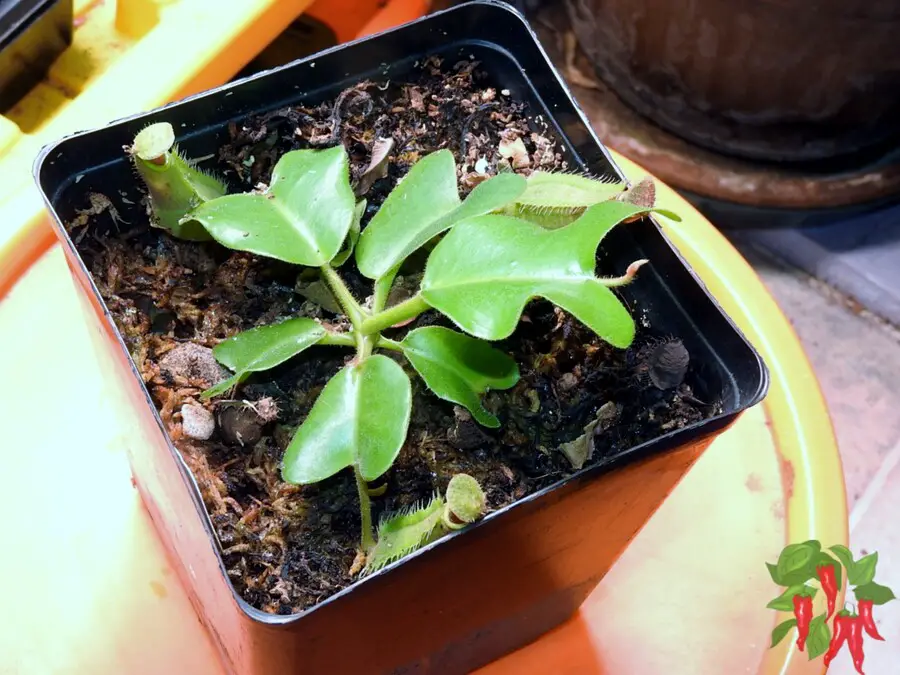
This one is a replacement plant and still a baby. It has a long way to go before it gets as big as the other was.
Here is a look at Nepenthes spectabilis, a stunning species with some of the prettiest pitchers in the Nepenthes world:

ma_suska, CC BY 2.0, via Wikimedia Commons In my experience, Nepenthes spectabilis can be a bit more challenging to grow than truncata. It requires consistent humidity and stable temperatures to produce its best pitchers. Even so, the ones I did manage to grow were absolutely gorgeous. 🌟
If you are looking for an impressive, rewarding plant to grow indoors, Nepenthes truncata is a fantastic choice. With the right care, it will thrive in a terrarium and bring a real wow factor to your collection. 🪴
Next, let’s dive into some of the most common questions people ask about carnivorous plant care! ❓🌿
Real-Life Case Studies 🌿📖
There is a big difference between reading about carnivorous plant care and actually growing them yourself. 🌱
The best lessons often come from real-life experience. Here are some success stories and challenges shared by fellow plant enthusiasts that show how these fascinating plants can surprise you!
✅ Success Stories
🌫️ The Quest for High Humidity
Sarah, a plant enthusiast in Arizona, struggled with her dry desert climate when growing tropical pitcher plants. 🌵 Determined to make it work, she converted an old aquarium into a mini greenhouse, added a humidifier, and kept up a daily misting routine. Today, her Nepenthes are thriving with lush foliage and beautiful pitchers!
🌱 Propagation Perfection
David, a botanist in Florida, wanted to propagate the rare Australian pitcher plant. After months of trial and error, he succeeded using leaf cuttings and a carefully chosen soil mix. His dedication paid off when the first new sprouts appeared. 🌿 It was a proud moment for him and the carnivorous plant community.
💡 Light and Life
Anita, living in a cloudy part of Washington, noticed her sundews were struggling and losing color. After adding LED grow lights to her setup, the change was dramatic. Within weeks, her plants regained their vibrant hues and started producing sticky traps again. Sometimes a little extra light makes all the difference! 🌞
⚠️ Challenges
❄️ Winter Woes
Tom, a passionate grower in New York, had trouble keeping his Venus flytraps healthy through the winter. They entered dormancy too early indoors. After doing some research, he set up a cool space with controlled light and temperature to simulate a natural dormancy period. The next spring, his plants bounced back stronger than ever! 🌱
🌡️ Adapting to Nepenthes
Linda had great success with outdoor carnivorous plants but found tropical Nepenthes to be a different challenge. Getting humidity and temperature right took some fine-tuning. After adjusting her setup and consulting other growers, her Nepenthes now reward her with beautiful pitchers. 🪴 It took patience, but the results were worth it.
🌱 Soil Struggles
Mike noticed that some of his carnivorous plants were not thriving. After some detective work, he realized his soil mix was the problem. With limited resources locally, he experimented until he found a blend of peat moss, perlite, and long-fiber sphagnum that worked. Now his plants are thriving in a healthy, well-draining mix. 🌿
These real-life experiences remind us that every grower’s journey is unique. With a little persistence, creativity, and a willingness to learn, you can overcome challenges and enjoy the rewards of growing these incredible plants. 🌿✨
Next, let’s wrap things up with a few final thoughts on successful carnivorous plant care! 🌱
Carnivorous Plant Care Conclusion 🌿✨
Caring for carnivorous plants is one of the most rewarding experiences in gardening. 🪴 These fascinating plants don’t just look wild, they teach you patience, observation, and a bit of science along the way.
Once you understand their needs, they’re not difficult to grow. In fact, they’ll quickly become the stars of your indoor or outdoor garden!
Stick with pure water, the right light, and nutrient-poor soil. Learn which plants need dormancy, and don’t be afraid to experiment with setups like terrariums or outdoor containers.
Most of all, pay attention to your plants. They’ll show you what they like and what they don’t. 🌱
Whether you’re just starting with a single Venus flytrap or building a collection of sundews, pitchers, and butterworts, there’s always more to discover. I hope this guide gave you the knowledge and confidence to grow your own thriving carnivorous garden. 🌿
Want to learn more? Check out these related articles:
- How to Grow Sundews Indoors
- What to Feed Your Venus Flytrap
- 6 Best Carnivorous Plants to Grow Indoors
-
Happy growing! 🪰🌱