If you’re looking for the best carnivorous plants for beginners indoors, it helps to start with species that actually grow well in normal indoor conditions.
A lot of carnivorous plants people see online are not great indoor choices. Some need dormancy, some need full outdoor sun, and others require very specific setups that beginners usually don’t have yet.
So instead of chasing the most exotic plants, this guide focuses on beginner-friendly carnivorous plants that can thrive indoors—on shelves, under lights, or in a simple indoor setup.
The bad news is that not every carnivorous plant people talk about online is actually a good fit for indoor growing.
Some need dormancy. Some need full outdoor sun. And some are just too picky unless you already have a terrarium or a very controlled setup.
So if you’re growing in an apartment, on a shelf, under lights, or in a normal room, it helps to start with plants that actually tolerate indoor life without falling apart on you.
These are the carnivorous plants I would point beginners toward first—the ones that are most likely to reward you instead of punishing every little mistake.
🌱 What You’ll Learn
- Which carnivorous plants are easiest for indoor beginners
- Why some popular carnivorous plants are actually poor indoor starter choices
- Which plants work on shelves, windowsills, or under grow lights
- How Nepenthes, butterworts, sundews, and bladderworts compare indoors
- What to avoid if you want a simpler indoor growing experience
🌿 What Makes a Carnivorous Plant Beginner Friendly Indoors?
A beginner-friendly indoor carnivorous plant is not just one that looks cool. It has to be a plant that can handle normal indoor conditions without demanding a perfect greenhouse setup.
For indoor growers, the best beginner plants usually have a few things in common:
- They do not need a cold winter dormancy
- They tolerate moderate indoor humidity
- They grow well under lights or bright windows
- They recover fairly well from small mistakes
That already rules out quite a few famous carnivorous plants that people buy too quickly and then struggle with later.
Indoors, reliability matters a lot more than novelty.
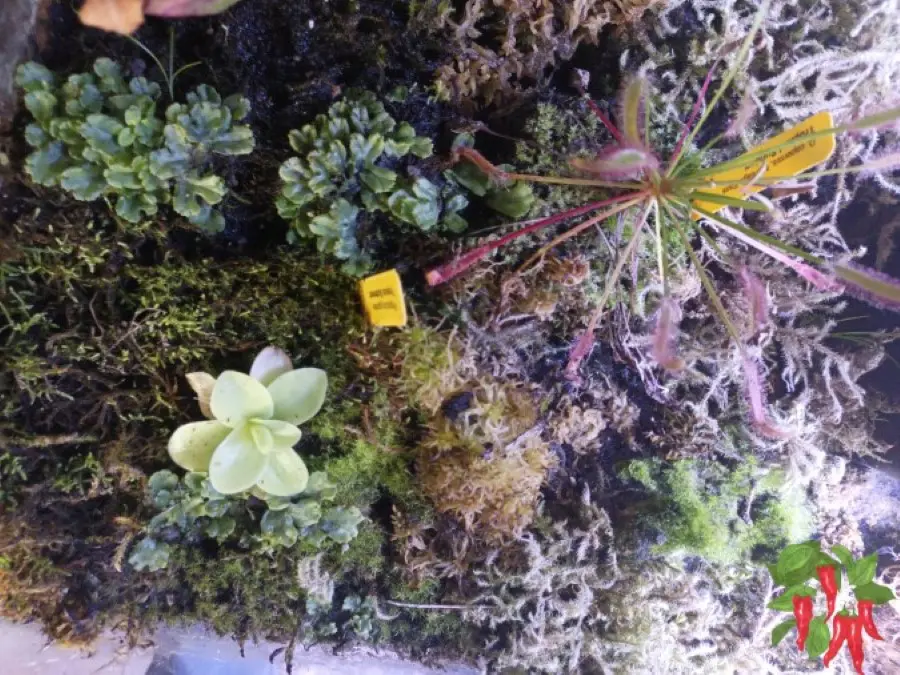
Best Carnivorous Plants for Beginners Indoors Inside My Terrarium – Drosera capensis, Montagu Pass, Pinguicula Aphrodite and Pinguicula gigantea
🪴 1. Mexican Butterworts (Pinguicula)
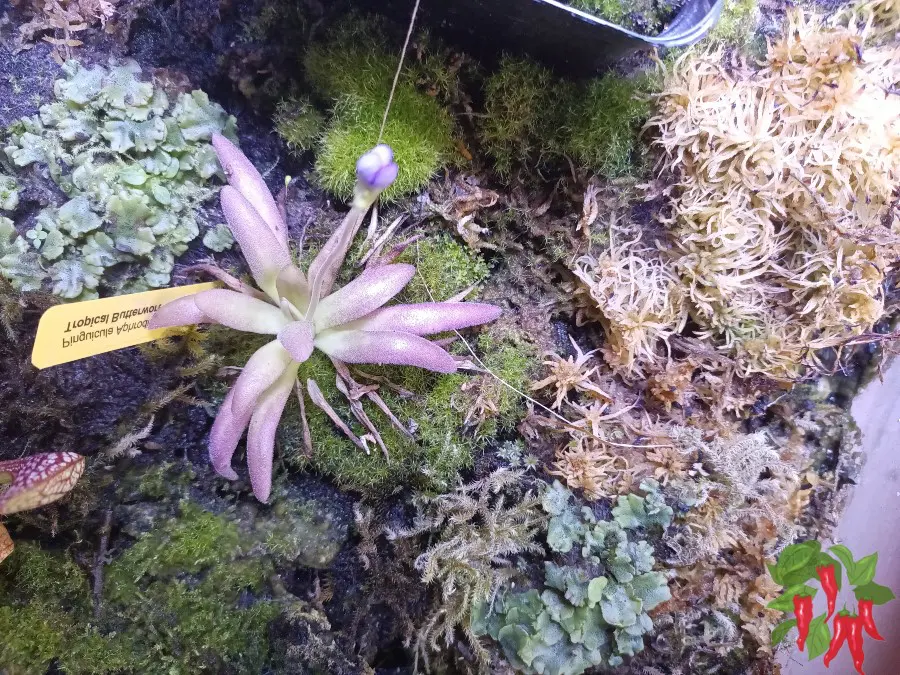
If I were trying to point a true beginner toward the easiest indoor carnivorous plant overall, Mexican butterworts would be right near the top of the list.
They stay small, they look good, and they handle normal indoor conditions better than a lot of other carnivorous plants.
They also catch fungus gnats and other tiny pests, which makes them especially satisfying to grow indoors.
Why They’re Good for Beginners
- They do not need dormancy
- They stay compact
- They can grow well in bright indoor conditions
- They are easier to fit into small spaces
A few good beginner types include Pinguicula esseriana, Pinguicula moranensis, and Pinguicula gigantea.
These plants are not dramatic in the same way a big Nepenthes is, but they are dependable and rewarding, which matters more when you are starting out.
💧 2. Cape Sundew (Drosera capensis)
Drosera capensis is one of those plants that earns its reputation. It is probably the closest thing the carnivorous plant world has to an indestructible beginner plant.
It grows quickly, makes plenty of sticky dew, and usually bounces back even if conditions are not perfect.
That makes it one of the best carnivorous plants for beginners indoors, especially if you want something active-looking and obviously carnivorous.
Why It Works Indoors
- It tolerates lower humidity better than many species
- It does well under grow lights
- It grows quickly and shows obvious progress
- It is easy to tell when it is happy
If you want a beginner plant that actually looks busy and carnivorous all the time, this is a good one.
🌱 3. Nepenthes ventrata
If what you really want is a pitcher plant, Nepenthes ventrata is probably the safest starting point indoors.
This is one of the easiest Nepenthes to grow, and there is a reason it shows up everywhere. It handles indoor conditions better than most, it pitchers reliably, and it is a lot less fussy than people expect from a tropical carnivorous plant.
It is also one of the few plants that can give beginners that classic hanging-pitcher look without demanding perfect humidity all the time.
Why It’s a Strong Beginner Nepenthes
- It is forgiving
- It adapts well to indoor conditions
- It does not need dormancy
- It is easy to find and usually affordable
If someone asks me for the easiest indoor pitcher plant, this is usually the first one I think of.
🌿 4. Nepenthes ventricosa
If ventrata is the easiest hybrid, ventricosa is one of the easiest true species.
It is a very forgiving Nepenthes, and it often produces pitchers even when humidity is not ideal. That alone makes it a valuable indoor plant for beginners who want to try a species instead of starting with only hybrids.
It is also just a good-looking plant. Nice pitcher shape, reliable growth, and a reputation for being much easier than many of the more famous highland Nepenthes.
Why People Do Well With It
- It pitchers in normal indoor conditions better than many Nepenthes
- It handles bright windows and grow lights well
- It is less temperamental than many collector species
For beginners who want something a little more “real species” without making life hard, ventricosa is a smart pick.
🌺 5. Nepenthes sanguinea
Nepenthes sanguinea is another strong option if you want a pitcher plant that brings more color while still being relatively forgiving.
It tends to grow a bit faster than some other Nepenthes and can produce larger, more colorful pitchers once it gets established.
That makes it a good step up from ventrata if you want something a little more visually interesting without jumping into difficult species.
Why It Works for Indoor Growers
- Good color potential
- Handles a range of indoor temperatures
- Vigorous once established
- Works well in hanging setups
It may take a little more dialing in than ventrata, but it is still well within beginner range for indoor growing.
🐇 6. Utricularia (Bladderworts)
Bladderworts are one of the most overlooked indoor carnivorous plants, but they are surprisingly easy once you understand them.
They don’t rely on visible traps the way other carnivorous plants do, but many species produce small, constant flowers that make them worth growing.
They also work well in small pots or terrariums, making them ideal for limited space.
Beginner-Friendly Types
- Utricularia sandersonii
- Utricularia bisquamata
These are easy to grow, fast to spread, and tend to flower frequently under indoor conditions.
🌿 7. Drosera adelae
Drosera adelae is a little different from cape sundew. It comes from a more humid, shaded environment, which actually makes it a great fit for indoor setups.
It doesn’t need intense light to perform well, and it produces plenty of sticky dew when it is happy.
It also spreads over time, which can be rewarding if you like watching plants fill in and expand.
Why It’s a Good Indoor Choice
- Handles lower light better than many carnivorous plants
- Thrives in terrariums or humid indoor spots
- Produces visible dew when conditions are right
If your setup leans more toward moderate light and higher humidity, this one fits in well.
🌱 8. Cephalotus follicularis (Australian Pitcher Plant)
Cephalotus is a bit of a unique case. It is often considered tricky, but it can actually do well indoors if conditions are stable.
It stays compact, produces small pitchers, and does not require dormancy like some other carnivorous plants.
The key with Cephalotus is consistency. It does not like sudden changes, especially in watering or temperature.
Why It Can Work Indoors
- Compact size
- No dormancy requirement
- Works well in stable indoor environments
It is not the first plant I would recommend to someone with zero experience, but it is a good option once you understand the basics.
🏔️ 9. Heliamphora heterodoxa × minor
If you want something a little more unusual but still manageable, this hybrid Heliamphora is one of the more forgiving options.
It still prefers a controlled setup, but compared to many Heliamphora species, it is much more tolerant of indoor growing conditions.
Why It’s Considered Beginner-Friendly (for Heliamphora)
- More tolerant than pure species
- Works in well-managed terrariums
- Does not require extreme cooling compared to others
This is more of a “next step” plant rather than a first plant, but it is still one of the easier ways to get into this group.
🚫 Carnivorous Plants That Don’t Work Well Indoors
This is where a lot of beginners run into trouble.
Some of the most popular carnivorous plants are actually poor choices for indoor growing unless you have very specific conditions.
These include:
- Venus flytraps (need dormancy and strong outdoor sun)
- Sarracenia (require seasonal changes and full sun)
- Cobra lilies (need cold roots and outdoor conditions)
These plants are not bad—they just are not indoor plants for beginners.
If you try to grow them like houseplants, they usually decline over time.
🌟 The Best Beginner Carnivorous Plants Indoors (Quick Picks)
If you just want a simple starting point, these are the three carnivorous plants that are the most reliable indoors:
- Mexican Butterwort (Pinguicula) – easiest overall indoor plant
- Drosera capensis – fast, forgiving, and very active
- Nepenthes ventrata – the easiest indoor pitcher plant
If you start with these, you’re much more likely to have success and actually enjoy growing carnivorous plants instead of fighting with them.
🌿 How to Choose the Right Plant for Your Space
Before you pick a plant, it helps to think about how you’re actually growing indoors.
- Low space: Butterworts or bladderworts
- Moderate light setup: Sundews or Nepenthes
- Terrarium setup: Drosera adelae, Utricularia, or Heliamphora hybrids
- Hanging or vertical space: Nepenthes
Matching the plant to your setup is one of the easiest ways to avoid problems early on.
🌱 Recommended Indoor Carnivorous Plant Guides
Once you choose a plant, these guides will help you get it growing well indoors:
- Why Your Nepenthes Aren’t Pitchering
- Unboxing 5 New Nepenthes
- Nepenthes Terrarium Setup
- Water Quality for Carnivorous Plants
- Terrarium Lighting for Carnivorous Plants
📚 References
- The Carnivorous Plant Society (UK)
- Colorado Carnivorous Plant Society
- University of Missouri Extension – Terrarium Gardening Guide (PDF)
- Carnivorous Plants – Overview
❓ Beginner Carnivorous Plants Indoors – FAQ
What is the easiest carnivorous plant to grow indoors?
Mexican butterworts (Pinguicula) are often the easiest because they tolerate normal indoor conditions and do not require dormancy.
Can carnivorous plants live indoors without a terrarium?
Yes. Many plants like Nepenthes ventrata, Drosera capensis, and butterworts can grow well in open indoor conditions with enough light.
Do carnivorous plants need to be fed indoors?
They can catch small insects indoors, but occasional feeding can help. Most beginner plants will still grow without regular feeding.
Why do some carnivorous plants fail indoors?
The most common reasons are lack of light, incorrect watering, or choosing species that require dormancy or outdoor conditions.