
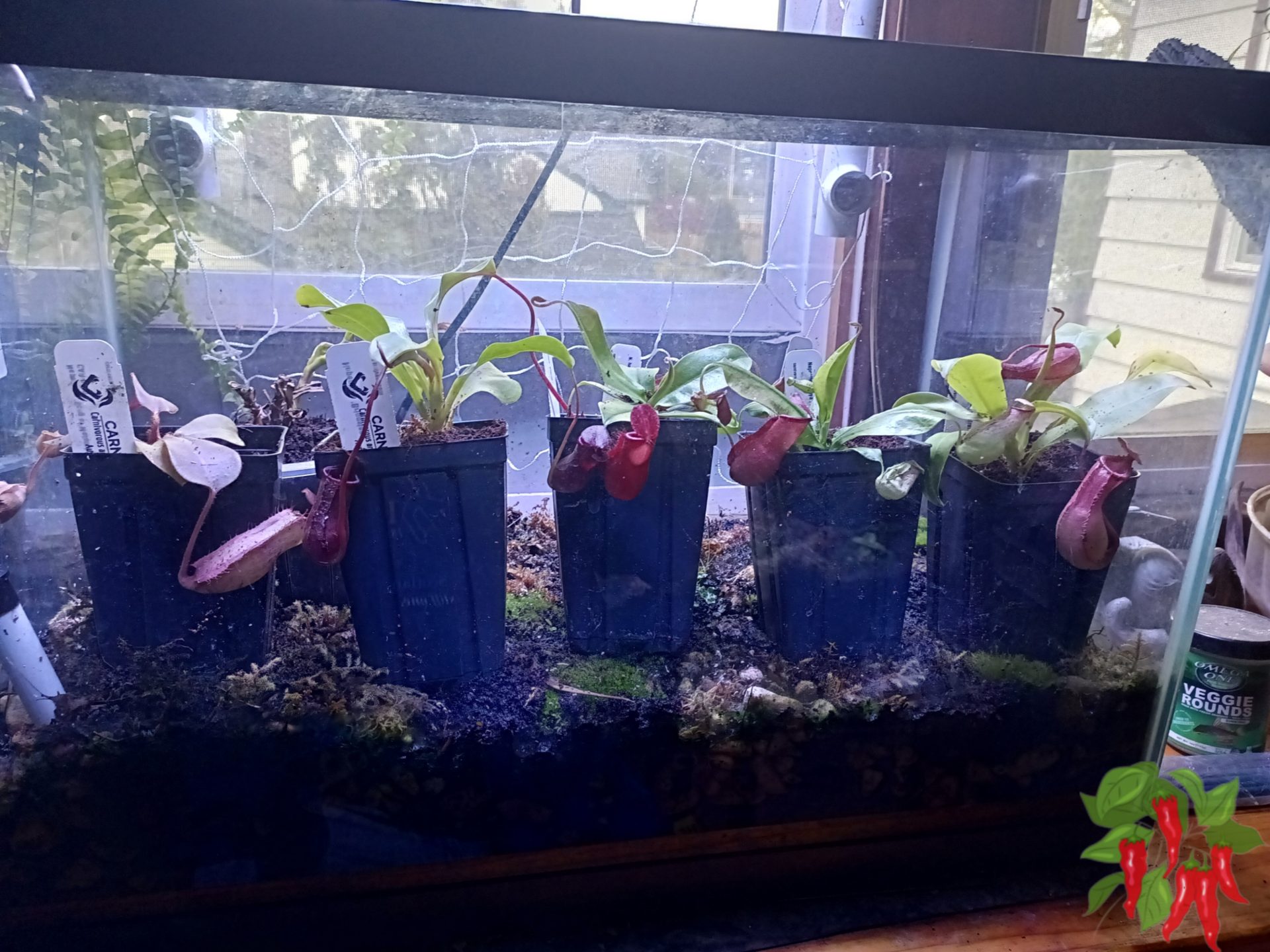
This post is all about unboxing 5 new Nepenthes and adding them into my indoor carnivorous plant setup.
I’ve got 5 new Nepenthes coming in, and this feels like a pretty big moment for where I’m headed with indoor carnivorous plants.
This isn’t just about getting more plants for the sake of it. I’m trying to build an indoor collection that is interesting to grow, different enough to keep things fun, and practical enough that it still works in a real apartment setup.
So this unboxing is really more than just opening a box. It’s about adding 5 new Nepenthes to my indoor carnivorous setup and figuring out where each one fits as the collection keeps shifting more toward pitcher plants.
The five plants I picked are Nepenthes Briggsiana, Diana, Gaya, Song of Melancholy x (eymae x veitchii), and the old reliable Nepenthes ventrata. That gives me a nice mix of dependable growers, colorful pitchers, and a few plants with more dramatic shape and character.
🌱 What You’ll Learn
- Why I chose these 5 Nepenthes for indoor growing
- Which ones I expect to be the easiest growers
- How these plants fit into my indoor carnivorous setup
- What makes each hybrid or species interesting
- How I’m thinking about variety, size, and pitcher color in the collection
🎥 Little Shop of Horrors Starter Pack?Unboxing 5 New Nepenthes
I’ll be adding the full unboxing video here once it’s published so you can see the plants as they arrived and get a first look at the pitchers, size, and overall condition.
🌿 Why I Ordered 5 New Nepenthes at Once
Usually when you order one plant, it’s easy to think of it as just another addition. But when five Nepenthes show up at once, that starts to feel more like a real shift in the collection.
That’s kind of where I am right now.
I’ve been leaning harder into indoor carnivorous plants anyway, and Nepenthes are one of the most interesting groups to work with because they combine unusual growth habits, dramatic pitchers, and a setup style that fits what I like doing indoors.
They are not just shelf plants to me. They’re plants you build around. Light matters. Humidity matters. Water quality matters. How you support them matters. And once they start vining, they really start shaping the space around them.
So ordering five at once was not random. I wanted a group that gave me a mix of easier growers, interesting pitcher shapes, and some variety in color and form without making the whole collection harder to manage.
🪴 The 5 Nepenthes in This Unboxing
Here’s the lineup in this order:
- Nepenthes ‘Briggsiana’ (ventricosa x lowii)
- Nepenthes ‘Diana’
- Nepenthes ‘Gaya’
- Nepenthes Song of Melancholy x (eymae x veitchii)
- Nepenthes ventrata
That gives me a pretty good spread. I’ve got a couple that should be solid, forgiving growers, a couple that bring more color and shape, and one or two that could end up being real standouts once they size up.
I also like that this group is not all the same kind of plant. They may all be Nepenthes, but they should still give me very different looks once they get established and start pitchering well.
🌱 Why This Group Made Sense for My Indoor Setup
One thing I’m trying not to do is build a collection that looks repetitive. If every plant has roughly the same pitcher shape, the same growth habit, and the same needs, it gets less interesting pretty fast.
With this order, I’m getting a better mix of:
- Different pitcher shapes
- Different color potential
- Different growth habits
- A balance between easy and more visually dramatic plants
That matters because indoor growing is already limited by space. If a plant is going to take up room, I want it to earn that space by either being easy, interesting, beautiful, or ideally all three.
That’s really the mindset behind this whole order.
🍃 Nepenthes ‘Briggsiana’
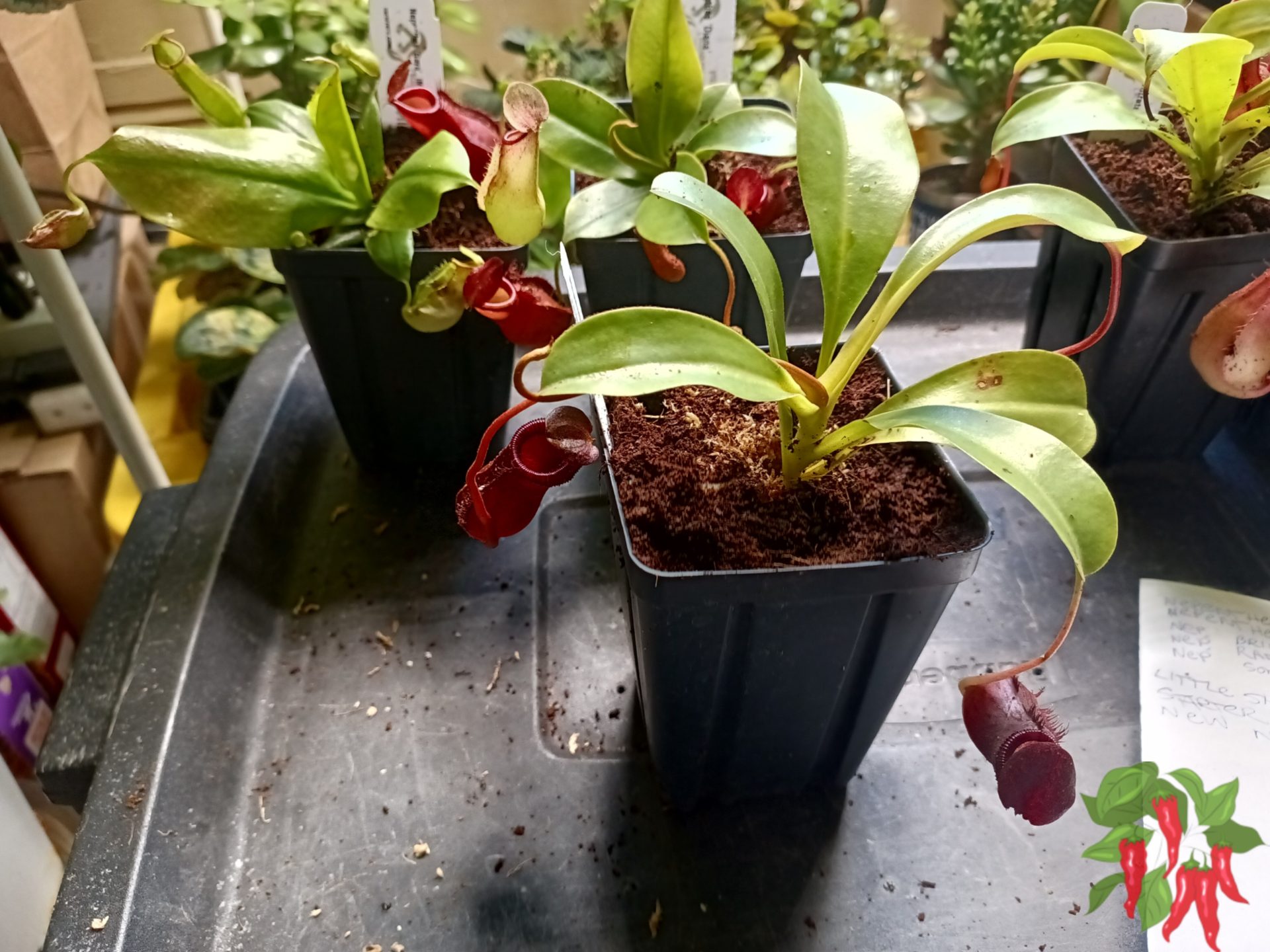
Briggsiana is one of the plants I’m especially curious about because of that ventricosa x lowii background.
Ventricosa usually brings easier indoor growing and solid pitcher production, while lowii tends to bring more unusual shape and character. That combination makes this one feel like a good middle ground between practical and interesting.
I’m not expecting it to behave like some super delicate collector plant. What I’m hoping for is a plant with strong character that still has enough hybrid vigor to do well indoors.
This is one of those plants where I’ll probably be watching the pitcher shape closely as it matures, because that’s where a lot of the personality is going to show up.
🌺 Nepenthes ‘Diana’
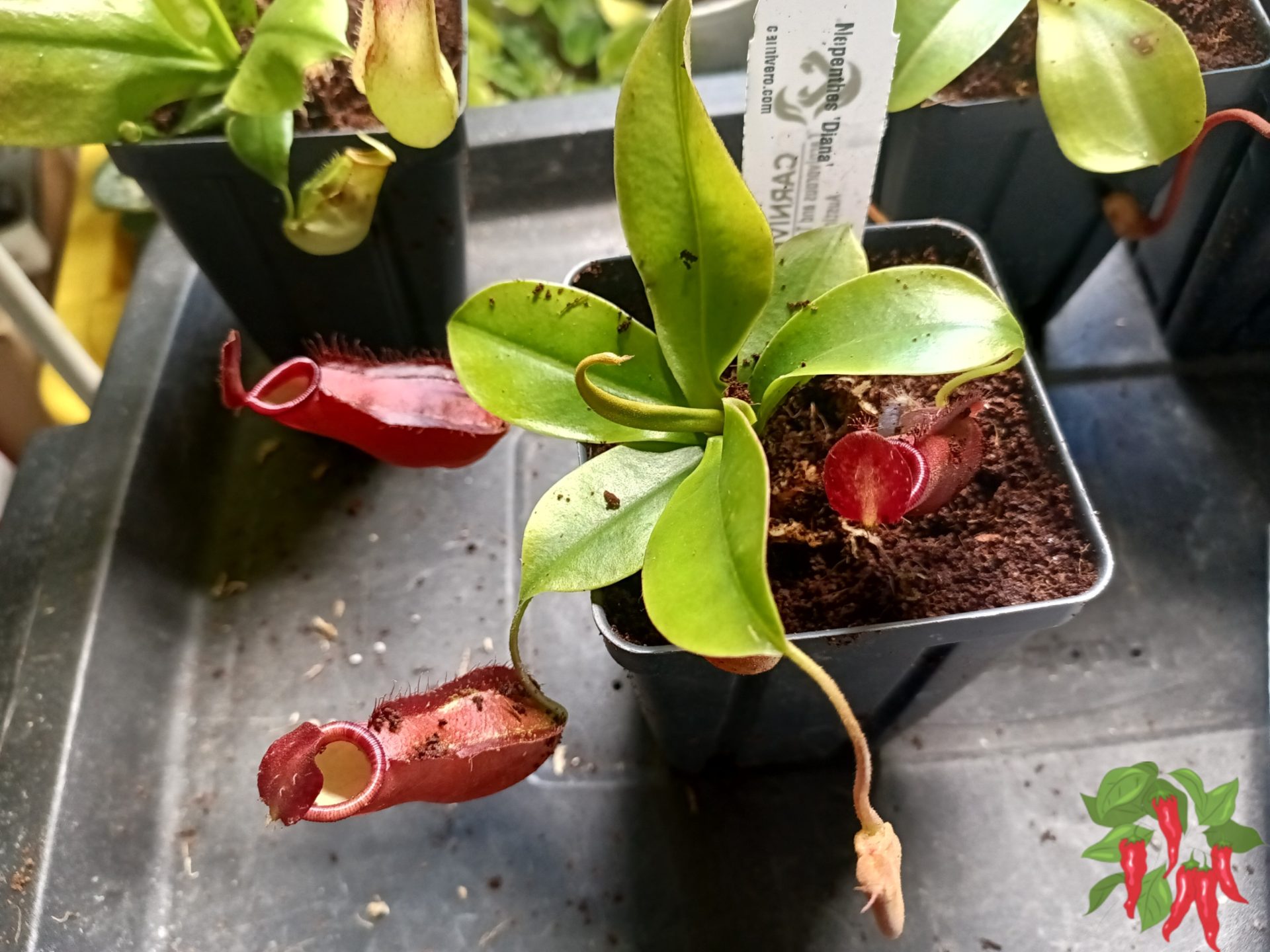
Diana is in this group because I wanted something with a little more visual punch.
This is one of those Nepenthes that tends to catch your eye pretty quickly. Strong shape, good color potential, and the kind of plant that can become a real showpiece once it gets settled in and starts producing mature pitchers.
In a collection like this, I think it helps to have a few plants that are not just easy, but also clearly ornamental. Diana feels like one of those.
I’m interested to see how it colors up indoors and whether it becomes one of the plants that naturally draws attention first.
🍯 Nepenthes ‘Gaya’
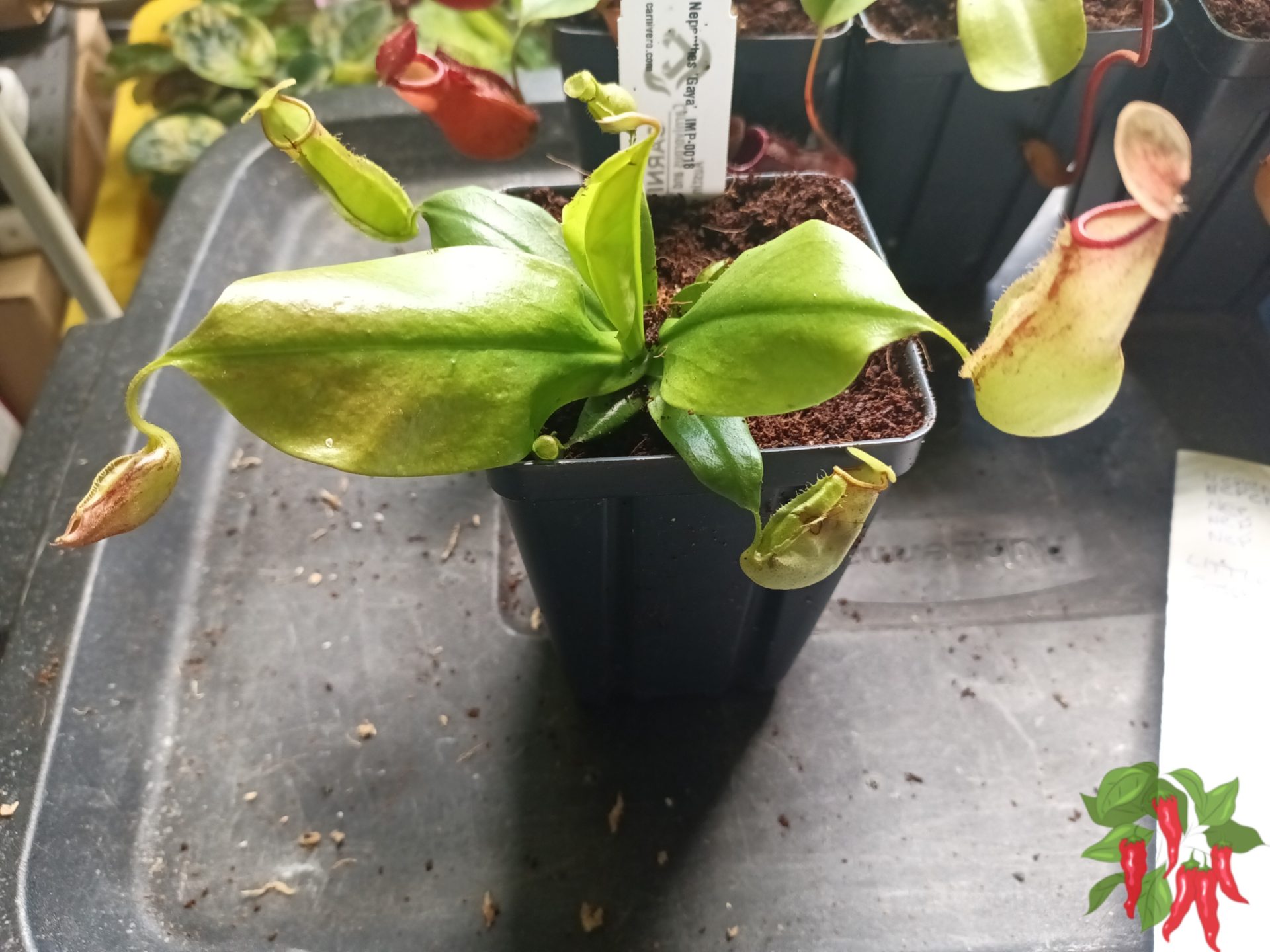
Gaya is probably the most “practical” plant in this group, and I mean that in a good way.
This is one of those Nepenthes that just works indoors. It’s known for being vigorous, forgiving, and quick to pitcher compared to a lot of others.
At the same time, it still brings plenty of color. You get those red, orange, and yellow tones, and the pitchers are big enough to feel satisfying without needing perfect conditions.
Every collection needs a plant like this. Something that grows well, fills space, and gives you consistent results while the more unusual plants figure themselves out.
If one of these ends up becoming a workhorse plant in the setup, it will probably be Gaya.
🎨 Nepenthes Song of Melancholy x (eymae x veitchii)
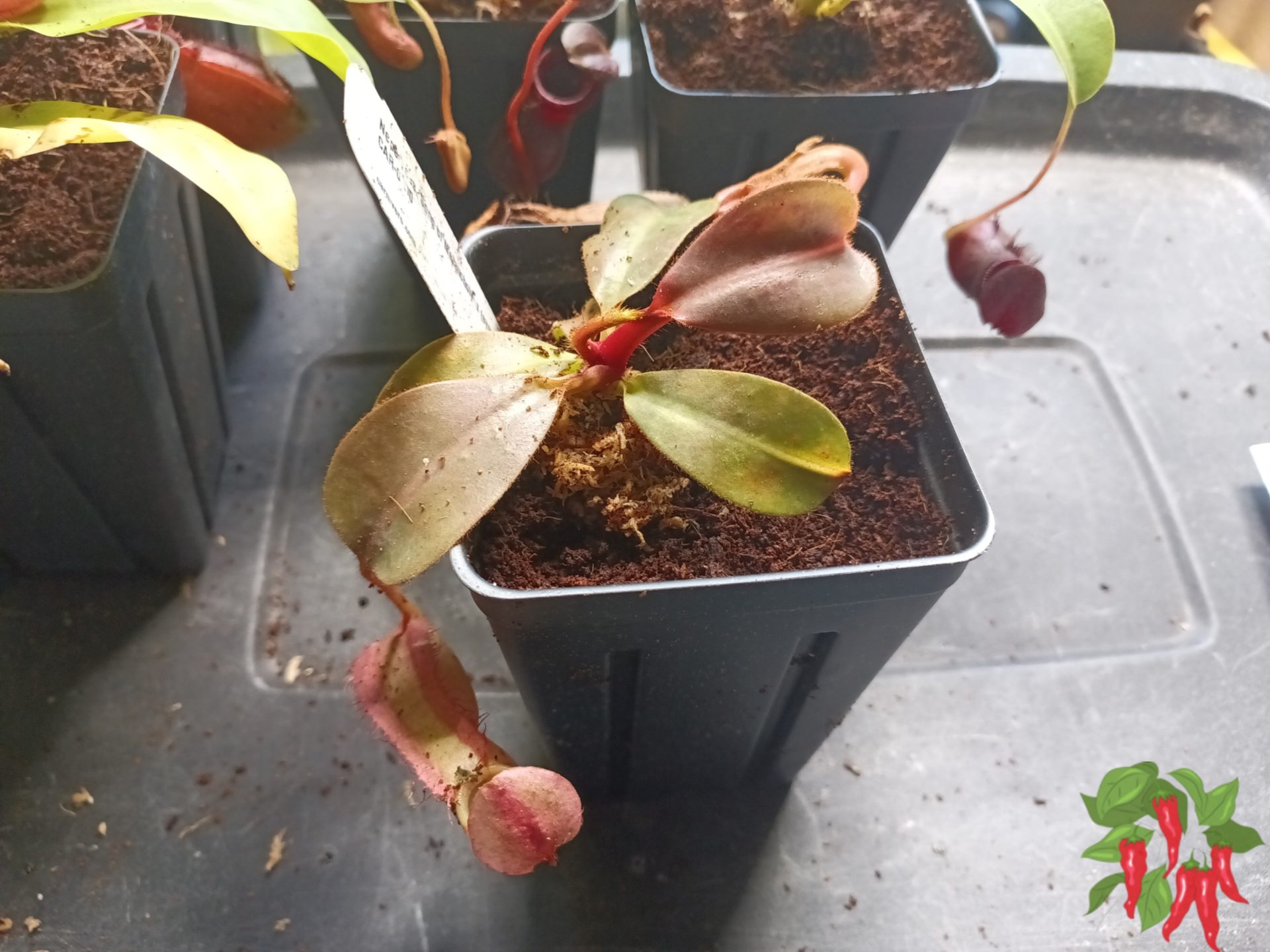
This is the one in the group that feels a little more experimental.
With veitchii in the background, there’s potential for some really nice striping and color in the peristome, and eymae tends to add a bit of height and shape.
Song of Melancholy itself is known for bringing strong color and good hybrid vigor, so in theory this should be a pretty well-balanced plant once it gets going.
That said, this is one I’m going to watch closely.
Some hybrids take a little time to show what they’re really going to do, especially indoors. But if it develops the way I’m hoping, this could easily become one of the more visually interesting plants in the entire setup.
🌿 Nepenthes ventrata
Ventrata is the dependable one.
It’s not the flashiest plant in this group, and it’s definitely not the rarest—but there’s a reason it shows up in so many collections.
It grows well. It pitchers reliably. And it handles indoor conditions better than most Nepenthes.
For me, this is less about novelty and more about having a plant I know will perform.
It also gives me a baseline. If everything else is struggling and ventrata is doing fine, then I know the setup itself is working and I just need to adjust for the more specific plants.
Every collection benefits from having at least one plant like that.
🪴 How These Plants Will Fit Into My Setup
The next step is figuring out where everything goes.
Not every plant is going to be treated exactly the same, even though they’re all Nepenthes.
Some will likely go into the main terrarium setup, where they can benefit from stable humidity and shared conditions. Others might stay a little more open depending on how they respond.
That’s something I’ll adjust over time.
If you want to see the kind of setup I’m working with, you can check out my Nepenthes terrarium setup here.
This is where most of these plants will likely end up once they settle in and I get a feel for how they’re growing.
🌱 What I’ll Be Watching Over the Next Few Weeks
Whenever I bring in new Nepenthes, I’m not expecting perfection right away.
The first few weeks are really about adjustment.
- How quickly they settle in
- Whether they hold or drop existing pitchers
- How new leaves start forming
- Whether they begin producing new pitchers in the setup
That early response tells you a lot about whether your conditions are close to what they need.
Some plants bounce back fast. Others take a little longer. That’s just part of growing Nepenthes indoors.
I’ll be paying attention to which of these plants adapt quickly and which ones need a little more dialing in.
🌿 What This Means for My Collection Going Forward
Bringing in five Nepenthes at once isn’t just adding plants—it’s shifting the balance of the entire collection.
I’m still growing houseplants, citrus, and other indoor plants, but space is limited. As more carnivorous plants come in, they naturally start taking priority.
That’s not something I’m forcing. It’s just where my interest is right now.
Nepenthes are more interactive to grow. They respond to changes in light, airflow, and water in ways that are easy to see, and that makes them more engaging over time.
So this group of plants isn’t just an addition—it’s part of a larger shift toward building an indoor carnivorous plant setup that actually works and keeps evolving.
🌱 What I Expect From These 5 Nepenthes
Each of these plants brings something a little different to the setup.
- Gaya and ventrata should be consistent growers
- Diana and Briggsiana should add more visual interest
- Song of Melancholy hybrid has the most potential to surprise me
What I’m really looking for is how they perform indoors over time.
Not just how they look when they arrive, but how they adapt, how quickly they pitcher, and how they grow once they settle in.
That’s where you really learn what works.
🔗 Related Carnivorous Plant & Terrarium Guides
- Nepenthes Terrarium Setup (What Actually Works Indoors)
- Terrarium Airflow: What Actually Matters
- Terrarium Lighting for Carnivorous Plants
- Water Quality for Carnivorous Plants
- Carnivorous Plant Care
📚 References
- The Carnivorous Plant Society (UK)
- Colorado Carnivorous Plant Society
- University of Missouri Extension – Terrarium Gardening Guide (PDF)
- Nepenthes – General Overview
❓ Unboxing 5 New Nepenthes FAQs
Do Nepenthes need time to adjust after shipping?
Yes. It’s normal for Nepenthes to drop pitchers or slow down after shipping. Give them stable conditions and time to adjust before expecting new growth.
Which Nepenthes are easiest to grow indoors?
Hybrids like Nepenthes ventrata and Nepenthes Gaya are some of the easiest. They adapt well to indoor conditions and tend to pitcher more consistently.
Can you grow multiple Nepenthes in one setup?
Yes, as long as the conditions are stable and the plants have enough space. Group setups can actually make watering and humidity easier to manage.
Do Nepenthes need a terrarium?
Not always. Many hybrids grow well in open indoor conditions, but a terrarium or enclosed setup can help with humidity and consistency.