
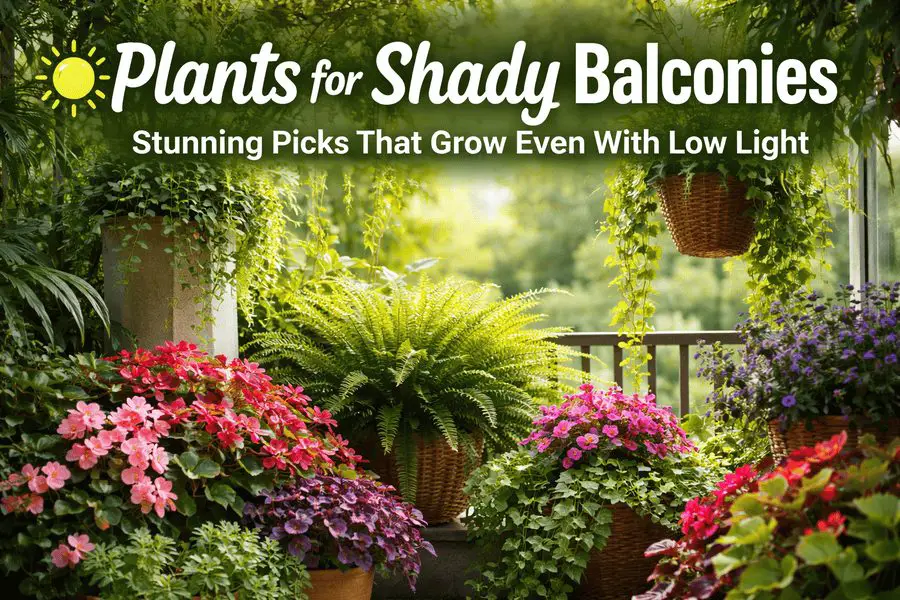
If your balcony stays mostly in the shade, that’s not a drawback—it’s an opportunity. Plants for Shady Balconies let you create a calm, leafy space without battling harsh sun or constant watering. With the right plant choices, low light becomes low stress.
🌿 What You’ll Learn
- 🌥️ How to figure out what “shade” really means on your balcony
- 🪴 The best beginner-friendly plants that handle low light outdoors
- 💧 How to avoid the #1 shady balcony mistake: overwatering
- 🎨 Easy layout ideas that make a small balcony feel lush
- 🧰 A simple starter plan if you want results fast
Growing Plants for Shady Balconies ⛅
If your balcony barely sees the sun, I’ve got good news: you can still grow a space that feels lush, calming, and honestly… kind of magical.
A shady balcony isn’t a “no plants allowed” zone—it’s just a different kind of growing space.
Once you learn how shade behaves (and which plants actually like it), picking winners gets way easier.
This guide is built for beginners, so you won’t be guessing your way through sad, droopy pots.
You’ll learn how to read your light, choose reliable plants, set up containers that don’t stay soggy forever, and arrange everything so your balcony looks full and intentional—even if it’s small.
🌥️ Step 1: Understand Your Balcony’s Shade
“Shady” can mean a few different things, and your plant choices depend on which one you’ve got. Here are the common shade situations on balconies:
- 🧱 Full shade: Little to no direct sun (often blocked by buildings, overhangs, or trees).
- 🌤️ Bright shade: No direct sun, but the space is still bright (lots of reflected light).
- ⛅ Partial shade: A few hours of direct sun—usually morning or late afternoon.
- 🌇 “Sneaky sun” shade: A short burst of strong sun that hits at one weird angle (common in apartments).
🕒 Do this quick light check (no tools needed)
- 📍 Pick 3 times: morning, midday, late afternoon.
- 👀 Step outside and look for direct sun patches on the floor or railing.
- 📝 Note how many total hours of direct sun you get, even if it’s broken up.
- 🪞 Also notice reflected light (bright sky, light-colored walls, glass nearby). This matters a lot in shade.
Beginner-friendly rule: If you get under 3 hours of direct sun, plan for shade plants. If you get 3–5 hours (especially morning sun), you can mix in a few “part shade” bloomers.
🪴 Step 2: Pick Plants That Actually Like Shade
Shade-tolerant plants usually fall into two categories: leafy plants that look good without blooms, and flowering plants that bloom in shade (as long as they get bright shade or a little morning sun).
Below are beginner-friendly picks that do well in containers on balconies.
🍃 Best leafy plants for shady balconies (reliable + low stress)
- 🌿 Ferns (Boston fern, lady fern, etc.): Classic shade lovers that instantly make a space feel lush. Great for hanging baskets and tall pots.

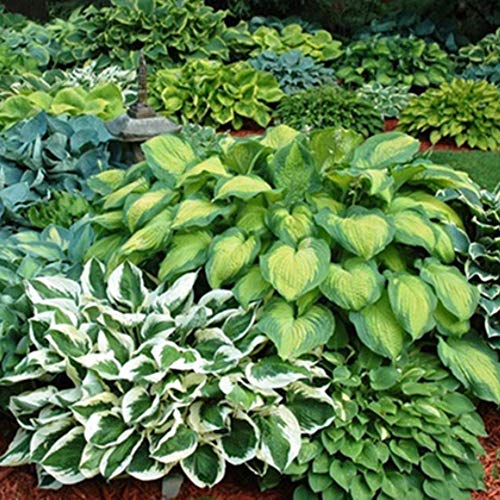
- 💚 Hosta: Big, beautiful leaves and tough as nails in shade. Excellent for larger pots and corners.
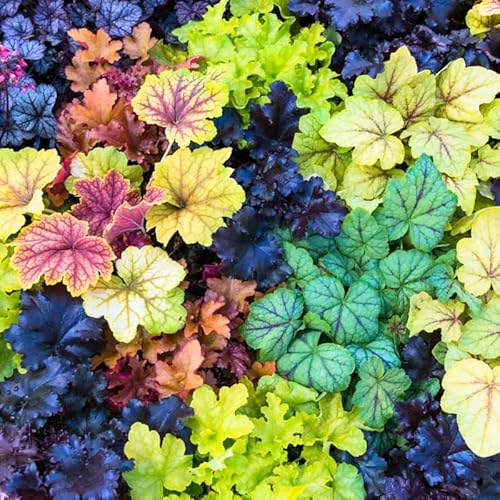
- 🎨 Heuchera (coral bells): Colorful foliage (purple, lime, caramel tones). Great “wow” plant even without flowers.
- 🪴 Caladium: Dramatic heart-shaped leaves that glow in bright shade. Perfect for a bold focal container.

- 🍀 English ivy (or other ivies): Trailing plant for railings, shelves, or mixed containers. (Tip: keep it lightly trimmed so it doesn’t get wild.)

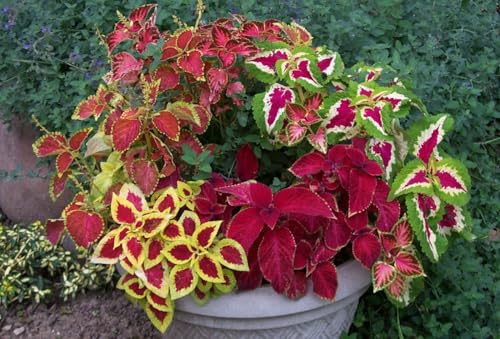
- 🌱 Coleus: Technically can handle sun too, but it shines in bright shade—especially for colorful container combos.
🌸 Flowering plants that bloom in shade (yes, really)
If your balcony is deep shade, flowers may be lighter and slower. But if you have bright shade or even a little morning sun, these can bloom like champs:
- 🌺 Begonias: One of the best “set it and forget it” bloomers for shade containers. Many varieties also have great foliage.

- 🌼 Impatiens: The classic shade color machine. If you want steady blooms without fuss, start here.

- 💗 Fuchsia: Gorgeous dangling blooms, especially in hanging baskets. Loves cooler shade and consistent moisture.

- 🌸 Torrenia (wishbone flower): Compact, colorful, and great for containers in bright shade.

- 💜 Lobelia: Beautiful trailing flowers for edges and hanging pots. Best in cooler shade (it can struggle in hot heat).

🌿 Herbs and edibles that can handle less sun
Most edible plants want more sun than a shady balcony offers, but you still have a few options—especially if you’ve got bright shade or a little morning light:
- 🌿 Mint: Grows well in shade and doesn’t mind cooler conditions. (Pro tip: keep it in its own pot—it spreads.)
- 🌱 Parsley: Does fine in bright shade and can stay tender longer without harsh sun.
- 🥬 Leafy greens (lettuce, spinach, arugula): Often do surprisingly well with a few hours of light or bright shade—especially in spring and fall.
🌿 Quick beginner tip: If you’re not sure what to pick, start with begonias + ferns + heuchera. That combo covers blooms, texture, and color—and it’s very forgiving.
🎨 Step 3: Make a Shady Balcony Look Full (Even If It’s Tiny)
Design is where shady balconies can really shine. Without harsh sun, leaves stay softer, colors don’t scorch, and your balcony can look “calm and jungle-y” with less effort.
📏 Use the “Thriller, Filler, Spiller” trick
- 🏗️ Thriller (tall): fern, tall heuchera, hosta, or a larger caladium
- 🌿 Filler (bushy): begonias, impatiens, coleus
- 💧 Spiller (trailing): ivy, trailing lobelia, creeping jenny (bright shade), or a trailing begonia
🧱 Layout ideas that work on balconies
- 🪜 Go vertical: Use a shelf, plant stand, or narrow ladder rack so plants get more light.
- 🧺 Hang your spillers: Hanging baskets save floor space and add instant “lush.”
- 🧱 Use corners for big leaf plants: A hosta or large fern in a corner anchors the whole balcony.
- 🪞 Boost reflected light: Light-colored pots, a pale outdoor rug, or a light wall behind plants can make shade brighter.
💧 Step 4: Shady Balcony Care (Where Beginners Usually Mess Up)
Here’s the truth: shade plants usually die from too much love (watering) rather than neglect. Shaded containers dry out slower, so your watering rhythm changes.
💦 Watering: the “check first” method
- 👆 Stick your finger 1–2 inches into the soil.
- ✅ If it feels dry at that depth, water deeply until it drains.
- ⛔ If it still feels cool and damp, wait and check again tomorrow.
- 🕳️ Always use pots with drainage holes (this one matters a lot in shade).
🪴 Soil and pots that help shade plants thrive
- 🌱 Use a quality potting mix (not garden soil). Garden soil compacts and stays wet too long in containers.
- 🧱 Add drainage help if needed: perlite or pine bark fines can lighten heavy mixes.
- 🪵 Choose the right pot material:
- 🧡 Terracotta dries faster (great if you tend to overwater).
- 💙 Plastic and glazed pots hold moisture longer (great if you forget to water).
🌿 Feeding: keep it simple
- 🧪 Use a balanced fertilizer at half strength every 2–4 weeks during the growing season.
- 🌸 For flowering shade plants, a bloom-friendly fertilizer can help—just don’t overdo it.
- 🍂 In cooler months, reduce feeding (plants slow down in low light).
🛡️ Step 5: Common Problems on Shady Balconies (And Easy Fixes)
🟤 “My plant looks healthy but won’t bloom”
- 🌥️ It may need brighter shade or a little morning sun to trigger flowering.
- ✂️ Pinch or trim leggy growth to encourage branching (more branches = more blooms).
- 🧪 Try a light feeding schedule—flowers take energy.
🟡 Yellow leaves or soggy stems
- 💧 Most common cause: overwatering.
- 🕳️ Check drainage holes (make sure they’re not blocked).
- 🪴 Consider switching to terracotta or a lighter mix if it keeps happening.
🕸️ Tiny webs or speckled leaves
- 🐛 Could be spider mites (more common in hot, dry conditions—even in shade).
- 🚿 Rinse foliage gently and increase humidity around plants if possible.
- 🧼 Use insecticidal soap if needed (follow label directions).
🌬️ Wind + shade = hidden stress
- 🧱 Balconies can act like wind tunnels.
- 🪴 Use heavier pots for tall plants.
- 🧺 Move delicate baskets (like fuchsia) to a more protected corner.
🧰 A Super Simple Starter Plan (If You Want an Easy Win)
If you’re new and you just want something that works without a ton of research, start with this:
- 🪴 1 medium pot: begonia (filler) + ivy (spiller)
- 🌿 1 larger pot for the corner: fern or hosta (thriller)
- 🎨 1 small pot: heuchera or coleus for color
That’s it. Three pots can make a shady balcony feel like a real garden. Once you gain confidence, you can add more containers, height, and seasonal swaps.
❓ Frequently Asked Questions
What are the easiest plants for a shady balcony?
Begonias, impatiens, ferns, hostas, and heuchera are some of the easiest choices because they’re naturally shade-tolerant and adapt well to containers.
Can I grow flowers on a balcony with no direct sun?
Yes, but your best results usually come from “bright shade” (lots of indirect light). Begonias and impatiens are popular because they can bloom without full sun.
How often should I water plants in shade?
It depends on pot size, temperature, and wind, but shaded pots usually dry out more slowly. Check the soil first, and only water when the top 1–2 inches are dry.
Why do my shade plants get leggy?
Leggy growth usually means the plant is stretching toward light. Move containers to a brighter spot if possible, rotate pots weekly, and pinch or trim stems to encourage bushier growth.
What herbs can grow on a shady balcony?
Mint and parsley are two of the easiest herbs for lower-light balconies. Leafy greens like lettuce can also work in bright shade, especially in cooler seasons.
Can shade plants stay outside year-round on a balcony?
Some can, depending on your climate and the plant type. Many popular shade container plants (like impatiens and some begonias) are treated as seasonal plants in colder areas. If you get frost, plan to bring tender plants inside or replace them seasonally.
✅ Conclusion: Your Shady Balcony Can Still Be a Garden
A shady balcony doesn’t limit you—it just nudges you toward plants that love softer light, cooler conditions, and a slower pace. Once you match the plant to your shade type, everything gets easier: less scorching, fewer emergency waterings, and a calmer, greener space you’ll actually enjoy spending time in.
Start small, pick a few reliable shade winners, and give yourself permission to learn as you go. Even one thriving pot can turn your balcony into a place you look forward to stepping into every day.
Read more: 👉 Apartment Balcony Garden
📚 References & Further Reading
- Michigan State University Extension – Container gardening in a shady area
- Mississippi State University Extension – Container gardening for shade
- University of Minnesota Extension – Gardening in the shade
- Oklahoma State University Extension – Container gardening basics
- University of Illinois Extension – Containers for container gardens
- University of Wisconsin Extension – Container design basics