
This post may contain affiliate links. If you buy something from one of our links we may earn a commission. Thanks
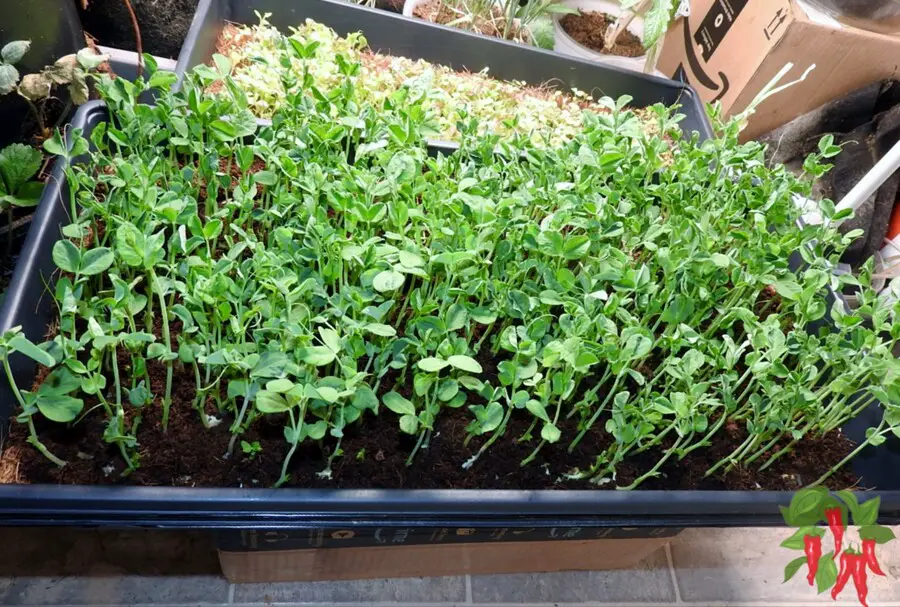
If you’ve ever wanted to grow something edible indoors but your “garden space” is basically a windowsill and a corner of countertop, microgreens are the cheat code.
This hub, Microgreens for Apartments: What Actually Works in Small Spaces, is built for real apartment life: limited light, limited room, and zero patience for mess.
You’ll learn which setups actually fit, which greens are easiest, and how to avoid the classic apartment problems (mold, gnats, and soggy trays).
What You’ll Learn
- Which microgreen setups work best in apartments without taking over your kitchen
- The easiest microgreens to grow in small spaces (and which ones frustrate beginners)
- How to get enough light without a big grow rack
- How to water without creating a mess (or mold)
- Simple troubleshooting for leggy trays, slow growth, and mildew
Why Microgreens Are a Perfect Apartment Crop
A lot of “grow food indoors” advice assumes you’ve got room for big pots, drainage trays, and a full lighting setup. Microgreens don’t ask for any of that.
- Fast turnaround: Most harvest in 7–14 days, so you’re not babysitting a crop for months.
- Small footprint: Shallow trays fit on a counter, shelf, or a slim cart.
- Low commitment: If a tray goes wrong, you reset quickly instead of feeling stuck.
- Big flavor: Even one tray can level up salads, sandwiches, eggs, and soups.
The Apartment Reality Check: What Usually Goes Wrong
Microgreens are simple, but apartments create a few predictable failure points. If you know them upfront, you avoid the “why is this fuzzy?” moment.
Common apartment problems
- Not enough light: Leads to leggy, weak growth that flops over.
- Too much moisture: Mold shows up fast in still air and humid rooms.
- Messy watering: Overhead misting + no airflow can turn trays swampy.
- Overcrowding: Cramming too many trays into one spot blocks airflow and light.
The good news: every one of these problems has a small-space fix. You don’t need more space — you need a cleaner routine.
Small-Space Setups That Actually Work
This is the part most guides skip: the “fits in a normal apartment” setup options. Pick one that matches your space and your tolerance for gear.
Setup #1: The Countertop Window Setup
Best for: Bright south- or west-facing windows, minimal gear, one or two trays at a time.
- 1–2 shallow trays
- Drainage-friendly container or a boot tray underneath
- Bottom watering (less mess than spraying)
Setup #2: The Shelf + Small Grow Light Setup
Best for: Apartments with mediocre windows, anyone who wants reliable results year-round.
- One sturdy shelf (even a narrow one works)
- A small LED grow light bar or panel
- A timer so you’re not thinking about it daily
Setup #3: The Stack-and-Unstack Setup
Best for: Tight kitchens where you want trays out of the way during germination.
-
- Stack trays for the first 2–4 days to germinate
- Unstack once they sprout and move under light
- Use gentle weight only (not crushing pressure)
If you want a complete breakdown of sowing, stacking, harvesting, and long-term care beyond apartment constraints, visit our Microgreens Guide: Indoor Growing Guide. It walks through the full growing process step by step.
Trays, Medium, and Seeds: What to Use (Without Overthinking It)
Microgreens get complicated when people try to optimize every detail. In a small apartment, the best setup is the one you’ll actually repeat.
Tray size: start small and scale up
-
-
- Half trays: Great for tiny counters and testing new seeds.
- 10×20 trays: The most common size and easiest to find accessories for.
- With holes vs no holes: Holes make drainage easier; no holes make bottom watering simpler. Both work if your routine is clean.
-
Growing medium: pick the least messy option you’ll stick with
-
-
- Coconut coir: Lightweight, clean, and apartment-friendly.
- Seed-starting mix: Works well but can be messier indoors.
- Grow mats: Low mess and fast, but they dry out quickly if you forget watering.
-
Seeds that are easiest in apartments
If you want fast success, start with forgiving seeds that don’t demand perfect light and airflow.
-
-
- Radish: Fast, sturdy, and beginner-proof.
- Broccoli: Reliable and mild-flavored.
- Kale: Consistent growth and easy harvesting.
- Mustard: Quick, spicy, and grows well in moderate light.
-
Seeds that can be trickier in small spaces
-
-
- Cilantro: Slower and fussier, not ideal for your first few trays.
- Basil: Can be sensitive to cold windows and inconsistent moisture.
- Amaranth: Beautiful but more prone to mold if airflow is weak.
-
Light in Apartments: What’s “Enough” and What’s Not
Microgreens don’t need blazing sun, but they do need consistent light. Most apartment failures come from “bright room” lighting that’s not actually bright enough.
Easy light rules that work
-
-
- If they stretch tall and fall over, you need more light.
- If they grow slowly and look pale, you need stronger light or longer light time.
- If one side leans hard, rotate the tray daily.
-
Next: If your windows aren’t great, a small grow light is less about being fancy and more about being consistent. It turns microgreens from “sometimes” into “every time.”
Watering Without the Mess (Best Apartment Method)
If you only change one thing from most beginner guides, make it this: bottom water once your greens are up. It keeps leaves drier and reduces mold risk.
Simple watering routine
-
-
- During germination: Keep medium evenly moist (not soggy). A light mist can help.
- After sprouting: Pour water into the bottom tray and let it wick up for 10–20 minutes.
- Drain extra: Don’t let trays sit in standing water all day.
-
How to tell you’re overwatering
-
-
- Medium smells sour or swampy
- White fuzz/mold appears near the base
- Greens look limp even though the tray is wet
-
Airflow: The Mold Prevention Nobody Wants to Talk About
Apartments are often still-air environments. If your kitchen is humid or you’re growing in a tight corner, airflow matters as much as light.
-
-
- Give trays breathing room (don’t pack them wall-to-wall).
- If your space runs humid, use a small fan on low nearby (not blasting the tray).
- Harvest on time — overgrown trays trap moisture.
-
Apartment Harvesting: When to Cut and How to Keep It Clean
Microgreens are at their best when they’re young, crisp, and clean. In apartments, harvesting on time also keeps problems like mold from showing up late in the cycle.
When to harvest
-
-
- Most microgreens are ready when they’re 2–4 inches tall.
- Harvest after the first true leaves start to show (varies by seed).
- If the tray looks dense and humid, harvest sooner rather than later.
-
How to harvest (cleanest method indoors)
-
-
- Use clean scissors.
- Cut just above the growing medium.
- Harvest into a bowl lined with a paper towel to reduce moisture buildup.
-
Microgreens Troubleshooting for Small Spaces
Problem: Leggy, floppy microgreens
Cause: Not enough light or light too far away.
Fix: Move closer to a brighter window or add a small grow light. Rotate trays daily.
Problem: Mold or white fuzz
Cause: Too much moisture + low airflow.
Fix: Bottom water, reduce saturation, increase airflow, and avoid overcrowding trays.
Problem: Slow growth
Cause: Low light, cool temperatures near windows, or old seed.
Fix: Add consistent light, keep trays away from cold drafts, and test seed freshness.
Problem: Fungus gnats
Cause: Constantly wet medium indoors.
Fix: Let the surface dry slightly between waterings, bottom water, and keep the area clean.
A Simple Weekly Rhythm That Fits Apartment Life
If you want microgreens to feel effortless (instead of like a tiny farm operation), stick to a repeatable rhythm.
-
-
- Day 1: Sow one tray
- Days 2–4: Germinate (stacked or covered)
- Days 5–10: Light + bottom watering
- Days 7–14: Harvest, clean, reset
-
Up next: Once you get one tray working, scaling is easy. Add a second tray only after your routine feels smooth.
Stagger your sowing by a few days so you’re not harvesting everything at once. One tray growing, one tray germinating, one tray ready to cut — that rhythm keeps fresh greens coming without turning your kitchen into a production line.
The goal in an apartment isn’t maximum output. It’s a consistent output that fits your space and your schedule.
Small Space Gardening for Apartments Made Easy
FAQ: Microgreens for Apartments
How much space do I need to grow microgreens in an apartment?
A single tray can fit on a small countertop section, a narrow shelf, or a rolling cart. Most people do fine starting with one half tray or one 10×20 tray.
Can I grow microgreens on a windowsill without a grow light?
Yes, if you have a bright south- or west-facing window and can rotate the tray. If your greens stretch or flop, light is the limiting factor and a small grow light helps a lot.
What are the easiest microgreens for beginners in small spaces?
Radish, broccoli, kale, and mustard are usually the easiest to grow indoors because they sprout reliably and don’t demand perfect conditions.
Why do my microgreens get mold in an apartment?
Mold is almost always a moisture + airflow problem. Bottom watering, avoiding soggy medium, and giving trays breathing room usually fixes it fast.
How often should I water microgreens indoors?
Water just enough to keep the medium evenly moist. After sprouting, bottom water and drain extra so trays don’t sit in standing water.
Is “Microgreens for Apartments: What Actually Works in Small Spaces” a good starting point if I have low light?
Yes. If your light is low, the simplest upgrade is a small LED grow light on a timer. That keeps the setup compact while making results consistent.