
This post may contain affiliate links. If you buy something from one of our links we may earn a commission. Thanks
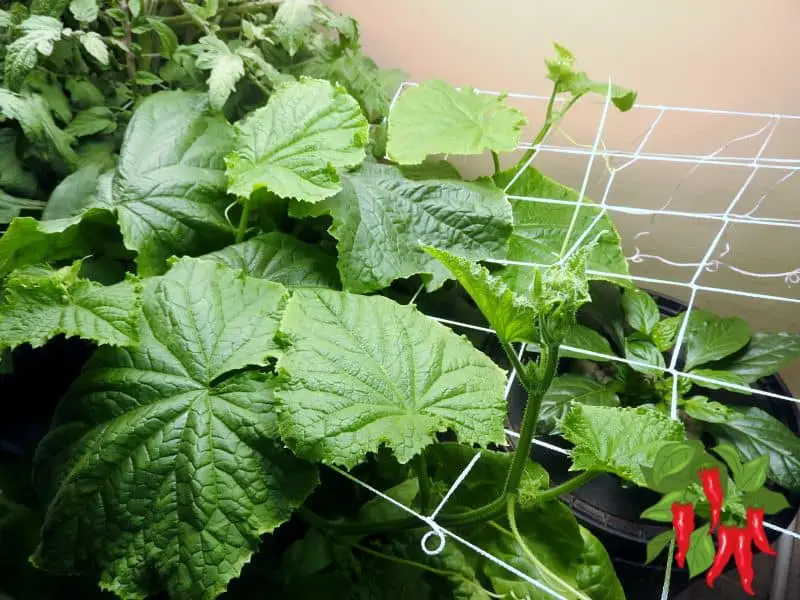
Grow Hydroponic Cucumbers Indoors All Year
🥒Discover how easy it is to grow hydroponic cucumbers indoors and enjoy fresh, crisp harvests any time of year.
Perfect for beginners and small indoor spaces. If you’ve ever wished you could pick crisp, homegrown cucumbers in the middle of winter, growing hydroponic cucumbers indoors might be your new favorite project.
Once you see how fast they grow and how clean the whole process is—no soil, no mess—you’ll wonder why you didn’t try it sooner.
With a simple hydroponic system, a trellis, and a bit of light, you can harvest crunchy cucumbers right from your living room, spare room, or indoor grow corner. Let’s walk through how to do it step by step, even if you’re brand new to hydroponics.
What You’ll Learn 🌱
- Why cucumbers actually do great in indoor hydroponic systems
- Which cucumber types work best indoors (and which to skip)
- The pros and cons of DWC, Kratky, Rockwool, and other systems
- How to start cucumber seeds for hydroponics the easy way
- How to set up lights, trellises, and nutrients for fast growth
- Simple hand-pollination techniques for reliable harvests
- Common problems (yellow leaves, poor fruit set, bitter cucumbers) and how to fix them
Why Grow Hydroponic Cucumbers Indoors?
Hydroponic cucumbers love the stable environment you can give them indoors. Instead of dealing with cold snaps, heat waves, and soil-borne diseases, your plants enjoy steady warmth, consistent nutrients, and clean roots. Hydroponics replaces soil with nutrient-rich water, so everything the plant needs is delivered directly to the root zone.
Growing indoors also lets you:
- Extend the season and harvest cucumbers when outdoor gardens are shut down 🥒
- Use vertical trellises to grow more food in less space
- Keep leaves cleaner and fruit blemish-free
- Control pests and humidity instead of fighting the weather
If you want to compare this approach with traditional gardening, here’s a deeper look at whether hydroponics is better than soil.
Hydroponic Cucumbers Key Takeaways 🥒
- Indoor hydroponics speeds up growth—many varieties fruit faster than in soil.
- No soil means fewer pests and diseases, making cucumbers much easier to maintain indoors.
- DWC and top-feed systems are ideal for beginners and give consistent, heavy yields.
- Hand pollination is simple—a soft brush or even gentle shaking is often enough.
- Bush and parthenocarpic varieties stay compact and are perfect for small spaces with vertical trellising.
Best Cucumber Varieties for Indoor Hydroponics
You can grow almost any cucumber hydroponically, but some types behave much better indoors than others. When you’re choosing seeds, look for:
- Bush or compact varieties – These naturally shorter plants are easier to trellis in small spaces.
- Greenhouse or parthenocarpic varieties – These are bred for indoor or greenhouse conditions and often produce seedless fruit without pollination.
- “Container” or “patio” types – Any cucumber that’s labeled as good for pots usually does well in hydroponic buckets or tubs.
Bush-types work especially well in Deep Water Culture (DWC) or top-feed systems because they don’t try to take over the whole room.
Greenhouse cucumbers are ideal if you want longer, seedless fruit and less fuss about pollination.
Best Hydroponic Systems for Cucumbers Indoors
Cucumbers are versatile and can grow in almost any hydroponic system. Here are the most common setups you can use indoors:
- Deep Water Culture (DWC) – Plants sit in net pots above a well-aerated nutrient reservoir. Great for beginners and very forgiving.
- Top-feed drip with Rockwool or coco – Nutrient solution is dripped over a block or slab or pot of coco coir. Excellent root support and strong yields.
- Flood and drain (ebb and flow) – A tray periodically fills and drains, feeding plants in media like hydroton.
- Nutrient Film Technique (NFT) – A shallow film of nutrient solution flows through channels. Works well, but cucumbers can get root-heavy.
- Kratky method – A passive, non-circulating system. It can work with very large containers (trash cans or barrels), but those are often too bulky for typical indoor rooms.
If you want a simple, low-maintenance starting point, DWC is hard to beat. I’ve grown DWC cucumbers indoors with great success using only air stones, a reservoir, and a basic trellis.
Light, Temperature, and Space Requirements
Cucumbers are warm-season crops, so give them the cozy conditions they love:
- Light: Aim for 12–16 hours of bright light per day under LED grow lights. A sunny window alone is rarely enough for strong fruiting.
- Temperature: Keep the room around 68–75°F if you can. Cooler temperatures slow growth; very hot rooms can reduce fruit quality.
- Humidity: Moderate humidity (40–60%) works well indoors. Higher humidity can invite mildew if airflow is poor.
- Space: Even bush types like a trellis or support line. Plan on at least a 5–6 foot tall support to keep vines off the floor.
Good airflow from a small oscillating fan helps keep leaves dry and sturdy, which also reduces disease issues.
Step-by-Step: How to Grow Hydroponic Cucumbers Indoors (DWC Example)
Here’s a simple Deep Water Culture (DWC) method you can follow, even as a first-time grower.
Step 1: Choose Your Variety and System
- Pick a bush or greenhouse cucumber variety suited to containers.
- Set up a DWC reservoir with a lid, net pots, and air stones.
- Use clay pebbles (hydroton) or similar inert media in your net pots.
Step 2: Start Your Cucumber Seeds
Cucumber seeds are larger than many vegetable seeds and sprout quickly—often within a week.
- Dampen a paper towel and lay your seeds on half of it.
- Fold the towel over the seeds and place it in a small plastic container with a lid.
- Keep it somewhere warm (room temperature or slightly warmer). It doesn’t have to be dark.
- Check after 3–4 days. Once you see a white root “tail” emerge, they’re ready.
- Transfer sprouted seeds into pre-soaked Rockwool cubes or rapid rooter plugs.
Step 3: Transplant Into Your DWC System
- Wait until roots are visible coming out of the bottom or sides of the cube/plug.
- Place the cube into a net pot and surround it with rinsed hydroton.
- Fill your reservoir with water and mix in hydroponic nutrients according to the label.
- The nutrient solution should just touch the bottom of the net pots so roots can find it easily.
Step 4: Set Up Nutrients, pH, and Aeration
- Use a complete hydroponic nutrient designed for vegetables.
- Keep airstones running 24/7 to oxygenate the root zone.
- Monitor pH and try to keep your nutrient solution in the typical hydroponic range (often around 5.5–6.5, depending on the brand instructions).
- Top off the reservoir with fresh water as the plants drink and adjust nutrients as needed.
For a closer look at nutrients I’ve used, check out my TPS nutrients review.
Step 5: Train Vines and Add a Trellis
- Install a trellis, vertical line, or netting above the reservoir.
- Gently guide the main stem upward as it grows, tying it loosely with soft plant ties or clips.
- Remove only minimal foliage—cucumbers rely on their leaf area for good yields.
Step 6: Hand-Pollinate and Harvest
- In a closed room, you can’t count on bees, so hand pollination is your friend.
- Use a small, soft paintbrush or makeup brush to transfer pollen from male flowers to female flowers (the ones with tiny baby cucumbers behind them).
- Some greenhouse varieties don’t need pollination—check your seed packet.
- Harvest cucumbers while they’re still firm and green. Leaving them on the vine too long can lead to big seeds and tired plants.
Common Problems and Easy Fixes
Yellowing Leaves
Yellow leaves can be caused by low light, nutrient imbalance, or overwatering in non-DWC systems. Check your lighting first, then review your nutrient mix and pH.
Poor Fruit Set
If you’re seeing flowers but no cucumbers, pollination is usually the issue. Be more deliberate with your hand-pollination or consider parthenocarpic (self-fruitful) varieties for indoor growing.
Bitter Cucumbers
Bitterness is often a sign of stress—too much heat, inconsistent watering (in non-recirculating systems), or letting fruit grow too large. Harvest earlier and keep conditions as steady as you can.
Root Problems
Brown, smelly roots need attention fast. Check aeration, water temperature, and cleanliness. Cool, well-oxygenated solution and clean equipment go a long way toward preventing root rot.
Hydroponic Cucumber FAQs
Can you grow cucumbers indoors hydroponically?
Yes, cucumbers grow very well hydroponically indoors. In fact, many growers get better results inside because temperature, nutrients, and pests are easier to control than in a backyard garden.
How long do hydroponic cucumbers take to grow?
Most indoor hydroponic cucumbers are ready to harvest in about 50–60 days from sowing, though it varies by variety and growing conditions. Regular harvesting keeps your plants producing.
Which hydroponic system is best for cucumbers?
Deep Water Culture (DWC) is one of the easiest systems for beginners. It provides constant moisture, oxygen, and nutrients to the roots. Flood-and-drain, NFT, and top-feed Rockwool systems also work very well once you’re comfortable with hydroponics.
Do I have to hand-pollinate hydroponic cucumbers indoors?
If you’re growing standard cucumbers indoors, yes—plan on hand pollination. A soft brush or gentle shaking of the plant can transfer pollen. If you prefer to skip this step, look for greenhouse or parthenocarpic varieties bred to fruit without pollination.
Are hydroponic cucumbers healthy?
Hydroponic cucumbers are just as healthy and nutritious as those grown in soil—and sometimes better. As long as you provide a balanced nutrient solution, your plants won’t suffer from the deficiencies that can happen in poor garden soil.
Are hydroponic cucumbers seedless?
Most cucumbers will still have small, soft seeds that you barely notice when eaten fresh. If you want truly seedless fruit, choose greenhouse or English cucumber varieties labeled as seedless or parthenocarpic.
Can you grow cucumbers just in water?
You can grow cucumbers in water as long as you add nutrients and oxygen. That’s basically what DWC is: nutrient-rich water plus air stones to keep roots healthy. The Kratky method skips air stones but requires a large container and careful setup.
Hydroponic Cucumbers Conclusion
Growing hydroponic cucumbers indoors is a fun, productive way to bring a little greenhouse magic into your home. With a simple DWC setup, a basic trellis, and a good light, you can grow more cucumbers in a small corner than you might expect.
Once you get comfortable with seed starting, trellising, and hand pollination, the process becomes routine—and your harvests just keep coming. Whether you’re trying to eat more fresh veggies, make your own pickles, or just enjoy the challenge of indoor gardening, hydroponic cucumbers are a rewarding next step.
References & Further Reading (.edu)
- University of Minnesota Extension – Small-Scale Hydroponics
- Oklahoma State University Extension – Hydroponics
- University of Florida IFAS Extension – Greenhouse Cucumber Production
- Oregon State University – Greenhouse Cucumbers and Hydroponic Culture
- University of Hawaii CTAHR – Growing Hydroponic Cucumbers in a Plastic Trash Container