
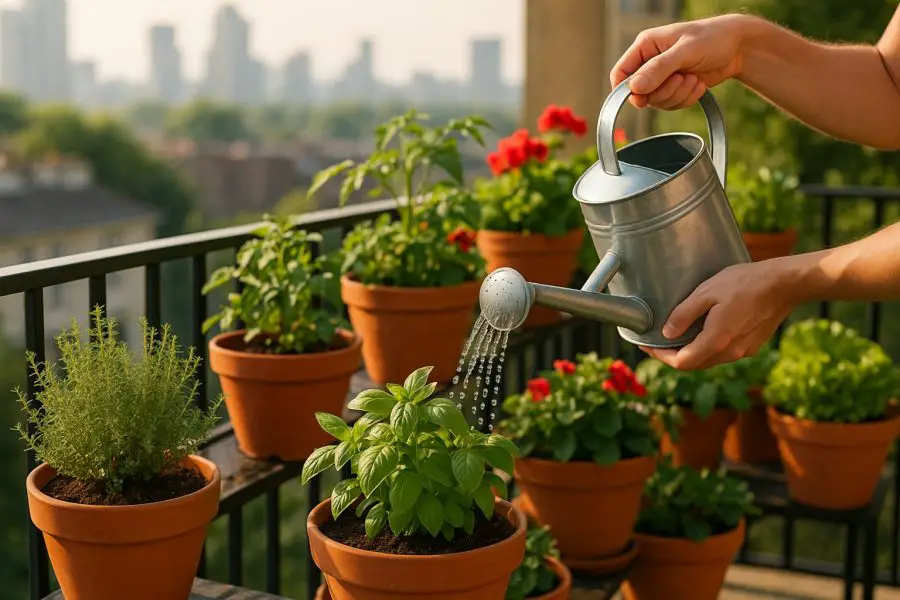
Learning how to water balcony plants is one of the biggest skills that separates struggling containers from thriving ones. Balcony gardens dry out faster than ground beds because they deal with extra heat, wind, smaller root zones, and more exposure.
That means watering is less about sticking to a strict schedule and more about understanding how your balcony behaves. Sun exposure, pot size, plant type, and even railing material can all change how quickly your soil dries.
Once you start reading the soil and paying attention to your plants, watering gets much easier. This guide will help you build a simple routine so your balcony garden stays healthy without drowning roots or letting containers dry out too far.
🌿 What You’ll Learn
- 💧 How to tell when balcony plants actually need water
- 🌞 How sun, wind, and heat change watering needs
- 🚿 The best watering methods for container plants
- 🌊 How to manage runoff and avoid overwatering
- 🏖️ Easy ways to keep plants watered during vacations or heatwaves
💦 Quick Answer
To water balcony plants properly, check the soil first instead of following a rigid schedule. Most balcony containers dry faster because of sun, wind, and heat, so water deeply when the top inch feels dry and make sure excess water drains away.
How to Water Balcony Plants Without Over or Underwatering 💧
Balcony plants live in a totally different world than garden beds. Your containers are higher up, more exposed to wind, surrounded by hot concrete and railings, and they can dry out way faster than you expect.
The good news? Once you understand how your balcony affects water use, you can set up a simple watering routine that keeps everything thriving.
In this guide, you’ll learn how to read your plants, your soil, and your space so you always know when it’s time to grab the watering can—and when to skip it.
What You’ll Learn 💦
- 🌱 How to tell exactly when your balcony plants need water.
- 💧 Simple watering routines that prevent both under- and overwatering.
- 🌤️ How sun, wind, and container type change your watering schedule.
- 🚿 Easy ways to manage runoff so you don’t annoy neighbors below.
- 🏖️ How to keep balcony plants watered during heatwaves or vacations.
🌞 How Balcony Conditions Affect Watering
Balconies create little “microclimates.” Two apartments in the same building can have completely different watering needs depending on direction, height, and how exposed the railing and floor are. Understanding this is the first step to mastering how to water balcony plants.
☀️ Sun Exposure
- 🌤️ South- and west-facing balconies usually get the hottest, harshest sun. Containers dry out fast and may need watering almost daily in summer.
- 🌥️ North- and east-facing balconies tend to be cooler and shadier. Soil dries more slowly, so watering is less frequent.
- 🏢 Light reflecting off walls or windows can “double up” heat and light on certain spots, drying those pots faster than others.
🍃 Wind and Airflow
- 💨 Wind whisks away moisture from soil and leaves, so windy balconies often need more frequent watering.
- 🧱 Pots tucked behind a wall or screen may stay damp longer than those right at the rail.
- 🌿 Tall plants can act like windbreaks, sheltering smaller herbs or flowers behind them.
🪴 Container Type & Material
- 🏺 Terracotta and unglazed clay breathe and wick moisture—great for plants that hate wet feet, but they dry out quickly.
- 🪹 Plastic and glazed ceramic hold moisture longer, which can be helpful on hot, windy balconies.
- 📏 Small pots dry out fast because there’s less soil volume. Large containers hold moisture longer and buffer roots from sudden swings.
🌡️ Heat From Railings and Floors
- 🔥 Concrete, metal railings, and dark floors soak up heat and radiate it back into your pots.
- ☀️ Pots sitting directly on hot concrete can get “cooked” from below, drying the soil faster.
- 🧱 Using pot feet, stands, or a simple outdoor mat can keep containers cooler and reduce how often you need to water.
💦 How to Know When Balcony Plants Need Water
Instead of watering on a rigid schedule, learn to “read” your soil and plants. This keeps you from swinging between bone-dry and swampy.
👆 The Finger Test
- 🌱 Press your finger 1–2 inches into the soil.
- 💧 For most herbs, flowers, and vegetables, water when the top inch feels dry.
- 🌿 Some drought-tolerant plants (like many succulents) prefer the top couple of inches dry before you water again.
🪴 The Weight Test
- 📦 Lift one side of the pot after watering and notice how heavy it feels.
- 🪫 As soil dries, the container gets noticeably lighter.
- 🎯 With a little practice, you’ll know if a pot needs water just by lifting it.
🔍 Visual Plant Signals
- 🥀 Underwatered: leaves droop, feel limp, and may look dull or dusty; edges can get crispy.
- 🟡 Overwatered: leaves yellow from the bottom up, the plant looks soggy or wilted even though the soil feels wet.
- 🍂 Repeated drying and soaking: brown tips, leaf drop, and slow growth.
🚿 How Often Should You Water Balcony Plants?
There’s no one-size-fits-all schedule, but you can use these ranges as a starting point and adjust based on your space.
🌦️ General Frequency Guidelines
- ☀️ Hot, full-sun balconies: Water once a day, and during heatwaves sometimes twice a day for small pots.
- 🌤️ Part-sun / part-shade: Every 2–3 days is common.
- 🌥️ Shady or protected areas: Every 3–5 days, sometimes longer in big containers.
Rather than following a strict calendar, use these ranges plus the finger and weight tests. Your plants will tell you what’s right.
🗓️ Seasonal Adjustments
- 🌸 Spring: Cooler temps and smaller plants mean less water. Check every couple of days.
- ☀️ Summer: Growth and heat peak. Expect your most frequent watering here.
- 🍂 Fall: As nights cool and growth slows, gradually reduce watering.
- ❄️ Winter (mild climates): If you keep hardy plants outside, water only when soil is dry and temperatures are above freezing.
🌧️ Why Rain Often Doesn’t Count
- 🏢 Balcony overhangs and railings often block rainfall entirely.
- 💦 Light rain may wet leaves but barely penetrate the potting mix.
- 👀 After a storm, still check the soil. Don’t assume your containers got enough water.
🌊 The Best Ways to Water Balcony Plants
How you water matters just as much as how often. The goal is deep, even moisture—not a quick sprinkle on the surface.
🫗 Top-Down Watering With a Can or Wand
- 🎯 Aim the spout at the soil, not the foliage, to reduce disease risk.
- 💦 Water slowly until you see water run out of the drainage holes.
- ⏳ Give the soil a moment, then add a bit more to ensure the entire root zone is moist.
🪣 Bottom Watering (Great for Smaller Pots)
- 🧺 Set smaller pots in a tray or tub with a few inches of water.
- 🫧 Let them wick moisture up through the drainage holes for 20–30 minutes.
- 🚫 Remove pots and let excess drain—don’t leave them sitting in water long-term.
💦 Micro-Irrigation and Drip Kits
- 🌿 Small drip systems or micro-tubing can deliver slow, even water to each pot.
- 🕒 They’re handy if your balcony is packed or if you struggle to water consistently.
- 🔧 Look for kits designed for container gardens and adjustable drippers so you can give thirstier plants more water.
🪴 Self-Watering Planters for Low-Stress Watering
Self-watering planters are perfect for busy balcony gardeners or anyone who forgets a watering day now and then.
Instead of soaking the soil from the top, you fill a reservoir at the bottom and the potting mix wicks up exactly what the roots need.
- 💧 The reservoir holds extra water so plants stay hydrated between refills.
- 🌱 Roots grow down toward the moisture, creating a strong, deep root system.
- 🕒 You refill less often—especially helpful in hot, windy balcony conditions.
- 🚿 Because water comes from below, the soil surface stays drier, which can reduce fungus gnats and algae.
Just remember to use a light, wicking potting mix and check the reservoir regularly, especially during heatwaves when plants drink more than usual.
🚫 How to Avoid Overwatering on a Balcony
Overwatering is one of the most common reasons balcony plants fail. Containers are small, so there’s less margin for soggy soil.
🕳️ Always Use Pots With Drainage
- 🪴 Make sure every container has drainage holes—no exceptions.
- 🧩 Add pot feet or small blocks under containers so water can freely escape.
- 🚿 Empty saucers after heavy watering so roots aren’t stuck in standing water.
🌱 Choose Well-Draining Potting Mix
- 🧱 Use a quality potting mix, not garden soil, which is too dense for containers.
- 🪵 Add perlite, pumice, or coarse bark to improve drainage if your mix feels heavy.
- 🌿 For thirsty plants on hot balconies, you can blend in some coco coir or compost to help hold moisture while still draining well.
🗓️ Let Soil Partially Dry Between Waterings
- ⏳ Most balcony herbs, veggies, and flowers prefer a slight dry-out between waterings rather than constantly wet soil.
- 👆 Use the finger test; if it still feels moist an inch down, wait another day and check again.
- 📉 If you see algae or a sour smell, cut back—those are signs of chronic overwatering.
🌧️ Managing Runoff on a Balcony
Runoff matters more in balcony gardening than almost anywhere else. You’re sharing a building, so you don’t want to rain on your neighbors—literally.
💦 Use Saucers and Trays Wisely
- 🪵 Place saucers under pots to catch extra water, especially above walkways or balconies below.
- 🧽 After watering, dump any standing water from the saucer once the pot has finished draining.
- 🌱 Consider trays filled with gravel or decorative stones to catch runoff while keeping containers elevated.
🧼 Water Slowly to Avoid Flooding
- ⏱️ Pour slowly, letting water soak in instead of pouring one big gush.
- 🔍 If water spills off the side of the container, pause and let the soil catch up.
- 🕳️ Check that drainage holes aren’t blocked by compacted soil or roots.
🌼 Create a “Watering Zone”
- 🧺 Group your thirstiest plants together over a mat or tray designed to catch drips.
- 🌿 Place this group away from railings to reduce the chance of runoff going over the edge.
🏖️ Keeping Balcony Plants Watered While You’re Away
You don’t need to cancel trips just because you have a balcony jungle. A few simple tricks can keep plants happy while you’re gone.
💧 Self-Watering Options
- 🪴 Self-watering containers: Built-in reservoirs let roots sip water as needed.
- 🧵 Capillary wicks: A cotton rope from a water jug into the pot keeps soil damp.
- 🫙 Water spikes, water globes or bottles: Slow-release spikes attached to bottles can drip water into the soil over several days.

🌥️ Reduce Sun and Wind Stress
- 🚚 Move containers slightly back from the railing where they get bright but indirect light.
- 🪟 Use shade cloth or place tall plants in front of smaller ones to soften intense afternoon sun.
- 🍃 Shield plants from strong wind that would dry them out faster.
🫗 Deep Water Before You Leave
- 💦 Water each container thoroughly until water drains from the bottom.
- 🧺 Top with a thin layer of mulch (shredded bark, straw, or even dried leaves) to slow evaporation.
- 🗓️ For trips longer than a week in hot weather, combine deep watering with self-watering systems or a plant-sitter if possible.
🔧 Helpful Tools and Accessories
🪣 Watering Cans and Wands

- 🎯 A narrow-spout watering can or a small watering wand gives better control in tight balcony spaces.
- 🧺 Look for something light and easy to carry, especially if you haul water from indoors.
📊 Moisture Meters
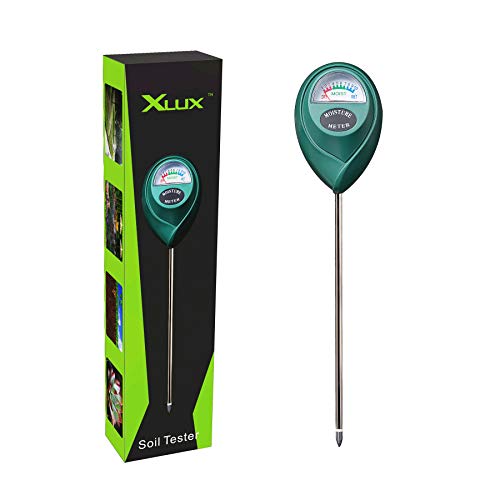
- 🔍 Basic moisture meters can help you learn how damp the root zone really is.
- 🧠 Use them alongside the finger and weight tests until you build confidence.
🫙 Self-Watering Planters and Inserts

- 💧 Great for busy schedules or forgetful waterers.
- 🌿 Especially helpful for thirsty crops like tomatoes or peppers on hot balconies.
🍂 Mulch for Containers

- 🌾 Add a 1–2 inch layer of mulch on top of the soil to reduce evaporation.
- 🍃 Lightweight options like shredded bark, straw, or coco husk chips work well in pots.
❌ Common Watering Mistakes Balcony Gardeners Make
- 💧 Watering on a rigid schedule instead of checking soil moisture first.
- 🔥 Watering in the middle of a hot afternoon when more evaporates before it reaches the roots.
- 🌪️ Ignoring how much wind your balcony gets and underestimating how fast pots dry out.
- 🪵 Using saucers but leaving them full of water for days.
- 🧱 Filling containers with heavy garden soil that stays soggy and suffocates roots.
🧭 Simple Balcony Watering Routine
🌅 Morning Check-In (Daily or Every Other Day)
- 👆 Check the top inch of soil in several pots.
- 🪴 Lift a couple of containers to gauge weight.
- 💦 Water any pots that feel dry until water drains from the bottom.
- 🚿 Pour slowly and evenly; dump excess water from saucers after draining.
📆 Weekly Maintenance
- 🧼 Rinse trays and saucers to prevent algae and mosquito issues.
- 🌿 Check for compacted soil and gently loosen the top layer if it’s crusty.
- 🍂 Top up mulch where it has broken down or blown away.
- 🧪 Adjust your watering frequency if plants look stressed—droopy, yellowing, or crispy.
💬 FAQ: How to Water Balcony Plants
How often should I water balcony plants?
Most balcony plants need water every one to four days depending on heat, wind, pot size, and plant type. Always check soil first.
What is the best time to water balcony plants?
Morning is usually best because plants can absorb water before the heat of the day increases evaporation.
How do I know if I am overwatering?
Yellow leaves, soggy soil, algae, and a sour smell are common signs of overwatering. Let the soil dry slightly before watering again.
Do balcony plants need water every day in summer?
Sometimes yes, especially on hot, sunny, windy balconies. Small pots may even need water twice a day during extreme heat.
Should I water if it rains?
Not always. Balcony overhangs and railings often block rain, so always check the soil instead of assuming it got enough.
How do I stop water from dripping onto neighbors?
Use saucers, trays, self-watering containers, and water slowly so the soil absorbs moisture instead of overflowing.
Are self-watering pots good for balconies?
Yes. They reduce watering stress, hold extra moisture, and help during hot weather or short trips away.
Can wind make pots dry out faster?
Absolutely. Wind removes moisture from both leaves and soil, often making watering needs much higher than expected.
🌿 Final Thoughts: Watering Balcony Plants Gets Easier Fast
At first, watering balcony plants can feel unpredictable because every balcony has its own mix of sun, wind, heat, and shade. But once you start checking the soil, watching plant signals, and learning how your containers dry out, it quickly becomes second nature.
The key is consistency, not guesswork. Water deeply, let the soil partially dry when needed, and adjust with the weather instead of forcing a schedule.
With a little practice, you’ll know exactly when your balcony plants need water—and your containers will reward you with healthier growth, stronger roots, and fewer problems all season long.
🌿 More Balcony Gardening Guides
📚 References & Further Reading
- Container gardening for small spaces – University of Minnesota Extension
- Fertilizing and watering container plants – University of Minnesota Extension
- Maintaining container-grown vegetables – University of Maryland Extension
- Container gardening – UF/IFAS Gardening Solutions
- Watering container gardens – University of Illinois Extension