
Balcony Garden Safety Guide
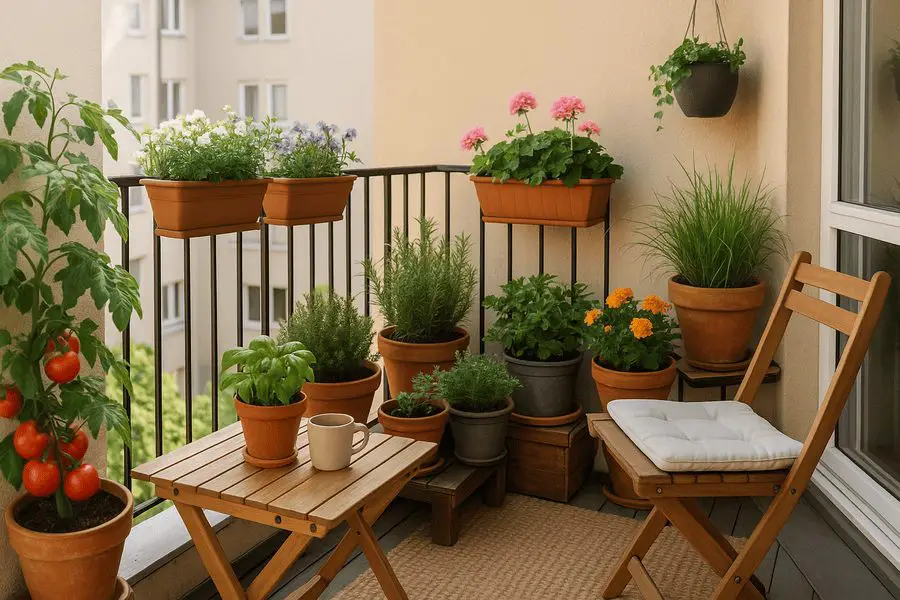
This Balcony Garden Safety Guide will help you set up a safer container garden before you start filling your balcony with pots, soil, plants, and trellises.
A balcony can be a wonderful growing space, but it also has limits. Wet soil gets heavy, water needs somewhere to drain, and wind can be much stronger once you are above ground level.
The good news is that a safe balcony garden does not have to be complicated. With lightweight containers, smart placement, careful watering, and a few regular checks, you can build a garden that feels stable, useful, and enjoyable from the start.
🌿 What You’ll Learn
- ⚖️ How to think about balcony weight before adding heavy containers
- 🪴 Which pots and soil mixes help keep your setup lighter and safer
- 💧 How to manage drainage, runoff, and water dripping below
- 🌬️ Why wind, sun, and balcony exposure change plant placement
- 🔍 Simple inspection habits that help you catch safety problems early
🛡️ Quick Answer
A safe balcony garden starts with lightweight containers, proper drainage, balanced weight distribution, and regular inspections. Before adding plants, think about how much wet soil weighs, where runoff goes, and how wind or building rules might affect your setup.
🌿 Balcony Garden Safety: Simple Rules Every Beginner Should Know

As an indoor gardener, you’re already used to working with containers and potting mixes.
A balcony garden is the next step — but now you’re adding weight, wind, water, and weather into the mix.
This guide walks you through the main safety checks so you can enjoy your plants without stressing about your balcony.
🏠 Why Balcony Safety Matters (Even for Small Gardens)
It’s easy to underestimate how heavy a few containers can get once they’re filled with wet soil and mature plants.
Add large pots, planters along the railing, maybe a small bench or chair, and suddenly your balcony is carrying a lot more than just you and a cup of coffee.
- ⚠️ Wet soil is heavy. A container that feels manageable when dry can get surprisingly heavy when fully watered.
- ⚠️ Weight is often concentrated. Clustering several large pots in one spot can put extra stress on that area.
- ⚠️ Water needs somewhere to go. Poor drainage can cause pooling, leaks, or stains for units below you.
- ⚠️ Wind and weather are stronger up high. Pots can blow over, and tall plants can act like sails.
Thinking about safety from the start means you don’t have to undo your garden later. You’ll design a balcony setup that’s beautiful, productive, and built to last.
🏗️ Step 1 – Understand Weight and Load on a Balcony
Every balcony has a limit to how much weight it can safely support. You won’t always find an exact number printed anywhere, but you can make safer choices by thinking about how you spread weight out and where you place your heaviest containers.
📐 How to Think About Balcony Load (Without Doing Math All Day)
- 🌱 Assume your balcony has limits. It was designed for people and light furniture, not solid rows of large, saturated containers.
- 🌱 Spread out heavy items. Instead of lining one side with big pots, mix large and small containers over the whole space.
- 🌱 Keep heavy pots near walls. Load-bearing walls and columns are usually stronger than unsupported outer edges.
- 🌱 Start small and build slowly. Add containers over time instead of loading everything on day one.
📞 When to Ask for Professional Guidance
- 🧱 Your building is older or shows signs of wear.
- 🧱 You plan to use very large planters, raised beds, or multiple big containers.
- 🧱 You’re unsure about cracks, rust, or sagging areas.
In those cases, it’s always better to check with your landlord, HOA, or building manager.
If they aren’t sure, they may recommend a structural professional. It’s not overkill — it’s protecting your home and everyone living around you.
🪴 Step 2 – Choose Lighter Containers and Potting Mixes
One of the easiest safety wins is to keep each container as light as possible while still giving your plants what they need. As an indoor gardener, you’re already familiar with potting mix, so this step may feel very natural.
✨ Tip: Coco coir and perlite mixes are lighter than potting mix and more sustainable. If you’re using coco coir, you can decrease your pot size by 25 – 40% too.
🧺 Safer Container Choices for Balconies
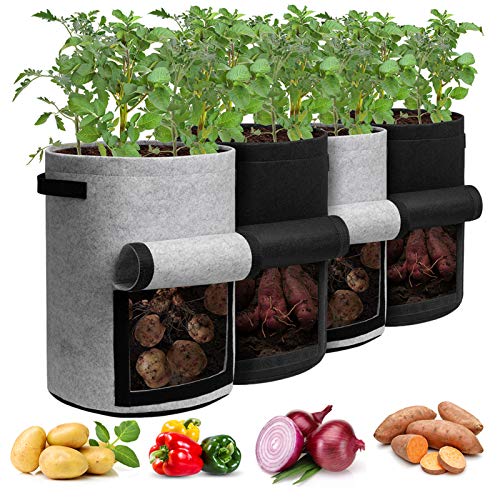
- 🌿 Use lightweight materials. Look for plastic, resin, fiberglass, or fabric grow bags instead of heavy clay or solid ceramic.
- 🌿 Pick appropriate sizes. Bigger isn’t always better. Use the smallest container that still supports a healthy root system.
- 🌿 Mix up container types. Combine a few larger planters with smaller pots, railing boxes, and hanging baskets to avoid concentrating too much weight in a few huge containers.
- 🌿 Think about mobility. Containers on plant caddies with wheels may be easier to move if you need to adjust weight or exposure.
✨ Tip: Consider using fabric pots to save weight and your roots will thank you for better aeration
🌱 Use Potting Mix, Not Garden Soil
- 💚 Always use potting mix. It’s designed for containers, drains better, and is lighter than shovel-dug garden soil.
- 💚 Consider soilless mixes. Blends with peat, coco coir, perlite, or bark are light, airy, and great for balcony containers.
- 💚 Avoid filling with rocks or bricks. It’s tempting to “save soil” by filling the bottom with heavy material, but that just adds needless weight.
If you’re used to growing indoors under lights, think of balcony containers as “outdoor houseplants” — the same potting mix rules apply, you just need to think more about wind and water.
💧 Step 3 – Manage Water, Drainage, and Runoff
Water is one of the biggest balcony safety issues. Every time you water your plants, you’re adding weight and sending that water somewhere — ideally into the soil first, then safely into a drain, not cascading onto your downstairs neighbor’s patio set.
🚿 Build a Balcony-Friendly Watering Routine
- 💦 Water deeply but thoughtfully. Aim for thorough waterings when the soil is dry an inch down, rather than constant light sprinkles.
- 💦 Use saucers and trays. Place trays under pots to catch excess water, then empty them regularly so they don’t overflow or breed mosquitoes.
- 💦 Try self-watering containers. Built-in reservoirs keep plants happy and minimize runoff.
🌊 Protect Neighbors and the Building
- 🪜 Check where water goes. Look for existing balcony drains and make sure they aren’t blocked by pots or debris.
- 🪜 Avoid directing water over the edge. Don’t aim a hose or watering can toward railings or edges where water can drip below.
- 🪜 Use mats or decking tiles. These can help distribute water and reduce puddles on smooth balcony surfaces.
Good watering habits protect your plants and your relationship with your neighbors. Nobody enjoys mystery drips from above every morning.
✨ Tip: Self-watering containers make watering easier and help eliminate drips or saucers.

🌬️ Step 4 – Plan for Wind, Sun, and Microclimate
Balconies can have their own little climate. Even in the same city, two apartments may have very different growing conditions depending on height, direction, and exposure.
🍃 Dealing with Wind
- 🌾 Expect stronger wind higher up. Upper-floor balconies catch more gusts than ground-level patios.
- 🌾 Stabilize tall containers. Use wider, heavier bases for tall plants or place them in corners and near railings where they can be staked or tied.
- 🌾 Consider windbreaks. If allowed, use lattice panels, balcony screens, or tall planters to filter wind without turning your balcony into a sail.
☀️ Sun, Shade, and Temperature Swings
- 🌞 Track sun for a few days. Note when your balcony gets direct light, how intense it feels, and where shade falls.
- 🌞 Match plants to conditions. Heat-loving veggies can go in the sunniest spots; leafy greens and herbs can tuck into partial shade.
- 🌞 Watch for reflective surfaces. Glass, metal railings, and light-colored walls can amplify heat and light. Adjust plant placement if things get too hot.
Understanding your balcony’s microclimate helps you pick the right plants and container setups, which in turn reduces stress on both plants and structure with less need for constant watering, dragging heavy pots around, or replacing wind-damaged planters.
🔍 Step 5 – Inspect Your Balcony Regularly
Even a light, well-planned balcony garden should be checked now and then.
You’re looking for early signs of wear, water damage, or movement so you can fix small issues before they become big problems.
🧰 What to Look For
- 🔎 Cracks or flaking. Check the floor and any exposed concrete for new cracks, chips, or areas where material appears to be flaking.
- 🔎 Rust and corrosion. Look at metal railings, brackets, or supports for rust, bubbling paint, or loose connections.
- 🔎 Soft spots or sagging. Notice if any section feels different underfoot, or if water always pools in the same low spot.
- 🔎 Stains or leaks. Water stains on the underside of a balcony (if visible) or on walls below may signal drainage issues.
📅 Make It a Seasonal Habit
- 🍂 Check at least once per season. A quick visual inspection in spring, summer, fall, and winter is usually enough for most balcony gardens.
- 🍂 Act on anything suspicious. If you see big cracks, serious rust, or signs of movement, scale back heavy containers and talk to building management.
These checks don’t have to be complicated. Think of them like inspecting your pots for pests — just part of your normal garden routine.
📜 Step 6 – Follow Building Rules and Local Codes
Even if your balcony can handle the weight, your building or local regulations might have rules about what you can put out there.
It’s better to know them ahead of time than to be asked to remove half your garden in midsummer.
📎 Typical Rules to Watch For
- 📌 Limits on what can hang from railings. Some buildings don’t allow hanging baskets or boxes outside the railing.
- 📌 Restrictions on tall structures. Lattices, trellises, or privacy screens might need approval.
- 📌 Guidelines on weight and number of containers. Especially in condos or older buildings.
- 📌 Fire safety rules. You may need to keep doors, windows, and escape routes fully clear.
If you’re renting or part of an HOA, read your lease or by-laws and then send a quick message or email about your plans.
Let them know you’re planning a modest, container-based balcony garden using lightweight pots and proper drainage.
Showing you’ve thought about safety usually makes the conversation easier.
❌ Common Balcony Garden Safety Mistakes (and Easy Fixes)
- 🚫 Mistake: Using heavy ceramic or stone containers filled with dense soil.
✅ Fix: Switch to lightweight pots and high-quality potting mix or soilless media. - 🚫 Mistake: Grouping all the heaviest containers in one corner.
✅ Fix: Spread large pots out and intersperse them with smaller ones. - 🚫 Mistake: Letting water run over the edge every time you water.
✅ Fix: Use saucers, self-watering planters, and a slower watering technique. - 🚫 Mistake: Ignoring strong winds on upper floors.
✅ Fix: Stabilize tall plants, use windbreaks where allowed, and avoid placing light pots on railing edges. - 🚫 Mistake: Never checking the surface, railings, or underside of your balcony.
✅ Fix: Add a simple seasonal inspection to your gardening routine.
💬 Balcony Garden Safety FAQs
Can any balcony support a garden?
Most balconies can support small container gardens, but not all can safely handle large or heavy setups. Start small and spread weight evenly.
What are the safest pots for balcony gardening?
Plastic, resin, fiberglass, and fabric pots are usually the safest because they weigh much less than clay, ceramic, or stone containers.
How do I reduce the weight of balcony planters?
Use lightweight potting mixes with coco coir and perlite, avoid rocks in the bottom of pots, and choose smaller containers where possible.
Is balcony runoff really a problem?
Yes. Water dripping onto neighbors or pooling on surfaces can cause complaints, stains, or structural wear over time. Saucers and self-watering pots help.
Can wind knock over balcony plants?
Absolutely. Tall plants and light containers can tip in strong wind. Use heavier bases, corners, or windbreaks when possible.
Should I ask my landlord before building a balcony garden?
Yes, especially if you rent. Some buildings restrict railing planters, trellises, privacy screens, or large containers.
How often should I inspect my balcony?
At least once each season. Look for cracks, rust, sagging, drainage issues, or loose railings.
Can I grow vegetables on a balcony safely?
Yes, as long as you use manageable containers, lightweight mixes, and spread out the weight instead of concentrating it in one area.
🌈Final Thoughts: Balcony Garden Safety Comes First
A balcony garden can become one of the best growing spaces you have, but safety needs to come first. Weight, drainage, wind, and building rules all shape what works in a small elevated space.
The good news is that most problems are easy to avoid with lightweight containers, smart placement, and regular checks. Once you build that foundation, the fun part starts—choosing plants and making the space your own.
Start simple, stay aware, and let your balcony garden grow naturally over time. That approach keeps both your plants and your living space safer for the long run.