
This post may contain affiliate links. If you buy something from one of our links we may earn a commission. Thanks
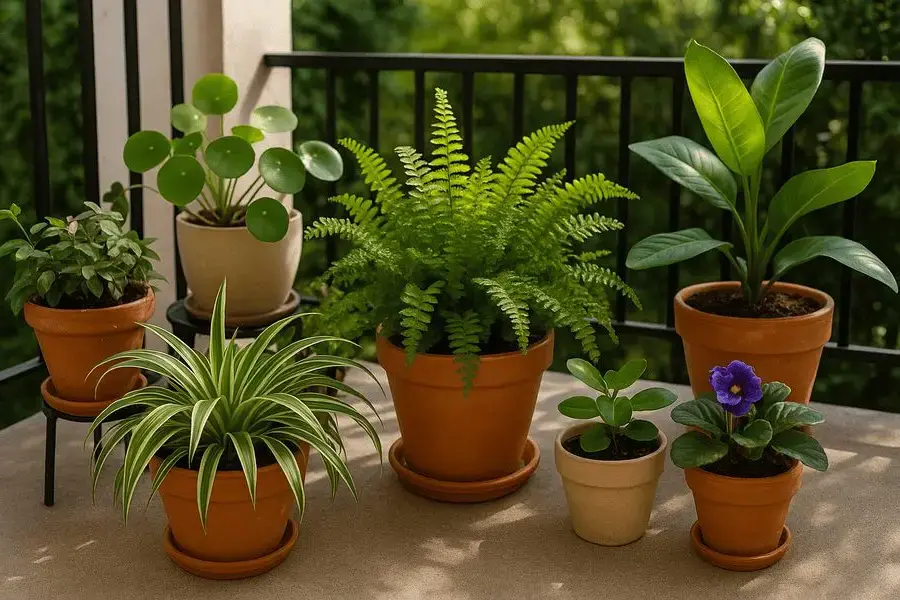
Ever find yourself standing in a store, staring at a plant, and wondering if it’s okay to bring home?
In this guide, you’ll walk through How to Tell If a Houseplant Is Safe for Pets so you can shop confidently, avoid guesswork, and keep your cats and dogs safe while still enjoying the plants you love.
How to Tell If a Houseplant Is Safe for Pets 🐾🌿
You’re standing in the plant aisle, staring at a gorgeous houseplant, and your brain is asking the same question on repeat:
“Is this plant safe for my pets… or am I about to bring home trouble?”
Most tags don’t mention toxicity at all, and a lot of popular plants look almost identical to their more dangerous cousins.
The good news is that once you learn a simple process for how to tell if a houseplant is safe for pets, you can shop with confidence instead of guessing.
In this guide, you’ll learn how to read plant tags, spot red-flag plant families, use trusted online tools like the ASPCA database and university extension sites, and what to do when you just can’t confirm if a plant is safe.
What You’ll Learn 🌱
- 🐶 How to quickly check if a plant is pet-safe before you buy it
- 🌿 How to read plant labels and tags the right way
- 📱 Which online resources you can actually trust for toxicity info
- 🚫 Common red-flag plant families many beginners don’t realize are toxic
- 🪴 Safe houseplant families that are great for pet homes
- ❓ What to do if you can’t confirm whether a plant is safe
- 📘 How to choose confident, pet-friendly alternatives every time
Why Plant Safety Feels So Confusing for Pet Parents 🤯
If you’ve ever tried to figure out if a plant is safe for cats or dogs and ended up in a rabbit hole of conflicting answers, you’re not alone. There are some very real reasons why this feels so tricky at first.
Plant tags rarely mention toxicity
Most plant labels focus on light, water, and USDA hardiness zones. Toxicity? Nowhere to be found. Some plants are sold only under marketing names (“Moonlight something,” “Neon whatever”), which makes them even harder to look up.
Many plants look almost identical
There are toxic and non-toxic “twins” that confuse beginners all the time, like:
- 🌵 Aloe vs. Haworthia (one toxic, one generally considered safe)
- 🌿 Pothos vs. some Philodendrons
- 🌸 Peace lily vs. true lilies in arrangements
- 🌱 Jade plant vs. safe rosette succulents
- 🖤 ZZ plant vs. Raven ZZ (still toxic, just darker!)
“Non-toxic” doesn’t mean “free snack bar”
When a plant is listed as non-toxic, it usually means it’s unlikely to cause serious poisoning in small amounts.
Your pet might still feel queasy if they eat half a pot of leaves or chew a whole stem.
The goal is to avoid truly high-risk plants and minimize snacking overall.
The internet doesn’t always agree
Pinterest boards and viral posts are fun for inspiration, but they’re not where you want to get medical or toxicity advice.
For plant safety, it’s better to lean on veterinary organizations and university extension sites rather than random lists.
Step-by-Step: How to Tell If a Houseplant Is Safe for Pets 🐾🪴
Instead of memorizing dozens of plant names, you can follow a simple process every time you’re tempted to buy a new plant. Use this whether you’re in a local nursery, a big box store, or shopping online.
Step 1: Find the scientific name (not just “cute” names) 🔍
Common names are all over the place. One plant might be sold as “Dragon Plant” in one store and something completely different in another. The scientific name is your best friend when it comes to checking toxicity.
How to find it:
- 🪪 Check the back of the plant tag for a Latin name (often in italics).
- 🪧 Look at shelf or bench signs that list full names.
- 🙋 Ask staff—some garden centers have very plant-savvy employees; others won’t, but it’s worth a try.
- 📱 Use a plant ID app to get a starting name if there’s no tag at all (then confirm it with other sources).
If you can’t find a scientific name anywhere and you’re not sure what the plant is, that’s your first orange flag.
Step 2: Check the ASPCA’s Toxic & Non-Toxic Plant Lists 🐶🐱
The ASPCA has one of the most respected plant toxicity databases for pets. Once you have a scientific or common name, you can:
- Go to their Toxic & Non-Toxic Plant List page.
- Search by name—start with the scientific name if you have it.
- Note whether it’s listed as toxic, non-toxic, or not listed at all.
If a plant is listed as toxic, that’s a clear sign to either leave it behind or keep it completely out of your pet’s reach.
👉 Check the ASPCA Toxic & Non-Toxic Plant Lists
Step 3: Back it up with a university extension site 🎓
If you want a second opinion, or the plant isn’t in the ASPCA database, check a few reputable .edu sources. Many extension services have pages on toxic plants and pet-safe gardening.
You can search:
- 🔎 “[scientific name] + toxicity”
- 🔎 “[common name] + pets”
- 🔎 “toxic plants pets extension”
Look for .edu sites from universities or extension programs, rather than random blogs. They often explain which part of the plant is an issue and what kinds of symptoms have been reported.
Step 4: Learn a few red-flag plant families ⚠️
Over time, it really helps to recognize some of the big families that contain a lot of toxic houseplants. You don’t need to be a botanist—you just need to know which ones deserve extra caution.
4.4.1 Araceae (the aroid family) ❌

This family includes many of the most popular modern houseplants:
- Philodendrons
- Pothos (Epipremnum)
- Peace lily (Spathiphyllum)
- Monstera deliciosa and cousins
Many aroids contain calcium oxalate crystals that can cause mouth irritation, drooling, or vomiting in pets. If you love this look, consider keeping them completely out of reach or choosing safer alternatives.
4.4.2 Euphorbia (milky-sap plants) ⚠️
This family is huge and includes many plants that look like cacti or succulents. They often have a white, milky sap that can irritate skin, eyes, and mouths.
- Pencil cactus (Euphorbia tirucalli)
- Crown of thorns (Euphorbia milii)
- Many euphorbias sold as “unique” succulents
4.4.3 Crassula (jade plant relatives) 🚫
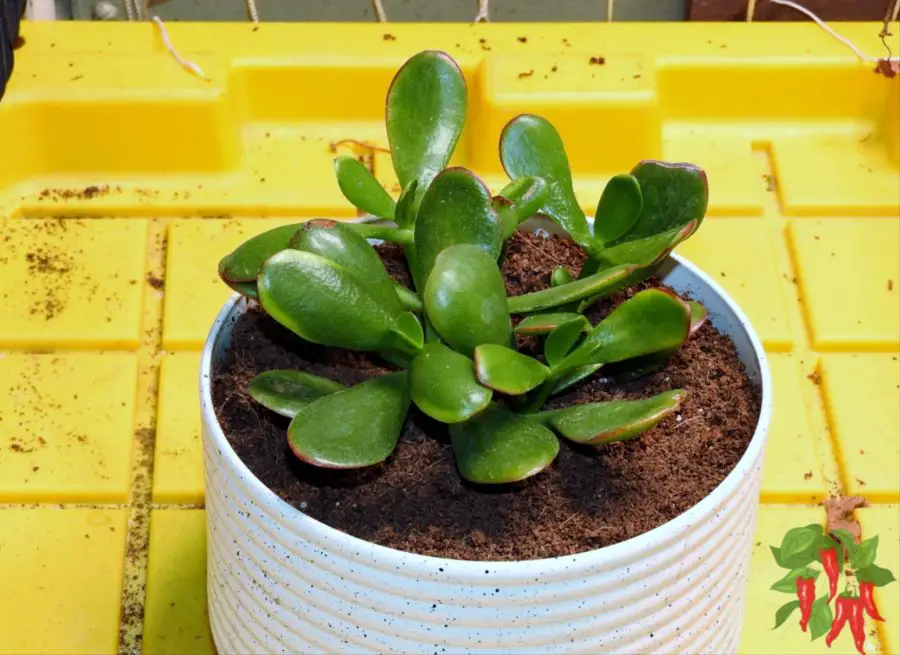
Jade plant is a classic houseplant that can cause problems for pets if ingested. If you see the name Crassula on a tag, it’s a cue to dig deeper into toxicity before you buy.
4.4.4 Aloe species (not all are safe) 🌵
Aloe vera is famous for skin care, but the plant itself is considered toxic to cats and dogs if eaten. Unfortunately, it’s often sold without any warning labels.
A good rule: treat all Aloe species with caution around chewers and choose safer lookalikes instead.
4.4.5 True lilies (extremely dangerous for cats) ⚠️
Lilies are often sold as gift plants or in mixed bouquets. Many true lilies are highly toxic to cats, even in tiny amounts. Pollen, leaves, or water from a vase can all be a problem.
If you live with cats, it’s generally safest to skip true lilies altogether.
Step 5: Know some “safe family” regulars 🌿
On the flip side, there are plant groups that are commonly listed as non-toxic to cats and dogs and tend to be great for pet households.
5.1 Peperomia 🌱

- Compact, low-growing, and come in lots of colors and textures.
- Often listed as non-toxic to pets.
5.2 Prayer plants (Calathea, Maranta) 🌿

- Gorgeous patterned foliage that moves with the light.
- Considered non-toxic to cats and dogs.
5.3 Haworthia (the “safe aloe lookalike”) 🪴

- Small rosettes that look very similar to aloe.
- Commonly listed as non-toxic, making them a great alternative.
5.4 Spider plants 🕸️

- Easy to grow and great for hanging baskets.
- Considered non-toxic, though some cats love batting and chewing the babies.
5.5 Indoor palms (parlor palm, areca palm) 🌴

- Bring a tropical feel indoors.
- Parlor palm and areca palm are commonly listed as non-toxic.
- Note: This does not include sago palm, which is extremely toxic.
Step 6: What to do when you can’t confirm safety 🤔
Sometimes, even after all your searching, you just can’t get a clear answer. The name is fuzzy, or you’re getting conflicting information.
In that case:
- 📷 Take a photo of the plant and tag, then leave it behind for now.
- 🏠 Research more at home using ASPCA and multiple .edu sources.
- 🪴 Choose a similar-looking plant you know is non-toxic instead.
- 🚫 If you do buy it, keep it in a room or high spot your pets truly can’t access.
Simple rule: If you can’t confirm a plant is safe, don’t put it where your pets can easily chew or knock it over.
Quick Visual Guide: Safe vs Unsafe Lookalikes 👀
Here’s a quick table you can skim before your next plant shopping trip. These are common “confusing pairs” that beginners often mix up.
| Looks Like… | Unsafe Plant | Safer Alternative | How to Tell Them Apart |
|---|---|---|---|
| Spiky succulent | Aloe (Aloe vera) | Haworthia | Haworthia often has bumpy or striped leaves; aloe leaves are smoother and more gel-filled. |
| Trailing vine | Pothos (Epipremnum) | Some Peperomia or Pilea varieties | Pothos leaves are usually thinner and more heart-shaped; many Peperomia leaves are thicker and more succulent-like. |
| Upright, glossy stems | ZZ Plant (Zamioculcas zamiifolia) | Cast Iron Plant (Aspidistra) | ZZ has thick, succulent stems with leaflets; cast iron plant has long, strap-like leaves that come directly from the base. |
| Chubby succulent | Jade Plant (Crassula ovata) | Sempervivum or certain Sedum | Jade tends to grow like a mini tree; many safer succulents grow in tight rosettes or low mounds. |
ASPCA Safety Box for Plant Shoppers 📦
When in doubt, always double-check a plant using a trusted resource like the ASPCA’s toxic and non-toxic plant lists or a university extension site before you bring it home.
🌿 Quick Safety Reminder for Pet Parents
“Pet-safe” or “non-toxic” usually means a plant is unlikely to cause serious poisoning in small amounts – not that it’s a free snack. Even safe plants can still cause mild stomach upset if your pet eats a lot of foliage.
Should You Avoid All Toxic Plants? 🤷♀️
You don’t necessarily have to ban every toxic plant from your life forever, but you do need to be honest about your pets and your home.
- 🐶 If your pets chew, dig, or climb: It’s usually safest to stick to non-toxic plants in any room they can access.
- 😺 If your pets mostly ignore plants: You may be able to keep a few toxic species in off-limits rooms or truly out-of-reach spots.
- 🚪 Closed doors are your friend: If you love a riskier plant, keep it in a dedicated plant room or office your pets don’t enter.
For most people, it’s simply easier (and less stressful) to build a collection of plants that are known to be non-toxic and keep anything questionable far away from curious paws.
FAQs: How to Tell If a Houseplant Is Safe for Pets ❓
How do I quickly check if a plant is safe while I’m in the store?
Start by finding the plant’s scientific name on the tag or shelf sign. Then use your phone to search the ASPCA Toxic & Non-Toxic Plants list and, if needed, a university extension site. If you can’t find a clear answer, it’s safest to skip that plant or keep it completely out of your pet’s reach until you can research more at home.
Are plant ID apps reliable for checking toxicity?
Plant ID apps can be helpful for getting a likely name, but they’re not perfect and shouldn’t be your only source.
Treat app results as a starting point, then confirm the scientific name and use trusted resources like ASPCA and .edu sites to check whether that specific plant is considered toxic or non-toxic for pets.
What if a plant isn’t listed on the ASPCA site?
If a plant isn’t listed on the ASPCA site, it doesn’t automatically mean it’s safe. It might just mean there isn’t enough data or it hasn’t been added yet. In that case, search for the plant on university extension websites and look for phrases like “toxic to pets” or “safe for cats and dogs.” If you still can’t get a clear answer, it’s best to treat the plant with caution.
Is nibbling on a non-toxic plant still a problem?
Even non-toxic plants can cause mild stomach upset if a pet eats a lot of leaves or chews them every day. “Non-toxic” usually means a plant is unlikely to cause serious poisoning, not that it’s completely harmless no matter how much is eaten. It’s still a good idea to discourage plant snacking and offer pet-safe alternatives like cat grass.
What are the most common toxic houseplants beginners accidentally buy?
Some of the most commonly purchased toxic houseplants include snake plant, pothos, philodendrons, peace lilies, jade plant, aloe, dieffenbachia (dumb cane), ZZ plant, sago palm, and many true lilies. These are popular because they’re easy to grow and widely sold, which makes it especially important to check plant labels and toxicity lists before bringing them into a pet home.
Can I keep toxic plants if my pets don’t usually chew plants?
If your pets truly ignore plants and you’re confident you can keep toxic species in places they can’t reach, you may decide to keep a few. However, pets can change their behavior when they’re bored, stressed, or curious, so it’s always safer to treat toxic plants with caution and keep them in restricted areas, behind closed doors, or out of the home entirely.
What should I do if my pet eats an unknown houseplant?
If your pet eats an unknown plant, first remove any remaining plant material from their mouth if you can do so safely. Take clear photos of the plant and pot, and contact your veterinarian or an animal poison hotline right away. Share the photos and any plant tags you have, and follow their instructions closely—even if your pet seems fine at first.
Are succulents usually pet-safe?
Some succulents are considered safer than others. Haworthia, certain Sedum, Sempervivum, and Christmas cactus are often listed as non-toxic to pets, while aloe, jade plant, and many Euphorbia species are considered toxic. Because they can look similar, it’s important to identify the exact type of succulent and check it against trusted toxicity resources before adding it to a pet-friendly home.
Conclusion: Confident, Safe, and Stress-Free Plant Shopping 🌟
You don’t have to memorize every toxic plant on the planet to protect your pets. Once you know how to tell if a houseplant is safe for pets, you can use the same simple routine every time you shop:
- Find the scientific name.
- Check the ASPCA Toxic & Non-Toxic Plants lists.
- Confirm with a university extension site if needed.
- Watch for red-flag families and lean toward safer alternatives.
Over time, you’ll start to recognize patterns and plant families on sight, and shopping for houseplants will feel fun again instead of stressful. Your pets get a safer home, and you still get to enjoy a gorgeous indoor jungle—just with a lot more peace of mind.
👉 Best Pet Friendly Indoor Plants for Small Spaces