
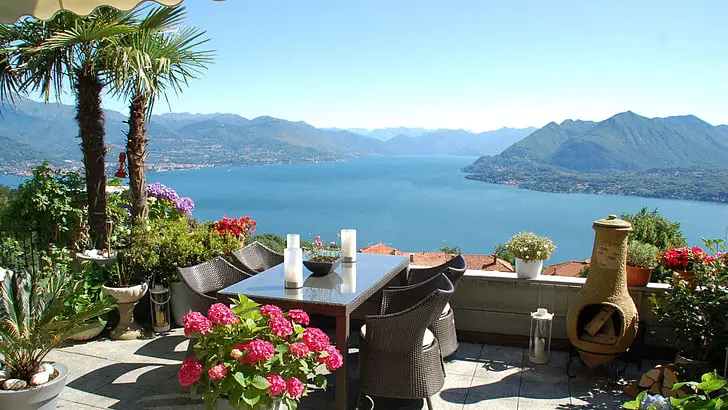
New to balcony gardening? Start with the full
balcony garden design guide before diving into small-space layouts.
Small balcony garden design is all about making a tiny space actually work. A few smart layout choices can turn even a cramped balcony into a place you want to sit, relax, and grow plants without feeling crowded.
Designing a small balcony garden comes down to layout, not size. Most people try to fit too much into a small space, which is why balconies end up cluttered instead of comfortable.
In this guide, you’ll find simple balcony garden layouts, vertical ideas, and space-saving design tips that help you build a setup that looks good and still works day to day.
Most small balcony problems come from poor layout, not lack of space.
Small Balcony Garden Design: Quick Answer
- Choose a simple layout that keeps the center open
- Use vertical space like shelves, rail planters, and hanging baskets
- Match containers for a clean, cohesive look
- Layer plants by height to create depth
- Add one focal point instead of filling every space
What You’ll Get From This Guide 🌿
- Design ideas for different balcony shapes and sizes
- Theme and style suggestions (modern, cozy, cottage, edible, and more)
- Tips for choosing containers, colors, and plant combinations that look cohesive
- Ideas for privacy, lighting, and seating in tight spaces
- Easy ways to add personality and refresh your balcony season after season
The Art of Small Balcony Gardening
If you’ve ever stepped onto your compact balcony and thought, “There’s no way this could be a garden,” you’re not alone. The trick is to stop thinking about square footage and start thinking in layers: height, color, texture, and how you want the space to feel.
Small balcony gardening is really about micro-design. Every pot, every chair, every plant needs a job: to soften a corner, frame a view, hide a railing, or give you a place to put your coffee.
How to Design a Small Balcony Garden
- Start with your goal (relaxation, food, privacy, or decoration)
- Keep the center open for movement
- Use edges and corners for planting
- Add vertical elements to increase space
- Limit colors and container styles
Best Layouts for Small Balcony Gardens
- Edge layout: plants along walls and railing
- Corner layout: one dense plant zone, open seating area
- Railing layout: rail planters and hanging baskets
- Vertical layout: shelves or trellises to grow upward
Small Balcony Garden Design – Takeaways 🎨
- Think of your balcony as a mini “room” with its own style, not just a place to park pots.
- Use vertical space, railings, and corners to keep the floor as open and usable as possible.
- Choose a simple color palette for containers and textiles so plants are the star of the show.
- Layer plants by height and texture to add depth without overwhelming the space.
- Add lighting, textiles, and personal touches so your balcony feels like an outdoor living room, not an afterthought.
Step 1: See Your Balcony as a Room, Not Just a Ledge
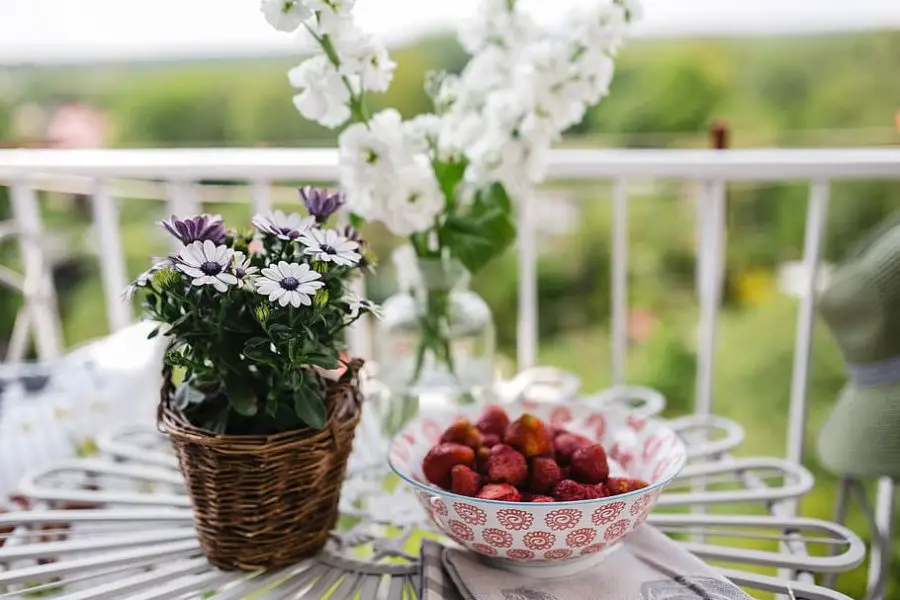
Before you think about plants, look at your balcony like a tiny outdoor room. Ask yourself:
- How do I want to use this space? Morning coffee? Reading nook? Mini jungle? Herb harvest station?
- Where do I naturally look? Outward to a view, inward to the living room, or down into a courtyard?
- What needs to be hidden? Neighbor’s windows, AC units, rails, or a busy street?
That simple exercise tells you where to put your focal point, where you want height and privacy, and which areas can stay more open and airy.
Understand Your Microclimate
Your balcony’s light, wind, and exposure shape the kinds of designs that will work. You don’t have to get technical—just notice:
- How many hours of direct sun you get (full sun, part shade, or mostly shade).
- Where the wind whips through versus sheltered pockets.
- Any drip lines from above or spots that stay damp.
Design-wise, sun means you can go lush and colorful; shade means you lean into foliage and texture. Windy balconies need sturdy containers and low, dense plantings near the edges.
Step 2: Choose a Style or Theme (So It Looks Cohesive)
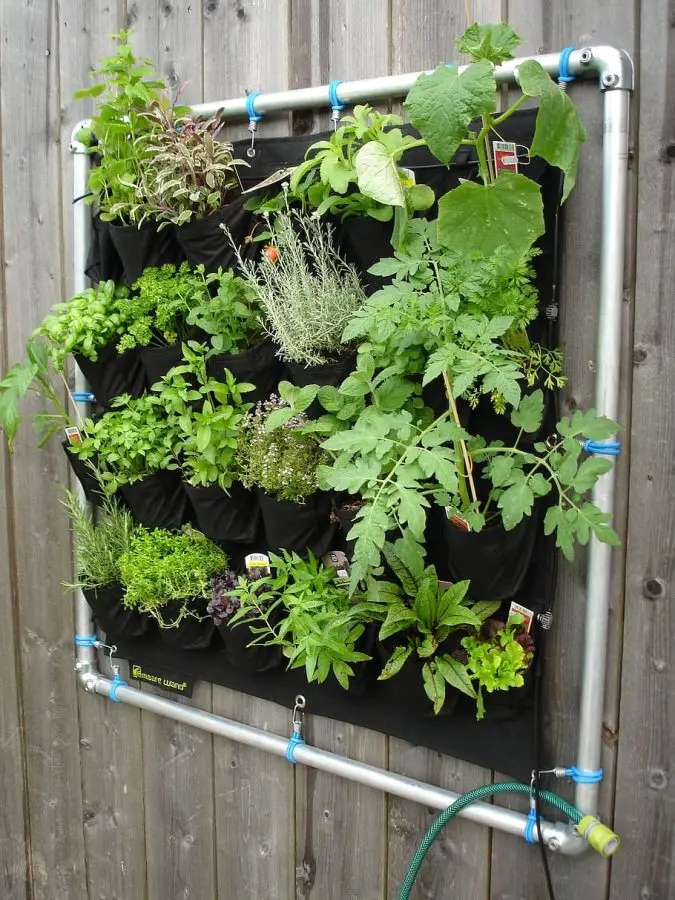
Picking a simple style or theme up front makes the whole balcony feel intentional instead of random. You don’t have to be strict about it—just give yourself a direction.
- Modern Minimal: Clean lines, black or white pots, lots of green foliage, maybe one accent color.
- Cozy Cottage: Terracotta, soft pastels, flowering plants, herbs spilling out of window boxes.
- Edible Oasis: Rail planters full of herbs and greens, compact veggies, strawberries in the corners.
- Urban Jungle: Layered greenery at different heights, climbers on trellises, a few statement plants.
- Zen Balcony: Simple planting, neutral containers, maybe a small water feature or wind chime.
Once you choose a general vibe, containers, textiles, and plant choices get much easier—you just ask, “Does this fit the mood?”
Step 3: Maximize Space with Smart Layouts
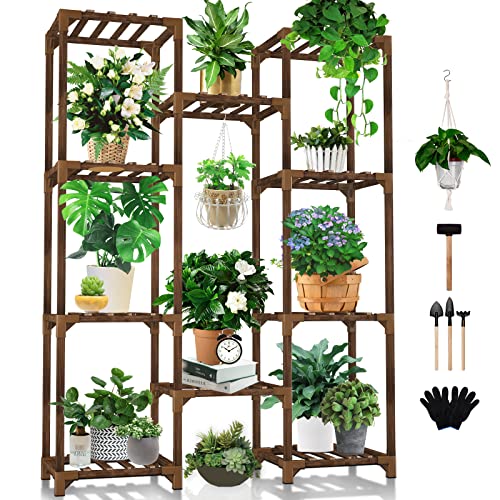
On a small balcony, layout is everything. You don’t have room for big mistakes. A few classic patterns work really well:
- L-Shape Layout: Plants arranged along two sides, leaving one corner open for a chair or bistro set.
- “Framed View” Layout: Taller plants on the sides, lower plants or railing planters in front so your main view stays open.
- Corner Jungle: A plant shelf or vertical planter in one corner as a lush focal point, with lower pots along the edges.
- Symmetry: Matching pots or rail boxes on both sides to calm down a visually busy view.
Furniture Choices That Don’t Eat the Balcony
Choose foldable, stackable, or slim-profile furniture so plants and people can share the space:
- A small folding bistro set for morning coffee.
- A narrow bench that doubles as storage for tools and potting supplies.
- A single comfy chair with a tiny table instead of a full set.
The design goal is simple: keep enough open floor area that the space feels inviting, not cramped.
Step 4: Choose Containers That Match Your Look
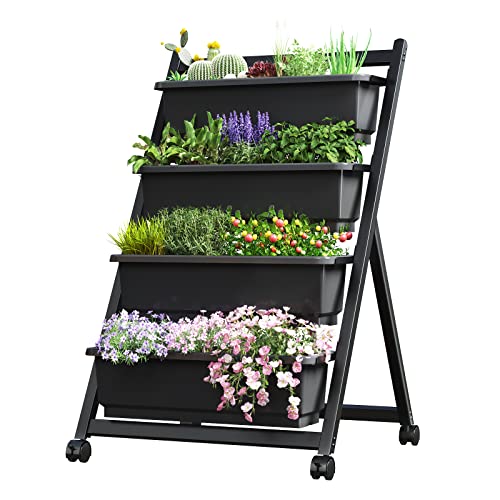
Containers are a huge part of your balcony’s overall look. Instead of buying one of everything, pick a simple “container story”:
- Stick to 1–2 materials: for example, terracotta + wicker, or black resin + galvanized metal.
- Limit your colors: maybe all neutral pots with plants providing the color, or one accent color repeated.
- Mix sizes, not styles: same pot style in different heights and widths feels cohesive, not chaotic.
Rail planters, tall narrow pots, and vertical garden towers are especially helpful on small balconies because they give you height and impact without using much floor space.
Step 5: Layer Plants for Depth and Texture
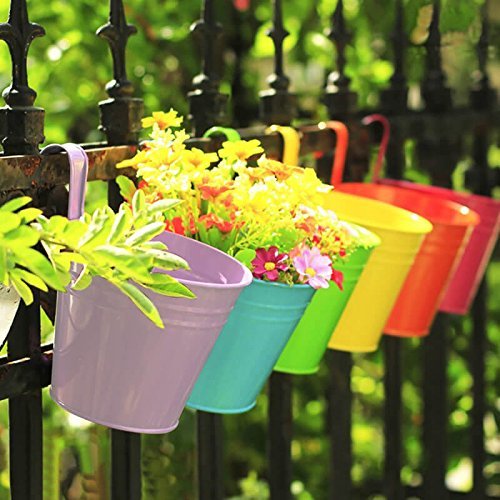
The secret to a balcony that looks lush instead of flat is layering—using different heights, leaf shapes, and textures.
- Base Layer: Larger pots or planters along the floor, often with shrubs, grasses, or big edibles.
- Middle Layer: Medium containers on stands, shelves, or railings.
- Top Layer: Hanging baskets, wall planters, or climbers on a trellis.
Mix leaf shapes (spiky, round, trailing), sizes, and colors to keep the eye moving. Even if you only have room for a handful of plants, smart layering makes the space feel full and intentional.
Step 6: Create a Focal Point (or Two)

Every garden, no matter how small, looks better when your eye knows where to land. That’s your focal point. On a balcony, good focal points include:
- A particularly striking plant or small tree in a beautiful container.
- A vertical planter or plant stand filled with cascading greenery.
- A piece of wall art, a mirror, or a sculptural lantern surrounded by plants.
- A cozy chair with cushions and plants framing it on either side.
Pick one main focal point and, if you have room, a smaller secondary one—maybe a corner herb rack or a colorful hanging basket.
Step 7: Add Personal Touches and Decor
Your balcony should feel like your space, not a staged display. A few thoughtful additions make a huge difference:
- Memory Pieces: A pot from a favorite trip, a plant clipping from a friend, a handmade macrame hanger.
- DIY Projects: Painted pots, repurposed crates as shelves, or hand-painted plant markers.
- Soft Stuff: Outdoor cushions, a simple rug, or a throw (if it’s a covered space) to make it feel like an extra room.
You don’t need much—just enough personality that your balcony feels like you, not a catalog page.
Step 8: Plan for Seasons and Small Tweaks

Good balcony design isn’t a one-time project—it’s more like decorating a room you tweak a little each season.
- Spring: Fresh flowers, cool-season greens, light textiles.
- Summer: Bold color, heavier feeding for edible plants, shade solutions if things get too hot.
- Fall: Mums, grasses, warm-toned cushions, maybe a lantern or two.
- Winter (if your climate allows): Evergreens in planters, twinkle lights, a few hardy accents.
Planning for seasonal swaps keeps the space feeling fresh and gives you an excuse to play with the design without starting over.
Beginner Design Tips for Balcony Gardens

- Use the rule of three: group plants or decor in threes for a more natural look.
- Repeat colors and materials so the space feels unified.
- Mix heights—don’t line everything up at the same level.
- Leave a little empty space; not every inch has to be filled.
- Plan pathways for your feet so watering and pruning are easy.
Small Balcony Gardening Guide FAQs
Here are a few design-focused questions balcony gardeners often ask when they’re trying to make a tiny space look good and feel comfortable.
How do you arrange a small balcony with plants?
Start with your seating or main focal point, then frame it with plants. Use taller containers or plant stands at the back or along walls, medium pots in the middle, and trailing plants or low growers at the front. Keep high-traffic areas clear so you can move comfortably.
How do I maximize my balcony garden space?
Use the floor, railings, and vertical space. Add wall planters, hanging baskets, and a plant shelf in one corner. Choose multi-tier planters and railing boxes so you can grow more without crowding the floor.
What kind of furniture works best on a small balcony?
Foldable chairs, narrow benches, and small bistro tables are ideal. Look for pieces that tuck against the wall or railing. If space is really tight, a single comfy chair or floor cushion and a small side table may be all you need.
How do I make my balcony garden look cohesive?
Limit your color palette for containers and textiles, repeat materials, and group similar plants together. Using two or three main pot styles and repeating them around the balcony instantly makes the space feel designed instead of random.
How can I add privacy without losing all the light?
Use tall, narrow planters with grasses, bamboos (dwarf or clumping types), or climbers on a trellis along the most exposed side. You can also add outdoor fabric screens, lattice panels, or railing planters to soften sightlines while still letting light through.
What’s the easiest way to add atmosphere?
String lights, lanterns, and a couple of outdoor cushions go a long way. A small rug, a wind chime, or a candle lantern turns a simple plant setup into a space you want to sit in at the end of the day.
Small Balcony Gardening Guide Conclusion

A small balcony doesn’t have to limit you; it just asks you to be a little more intentional. When you treat it like a tiny outdoor room—choosing a style, planning a layout, layering plants, and adding personal touches—it turns into a space you’ll actually use and enjoy.
Over time, you can keep tweaking: swap out containers, refresh cushions, test new plant combinations, and watch birds, bees, and butterflies discover your mini oasis. Your balcony might be only a few square feet, but the impact it has on your daily life can be huge.
Balcony Garden Design Ideas: Layouts That Work in Small Spaces
If you’re ready to go deeper into the practical side—watering, plant choices, and care routines—pair this design guide with
vertical gardening ideas
and your
apartment balcony gardening
guides to build a tiny space that’s both beautiful and productive.
Start here:
Balcony Garden Design Guide