
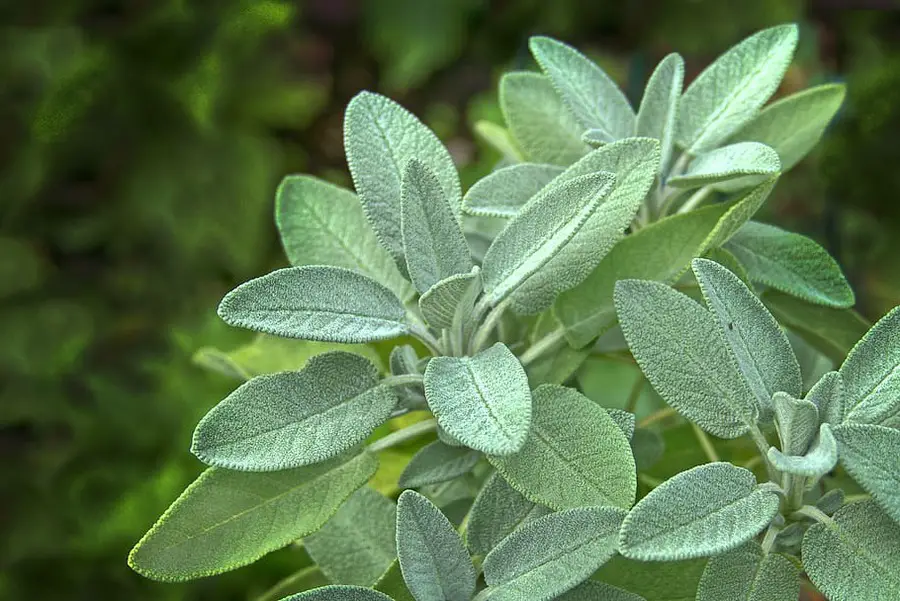
If you’ve ever wished you had fresh sage on hand for cooking, learning how to grow sage indoors is the perfect place to start.
You don’t need much space—just a sunny window, a simple pot, and a little attention.
Once you get the hang of it, sage becomes one of the most rewarding herbs to grow inside, giving you delicious leaves year-round and adding a soothing, earthy scent to your home.
Let’s walk through how to set things up so your sage thrives from the very beginning.
📦 What You’ll Learn
- 🌿 Which sage varieties work best indoors (and what to avoid as a beginner)
- 🪴 How to choose the right container, soil mix, and location
- ☀️ How much light sage really needs and when to add a grow light
- 💧 A simple watering routine that avoids root rot and sad, droopy plants
- ✂️ How to prune and harvest for a bushy, productive sage plant
- 🛠️ Easy fixes for common indoor sage problems like legginess and mildew
How to Grow Sage Indoors

If you love cooking with fresh herbs, growing sage indoors is an easy way to keep big flavor right at your fingertips.
You don’t need a garden or fancy setup—just a sunny spot, a pot with good drainage, and a little basic care.
In this guide, you’ll learn exactly how to grow sage indoors step by step, even if you’re brand new to indoor gardening.
Sage Plant Care Reference Guide
| Characteristic | Details |
|---|---|
| Common Name | Sage |
| Botanical Name | Salvia officinalis |
| Native Habitat | Mediterranean region |
| Plant Type | Perennial culinary herb |
| Growth Pattern | Bushy, woody stems with soft aromatic leaves |
| Mature Size | 12–24 inches tall indoors |
| Watering | Allow top inch of soil to dry; water sparingly to avoid root rot |
| Light/Sun Exposure | 6–8 hours direct sun or 12–14 hours under a grow light |
| Soil Type | Well-draining potting mix with perlite or coarse sand |
| Soil pH | 6.0–7.0 (slightly acidic to neutral) |
| Temperature | 65–75°F indoors; protect from drafts |
| Humidity | Moderate; prefers drier air over high humidity |
| Bloom Time & Flower Color | Late spring to summer; purple-blue flowers |
| Potential Problems | Legginess from low light, root rot from overwatering, powdery mildew, spider mites |
| Repotting | Every 1–2 years or when roots fill the pot |
| Hardiness Zones (USDA) | Zones 4–8 outdoors; grown as a perennial |
🌿 Why Grow Sage Indoors?

Sage is one of those herbs that can instantly level up your cooking. A few fresh leaves can transform roasted veggies, stuffing, soups, or a simple pan of chicken. When you grow sage indoors, you get:
- 🌱 Fresh flavor on demand, instead of half-used packets from the store
- 💵 Long-term savings if you use herbs regularly in your kitchen
- 🏡 A tough, good-looking plant that adds texture and fragrance to your indoor space
Sage is also a great “step-up” herb. It’s a little more demanding than super-easy herbs like chives or mint, but still very beginner-friendly as long as you give it enough light and don’t overwater it.
If you’ve kept a houseplant alive (or even if you haven’t yet), you can grow sage indoors with a bit of guidance.
🪴 Choosing the Right Sage and Container
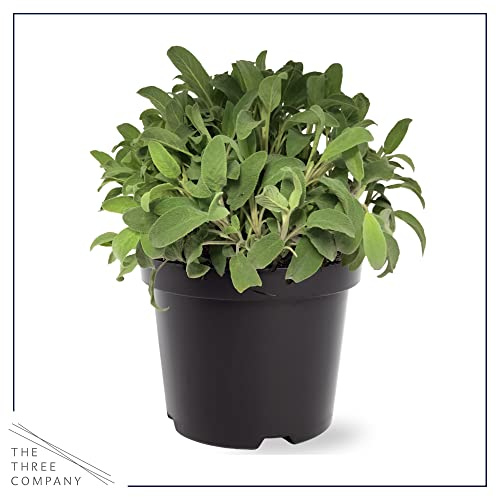
🌱 Picking the Best Sage Variety for Indoors
For kitchen use and indoor growing, your best bet is classic culinary sage:
- 🌿 Common sage (Salvia officinalis) – The standard gray-green culinary sage you see in recipes.
- 🎨 Compact or dwarf varieties – Great if you have limited space or want a neater, bushier plant.
- 🌈 Variegated sages (like tricolor) – Pretty foliage, still usable in cooking, though often a bit milder.
Avoid ornamental sages that are bred mainly for flowers instead of flavor. When in doubt, look for plants labeled specifically as “culinary sage” at the nursery.
🪟 Choosing a Pot That Sage Will Love
Sage hates sitting in wet, heavy soil, so the right container is important:
- 🪴 Size: Start with a pot at least 6–8 inches wide. Sage has a decent root system and doesn’t like tiny pots.
- 🧱 Material: Clay or terracotta pots are ideal because they breathe and let extra moisture escape.
- 💧 Drainage: Make sure there’s at least one drainage hole. No drainage = guaranteed problems later.
If you like decorative cachepots with no holes, keep your sage in a plastic or nursery pot inside the outer container so extra water can still drain away.
🌎 The Right Potting Mix
Sage prefers a light, well-draining mix, not dense garden soil. A simple mix you can use:
- 🌱 2 parts high-quality potting mix
- 🪨 1 part perlite or coarse sand to improve drainage
If you already have a cactus or succulent mix, you can blend that with a bit of potting soil or compost to give it just enough nutrition without becoming boggy.
🌱 Starting Your Sage Indoors: Seeds, Cuttings, or Store-Bought Plants

🧪 Option 1: Growing Sage from Seed

Starting from seed is fun if you enjoy the process, but it’s a little slower. Here’s how to do it:
- 🟤 Fill seed trays or small pots with your well-draining potting mix.
- 🌧️ Moisten the soil so it’s damp but not soggy.
- ✨ Sow seeds on the surface and press them lightly into the mix. Sage seeds don’t need to be deeply buried.
- 🌡️ Keep them warm and bright — a sunny windowsill or under a grow light works well.
- ⏳ Wait 2–3 weeks for germination. Keep the top of the soil slightly moist until seedlings appear.
When seedlings are a few inches tall and have several sets of leaves, you can transplant them into their “forever” pot (around 6–8 inches wide).
Handle them gently; young sage plants are tougher than they look, but still don’t like being yanked around.
✂️ Option 2: Growing Sage from Cuttings
If you or a friend already has a healthy sage plant, you can take cuttings:
- 🌿 Cut a 4–6 inch stem from a healthy, non-flowering shoot.
- 🍃 Strip off the leaves from the bottom half of the cutting.
- 🪴 Stick the bare end into moist potting mix or a sand/peat blend.
- 🌫️ Cover loosely with a clear plastic bag or humidity dome to keep the air moist.
- ☀️ Place in bright, indirect light and check the soil often so it doesn’t dry out.
In a few weeks, you should feel resistance when you gently tug the cutting—this means roots are forming and you can slowly remove the cover and treat it like a normal plant.
🛒 Option 3: Using a Nursery-Bought Sage Plant

For most beginners, this is the easiest path. You simply:
- 🧺 Choose a stocky, healthy sage plant with firm stems and no yellowing leaves.
- 🪴 Repot it into your prepared container with fresh potting mix.
- 🪟 Place it immediately in a bright, sunny spot indoors.
This shortcut lets you skip the germination stage and start harvesting sooner.
☀️ Light, Temperature, and Location for Indoor Sage
🌞 How Much Light Does Sage Need?
Light is the number one success factor for indoor sage. Without enough, your plant will get leggy, pale, and floppy.
- ☀️ Aim for 6–8 hours of direct sunlight per day if possible.
- 🪟 A south-facing window is best; west-facing is usually the next best option.
- 💡 If your light is weak or you have long winters, add a grow light and run it for 12–14 hours a day.
Rotate the pot every few days so the plant grows evenly instead of leaning toward the glass.
🌡️ Ideal Indoor Temperatures
Sage is pretty comfortable in normal home temperatures:
- 🌤️ Daytime: around 65–75°F works well.
- 🌙 Night: slightly cooler is fine, just avoid cold drafts.
Try to keep sage away from heating vents, radiators, or very drafty windows. Fast swings from hot to cold can stress the plant.
💧 Watering, Soil Moisture, and Humidity
💦 How to Water Sage Indoors (Without Overdoing It)
Sage prefers to stay on the drier side. More indoor herbs die from overwatering than underwatering, and sage is no exception. A simple routine:
- 👆 Check the top inch of soil with your finger. If it’s dry, it’s time to water.
- 🚿 Water thoroughly until a bit runs out the drainage holes.
- 🧽 Empty the saucer so the pot never sits in standing water.
Depending on your home’s humidity and temperature, this might mean watering every 7–14 days. Don’t water on a schedule—water based on what the soil is telling you.
🌫️ Humidity and Airflow
Indoor air, especially in winter, can be quite dry. Sage doesn’t need tropical humidity, but it does appreciate a bit of balance:
- 🪨 Use a pebble tray (a shallow tray with pebbles and a little water) under the pot to gently boost humidity around the plant.
- 🌿 Group sage with other herbs to create a slightly more humid microclimate.
- 💨 Make sure there’s good air circulation to help prevent mildew or fungal issues.
🧴 Feeding, Pruning, and Harvesting Indoor Sage
🍽️ Fertilizing Sage Indoors
Sage isn’t a heavy feeder. Too much fertilizer can actually lower the flavor and encourage weak, floppy growth. A gentle approach works best:
- 🌱 Mix a little compost or worm castings into the soil at planting time if you have it.
- 🫗 Use a diluted organic liquid fertilizer (like seaweed or fish emulsion) once every 4–6 weeks during active growth, if needed.
If your sage looks healthy, green, and is putting on new growth, you may not need fertilizer at all.
✂️ Pruning for Bushy Growth
Pruning is where sage really shines. The more thoughtfully you prune, the fuller your plant will become:
- 🔪 Use clean scissors or pruners to snip stems just above a set of leaves.
- 🌳 Focus on removing long, bare stems and encouraging side shoots.
- 📏 Avoid cutting more than about one-third of the plant at a time, especially in the first year.
Regular light pruning keeps sage compact and productive instead of woody and leggy.
🌿 Harvesting Sage for the Kitchen
Once your sage plant is established and has plenty of stems, you can start harvesting:
- 🌅 Harvest in the morning when leaves are plump and aromatic.
- 🌿 Clip individual leaves or short stems as needed for cooking.
- 🍽️ In the first year, take small harvests so the plant can build a strong root system.
As your plant matures, you can harvest more generously, as long as you always leave enough foliage for it to keep growing.
🧩 Common Problems with Indoor Sage (and How to Fix Them)
- 📏 Leggy, stretched stems: Not enough light. Move to a brighter window or add a grow light, and pinch back long stems.
- 💛 Yellowing leaves and soggy soil: Overwatering or poor drainage. Let the soil dry more between waterings and check that your pot drains freely.
- ⚪ Powdery coating on leaves: Possible mildew. Improve airflow, avoid overhead watering, and thin out crowded stems.
- 🥀 Crispy, dry leaf tips: Very low humidity or heat stress. Move away from heat vents and try a pebble tray or grouping with other plants.
- 🐛 Tiny webs or speckles: Spider mites sometimes show up on indoor herbs. Rinse leaves gently and use insecticidal soap if needed.
Most issues improve once you adjust light, water, and airflow. Sage is tougher than it looks and often bounces back with a bit of care.
🍽️ Easy Ways to Use Your Indoor Sage
Once your sage plant is producing regularly, you’ll have more leaves than you know what to do with. A few ideas:
- 🥔 Add chopped sage to roasted potatoes or root vegetables.
- 🍗 Tuck leaves under the skin of chicken or turkey before roasting.
- 🍝 Toss a few finely sliced leaves into pasta, soups, or creamy sauces.
- 🧈 Make brown butter sage sauce for gnocchi or ravioli.
- 🫖 Dry extra leaves and store them in a jar for later use.
When you’re growing sage right on your windowsill, it becomes second nature to snip a few leaves while dinner is cooking.
❓ Frequently Asked Questions About Growing Sage Indoors
Here are some of the most common questions beginners have when they start growing sage indoors.
Can you really grow sage indoors year-round?
Yes. As long as you provide enough light, drainage, and moderate watering, you can grow sage indoors year-round and harvest leaves whenever you need them.
Do I need a south-facing window to grow sage?
A south-facing window is ideal because it usually gets the most direct light. However, you can also grow sage in a bright east or west window if you supplement with a grow light when needed.
What kind of soil is best for potted sage?
A light, well-draining potting mix is best. Avoid heavy garden soil. Many gardeners blend regular potting mix with perlite or coarse sand to improve drainage.
How often should I water sage indoors?
Water sage when the top inch of soil feels dry to the touch. For many homes, this works out to about once every 7–14 days, but always check the soil rather than using a strict schedule.
Is it easier to start sage from seeds or from a nursery plant?
Beginners usually find it easier to start with a nursery plant or a cutting, because you can begin harvesting sooner. Seeds work too, but they take longer to reach a good size.
How do I harvest sage without harming the plant?
Use clean scissors to cut stems just above a pair of leaves. Avoid removing more than about one-third of the plant at a time. This encourages new growth while keeping the plant healthy.
🌱 Growing Sage Indoors Conclusion
Growing sage indoors is a simple, satisfying way to bring more flavor—and more green—into your everyday life.
With a sunny spot, a pot that drains well, and a little attention to watering and pruning, you can keep a hardworking sage plant going for years.
Start with one plant, learn its rhythm, and don’t stress over small mistakes.
As you get comfortable, you can add more herbs to your indoor garden and turn your windowsill into a mini kitchen apothecary.
Your future self, stirring a pot of soup and snipping fresh sage with one hand, will be very glad you did.
Read more: 👉 Indoor Herb Growing Guide