
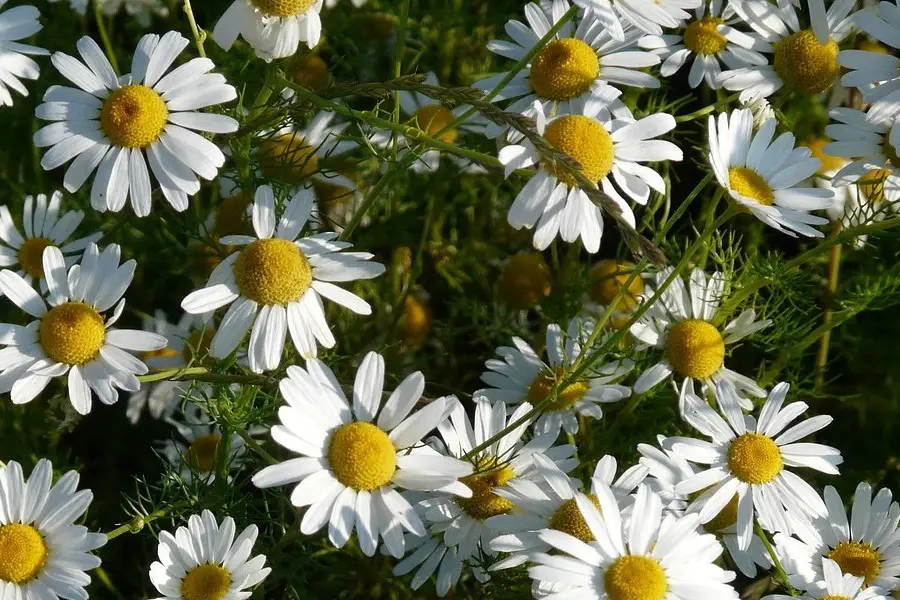
🌼 If you love the idea of slowing down with a warm cup of chamomile tea, growing it yourself indoors just makes sense.
You don’t need a big garden, fancy equipment, or a green thumb—just a little light, a small pot, and a simple routine you can stick with.
Find your own Chamomile Plant on Amazon
✅ What you’ll learn
- 🌼 How to choose the best chamomile type for indoor growing
- 💡 How to prevent leggy, floppy plants (the #1 beginner problem)
- 💧 A watering routine that avoids root trouble and fungus gnats
- 🌱 The easy seed-starting method (including the “don’t bury them” trick)
- 🫖 When to harvest + how to dry flowers so they stay fragrant
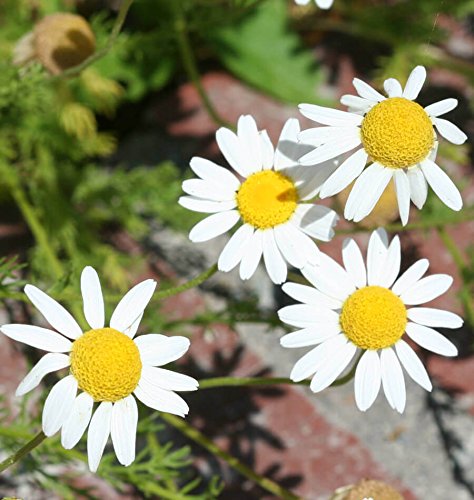
CHAMOMILE GERMAN Live Plant – 2 Live Plants Fit 3.5″ Pot
How to Grow Chamomile Indoors 🪴🌼
If you’ve ever opened a box of chamomile tea and thought, “I wish I had a little jar of this smell on demand,” you’re in the right place.
Chamomile is one of those plants that feels fancy… but grows like it didn’t get the memo.
With the right light and a simple routine, you can grow chamomile indoors, harvest the flowers, dry them, and build your own tiny tea stash—no backyard required.
And here’s the best part for beginners: chamomile doesn’t need a complicated setup. It just needs consistency.
We’re going to keep things simple, practical, and totally doable in a sunny window or under a basic grow light.
🌼 Chamomile basics: pick the right type first
When people say “chamomile,” they usually mean one of two plants. You can grow either indoors, but one is typically the better match if your goal is flowers for tea.
🌼 German chamomile (best choice for indoor tea)

- 🌿 Usually grown as an annual (it lives one season, then you replant)
- 🌼 Produces lots of small daisy-like flowers that you harvest for tea
- 📏 Can grow tall if light is weak—easy to manage once you know the trick
🌿 Roman chamomile (more “low and spreading”)

- 🌱 Often a perennial outdoors and tends to stay shorter
- 🌼 Can flower, but many indoor growers find it slower and less productive for tea
- 🪴 Works best in a wider pot where it can spread a bit
Beginner pick: If you want flowers for tea, choose German chamomile. If you want a low, soft-looking plant and you’re okay with fewer flowers, Roman chamomile can be fun too.
Chamomile Plant Care Reference Guide
| Characteristic | Details |
|---|---|
| Common Name | Chamomile (German or Roman) |
| Botanical Name | German: Matricaria chamomilla (syn. M. recutita) / Roman: Chamaemelum nobile |
| Plant Type | German: annual flowering herb / Roman: low-growing perennial (often grown as a spreading herb) |
| Light | Very bright light; strong window light or 12–14 hours/day under a grow light |
| Watering | Water when the top inch of soil is dry; avoid soggy soil and standing water |
| Soil / Potting Mix | Loose, well-draining potting mix; add perlite/pumice if mix feels heavy |
| Soil pH | Slightly acidic to neutral (roughly 6.0–7.5 is a practical target for containers) |
| Temperature | Comfortable indoor temps; avoid hot, stale air and cold drafts |
| Humidity & Airflow | Average indoor humidity is fine; gentle airflow helps prevent weak stems and mildew |
| Feeding | Light feeder; optional diluted fertilizer if growth stalls after several weeks |
| Time to Germination | Typically 1–3 weeks indoors in bright conditions |
| Harvest | Pick fresh, open flowers regularly; dry quickly with airflow and store airtight |
| Common Problems | Leggy growth (low light), yellow leaves (overwatering), pests (aphids, mites, fungus gnats) |
🧰 What you need to grow chamomile indoors

You don’t need a “plant room.” You need four basics: a pot with drainage, a light setup, a decent potting mix, and a little airflow.
- 🪴 Pot: 6–8 inches wide for one plant (or a wider pot for a small group)
- 🚰 Drainage holes: non-negotiable (chamomile hates soggy roots)
- 🌱 Potting mix: light and well-draining (avoid heavy garden soil indoors)
- 💡 Light: bright window OR a basic grow light for consistent results
- 🌀 Gentle airflow: a small fan on low helps prevent weak stems and mildew
💡 Lighting: the #1 reason indoor chamomile struggles
If chamomile gets stretchy, leans hard to one side, or flops over like it’s fainting, light is almost always the reason. Indoors, “bright” often feels bright to us, but it can be dim to a plant.
☀️ Growing chamomile in a sunny window
- 🪟 Put it in your brightest spot (a sunny window is ideal)
- 🔄 Rotate the pot every few days so it grows evenly
- 📏 If stems keep stretching, it’s time to add a grow light or move closer to light
🔦 Using a grow light (easiest path to sturdy plants)
- ⏲️ Aim for 12–14 hours of light daily
- 📍 Keep the light close enough that growth stays compact (adjust gradually)
- 🌿 If new growth is tight and leafy instead of tall and thin, you nailed it
Quick reality check: If your chamomile looks like it’s reaching up dramatically like it wants to high-five the ceiling… you’re not failing. Your plant is just asking for brighter light.
🌱 How to start chamomile from seed indoors

Chamomile is one of the easiest herbs to start from seed indoors—once you know the one weird thing about it: the seeds want light to germinate. Translation: don’t bury them.
🫘 Step-by-step seed starting
- 🧺 Fill a small pot or seed tray with damp (not soaked) potting mix. Coco coir is ideal for this step.
- 🌟 Sprinkle seeds on the surface and gently press them into the mix
- 🚫 Don’t cover them with soil (or only dust them lightly)
- 💦 Mist or water gently so you don’t blast seeds into a corner
- 🪟 Place in bright light and keep the surface slightly moist
Once seedlings appear, your goal is simple: bright light + careful watering. Seedlings can rot fast if they stay wet and dim.
✂️ Thinning Chamomile Seedlings: Spacing & Pot Size
Thinning feels scary the first time, but it’s one of the best things you can do for healthy, sturdy chamomile indoors. Crowded seedlings stretch, flop, and flower poorly.
🌱 How far apart to thin chamomile seedlings
Thin once seedlings have 2–3 sets of true leaves:
- 🌼 German chamomile: thin to 4–6 inches apart
- 🌿 Roman chamomile: thin to 6–8 inches apart (it spreads more)
Tip: Snip extra seedlings at the soil line with scissors instead of pulling. That way you don’t disturb the roots of the plant you’re keeping.
🪴 Best pot size for indoor chamomile
Give roots room, but don’t oversize the pot—small seedlings in huge pots often stay too wet.
✅ German chamomile (most common indoors)
- 🪴 One plant: 6–8 inch pot (aim for 6–8 inches deep)
- 🪴 Two plants: 10–12 inch wide pot
- 📏 Why depth helps: deeper pots reduce tipping as plants grow and flower
✅ Roman chamomile
- 🪴 One plant: 8–10 inch wide pot
- 🪴 Multiple plants: a wider, shallow container works well
- 📏 Why wider helps: Roman chamomile spreads more than it grows tall
🚫 Common beginner mistakes to avoid
- ❌ Leaving seedlings crowded “to see what happens”
- ❌ Using a very large pot for a tiny seedling (soil stays soggy)
- ❌ Pulling seedlings instead of snipping them
🌼 Quick confidence tip
If you’re unsure, it’s usually better to thin a little more. One healthy chamomile plant can produce more flowers than several crowded, struggling ones.
✂️ Thinning seedlings (so they don’t crowd each other)
- 🌱 When seedlings have a couple sets of true leaves, thin them
- ✂️ Snip extras at the soil line instead of pulling (pulling can disturb roots)
- 📏 Give each plant breathing room so airflow reaches the stems
🪴 Soil, watering, and feeding (keep it steady)
🌱 The best potting mix for indoor chamomile
- 🌿 Use a loose, well-draining potting mix meant for containers
- 🪨 If your mix feels heavy, blend in perlite or pumice for extra drainage
- 🚫 Skip garden soil indoors—it compacts and holds water too long
💧 Watering chamomile indoors without overdoing it
Chamomile likes evenly moist soil, but it does not like wet feet. The easiest routine is a simple check-and-water rhythm.
- 🫳 Check the soil with your finger: if the top inch feels dry, it’s time
- 🚿 Water thoroughly, then let excess drain away
- 🛑 Never let the pot sit in water for long periods
Helpful clue: If fungus gnats show up, your soil is probably staying wet too often. Let the top layer dry a bit more between waterings and consider bottom watering for a while.
🌿 Do you need fertilizer?
- 🥄 In fresh potting mix, chamomile often doesn’t need much feeding at first
- 📆 If growth stalls after several weeks, use a gentle, diluted fertilizer occasionally
- 🚫 Too much fertilizer can cause weak, floppy growth and fewer flowers
✂️ Pinching, pruning, and support for bushier plants
Indoor chamomile can grow upright and a bit wild if you let it. A little pinching helps it branch—meaning more stems, and usually more flowers.
- 🌱 When the plant is several inches tall, pinch the tip to encourage branching
- 🧵 If stems get tall, use a small stake or a simple ring support
- 🌀 Gentle airflow (fan on low) helps strengthen stems naturally
🌼 Flowering and harvesting (the part you’ve been waiting for)

Once chamomile starts blooming, it can keep producing if you harvest consistently. Think of it like a “pick me and I’ll make more” plant.
⏰ When to harvest chamomile flowers
- 🌼 Harvest when flowers are open and look fresh
- 👀 Avoid flowers that are browning or past their prime
- 🧺 Pick regularly—frequent harvesting encourages more blooms
🫖 Drying chamomile for tea (without losing the good smell)
- 🧻 Spread flowers in a single layer in a dry, airy spot out of direct sun
- 🌀 Good airflow matters—slow drying can dull aroma and color
- 🫙 Store fully dry flowers in an airtight jar away from heat and light
Tea tip: If you’re drying in a humid home, a small fan nearby (not blasting directly) can make a big difference.
🐛 Troubleshooting: common indoor chamomile problems
📏 Problem: tall, thin, floppy growth
- 💡 Increase light intensity (move closer to window or add a grow light)
- 🔄 Rotate your pot regularly
- 🌀 Add gentle airflow to strengthen stems
🍂 Problem: yellow leaves
- 💧 Most often: overwatering or slow drainage
- 🪴 Check that drainage holes aren’t blocked
- 🌱 If roots seem crowded, repot into a slightly larger container
🕷️ Problem: pests (aphids, spider mites, fungus gnats)
- 👀 Inspect undersides of leaves and fresh growth weekly
- 🚿 Rinse the plant gently in the sink for minor infestations
- 🧼 Use insecticidal soap if pests persist (follow label directions)
- 🪰 For fungus gnats: let the soil surface dry more between waterings
🌿 What grows well near chamomile indoors?
If you’re building a little indoor herb corner, chamomile plays nicely with other plants that like similar light and watering.
- 🌱 Good neighbors: thyme, oregano, sage, and other herbs that like well-draining soil
- 🪴 Better separate: super-thirsty plants or anything that needs constantly damp soil
✅ A simple weekly care routine (beginner-proof)
- 📅 Daily: quick light check + glance at soil moisture
- 🗓️ Weekly: rotate the pot, inspect for pests, pinch tips if needed
- 🌼 Ongoing: harvest flowers regularly to keep blooms coming
Growing Chamomile FAQ
Can you grow chamomile indoors year-round?
Yes. As long as chamomile gets strong light, moderate watering, and decent airflow, you can grow it indoors in any season. Many people get the most consistent results using a basic grow light.
Which chamomile is best for indoor growing?
German chamomile is usually best if you want flowers for tea. Roman chamomile can grow indoors too, but it’s often slower and may produce fewer harvestable blooms.
How long does chamomile take to grow from seed indoors?
Seeds typically germinate within a couple of weeks in bright conditions. Flowering usually takes several more weeks, depending on light intensity and how crowded the pot is.
Does chamomile need full sun indoors?
Chamomile does best with very bright light. A sunny window can work, but if plants stretch or flower poorly, a grow light makes a noticeable difference.
Why is my chamomile tall and leggy?
Leggy growth almost always means the plant needs more light. Move it to a brighter spot, add a grow light, and rotate the pot regularly for even growth.
How often should I water chamomile indoors?
Water when the top inch of soil feels dry, then water thoroughly and let excess drain away. Avoid keeping the soil constantly wet, which can cause yellow leaves and weak growth.
When should I harvest chamomile flowers?
Harvest flowers when they are open and look fresh. Picking regularly encourages the plant to produce more blooms.
How do I dry chamomile for tea?
Dry flowers in a single layer with good airflow, out of direct sun. Once fully dry, store them in an airtight container away from heat and light to preserve aroma.
🎉Growing Chamomile Indoors Conclusion

Once you get the light right, chamomile is one of the most satisfying indoor herbs you can grow.
Keep it bright, keep the soil on the “slightly dry then water” rhythm, and harvest flowers often.
Before you know it, you’ll have a little jar of sunshine-on-demand for tea nights, slow mornings, or whenever you want that calm, cozy vibe.
Read more: 👉 Indoor Herb Growing Guide
📚 References & Further Reading
- Penn State Extension – 2025 Herb of the Year: German Chamomile
- University of Wisconsin–Madison Division of Extension – Chamomile (Matricaria chamomilla)
- University of Illinois Extension – Growing Herbs in Containers
- Iowa State University Extension and Outreach – Growing Herbs in Containers
- University of Illinois Extension – Keep Growing with Herbs Indoors (Fall/Winter Tips)