
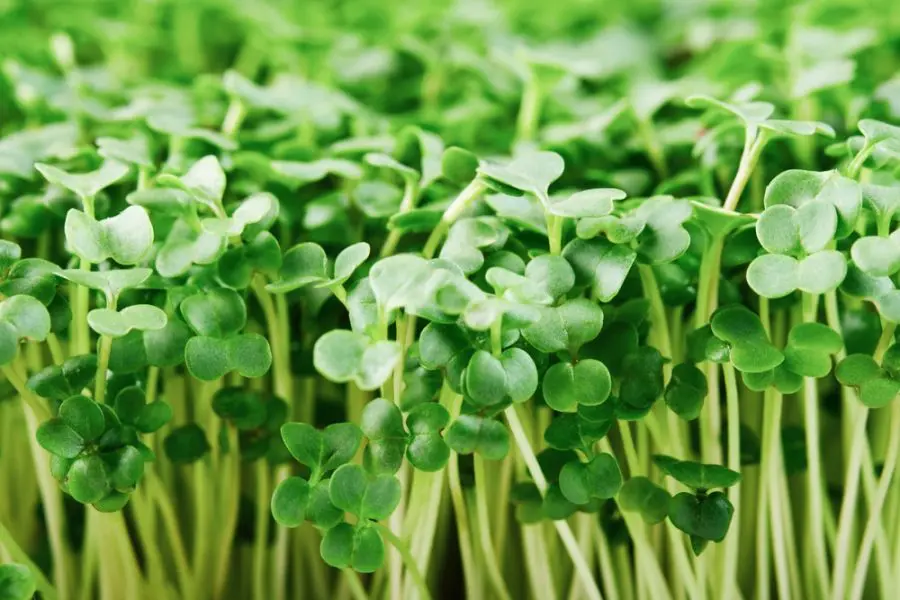
Growing Broccoli Microgreens At Home is one of the easiest ways to start growing fresh food indoors. They germinate fast, grow quickly, and are one of the most popular beginner microgreens for good reason.
Broccoli microgreens have a mild, slightly peppery flavor and are easy to add to salads, wraps, sandwiches, and smoothies. They’re simple to grow in trays and don’t need much space, making them ideal for small apartments and indoor setups.
This guide walks you through how to grow broccoli microgreens step by step, how to harvest them, and how to avoid common beginner mistakes like mold and leggy growth.
🥦 What You’ll Learn
- How to grow broccoli microgreens indoors step by step
- Why coco coir and grow mats work so well
- How to avoid mold, damping off, and weak growth
- When to harvest for the best flavor and texture
- How to store and use broccoli microgreens after harvest
🌱 Quick Answer
To grow broccoli microgreens at home, sow untreated broccoli seeds thickly on moist coco coir or a grow mat, keep them covered until sprouting, then move them under bright light. Most trays are ready to harvest in 7–14 days.
What Are Broccoli Microgreens And What Do They Taste Like?
Broccoli microgreens are tender young shoots of the broccoli plant. They are typically harvested when about 2 weeks old.
They have a mild flavor that is slightly sweet, tangy, and spicy flavor with hints of pepper, making them a great addition to many dishes.
Nutritionally, they are packed with essential vitamins and minerals such as vitamins A, C, E, and K.
Additionally, they contain powerful antioxidants that can help fight off free radicals in the body.
They are a great way to give your meals an extra nutritional boost and add flavor without overpowering the other ingredients.
Try adding them to salads, soups, smoothies, pizzas, and tacos. The possibilities are endless.
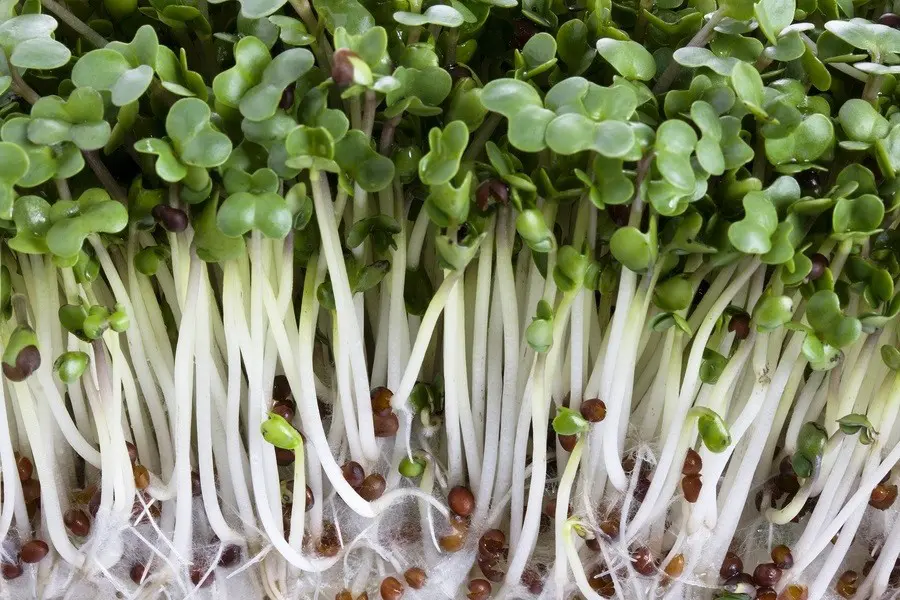
Are Broccoli Sprouts And Broccoli Microgreens The Same?
Sprouts and microgreens are not the same. A broccoli sprout is a young seed that you can sprout with water. Growing sprouts could eventually turn into microgreens in soil but are eaten in the sprout stage instead.
You can try growing broccoli sprouts in a mason jar and harvesting them right after germination. Growing sprouts is a different growing method entirely.
Broccoli microgreens are not grown in water like sprouts. They are grown in soil or on grow mats.
They are more mature broccoli plants that are starting to grow their first true leaves, typically at about 2 weeks from sprouting.
Because they actually have leaves that can photosynthesize they are higher in nutrition than sprouts.
What Are The Benefits Of Growing Broccoli Microgreens Indoors?
Growing broccoli microgreens at home have many benefits.
• It is more cost-effective than purchasing pre-grown greens from the store.
• It also ensures that your greens are free of contaminants, as you can choose the organic materials and growing environment.
• Additionally, it is much faster than growing full-sized plants – you can harvest in as little as two weeks.
• Finally it is ideal for urban gardeners because it is cheap to do, it’s easy to grow microgreens and they don’t take up a lot of space.

Nutritional Benefits Of Broccoli Microgreens
Eating broccoli microgreens regularly can provide many health benefits. Broccoli microgreens are an excellent source of essential vitamins and minerals such as vitamins A, C, E, and K.
They also contain powerful antioxidants that help fight off free radicals in the body. Additionally, they can help improve digestion, reduce inflammation, boost the immune system, and even help lower blood pressure.
Eating broccoli microgreens also provides a significant boost of energy and can help reduce cravings for unhealthy foods.
Microgreens are incredibly nutritious, as they contain high levels of vitamins and minerals. Eating them regularly can provide your body with essential nutrients and minerals that are necessary for a balanced diet.
Additionally, they are low in calories but still high in fiber, making them an excellent choice for anyone looking to add more nutrition to their meals without adding too many extra calories.
Enjoy all the benefits of broccoli microgreens—they’re sure to do your body good and with all these benefits, it’s no wonder why broccoli microgreens are becoming so popular!
Growing Broccoli Microgreens At Home In A Nutshell
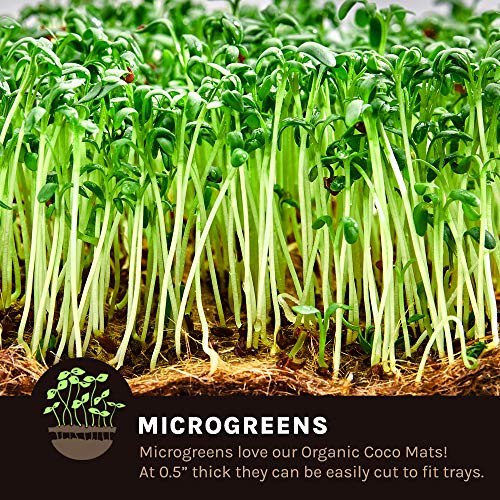
Growing and harvesting your broccoli microgreens successfully doesn’t have to be difficult.
Here are a few tips that will help you get the best results:
Tips For Growing Broccoli Microgreens
• Start with a shallow tray and use quality, organic soil.
• Plant your broccoli microgreen seeds on the heavy side. You want a full tray.
•Press them into the soil or cover them lightly. Mist them after sowing. You can use a like-sized tray as a sprouting lid to cover them.
• Make sure to keep the soil evenly moist by misting it regularly.
• Harvest your greens as soon as they have reached the desired size, usually around two weeks.
• Use scissors or a sharp knife to cut the greens at the base of the stem.
• Immediately after harvesting, rinse them thoroughly and enjoy them.
By following these tips, you can be sure to have a successful harvest of delicious broccoli microgreens.
How To Grow Broccoli Microgreens At Home The Details
Growing broccoli microgreens at home are easy and cost-effective. You will need a shallow container, potting soil, broccoli seeds, and water.
You may need to use a grow light in the winter if you want to grow microgreens year-round.
Microgreen Seed
You don’t need a special variety of broccoli microgreens seed to grow microgreens.
Any broccoli seeds will be just fine. But make sure they have not been treated with anything so it is best to buy non-GMO and organic broccoli seeds.
Some people recommend soaking seeds before planting. It’s OK for large seeds like peas or sunflowers.
But it makes evenly sowing small seeds like broccoli very difficult. So I prefer to sow dry seeds on a moist surface and then misting them regularly.
Containers
Fill your container with potting soil, sprinkle the broccoli seeds evenly over the surface of the soil, then lightly mist them with water to moisten the soil.
You should start to see sprouting seeds in less than a week.
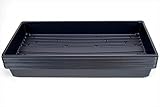 I use 1020 seedling trays to grow my microgreens but any recycled shallow food container can work as long as it is clean.
If you water carefully by misting regularly you won’t need to have drain holes in your container.
Soil
You can use potting soil or coco coir as your soil. Coco will give better results than peat or peat-based growing medium. It is also a more sustainable environmental choice.
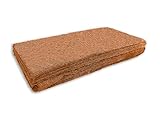 Learn how to grow broccoli microgreens without soil by using jute or coco grow mats. After soaking a growing mat you simply plant seeds on top and mist them.
Cover with a paper towel or another tray until seeds sprout and then remove any cover.
Light
Broccoli microgreens require a lot of light to grow properly. In the summer a windowsill might work ok if you rotate the tray.
Broccoli microgreens need at least 4-6 hours of direct sunlight to grow properly. Without enough light, plants will etiolate which means they get leggy and can fall over.
The amount of natural daylight will depend on where you live; in the northern hemisphere, during summer months there are typically up to 15 hours of daylight whereas in winter months this is reduced to less than 8 hours and it is often cloudy.
You want to grow healthy leaves and not just long stems so make sure you have enough light.
Be sure to check your local climatic conditions before deciding on when to begin growing your broccoli microgreens.
In most parts of the US, during the winter months, there will not be enough natural light so you will need supplemental lighting.
LEDs or fluorescent grow lights should be used once germination occurs.
If you don’t want to use supplemental lighting you will be limiting yourself to only growing microgreens half the year.
🏡 Best Indoor Locations for Broccoli Microgreens
Broccoli microgreens grow best in bright warm areas with good airflow.
- Kitchen windowsill: Good for small casual trays.
- Grow light shelf: Best for year-round production.
- Plant rack near bright windows: Good for multiple trays.
- Utility room with grow lights: Good if temperatures stay stable.
How To Harvest Your Homegrown Broccoli Microgreens
Once the broccoli microgreens have reached 2-3 inches in height, they are ready for harvesting.
To harvest, simply trim off the shoots with scissors at the base of the stem. You can also use a sharp knife but I think scissors work better.
The harvested microgreens can be used fresh in salads, sandwiches, and wraps, blended into smoothies, or juiced. They also make a great garnish for soups and other dishes.
You want to use your microgreens as soon after harvest as possible. While you can keep them in the fridge for about a week taste and nutritional value will be less than fresh micro greens.
How To Store Broccoli Microgreens
To store broccoli microgreens, wrap them in a damp paper towel and place them in an airtight container or plastic bag. Store in the refrigerator for up to a week.
You can freeze microgreens but the texture and color will change. While it is best to use microgreens fresh they can be frozen.
Freezing will rupture the plant cells so taste, texture, and consistency will not be the same. Still, you can use them in smoothies or stir-fries.
More Tips For Growing Broccoli Microgreens At Home
For growing broccoli microgreens successfully, it is important to give them enough light and water.
Place your container in an area with direct sunlight or under fluorescent lights, and be sure to keep the soil moist but not soggy.
It is important to use soil that drains well; if your soil is too compact or dense, it can lead to root rot and poor germination.
Additionally, you might want to use a high-quality fertilizer to give your broccoli microgreens the essential nutrients they need.
Adding fertilizer can help ensure they get the most out of their growing environment.
It is important to water your broccoli microgreens regularly, as this will encourage healthy growth. Using a mister is a great way to water microgreens and can help eliminate overwatering.
The amount and frequency of watering will depend on the size and type of container you are using, as well as the humidity in your climate.
Be sure to check your microgreen trays regularly and adjust your watering schedule accordingly.
If growing on a windowsill make sure to rotate your tray every day so that all sides of the plants get equal exposure to light.
It’s also important to harvest your greens within two weeks of planting when they reach two to three inches in length, as longer-term growth can decrease the nutrient content and lead to a bitter taste.
Store your harvested microgreens in an airtight container or plastic bag in the refrigerator to keep them fresh for up to a week.
What To Do With Leftover Broccoli Microgreens After Harvesting?
Once you’ve harvested your broccoli microgreens, there are plenty of delicious ways to use them in the kitchen!
You can add them to salads for a flavorful crunch, toss them into soups and stews, or blend them up into smoothies.
They also make a great topping for pizzas and tacos. Additionally, you can dry or freeze your leftovers to enjoy later.
By freezing them, you’ll be able to maintain their freshness and flavor for up to a year.
So don’t let those delicious broccoli microgreens go to waste – get creative in the kitchen and find new ways to enjoy them.
What Are Some Creative Ways To Use Broccoli Microgreens?
Broccoli microgreens are incredibly versatile and can be used in a variety of dishes. They make a great addition to salads, soups, omelets, sandwiches, and wraps.
You can also use them as a topping for pizza or combine them with other microgreens like arugula or radish to create an interesting and flavorful side dish.
They also make a great garnish for any meal and can even be used to add texture and flavor to smoothies or juices.
With so many creative ways to use broccoli microgreens, the possibilities are endless.
What Are Some Of The Best Ways To Store Broccoli Microgreens?
The best way to store broccoli microgreens is to wrap them in damp paper towels or a damp cloth and keep them in an airtight container or plastic bag in the refrigerator. This will ensure that they stay fresh and crisp for up to a week.
If you are not planning on eating them right away, you can also freeze them to extend their shelf life even further.
Just make sure to thaw them out before consuming them. With these storage tips, you’ll be sure to enjoy your broccoli microgreens for a long time to come.
How To Incorporate Broccoli Microgreens Into Your Meals?
There are so many delicious ways to incorporate broccoli microgreens into your meals. They make a great addition to salads, soups, smoothies, sandwiches, and even tacos.
You can also try adding them to pizzas for an extra flavor boost or topping them on avocado toast for an extra nutritional kick.
Using different herbs and spices is a great way to add flavor and interest to your broccoli microgreens.
Try adding some freshly chopped thyme, basil, or parsley for a herbal twist. You can also sprinkle them with chili peppers or garlic powder for a hint of spice.
Get Creative With Flavor When Eating Broccoli Microgreens
For an exotic touch, try adding some ground cumin or curry powder. Whatever flavors you choose to use, adding them to your broccoli microgreens is sure to take your meals up a notch.
If you don’t want to cook with them, you can also enjoy them as a snack – just grab a handful and munch away. They are low in calories and a good snack for diets.
So whatever your preference, there is sure to be an option that will make your taste buds happy.
Recipes That Include Broccoli Microgreens
I am not a chef but if you look online you should be able to find lots of recipes that use microgreens.
For a simple and delicious side dish, try adding broccoli microgreens to your favorite stir-fry recipe.
Or for something that’s sure to impress, you can create a salad with roasted beetroot, walnuts, and goat cheese topped with a light vinaigrette dressing and some tasty broccoli microgreens.
You can also try making a tasty pesto by blending together broccoli microgreens, olive oil, fresh garlic, pine nuts, and parmesan cheese.
Whichever way you choose to use them, adding broccoli microgreens to your recipes is sure to take them up a notch.
🛠️ Common Problems / Troubleshooting
Mold on the Surface
Usually caused by too much moisture or poor airflow.
Leggy Seedlings
Needs stronger light or lights closer to the tray.
Damping Off
Usually from overwatering or poor sanitation.
Uneven Germination
Often from uneven moisture or poor seed spread.
Yellowing Before Harvest
Usually from low light or delayed harvest.
🥦 Broccoli Microgreens FAQs
How long do broccoli microgreens take to grow?
Usually 7–14 days depending on temperature and light.
Can you use regular broccoli seeds for microgreens?
Yes, as long as they are untreated and safe for growing.
Do broccoli microgreens regrow after harvest?
No. They are usually a one-cut crop.
Can you grow broccoli microgreens without soil?
Yes. Coco mats and jute mats work very well.
Do broccoli microgreens need fertilizer?
No. The seed contains enough energy for the microgreen stage.
What’s the difference between broccoli sprouts and broccoli microgreens?
Sprouts are grown in water and harvested earlier. Microgreens are grown in a medium and allowed to form leaves.
🌿 Final Thoughts: One of the Best Beginner Microgreens
Broccoli microgreens are one of the easiest and most reliable crops for beginners. They grow fast, taste good, and fit almost any indoor setup.
Once you get your first tray going, it becomes easy to build a steady rotation and keep fresh greens growing year-round in very little space.