
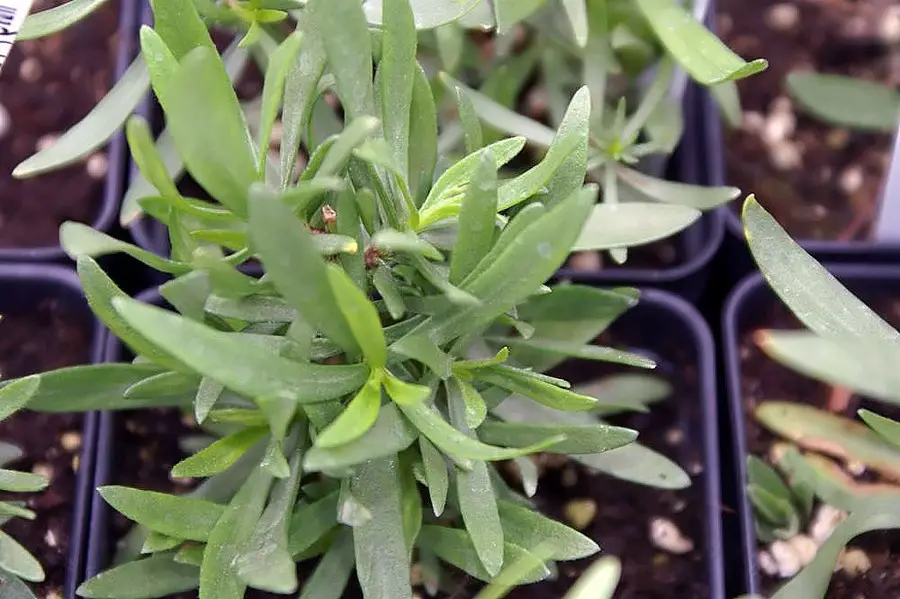
If you love cooking and want an herb that instantly makes simple meals feel a little fancy, growing French tarragon indoors is a great place to start.
This fragrant, slightly sweet herb is famous for its delicate anise-like flavor—and the good news is, you don’t need a garden bed or perfect weather to enjoy it.
With the right light, a well-draining pot, and a lighter hand on the watering can, you can grow healthy French tarragon right on a windowsill or under a small grow light.
Find French Tarragon plants on Amazon
What you’ll learn:
- 🌿 How to choose real French tarragon (and avoid Russian tarragon)
- 💡 Light, temps, and airflow that keep growth steady indoors
- 💧 Watering habits that prevent “wet feet” and root issues
- ✂️ Pruning + harvesting for a fuller plant and better flavor
- 🐛 Quick fixes for pests, yellowing, legginess, and slow growth
🌿 Keeping French Tarragon Indoors

Growing french tarragon at home is one of the easiest ways to make your kitchen feel like a tiny French bistro—because this herb has a “fancy” flavor that instantly upgrades eggs, chicken, fish, dressings, and creamy sauces.
And the best part? You don’t need an outdoor garden or perfect weather. You just need the right plant, the right light, and a very reasonable watering routine.
French tarragon gets labeled as “difficult,” but most of the struggle comes from three beginner traps: (1) starting from seed (which usually isn’t real French tarragon), (2) keeping the soil too wet, and (3) trying to grow it in low light like it’s a pothos.
Fix those, and you’re in business. This guide walks you through everything step-by-step so you can grow a compact, healthy plant you’ll actually use.
French Tarragon Plant Care Reference Guide
| Characteristic | Details |
|---|---|
| Common Name | French Tarragon |
| Botanical Name | Artemisia dracunculus (French tarragon) |
| Native Habitat | Eurasia (commonly associated with temperate regions); cultivated widely as a culinary herb |
| Plant Type | Perennial culinary herb |
| Growth Pattern | Upright, bushy with regular pinching; can get leggy in low light |
| Mature Size | Indoors: ~12–24 in tall; Outdoors: ~24–36 in tall (with good conditions) |
| Watering | Moderate to low—water when top 1–2 in of soil is dry; avoid soggy soil and standing water |
| Light/Sun Exposure | Bright light to full sun; south/west window or grow light (10–14 hrs/day indoors) |
| Soil Type | Fast-draining, airy potting mix (potting soil amended with perlite/pumice); dislikes heavy, water-holding soil |
| Soil pH | Slightly acidic to neutral (about 6.0–7.5) |
| Temperature | Ideal indoors: ~60–75°F; protect from cold drafts and hot, dry heater blasts |
| Humidity | Average indoor humidity is fine; prioritize airflow over high humidity |
| Bloom Time & Flower Color | Infrequent indoors; small, greenish/yellowish flowers (French tarragon is typically sterile) |
| Potential Problems | Leggy growth (low light), yellowing (overwatering/poor drainage), root rot, spider mites/aphids in dry or stagnant conditions |
| Repotting | Every 1–2 years or when rootbound; move up one pot size and refresh with fast-draining mix; division helps rejuvenate older plants |
| Hardiness Zones (USDA) | Typically zones 4–9 outdoors (grown as a perennial in suitable climates) |
🌿 French vs. Russian tarragon: don’t grow the wrong plant
- 🕵️ The most common beginner problem: “My tarragon is growing, but it has no flavor.”
- 🌿 French tarragon is grown for its aroma and taste.
- 😕 Russian tarragon is tougher and easier, but often disappoints in the kitchen.
If you’ve ever bought “tarragon” and thought it tasted like… basically nothing, there’s a good chance you ended up with Russian tarragon.
True French tarragon is typically sold as a live plant (or shared as a cutting/division) because it’s not reliably grown from seed.
The quickest check is the smell: crush a leaf. French tarragon should have a noticeable anise/licorice-like aroma.
🚫 Can you grow French tarragon indoors from seed?

- 🚫 True French tarragon is typically sterile and not reliably seed-grown.
- ✅ For real French tarragon, start with a plant, cutting, or division.
- 🧠 Skipping seeds saves you weeks of effort and a ton of disappointment.
This is the big one. Many seed packets labeled “tarragon” produce Russian tarragon instead.
That’s not you failing—it’s the supply chain being… let’s call it “optimistic.”
If you want the classic French tarragon flavor indoors, start with a nursery plant labeled French tarragon, or propagate from a known French tarragon plant.
🌱 How to start French tarragon indoors the right way

🛒 Option 1: start with a nursery plant (fastest success)
- ✅ Look for firm stems and healthy, narrow leaves.
- 👃 Aroma test: gently crush a leaf and smell for that sweet, anise-like scent.
- 🏡 Let it adjust indoors for a few days before pruning heavily.
When you bring your plant home, give it a short “settle in” period. Indoor light is usually weaker than greenhouse light, and the plant may droop slightly the first day or two.
Don’t panic-water. Place it in bright light, water only if the soil is dry, and let it acclimate.
✂️ Option 2: propagate from cuttings (cheap and satisfying)
- ✂️ Take a 4–6 inch cutting from healthy, non-woody growth.
- 🌿 Remove lower leaves so no foliage sits in water/soil.
- 🫙 Root in water or a light, airy potting mix.
Cuttings are a great backup plan if your plant gets leggy or you want a second pot going.
Rooting in water is easy to watch, but rooting directly into a light mix often transitions more smoothly to “real life in a pot.”
Either way, keep the cutting in bright, indirect light until roots form, then gradually increase light.
🧩 Option 3: divide a mature plant (best for older, crowded pots)
- 🪴 Divide during repotting when roots are circling and the plant stalls.
- 🔪 Split gently into sections with roots attached.
- 🌱 Replant in fresh, fast-draining mix.
Division is also how you “reset” an older tarragon that’s become sparse. It’s like giving your plant a fresh start without buying a new one.
💡 Light: the #1 factor for compact growth and strong flavor
- 🪟 Best windows: south or west exposure (in most homes).
- 💡 If it stretches, leans, or looks pale, it needs more light.
- ⏱️ Aim for 10–14 hours of bright light daily (especially in winter).
French tarragon indoors is basically a light negotiation. In bright conditions, it grows compact and flavorful.
In weak light, it reaches, flops, and gets sad. If you can’t give it strong window light, a small grow light is the easiest “cheat code” to success—especially during short winter days.
- 🔄 Rotate the pot every few days so it doesn’t lean.
- 📏 Keep grow lights close enough to prevent legginess (but not hot enough to stress leaves).
- 🌬️ Give it gentle airflow so stems stay sturdy.
🪴 Pot + soil: the anti-root-rot setup
🕳️ Choose a pot with drainage (non-negotiable)
- 🪴 A 6–8 inch pot is a great starter size for most plants.
- 🕳️ Drainage holes prevent soggy soil and root problems.
- 🪄 If you love decorative pots, use a nursery pot inside as a “drop-in” liner.
French tarragon hates sitting in water. If your pot doesn’t drain, you’ll end up chasing yellow leaves and mushy roots. Save yourself the headache and give it a pot that can dry out properly.
🌱 Use a fast-draining mix (regular potting soil is often too heavy)
- 🧁 Goal: airy, light mix that dries evenly.
- 🪨 Add perlite or pumice to increase drainage and oxygen at the roots.
- 🌿 Keep compost modest—this is not a “heavy feeder” herb.
Think of the soil like a sponge: you want it to hold some moisture but release excess water quickly.
If the mix stays wet for days, the roots can’t breathe, and French tarragon will start declining even if you’re doing everything else right.
💧 Watering French tarragon indoors (the “less is more” method)

- 👆 Water only when the top 1–2 inches of soil feels dry.
- 🚿 Water thoroughly, then let excess drain completely.
- 🚫 Never let the pot sit in a saucer of water long-term.
If you’re used to basil, this will feel weird at first. French tarragon prefers a slight dry-down between waterings.
The most common indoor mistake is watering on a calendar (“every Monday”) instead of watering based on the soil.
- 🟡 Yellowing leaves + damp soil usually points to overwatering.
- 🥀 Crispy edges + bone-dry soil usually points to underwatering.
- ❄️ In winter, water less often because growth slows and evaporation drops.
🌿 Fertilizer: keep it light so flavor stays strong
- 🥄 Feed lightly during active growth (spring/summer).
- 🧪 Too much fertilizer can reduce flavor and create weak growth.
- 🍃 If the plant looks healthy, you may not need much feeding at all.
A gentle approach works best: a diluted liquid fertilizer occasionally, or a small compost top-dress, is usually plenty. The goal is steady, healthy growth—not leafy explosions that taste bland.
✂️ Pruning: your secret weapon for a bushier plant

- ✂️ Pinch stems just above a leaf node to encourage branching.
- 🌿 Regular pinching keeps it compact and prevents flop.
- 🧼 Use clean scissors/snips to avoid disease.
Indoor herbs often get leggy because the plant is reaching for light. Pruning doesn’t just make it look nicer—it tells the plant to create side shoots.
More side shoots means more harvest points, and that usually means more leaves and better flavor.
🌿 Harvesting French tarragon indoors (without weakening the plant)
- 🥗 Harvest small amounts often instead of one big haircut.
- 📏 Avoid removing more than about one-third of the plant at once.
- 🌅 Morning harvest often gives the strongest aroma and taste.
Use a “snip and use” approach. Take tender tips for cooking, and the plant will respond by branching and producing more usable growth.
If you want to store it, freezing tends to keep flavor better than drying (tarragon can lose punch when dried).
❄️ Winter slowdown and dormancy indoors: what’s normal?
- 🧊 Many homes have less light in winter—growth naturally slows.
- 💡 A grow light keeps plants more productive year-round.
- 💧 Reduce watering frequency when growth slows.
French tarragon may look “less excited” in winter. That can be completely normal.
The key is not to respond by overwatering or overfeeding. Instead, increase light if possible, keep airflow gentle, and let the soil dry a bit between waterings.
🐛 Troubleshooting common indoor problems (quick fixes that work)
📏 Problem: leggy, floppy stems
- 💡 Cause: light is too weak or too far away.
- ✅ Fix: move to a brighter window or add a grow light, then pinch tips to encourage branching.
🟡 Problem: yellow leaves
- 💧 Cause: most often overwatering or slow drainage.
- ✅ Fix: let the pot dry more between waterings; consider repotting into a lighter mix if soil stays wet for days.
🥀 Problem: wilting even though the soil is wet
- 😬 Cause: roots may be struggling (low oxygen, early root rot).
- ✅ Fix: improve drainage immediately; trim dead roots during repot if needed; reduce watering.
😕 Problem: weak flavor
- 💡 Cause: low light or too much fertilizer.
- ✅ Fix: boost light and ease up on feeding; harvest tips more often.
🕸️ Problem: indoor pests (spider mites, aphids)
- 🔎 Check undersides of leaves and stem joints.
- 🚿 Rinse the plant well, isolate it, and treat with insecticidal soap if needed.
- 🌬️ Add gentle airflow—pests love stagnant corners.
🔄 Repotting: when and how to do it without stress
- 🪴 Repot when roots circle the pot or the plant dries out extremely fast.
- 📦 Go up one pot size (don’t jump to a huge pot that holds water too long).
- 🧩 Consider division every few years to keep plants vigorous.
Repotting is easiest in spring when the plant is ready to grow. Keep the root ball intact as much as possible, refresh the mix, and return the plant to bright light.
Water once after repotting, then go back to the “dry a bit between waterings” rhythm.
🌿 Good indoor companions (and what to avoid)
- 🌱 Great neighbors: thyme, rosemary, sage (similar “don’t keep me soggy” preferences).
- ⚠️ Tricky neighbors: moisture-loving herbs that want constantly damp soil.
- 🌬️ Give each pot a little breathing room for airflow.
Grouping herbs is fun, but don’t force a “one watering schedule fits all.” French tarragon is happiest when you let it dry a bit between waterings—so pair it with herbs that like that same rhythm.
🍽️ Easy ways to use French tarragon (so you actually enjoy the harvest)
- 🥚 Add chopped leaves to eggs, omelets, or scrambled tofu.
- 🐔 Toss into chicken salad, creamy sauces, or roasted chicken.
- 🐟 Mix into butter or lemon sauce for fish.
- 🥗 Stir into vinaigrettes or yogurt-based dressings.
- 🍶 Make tarragon vinegar for quick, bright flavor.
If you’ve never cooked with tarragon much, start small. A little goes a long way, and fresh tarragon has a softer, sweeter taste than dried.
Once you find your favorite use, you’ll be so happy it’s growing within arm’s reach.
❓FAQ: French Tarragon Indoors
Can you grow French tarragon indoors from seed?
Usually no. True French tarragon is typically sterile and not reliably produced from seed. Seed packets labeled “tarragon” often grow Russian tarragon instead. For real French tarragon flavor, start with a nursery plant, a cutting, or a division from an established French tarragon plant.
How much light does French tarragon need indoors?
French tarragon needs bright, consistent light to stay compact and flavorful. A sunny south- or west-facing window can work, but many homes benefit from adding a grow light—especially in winter. If your plant stretches, leans, or looks pale, it’s asking for more light.
Why is my tarragon tall and floppy?
This is almost always a light issue. In low light, tarragon “reaches” and becomes leggy. Move it to a brighter spot or add a grow light, rotate the pot every few days, and pinch the growing tips to encourage branching and sturdier growth.
How often should I water French tarragon indoors?
Water when the top 1–2 inches of soil feels dry, then water thoroughly and let excess drain away. Avoid watering on a fixed schedule because indoor conditions change with seasons. In winter, most plants need less frequent watering due to lower light and slower growth.
What’s the best pot and soil for French tarragon indoors?
Use a pot with drainage holes and a fast-draining potting mix. Regular potting soil can hold too much water, so mixing in perlite or pumice helps roots get oxygen and reduces the risk of root rot. Drainage is critical for indoor French tarragon success.
Should I let French tarragon flower indoors?
French tarragon may occasionally form small flowers, but it’s generally sterile and not grown for seed. If it starts flowering, you can pinch off buds to keep the plant focused on leafy growth and maintain a steady harvest.
How do I propagate French tarragon indoors?
French tarragon is commonly propagated by stem cuttings or by dividing a mature plant. For cuttings, take a healthy stem, remove lower leaves, and root it in water or a light potting mix. Once roots form, pot it into a fast-draining mix and gradually increase light.
Why are the leaves yellowing or dropping?
Indoors, yellowing is most often caused by overwatering or soil that stays wet too long. Let the soil dry more between waterings, confirm the pot drains freely, and consider repotting into a lighter mix if the soil remains damp for several days after watering.
Can I keep French tarragon alive through winter indoors?
Yes. Growth often slows when daylight decreases, but you can keep it healthy by increasing light (a grow light helps), watering less frequently, and lightly pruning weak growth. Many indoor gardeners treat winter as a “maintenance season” and push for stronger growth again in spring.
Is French tarragon safe around pets?
If your pets chew plants, it’s safest to keep French tarragon out of reach. Place it on a high shelf or in a protected grow area and consult a trusted pet-safety resource if you need specific guidance for your household.
✅ French Tarragon Indoors Conclusion
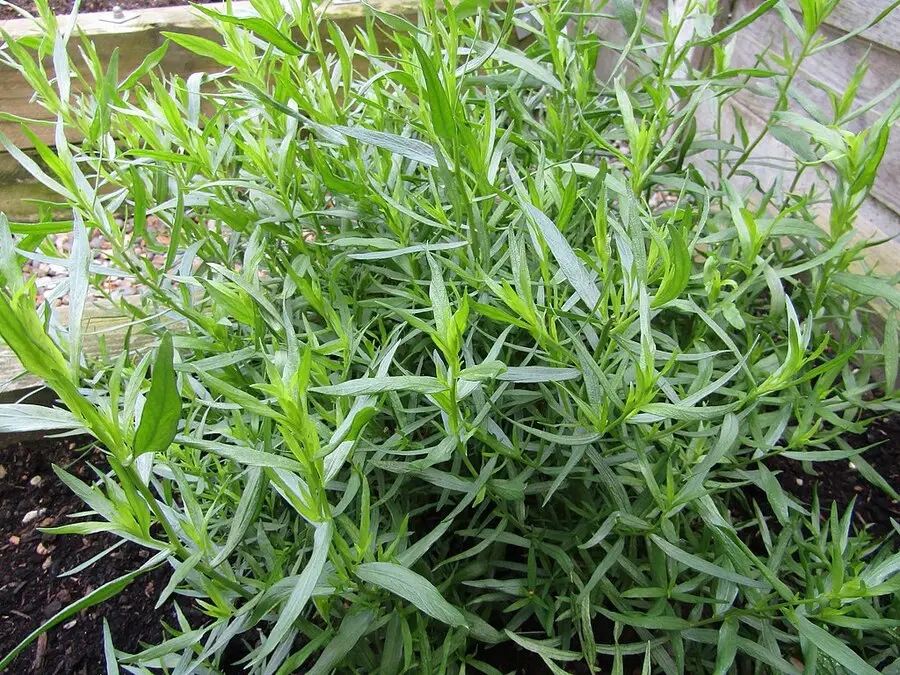
Growing French Tarragon Indoors comes down to a few simple rules: start with true French tarragon (not seeds), give it bright light, plant it in a fast-draining mix, and let the soil dry slightly between waterings.
Add regular pinching and sensible harvesting, and you’ll have a compact, productive herb you can snip from all year long.
Once you taste fresh tarragon in your cooking, you’ll understand why it’s worth the small effort.
Read more: 👉 Indoor Herb Growing Guide
📚 References & Further Reading (.edu)
- University of Illinois Extension – Tarragon: French
- Utah State University Extension – How to Grow French Tarragon in Your Garden
- Penn State Extension – Growing Herbs Indoors
- University of Maryland Extension – Tarragon
- NC State Extension – Plant Toolbox: Artemisia dracunculus
- UC Marin Master Gardeners (UC ANR) – French Tarragon