
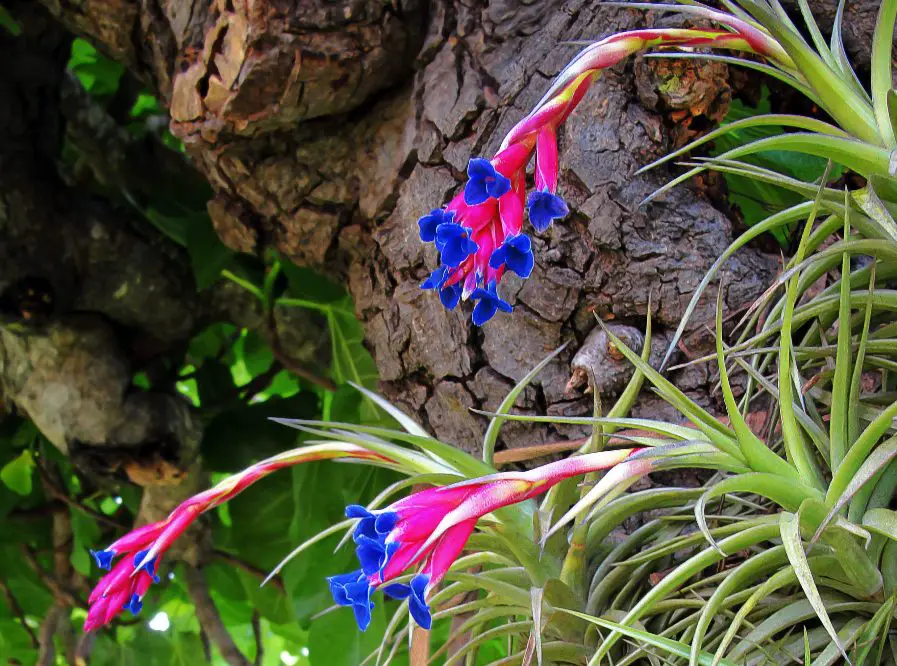
Do air plants need sun? Yes, but they grow best in bright, indirect light rather than direct sun.
Too much direct sunlight can dry them out, while too little light leads to slow growth and dull color.
Here’s how to get the light right so your air plants stay healthy and vibrant indoors.
What You’ll Learn 📖
- 🌿 How much light air plants actually need
- ☀️ The difference between direct and indirect sunlight
- 🌑 Which air plants tolerate low light
- 💡 How to use artificial light successfully
- ⚖️ How to balance light for healthy growth
- 🛑 Signs of too much or too little light
Do Air Plants Need Sun?
Yes. Air plants need light for photosynthesis, but most species grow best in bright indirect sunlight rather than intense direct sun. A spot near an east-facing window or several feet from a bright south-facing window is usually ideal.
A Quick Look at Air Plants (Tillandsia):
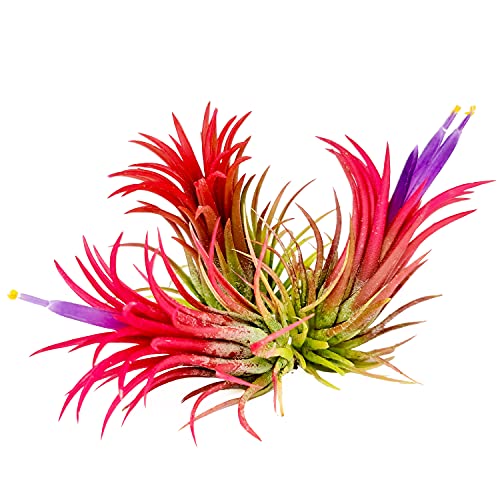
Air plants, also known as Tillandsia, are unique houseplants that absorb moisture and nutrients through their leaves rather than growing in soil. In nature they attach themselves to tree branches, rocks, and other surfaces where they receive filtered sunlight and excellent airflow.
Understanding how air plants grow in the wild makes it easier to provide the right lighting conditions indoors. Most species thrive in bright indirect light and can quickly show signs of stress when exposed to too much direct sun or prolonged darkness.
The Sun’s Role in Air Plant Health:
Now that we have a basic understanding of what air plants are, it’s time to discuss the role of sunlight in their growth and health.
Like other plants, air plants depend on sunlight for photosynthesis, which helps them create their own food.
But the question still remains: how much sunlight is ideal for these unique plants? Keep reading as we dig into their light requirements in more detail!
Light Requirements of Air Plants
You might be wondering, “How much sunlight do my air plants actually need?” Well, let’s dive into their light requirements together!
Air plants, like all plants, have their own specific needs when it comes to sunlight exposure.
Some thrive in bright, indirect light, while others can handle lower light conditions. Understanding the light requirements of your air plants is essential for keeping them healthy and happy.
So, let’s explore the ideal light conditions for various air plant species and make your indoor oasis even more vibrant!
Sunlight and Photosynthesis:
Let’s talk about why sunlight is so essential for air plants.
It’s all about photosynthesis, the process where plants convert sunlight, water, and carbon dioxide into glucose for energy and oxygen, which they release into the air.
Getting the right amount of light is crucial for air plants to perform photosynthesis efficiently.
Perfect Light Conditions for Different Air Plant Species:
Now, you might be asking what kind of light is best for your specific air plant. The answer is, it depends on the species!
Some air plants thrive in bright, indirect light, while others can manage just fine with less sunlight.
The trick is to identify your air plant species and adjust their light exposure accordingly.
Don’t worry, we’ll go over specific air plant types and their ideal light conditions soon, so you can create the perfect environment for your indoor garden!
Low Light Air Plants
Now that we’ve covered the basics of air plant light requirements, let’s dive into the world of low-light air plants.
Not all air plants crave tons of sunlight, and some can actually thrive in less-than-bright conditions.
In this section, we’ll explore the characteristics of low-light air plants, discuss some popular species, and share tips on how to keep them happy and healthy in your home.
Getting to Know Low Light Air Plants:
Some air plants are just naturally more comfortable in dimmer environments.
These low-light air plants often have thicker, greener leaves to help them capture and use the limited light they receive.
They might grow a bit slower than their sun-loving counterparts, but they can still be a lovely addition to your indoor garden.
Spotlight on Popular Low Light Air Plant Species:
There are quite a few air plant species that do well in lower light conditions.
Some favorites include Tillandsia bulbosa, Tillandsia caput-medusae, and Tillandsia ionantha.
Each of these species has its own unique appearance and care requirements, so be sure to learn about their individual needs to keep them looking their best.
Keeping Your Low Light Air Plants Happy:
So, how do you ensure your low-light air plants thrive? First, make sure you’re providing just the right amount of light, not too much, not too little.
Place them near a window with indirect light or in a room with some natural light, but avoid direct sunlight.
Also, remember to adjust your watering schedule, as low-light air plants might need less frequent watering compared to those in brighter environments.
Keep an eye on them, and with some attention and care, they’ll reward you with their unique beauty!
Measuring Light Levels
There are several ways you can measure light levels. You can use a par meter or a light meter. You may have an app for this on your phone.
An old grower’s trick is to use your hand above the plant. If the shadow is crisp then the light is bright.
If you have bright indirect light the outline of your hand will be fuzzy. And really low light will barely leave any shadow at all.
Can Air Plants Grow in Artificial Light?
Are you wondering if your air plants can flourish under artificial light? Well, you’re not alone!
Many plant enthusiasts find themselves pondering this question, especially when natural light isn’t readily available in their living spaces.
In this section, we’ll dive into the world of artificial lighting for air plants, exploring the types of light that can benefit them, as well as the pros and cons of using artificial light.
So, let’s get started and see if we can create a vibrant indoor garden even without abundant natural sunlight!
Finding the Right Artificial Light for Air Plants:
When it comes to artificial light, not all options are created equal. For air plants, full-spectrum fluorescent lights or LED grow lights are your best bet.
These types of lights mimic the sun’s natural spectrum, providing your air plants with the light they need to thrive.
Weighing the Pros and Cons of Artificial Light:
Artificial lighting has its perks, like the ability to control the duration and intensity of light exposure.
However, it also has some drawbacks, such as increased energy consumption and the potential for causing light burn if placed too close to your plants.
Overall, artificial light can be a great solution when natural light is scarce, but it’s essential to use it responsibly and monitor your plants for any signs of stress.
Making the Most of Artificial Light:
If you decide to use artificial light for your air plants, here are some tips to help you succeed.
First, ensure your chosen light source covers the full spectrum of light needed for photosynthesis.
Next, place the fluorescent light source about 6-12 inches above your plants, adjusting as necessary to avoid light burn.
LED lights are more intense so keep them further away. Every LED is different but I would start no closer than 24 inches.
Finally, remember to set a timer to simulate a natural day and night cycle, with about 10-14 hours of light per day.
Keep an eye on your air plants and adjust as needed to help them flourish under artificial light.
Mesic Air Plants
Now, let’s venture into the realm of mesic air plants!
These captivating plants have their own unique light requirements and characteristics, making them an interesting addition to your indoor garden.
In this section, we’ll discuss what mesic air plants are, their light preferences, and how to care for them properly.
So, let’s dive in and learn more about these fascinating plants and how to keep them thriving in your home!
Understanding Mesic Air Plants:
So, what exactly are mesic air plants? These unique air plants typically originate from environments with higher humidity and more consistent rainfall.
They’re often characterized by broader leaves that are more adept at absorbing water and nutrients from the air.
Their distinctive appearance and resilience make them a popular choice among air plant enthusiasts.
Lighting Up the Lives of Mesic Air Plant Species:
When it comes to light requirements, mesic air plants generally prefer bright, indirect light.
Some common mesic species include Tillandsia xerographica, Tillandsia brachycaulos, and Tillandsia streptophylla.
These plants will thrive with plenty of diffused light, but they may need protection from harsh, direct sunlight to avoid leaf burn.
The Right Light and Care for Mesic Air Plants:
To keep your mesic air plants happy and healthy, it’s essential to provide the right light exposure.
Place them near a bright window with indirect sunlight or use artificial light sources like full-spectrum LEDs or fluorescent lights.
Along with proper lighting, ensure you maintain adequate humidity and water your mesic air plants regularly, as they typically require more moisture than their xeric counterparts.
With the right care, your mesic air plants will reward you with lush growth and beautiful blooms!
Balancing Light Exposure for Optimal Air Plant Health

As we’ve discovered, light plays a crucial role in the health and happiness of air plants.
But how do we strike the perfect balance of light exposure for our green companions?
In this section, we’ll explore tips and techniques to fine-tune the lighting conditions in your space, ensuring your air plants receive the right amount of light for optimal growth.
So, let’s put our green thumbs to work and create the perfect environment for our air plant friends to thrive!
Reading the Signs of Light Exposure:
To ensure your air plants get the right amount of light, it’s essential to recognize the signs of too much or too little light exposure.
When air plants receive insufficient light, they may exhibit slow growth, dull coloration, or stretching toward the light source.
On the other hand, too much light can lead to sunburn, leaf curling, or bleaching of the leaves.
Fine-Tuning Light Conditions:
If you notice any signs of light stress in your air plants, it’s time to adjust their environment.
For plants receiving too little light, move them closer to a bright window or consider adding supplemental artificial light.
If your plants show signs of too much light, relocate them to a spot with more indirect light or provide some shade during the brightest parts of the day.
Remember about using your hand to measure light intensity. It comes in handy!
The Value of Regular Monitoring:
The key to balancing light exposure for your air plants is consistent observation.
Regularly check on your plants and monitor their overall health, growth, and appearance.
By keeping a close eye on them, you’ll be able to address any light-related issues promptly, ensuring your air plants remain healthy and vibrant!
Common Air Plant Light Problems
Why Are My Air Plant Leaves Turning Brown?
Brown leaves can be caused by excessive direct sunlight, dehydration, low humidity, or mineral buildup from hard water.
Why Is My Air Plant Losing Color?
Faded or dull color often indicates insufficient light. Moving the plant closer to a bright window usually helps restore healthy growth.
Why Are My Air Plant Leaves Curling?
Curling leaves are often a sign of dehydration, especially when combined with dry or crispy leaf tips.
Why Is My Air Plant Growing Slowly?
Slow growth is commonly linked to low light levels, cool temperatures, or inconsistent watering.
Air Plant FAQs
Air plants have become increasingly popular as houseplants due to their unique, soil-free nature and versatility in placement.
These intriguing plants are an excellent choice for people who want a low-maintenance, yet visually appealing, addition to their home.
Despite their relative ease of care, there are specifics that owners should be aware of to keep their air plants thriving.
This FAQ section will tackle some common questions that you might have about taking care of your air plants.
How often do you water an air plant?
Air plants should be soaked in water for about 30 minutes once a week. After soaking, shake off any excess water and let the plant dry fully before placing it back in its usual spot.
How do I make my air plant happy?
To make your air plant happy, provide it with a spot that receives bright, indirect sunlight, and good air circulation.
Additionally, soaking it once a week and misting it a few times a week can help maintain the appropriate humidity levels.
How do you keep air plants alive indoors?
Keeping air plants alive indoors involves placing them in a well-ventilated area with bright, indirect sunlight. Water them by soaking once a week and misting 2-3 times a week to maintain humidity.
Can air plants survive in a bathroom?
Air plants can survive in a bathroom if it receives sufficient light and has good air circulation. The added humidity from showers can also be beneficial.
What should you not do with an air plant?
Avoid placing air plants in direct sunlight, as it can scorch them. Also, steer clear of overwatering and ensure they are fully dry after soaking to prevent root rot.
Where is the best place to keep air plants?
The best place to keep air plants is in a well-ventilated area with bright, indirect sunlight. This can be near a window that receives filtered light or under artificial lighting.
Understanding the specific needs of air plants can make the difference between a thriving plant and a struggling one.
By following these tips and guidelines, you’ll be well on your way to keeping your air plants healthy and vibrant.
Do Air Plants Need Sun? Final Thoughts
Do Air Plants Need Sun? Final Thoughts
Air plants need light to stay healthy, but most species perform best in bright indirect sunlight rather than prolonged exposure to harsh direct sun. Finding the right balance helps maintain healthy growth, vibrant color, and successful flowering.
If natural light is limited, many air plants can also adapt well to quality LED grow lights or fluorescent lighting. The key is providing consistent light while avoiding conditions that cause scorching or dehydration.
From understanding photosynthesis to uncovering the secrets of low light and mesic air plants, we’ve gained valuable insights into creating the perfect environment for our leafy friends.
By monitoring your plants and adjusting their location as needed, you can create the ideal environment for long-term success and enjoy healthy air plants for years to come.