
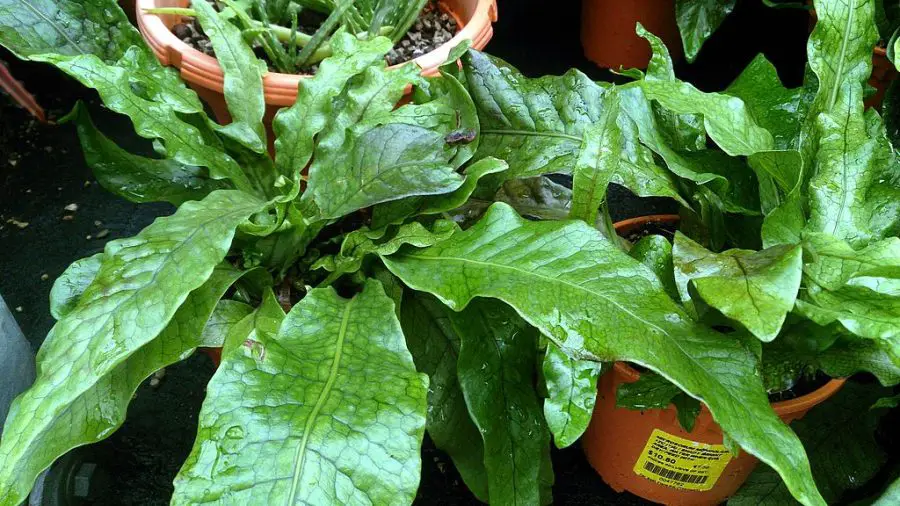
If you’re trying to add a bold, textured plant to your indoor space, the crocodile fern is a fun one to grow.
Those patterned fronds look wild, but with the right approach it’s surprisingly doable to keep this fern happy.
In this guide, you’ll learn everything you need to make Crocodile Fern Care Indoors feel effortless—better humidity, easier watering habits, and simple ways to keep the foliage lush year-round. Ready to help yours thrive? Let’s jump in.
What You’ll Learn 🌿
- 🌤️ The kind of light crocodile ferns need to stay green and crisp (not scorched).
- 💧 How to water and boost humidity without causing root rot.
- 🪴 The best soil mix, pot type, and when to repot or divide your plant.
- 🚑 How to fix brown tips, droopy fronds, and other common crocodile fern problems.
- 🌱 Simple ways to propagate your plant and grow extra ferns to share.
🐊 Crocodile Fern Care Indoors: 7 Easy Tips for Lush Growth

If you love bold foliage, the crocodile fern (Microsorum musifolium ‘Crocodyllus’) is hard to beat. Those textured fronds look like reptile skin, but the plant itself is surprisingly forgiving once you understand its basic needs.
This Crocodile Fern indoor care guide walks you through light, water, humidity, soil, and troubleshooting so you can enjoy a healthy, jungle-style plant on a shelf, plant stand, or in a hanging basket. 🌿
What Is a Crocodile Fern?
Crocodile ferns are tropical, epiphytic ferns native to Southeast Asia and Australia. In the wild they grow on trees and rocks; indoors they adapt well to pots as long as they get steady moisture and humidity.
- 🧬 Botanical name: Microsorum musifolium ‘Crocodyllus’
- 🌍 Origin: Tropical Southeast Asia and Australia
- 📏 Size: About 2–3 ft (60–90 cm) tall and wide in good conditions
- 🌿 Look: Long, glossy fronds with raised veins that resemble crocodile skin
- 🌱 Growth habit: Upright, spreading rosette from a creeping rhizome
Crocodile Fern Care Quick Reference
| Characteristic | Details |
|---|---|
| Common Name | Crocodile fern, alligator fern |
| Botanical Name | Microsorum musifolium ‘Crocodyllus’ |
| Plant Type | Epiphytic tropical fern (grown as foliage houseplant) |
| Light | Bright, indirect light; tolerates medium–low light |
| Watering | Keep soil evenly moist; let top 1 inch dry slightly between waterings |
| Humidity | Prefers 50–60%+; avoid very dry air |
| Soil | Loose, well-draining mix with peat or coco coir plus bark/perlite |
| Temperature | 60–75°F (16–24°C); avoid cold drafts |
| Feeding | Dilute balanced fertilizer every 4–6 weeks in spring–summer |
| Repotting | Every 1–2 years or when root-bound |
| Hardiness | USDA 10–11; grown indoors elsewhere |
🛒 Want to add one to your collection? You can buy a crocodile fern here.
7 Easy Tips for Lush Crocodile Fern Growth
1. Give It Bright, Indirect Light 🌤️
- Place your fern near an east or north-facing window with soft, filtered light.
- A few feet back from a bright south or west window works if the sun doesn’t hit the leaves directly.
- Avoid strong, direct midday sun – it can scorch and fade the fronds.
- In very low light it survives, but growth is slower and fronds may stretch and lose texture.
2. Keep the Soil Evenly Moist (Not Soggy) 💧
- Check the top 1 inch of soil with your finger:
- ✅ Slightly dry on top → time to water.
- ❌ Still damp → wait a day or two.
- Water thoroughly until excess drains from the bottom of the pot.
- Don’t let the mix dry out completely – that leads to crispy, brown tips.
- If your tap water is very hard or heavily chlorinated, switch to filtered, distilled, or rainwater if you see persistent brown edges.
3. Boost Humidity Around Your Fern 🌫️
- Aim for at least 50–60% humidity for best growth.
- Group your crocodile fern with other plants to create a more humid micro-climate.
- Set the pot on a pebble tray filled with water, keeping the pot above the waterline.
- Use a small room humidifier in winter or in very dry homes.
- Light misting is fine, but don’t drench the fronds daily – consistent room humidity works better.
4. Use an Airy, Fern-Friendly Soil Mix 🪴
- Start with a high-quality indoor potting mix.
- Improve drainage and airflow by mixing in:
- 🌱 Coco coir or peat moss for moisture retention.
- 🪨 Perlite or pumice for drainage.
- 🌳 Fine orchid bark for an epiphytic, “root-breathing” texture.
- Soil should feel loose and springy, not heavy or compacted.
5. Feed Lightly During the Growing Season 🌱
- Use a balanced liquid houseplant fertilizer at half strength.
- Feed every 4–6 weeks in spring and summer when you see active growth.
- Skip or greatly reduce feeding in fall and winter.
- If fronds look pale or growth slows in good light, a gentle feeding often perks the plant up.
6. Keep It Warm and Draft-Free 🔥
- Ideal temperature range is 60–75°F (16–24°C).
- Protect from cold drafts near doors and leaky windows.
- Avoid placing the fern right in front of heaters or AC vents – hot, dry air scorches fronds.
- If your home is cooler at night, keep the plant away from cold glass in winter.
7. Repot and Divide When the Pot Fills Up 🧺
- Check the roots once a year:
- Roots circling the pot or poking out drainage holes → time to repot.
- Choose a pot 1–2 inches wider with good drainage holes; terracotta works well.
- Gently loosen the root ball and trim any dead, mushy roots.
- Refresh with your airy fern mix and water thoroughly.
- If the clump is large, you can divide it into 2–3 sections, each with roots and fronds, and pot them separately.
Propagation: Make More Crocodile Ferns 🌱
The easiest way to multiply your crocodile fern is by division when you repot.
- Slide the plant out of the pot and gently shake off some soil.
- Look for natural clumps along the rhizome with their own roots and fronds.
- Use a clean, sharp knife to separate sections if needed.
- Pot each piece into fresh mix, keep evenly moist, and provide bright, indirect light.
Spore propagation is possible but slow and fiddly, so most home gardeners stick with division.
Common Crocodile Fern Problems & Fixes 🚑
- Brown tips or crispy edges:
- Likely low humidity or underwatering.
- Increase humidity, check soil more often, and avoid letting the mix fully dry out.
- Yellowing leaves from the base:
- Often a sign of overwatering or poor drainage.
- Let the top layer dry a bit more, and make sure the pot drains freely.
- Dull, stretched growth:
- Usually not enough light.
- Move closer to a bright window with filtered light.
- Drooping or limp fronds:
- Can be either underwatering or recent repotting/division shock.
- Check soil moisture, keep conditions steady, and give the plant time to recover.
- Pests (scale, mealybugs, spider mites):
- Wipe leaves with a damp cloth and treat with insecticidal soap or neem oil.
- Improve airflow and inspect regularly so infestations don’t get ahead of you.
Crocodile Fern Care FAQs ❓
Do crocodile ferns need sun or shade?
Crocodile ferns prefer bright, indirect light. They don’t like harsh, direct sun on their fronds, but they also won’t thrive in deep shade. A bright room with filtered light is ideal.
Is crocodile fern easy to care for indoors?
Yes, it’s moderately easy as long as you give it steady moisture, decent humidity, and gentle light. Once you dial in watering and humidity, it’s much less fussy than many other ferns.
How often should I water a crocodile fern?
Water whenever the top 1 inch of soil feels slightly dry. In bright conditions that might be every 4–7 days; in lower light it can stretch closer to 7–10 days. Always adjust to your room, not the calendar.
Why are my crocodile fern leaves turning brown?
Brown tips usually mean dry air or letting the soil dry out too much. Brown patches or whole fronds going brown can also come from hot, direct sun or overfertilizing.
Can crocodile ferns grow in low light?
They can tolerate medium–low light and still survive, but growth will be slower and the plant may look less full. For best texture and color, aim for bright, indirect light.
Crocodile Fern Indoor Care: Final Thoughts 🌿

Once you understand what this fern likes—soft light, even moisture, and extra humidity—it becomes a reliable, eye-catching houseplant rather than a diva. Start with a healthy plant, give it an airy mix and a bright, draft-free spot, and tweak your watering based on how quickly the soil dries in your home.
Crocodile Fern Care Key Takeaways ✅
- 🌤️ Keep your crocodile fern in bright, indirect light and out of harsh sun.
- 💧 Maintain evenly moist, well-draining soil and never let it stay soggy.
- 🌫️ Boost humidity with grouping, pebble trays, or a small humidifier.
- 🪴 Use an airy mix with coco coir/peat, perlite, and bark, and repot every 1–2 years.
- 🌱 Divide the rootball during repotting if you want easy new plants to share.
Read more:
👉 Indoor Ferns Care – 11 Tips and Tricks for Beginners