
This post may contain affiliate links. If you buy something from one of our links we may earn a commission. Thanks
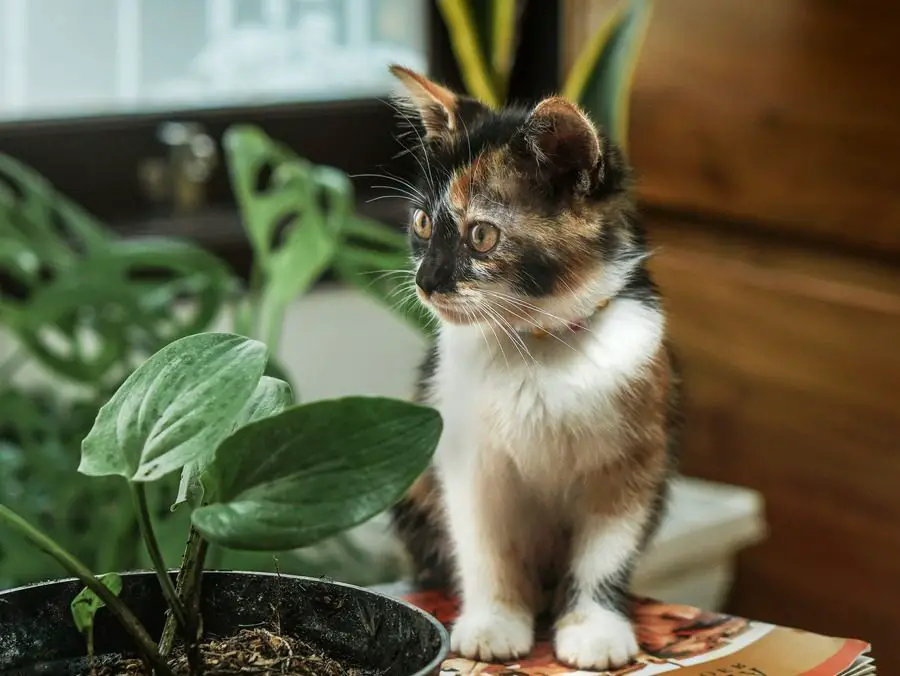
🐱🌿 Living small doesn’t mean giving up on plants—especially when you’ve got a curious cat at home. In this guide, you’ll explore Cat-Safe Indoor Plants for Small Apartments, all compact, non-toxic options that thrive in tight spaces and help you create a cozy, green corner your cat can enjoy safely.
Cat-Safe Indoor Plants for Small Apartments 🐱🌿
Sharing a tiny apartment with a curious cat can make indoor plants feel tricky. You want a cozy, green space, but you also don’t want to worry about every leaf your cat sniffs, bats, or chews.
The good news: you can absolutely enjoy houseplants in a small place and keep your cat safe. It just takes the right plant list, a little smart placement, and a quick safety check before anything comes home from the nursery.
Beginner question: “Which houseplants are safe for cats in a tiny apartment?” Let’s walk through some cat-safe options that actually fit on window sills, shelves, and small tables.
What You’ll Learn 🐾
- 🐱 How to choose truly cat-safe indoor plants for small apartments
- 🌿 Compact, non-toxic plants that fit on sills, shelves, and hanging planters
- 💡 Simple light and watering tips so you don’t overthink the care
- 📍 Smart placement ideas so plants don’t become kitty toys
- 🚫 Popular houseplants to skip if you live with cats
- ✔️ How to double-check any plant with trusted cat-safety resources
What “Cat-Safe” Really Means (And What It Doesn’t) 🐾
When you’re shopping for plants with a cat at home, you’ll see words like “pet-safe,” “non-toxic,” and “cat-friendly.” It helps to know what those really mean.
- Cat-safe / non-toxic: The plant is not expected to cause serious poisoning in cats if they take a small nibble.
- Toxic: The plant contains substances that can cause more serious problems—like kidney, heart, or neurological issues—if eaten.
Even “non-toxic” plants can still cause mild vomiting, soft stool, or drooling if your cat eats a lot of foliage. So “cat-safe” doesn’t mean your cat should munch your plants like salad—it just gives you a safer baseline if accidents happen.
Your goal is a simple combo: choose plants from a cat-safe list, then set them up in places where your cat is less likely to knock them over or shred them for fun.
Tiny Apartment, Big Cat Energy: Special Challenges 🏢😼
Small apartments make the whole plant-and-cat puzzle a little more interesting. There’s less space to separate “plant zones” from “cat highways,” and your cat can probably access almost every surface with one or two well-placed jumps.
- 🏙️ Window sills double as sunbathing spots.
- 📚 Bookshelves become cat walkways.
- 🛋️ The back of your couch may be the main route to the window.
That’s why in tight spaces, it’s usually easiest to:
- Stick to non-toxic plants only, rather than trying to hide toxic ones “up high.”
- Use vertical space—wall shelves, hanging planters, window shelves—so plants have their own little zones.
- Avoid trailing plants in spots your cat uses as a daily walkway (they’ll be swatted constantly).
Cat-Safe Indoor Plants for Small Apartments 🌿🐱
All of the plants below are commonly listed as non-toxic to cats by trusted pet and horticulture sources. Still, it’s smart to double-check specific varieties before you buy—especially if your cat is a determined chewer.
For each plant, you’ll see why it works in a small apartment, basic care, and how it fits into a cat-filled home.
Spider Plant (Chlorophytum comosum) 🕷️🌱

Spider plants are one of the easiest cat-safe houseplants you can grow. They’re tough, adaptable, and look great in hanging baskets or on bright shelves.
- Why it works in small apartments: Narrow, arching leaves don’t need a lot of horizontal space. Hanging pots free up floor space, which is gold in a studio.
- Light: Bright, indirect light is best, but they adapt to medium light.
- Water: Let the top inch of soil dry between waterings.
- Cat note: Many cats love batting the baby spiderettes. Hang them high if your cat is obsessed, or embrace it as a safe, supervised “toy.”
Parlor Palm (Chamaedorea elegans) 🌴

Parlor palms bring a soft, tropical feel to tiny spaces without sharp fronds or toxic sap. They’re gentle, non-toxic, and naturally compact indoors.
- Why it works in small apartments: It grows slowly and stays reasonably small in containers, so it fits in corners and next to chairs.
- Light: Low to medium, indirect light—great for living rooms with filtered light.
- Water: Keep soil lightly moist, letting the top layer dry slightly between drinks.
- Cat note: Soft fronds sway instead of snapping. Use a heavier pot if your cat likes to zoom past it at full speed.
Cast Iron Plant (Aspidistra elatior) 🛡️

Cast iron plant is practically built for small, low-light apartments. It tolerates neglect, shade, and a bit of rough treatment—which is perfect if you live with a bold cat.
- Why it works in small apartments: It can handle darker corners where other plants sulk, freeing your brighter spots for fussier plants.
- Light: Low to medium light; avoid harsh direct sun.
- Water: Let the top few inches of soil dry before watering again.
- Cat note: Thick, upright leaves stand up well to brushing, and it’s a solid option for floor-level greenery in cat homes.
Baby Rubber Plant (Peperomia obtusifolia) 🌱
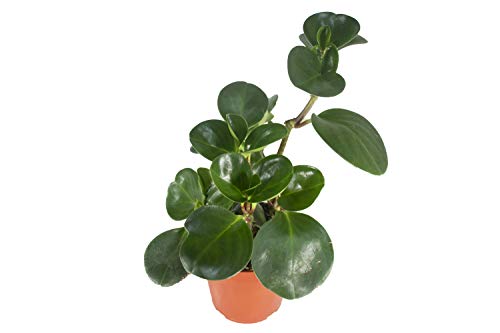
Baby rubber plant (a peperomia, not a true rubber tree) is compact, tidy, and commonly listed as non-toxic to cats. It’s a perfect little accent plant for shelves and side tables.
- Why it works in small apartments: It stays small and doesn’t sprawl wildly, which is ideal when you’re short on space.
- Light: Medium to bright, indirect light.
- Water: Allow the top inch of soil to dry before watering; the thick leaves store moisture.
- Cat note: Not as dangly or stringy as some plants, so it tends to be less toy-like for cats.
African Violet (Saintpaulia) 🌸

If you want flowers that won’t put your cat at risk, African violets are a classic choice. They stay compact and bloom in a wide range of colors.
- Why it works in small apartments: Perfect for narrow window sills and tiny plant stands, especially in bright but not-burning light.
- Light: Bright, indirect light; direct sun can scorch leaves.
- Water: Keep soil lightly moist and try not to splash water on the leaves.
- Cat note: Non-toxic, but delicate—place away from favorite cat nap spots to avoid flattened flowers.
Calathea & Prayer Plants (Calathea spp., Maranta) 🌀

Calatheas and their prayer plant cousins are known for their patterned leaves and evening “folding” habits. Many are considered non-toxic to cats, and they bring serious style to small spaces.

- Why they work in small apartments: Most stay medium-sized and can live happily on shelves, stands, or plant corners.
- Light: Medium to bright, indirect light; avoid harsh direct rays.
- Water: Prefer evenly moist soil and a bit more humidity.
- Cat note: The moving leaves can fascinate some cats, so place where they’re visible but not easy to jump directly onto.
Bird’s Nest Fern (Asplenium nidus) 🪹🌿

Bird’s nest fern forms a tidy rosette of broad, wavy fronds. It’s cat-safe and a little less messy than lacy ferns for most homes.
- Why it works in small apartments: Upright and compact, it doesn’t sprawl across surfaces like some ferns do.
- Light: Medium to bright, indirect light.
- Water: Keep soil slightly moist and boost humidity when possible.
- Cat note: Thick fronds are sturdier than fluffy fern fronds and less tempting to shred.
Boston Fern (Nephrolepis exaltata) 🌿

Boston ferns are pet-safe classics that create lush, arching fronds. They can be a bit messier than some plants, but they bring huge visual impact to tiny spaces.
- Why it works in small apartments: Hanging Boston ferns use vertical real estate instead of limited floor space.
- Light: Bright, indirect light; direct sun can crisp the fronds.
- Water: Keep soil consistently moist and humidity higher, especially in winter heat.
- Cat note: Some cats will bat at the fronds; hang them high where cats can’t easily jump and nest in the pot.
Christmas Cactus (Schlumbergera) 🎄🌺

Christmas cactus is a long-lived, cat-safe favorite that rewards you with seasonal blooms in surprisingly small pots.
- Why it works in small apartments: It thrives in modest-sized containers and fits on sills, shelves, and narrow ledges.
- Light: Bright, indirect light; a bit of cooler fall temperature helps trigger blooms.
- Water: Water when the top of the soil feels dry; don’t let it sit in water.
- Cat note: Fleshy segments are non-toxic but can still cause mild stomach upset if eaten in large amounts—try to keep it off the daily cat highway.
Moth Orchid (Phalaenopsis) 🦋
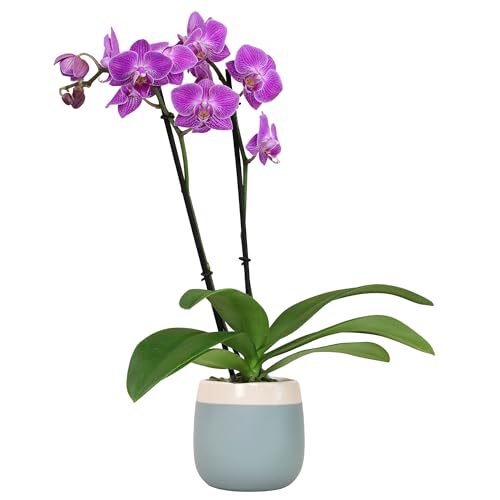
Moth orchids are elegant, cat-safe bloomers that take up very little horizontal room. They’re perfect for adding color without sacrificing floor space.
- Why it works in small apartments: A single orchid can live happily on a narrow window ledge or small shelf.
- Light: Bright, indirect light—east or north windows are often ideal.
- Water: Water thoroughly, then allow the potting mix to drain well; do not keep roots constantly soggy.
- Cat note: Place in a spot where cats can admire from a distance, not a surface they’re used to racing across.
Fittonia (Nerve Plant) & Mini Peperomias 🌈

Tiny plants like nerve plant (Fittonia) and small peperomias are great for micro-spaces. Many varieties are considered non-toxic and come in eye-catching colors or patterns.

- Why they work in small apartments: They fit in spots other plants can’t—desk corners, narrow shelves, small plant clusters.
- Light: Usually medium to bright, indirect light (always check specific variety needs).
- Water: Nerve plants prefer more consistent moisture; many peperomias like to dry slightly between waterings.
- Cat note: Because they’re small, they’re easy to crush or knock off—keep them on stable shelves or consider a glass cloche or terrarium style setup.
Houseplants to Skip If You Have Cats 🚫
Some of the most popular houseplants are unfortunately not cat-safe. In a tiny apartment—where your cat can reach almost everything—it’s usually easiest to avoid toxic plants entirely.
Common houseplants often listed as toxic to cats include:
- True lilies (many types), plus some lily-like plants
- Peace lily
- Pothos (Epipremnum aureum)
- Philodendron (many species)
- Dieffenbachia (dumb cane)
- Sago palm
- Snake plant (Sansevieria)
- Jade plant
- Aloe (problematic for pets even though we use the gel)
- Monstera / Swiss cheese plant
If your cat is a climber, jumper, or chewer, it’s safest to keep these off your plant wish list and build your jungle from non-toxic options instead.
Smart Placement in Small Apartments: Out of Paw Range 📍😼
Where you put your plants can matter just as much as which plants you choose. In a small space, think like a cat and design your plant layout accordingly.
Think vertically
- 🧱 Use wall shelves or floating shelves for plants where cats can’t easily jump.
- 🪴 Add hanging planters near windows, anchored securely into studs or sturdy anchors.
- 🪟 Consider suction-cup or bracketed window shelves for compact, cat-safe plants.
Avoid cat highways
- 🚫 Skip placing plants on the one windowsill your cat uses as a lookout.
- 🚫 Don’t put delicate plants on top of the fridge if that’s a favorite perch.
- ✅ Tuck plants into corners or shelves that aren’t part of daily zoomie routes.
Protect the soil
- 🪨 Add a top layer of pebbles or aquarium gravel to make pots less tempting as litter boxes.
- 🧴 Avoid strong-smelling fertilizers or soil amendments that might attract extra sniffing and digging.
Redirect the Cat: Give Them Something Better to Chew 🌾🐱
You’ll have more success protecting your plants if your cat has something better to interact with.
- Grow cat grass: A small pot of wheat, oat, or barley grass gives your cat a safe place to chew.
- Set up a window perch: Give them a dedicated viewing spot so they’re less likely to stomp through plants for a view.
- Add vertical scratchers: Scratching posts near windows and doors help burn energy that might otherwise go into shredding leaves.
- Rotate toys and puzzles: A mentally-stimulated cat is less likely to dig in your pots out of boredom.
Double-Check Before You Buy: Cat-Safe Plant Resources 📘
Whenever you’re not sure about a plant, pausing to look it up is one of the best habits you can build as a cat parent.
Always try to check both the common name and the scientific name of a plant before you bring it home—especially if your cat likes to nibble or explore everything.
🌿 Quick Safety Reminder for Cat Parents
“Cat-safe” or “non-toxic” usually means a plant is unlikely to cause serious poisoning in small amounts – it doesn’t mean your cat can eat it like a snack with no side effects. Even safe plants can still cause mild stomach upset if your cat chews a lot of foliage.
Before a new plant comes through the door, take a minute to verify it on a trusted list. That quick check can save worry (and a vet visit) later.
FAQs: Cat-Safe Indoor Plants for Small Apartments ❓
What’s the easiest cat-safe indoor plant for beginners?
Spider plant, cast iron plant, and parlor palm are all great starter options if you’re new to plants and live with a cat. They’re commonly listed as non-toxic, tolerate a bit of care inconsistency, and are easy to find in most garden centers.
Are spider plants really safe for cats?
Spider plants are generally considered non-toxic to cats, which makes them a popular choice in pet homes. Some cats get very excited by the dangling leaves and may nibble or play with them. A small taste is unlikely to be dangerous, but eating a lot of plant material can still cause mild stomach upset, so it’s best to hang them where your cat can’t chew on them constantly.
How do I stop my cat from turning my plants into toys?
First, move plants off your cat’s main walkways and nap spots. Use shelves, wall planters, and hanging pots to give plants their own spaces. Then, offer your cat alternatives—cat grass, scratching posts, and toys—so they have something better to interact with. Gently redirect them when they reach for plants and reward them for leaving plants alone.
Can I keep toxic plants if I put them up high?
In a small apartment, it’s hard to guarantee your cat can’t reach any “high” location. Many cats will happily jump to the top of bookshelves, fridges, or cabinets if they’re curious. For most small homes, the safest and simplest option is to skip toxic plants entirely and build your collection from non-toxic choices instead.
Do cat-safe plants still cause hairballs or tummy issues?
They can. Even non-toxic plants add extra fiber and plant material to your cat’s system, which can contribute to mild stomach upset or hairballs if your cat eats a lot of leaves. It’s still better to have cat-safe plants than toxic ones, but you’ll want to discourage constant nibbling and offer cat grass as the main “chew” option.
What should I do if my cat eats part of a plant and I don’t know if it’s safe?
Start by moving the plant where your cat can’t keep snacking on it. Try to identify the plant using tags, receipts, or photos, then look it up on a trusted plant safety list. If you can’t confirm that the plant is non-toxic, or if your cat shows concerning symptoms like repeated vomiting, lethargy, or difficulty breathing, contact your veterinarian or an animal poison hotline right away.
Conclusion: A Cat-Friendly Jungle in a Tiny Home 🌿🐱✨
You don’t need a big house to enjoy plants with your cat. With a short list of cat-safe, compact plants and a little attention to placement, you can turn even a small apartment into a cozy, green retreat.
- Start with 1–3 easy, non-toxic plants like spider plant, cast iron plant, or African violet.
- Use shelves, window spots, and hanging planters to give plants their own space.
- Offer your cat grass and enrichment so they’re less tempted to play with your plants.
- Make it a habit to double-check plant safety before anything comes home.
Over time, you can build a whole cat-friendly indoor jungle that fits your small apartment—and still keeps your favorite feline safe and happy.
👉 Best Pet Friendly Indoor Plants for Small Spaces
References 📚
- University of Maryland Extension – Are Your Houseplants Safe for Your Pet? (PDF)
- Cornell Cooperative Extension – Pet-Safe Gardening
- University of Florida IFAS Extension – Pet-Friendly Plants & Toxicity Risks
- Washington State University Extension – Pet-Friendly Gardening (PDF)
- University of Tennessee Extension – Growing Indoor Plants with Pets (W1128-C PDF)
- ASPCA – Toxic and Non-Toxic Plants List