
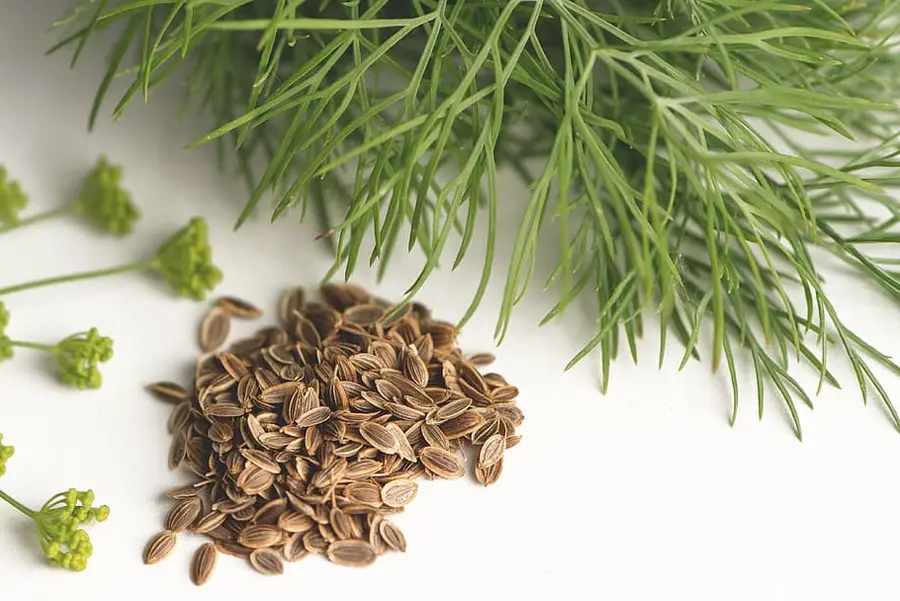
🌿 If you’ve ever wished you could grab a handful of fresh dill while cooking—without running to the store—you’re in the right place.
You might be asking Can You Grow Dill Indoors? The answer is Yes!
Indoor dill isn’t just possible; it’s surprisingly easy once you know how to handle its light needs and long taproot.
Let’s walk through the simplest method beginners can follow to grow gorgeous, flavorful dill indoors.
⭐ What You’ll Learn
- 🌞 How much light dill really needs indoors
- 🪴 The easiest, most reliable way to grow dill from seed
- 💧 Watering and fertilizing tips that prevent weak, leggy stems
- ✂️ How to prune dill so it keeps producing fresh fronds
- 🌱 Whether dill grows back after cutting
- 🐛 How to solve common indoor dill problems
- 🍽️ Simple ways to use and store your fresh dill
🌿 Introduction: Can You Really Grow Dill Indoors?
If you’ve tried other herbs indoors—basil, mint, oregano—you’ve probably noticed how forgiving most kitchen herbs can be.
Dill is a little different. It has a tall, delicate structure, a surprisingly deep taproot, and a tendency to bolt early when stressed.
🏡 But here’s the good news: once you understand what dill wants (hint: lots of light and a deeper pot), it becomes one of the most rewarding herbs to grow inside.
It germinates quickly, the fronds are beautifully aromatic, and the flavor is unbeatable fresh.
This guide breaks it all down into simple, beginner-friendly steps—no gardening experience needed.
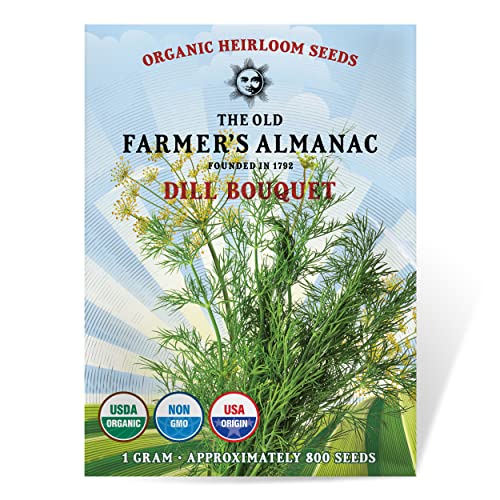
Dill Plant Care Reference Guide
| Characteristic | Details |
|---|---|
| Common Name | Dill |
| Botanical Name | Anethum graveolens |
| Native Habitat | Mediterranean and West Asia |
| Plant Type | Annual herb |
| Growth Pattern | Upright, airy stems with fine feathery foliage |
| Mature Size | 18–24 inches tall indoors |
| Watering | Keep evenly moist; water when top inch is dry; avoid soggy soil |
| Light/Sun Exposure | 5–6 hours direct sun or 12–14 hours under a grow light |
| Soil Type | Light, well-draining potting mix with perlite |
| Soil pH | 6.0–7.5 |
| Temperature | 60–75°F (16–24°C) |
| Humidity | Average indoor humidity (30–50%) |
| Bloom Time & Flower Color | Late season; yellow umbel flowers |
| Potential Problems | Legginess, yellowing from overwatering, aphids, spider mites, premature bolting |
| Repotting | Not recommended; sow seeds directly due to long taproot |
| Hardiness Zones (USDA) | Zones 2–11 (grown as an annual) |
🌞 How Much Light Does Dill Need Indoors?
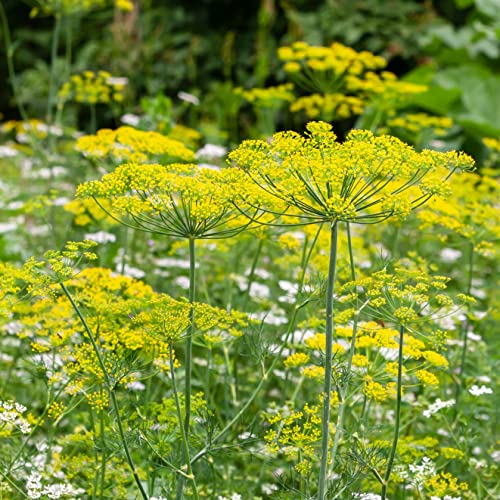
Dill is a sun-lover through and through. Indoors, your biggest job is making sure it gets enough light to grow strong instead of flimsy or floppy.
💡 Natural Light Requirements
- 🌅 South- or west-facing windows give the best results.
- 🌤️ Dill needs at least 5–6 hours of direct sunlight to stay compact.
- 🌱 Less than this and it grows tall, thin, and pale.
Signs your dill needs more light:
- Stems bending toward the window
- Stretchy, leggy growth
- Pale or yellowing fronds
🔌 Using Grow Lights (Beginner-Friendly)
If you don’t have a sunny window, a small grow light works wonders.
- 💡 LED grow lights are ideal for beginners.
- ⏱️ Keep lights on about 12–14 hours per day.
- 📏 Position the light 6–10 inches above the plant.
- 🔄 Raise the light as your dill gets taller to avoid burning the tips.
Grow lights make dill significantly sturdier and prevent that “falling over” look new growers often see.
🪴 Choosing the Right Container & Soil for Indoor Dill
Dill has one of the deepest taproots of any common herb—so the pot you pick matters.
🪵 Best Containers for Dill Indoors
- 📏 Choose a pot 8–10 inches deep minimum.
- 🪴 Tall, narrow containers work better than shallow bowls.
- 💨 Dill hates wet feet, so drainage holes are a must.
- 🍃 Terracotta helps prevent soggy soil.
🌱 Soil Mix That Keeps Dill Happy
Dill grows best in a light, airy potting mix. Look for:
- 🌿 Standard indoor potting soil.
- 🌾 Added perlite for drainage.
- 🌬️ A fluffy mix that doesn’t compact easily.
Avoid garden soil—it’s too heavy and increases the risk of root rot.
🌱 Starting Dill Indoors: Seeds vs. Store-Bought Plants

You can buy a young dill plant, but starting from seed is far easier and usually leads to better results.
🌱 Starting from Seed (The Easiest Method)

Dill doesn’t transplant well because of its long taproot, so sowing directly into the final container is best.
- 🌱 Sow seeds about ¼ inch deep.
- 🌡️ Keep soil warm (65–70°F is ideal).
- 💧 Mist lightly until seedlings appear.
- 🌱 Germination usually takes 7–10 days.
To prevent damping off:
- Keep good airflow.
- Avoid overwatering.
- Let the soil surface dry slightly between mistings.
🌿 Buying a Dill Plant Instead
If you pick up a grocery-store or garden-center dill:
- Choose a plant with strong stems and bright green fronds.
- Avoid overcrowded or leggy plants.
- Place it in bright light immediately to prevent shock.
- Repot gently to avoid disturbing the taproot.
💧 Watering & Fertilizing Dill Indoors
Dill likes consistent moisture—but not soggy roots.
💧 How to Water Dill Without Overdoing It
- Water when the top inch of soil feels dry.
- Use the “deep soak” method: water thoroughly until excess drains out.
- Dump saucer water to avoid root rot.
Overwatering signs:
- Yellowing leaves
- Soft stems
- Drooping despite wet soil
Underwatering signs:
- Crispy frond tips
- Stunted growth
🌼 Fertilizing Dill Indoors
Dill doesn’t need much fertilizing. Too much actually makes it weak.
- Feed every 4–6 weeks with a diluted, balanced fertilizer.
- Organic liquid feeds work great.
- Skip fertilizing entirely if your plant looks stressed.
✂️ How to Prune & Harvest Dill Indoors for Continuous Growth

This is where most beginners go wrong—dill needs regular pruning.
✂️ Pruning Basics Beginners Usually Miss
- Start trimming once your plant hits 6–8 inches tall.
- Always cut above a leaf node to encourage branching.
- Remove tall, weak stems early to keep the plant compact.
Light, frequent pruning makes dill fuller and delays bolting.
🌿 Harvesting Without Hurting the Plant
- Take only the top ⅓ at one time.
- Harvest in the morning for the best flavor.
- Continuous gentle harvests keep new fronds coming.
Will dill grow back after cutting?
Yes—if you harvest correctly. Trim from the top and leave at least half the plant intact.
Storing dill:
- 🧊 Freeze chopped dill in olive oil cubes.
- 🌬️ Air-dry stems and crumble later.
- 🥒 Use fresh dill for dips, salads, seafood, and pickling.
🌼 Managing Dill’s Natural Lifecycle Indoors
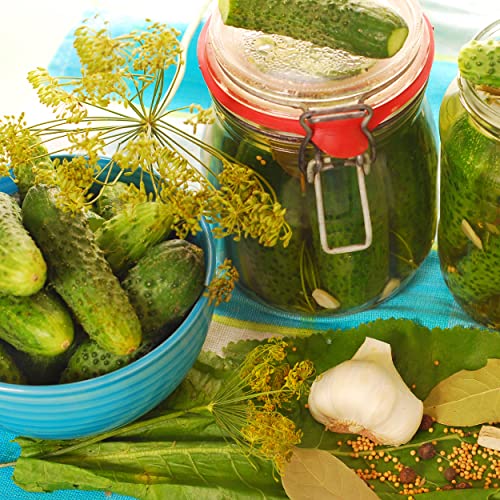
Dill grows quickly, and it also bolts quickly.
🌼 When Dill Starts to Bolt
Bolting means producing flowers and seeds. Indoors, bolting can happen early because:
- Temps are warm.
- Light may fluctuate.
- Stress speeds up the lifecycle.
To slow bolting:
- Keep pruning the tallest stems.
- Maintain consistent light.
- Don’t over-fertilize.
🌾 Saving Dill Seeds Indoors
Once flowers form:
- Wait for seed heads to turn tan.
- Snip the umbel.
- Dry on a tray indoors.
You can use the seeds for cooking or to replant another batch.
Indoor dill usually lasts 3–4 months before slowing down, so reseeding ensures a year-round supply.
🐛 Troubleshooting Common Indoor Dill Problems
🧵 Leggy, Weak Stems
Often caused by:
- Insufficient light
- Grow light set too far away
Fix:
- Increase direct light or lower the grow light.
- Rotate the pot regularly.
🍂 Yellowing Leaves
Possible causes:
- Overwatering
- Poor drainage
- Not enough light
🕷️ Pests on Indoor Dill
Dill is relatively pest-resistant, but you may see:
- Aphids
- Spider mites
Solutions:
- Rinse stems under running water.
- Use insecticidal soap if needed.
- Improve airflow.
🍽️ Easy Ways to Use Fresh Indoor Dill
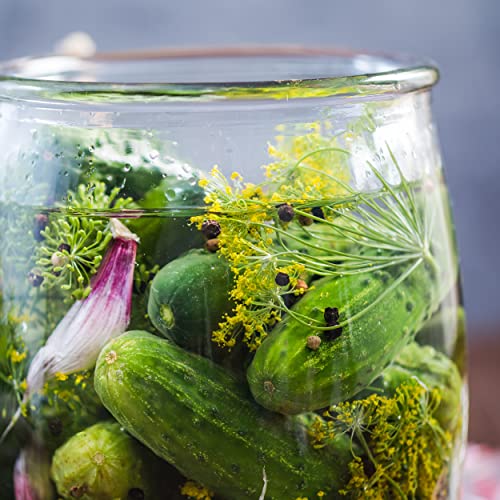
- 🥒 Quick refrigerator pickles
- 🍳 Egg dishes and omelets
- 🐟 Salmon or seafood seasoning
- 🧈 Dill butter
- 🥗 Salad dressings
- 🧊 Freeze for winter use
Fresh dill brings a bright, citrusy flavor to almost anything.
📚 References & Further Reading
- University of Minnesota Extension – Growing Dill Guide
- University of Maryland Extension – Dill (Anethum graveolens)
- Penn State Extension – Growing Herbs Indoors
- University of Wisconsin Extension – Dill (Anethum graveolens)
- Purdue Extension – Dill Herb Info
❓ Frequently Asked Questions
Does dill regrow after you cut it?
Yes. Dill continues producing new fronds as long as you harvest gently from the top and avoid taking more than one-third at a time.
How long does dill live indoors?
Most indoor dill plants last about 3–4 months before they start to bolt or slow down. Successive sowing keeps a continuous harvest.
Why is my indoor dill falling over or getting leggy?
Legginess usually comes from insufficient light. Adding a grow light or increasing direct sun quickly strengthens new growth.
Can dill grow in low light or without a sunny window?
Not well. Dill needs strong direct light, so low-light windows rarely work without supplemental lighting.
What is the best pot size for growing dill indoors?
Choose a pot at least 8–10 inches deep so the taproot can develop fully.
Can you grow dill indoors year-round?
Yes. With consistent light and new plantings every few months, you can enjoy dill all year.
Should you pinch dill seedlings?
Unlike basil, dill isn’t usually pinched early. Begin light pruning once the plant reaches 6–8 inches tall.
🌿 Conclusion
Growing dill indoors is totally achievable—even if you’re brand new to indoor gardening.
Give it enough light, choose a deep container, water it consistently, and prune it often.
With a little routine care, you’ll be surprised at how quickly it grows and how much fresh, fragrant flavor you can harvest right from your kitchen.
Read more: 👉 Indoor Herb Growing Guide