
This post may contain affiliate links. If you buy something from one of our links we may earn a commission. Thanks
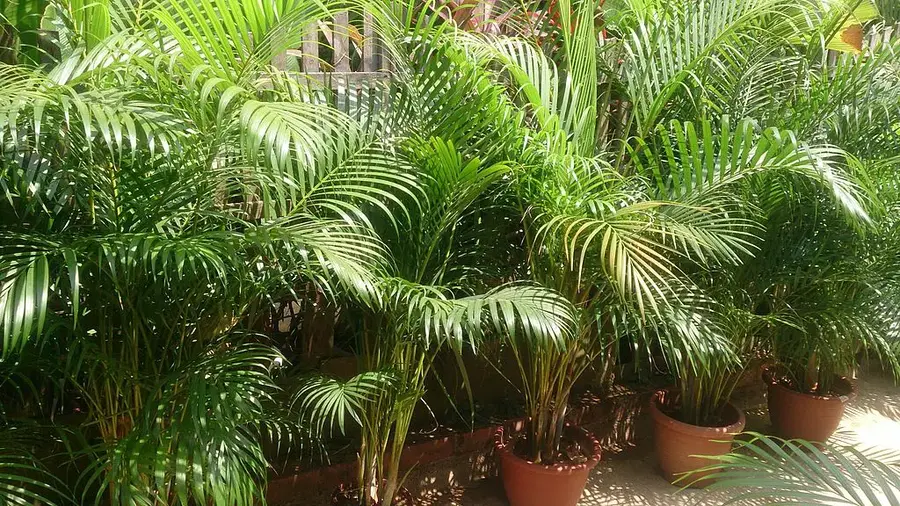
If you’re searching for the Best Palm Trees for Apartments, you’ve probably already realized something — not every palm sold at the garden center actually works indoors.
Palms have a reputation for being tropical and dramatic, but apartment living changes the rules. Light is limited. Space is tight. Air is dry. And some palms simply adapt better than others.
This guide breaks down what actually works indoors — which palms stay manageable, tolerate real apartment light, and won’t turn into high-maintenance regret plants six months from now.
What You’ll Learn
- Which palm trees actually tolerate apartment light.
- Which palms stay manageable in tight spaces.
- Common indoor palm mistakes and how to avoid them.
- How to choose a palm that fits your lifestyle — not just your décor.
Palms Look Great — Until They Don’t
Palms are one of the first plants people buy when they want that relaxed, tropical look inside their home. They’re tall, structured, and instantly change the feel of a room.
But here’s the part most people don’t realize: apartments are not greenhouses.
I’ve grown large plants outdoors and I’ve grown plants in limited indoor space. The difference in light, airflow, and ceiling height changes everything. A palm that looks incredible under warehouse lighting at the store can slowly decline in a normal living room.
That doesn’t mean palms can’t work in apartments. Some absolutely do. But not all of them.
This guide breaks palms into three simple groups:
- The ones that truly work in apartments
- The ones that can work — with the right setup
- The ones that don’t make sense long-term indoors
A healthy, well-sized palm always looks better than a struggling oversized one.
What Makes a Palm Realistic for Apartment Living?
Before picking a palm, it helps to understand what actually makes one suitable for apartment life.
1. Mature Height Indoors (Not Nursery Size)
Many palms are sold small. What matters is how they grow indoors over time. Some stay compact and manageable. Others slowly push toward your ceiling.
If your ceilings are 8 feet high, that limits your options more than most people realize.
2. Real Window Light
“Bright indirect light” sounds simple, but in an apartment that usually means:
- A south- or west-facing window with actual sun
- Or a very bright east window
A palm sitting ten feet from a window in a dim living room will not thrive long-term. Some tolerate lower light. Many do not.
3. Growth Rate
Slower-growing palms are your friend in apartments. Fast growers may look manageable now, but in a few years they can outgrow the space.
Apartment plant growing is long-term thinking, not impulse buying.
4. Root Space & Container Size
Palms don’t like being constantly repotted. But they also don’t like cramped roots.
A realistic apartment palm should be able to live comfortably in a container that fits your space — not demand a half-barrel planter in two years.
5. Maintenance Level
Some palms are forgiving. Others are spider mite magnets the minute humidity drops.
If you want low-maintenance, that narrows the list quickly.
In short, a good apartment palm:
- Stays proportionate to the room
- Handles typical indoor light
- Doesn’t demand constant humidity adjustments
- Doesn’t outgrow its welcome
Once you filter palms through that lens, the list gets much smaller — and much more realistic.
Next: The palms that actually work in apartments and why they hold up better than the rest.
Palms That Actually Work in Apartments
These are the palms that consistently adapt to apartment life. They stay proportionate, tolerate normal indoor light, and don’t demand greenhouse-level humidity to survive.
None of them are zero-maintenance. But they’re realistic.
Parlor Palm (Chamaedorea elegans)
If you want the safest bet, this is it.
Parlor palms stay compact, tolerate moderate light, and don’t explode in size over time. They’ve been grown indoors for generations for a reason.
- Handles lower light better than most palms
- Slow, controlled growth
- Works well in smaller containers
In a small apartment corner with decent window light, this palm can live comfortably for years.
Kentia Palm (Howea forsteriana)
Kentia palms bring a more elegant, architectural look without becoming overwhelming.
They tolerate indoor light better than many larger palms and grow slowly enough to remain manageable.
- Graceful fronds
- Slow vertical growth
- Adapts to bright indirect light
They do prefer brighter rooms, but they don’t demand direct blasting sun.
Lady Palm (Rhapis excelsa)
This is one of the most apartment-friendly palms for structure and size control.
It grows in clumps rather than one tall trunk, which makes it easier to manage visually in tight spaces.
- Handles moderate light
- Compact, upright growth
- Good for rooms without extreme brightness
It feels substantial without taking over the room.
Cat Palm (Chamaedorea cataractarum)
If you want fullness instead of height, cat palms are worth considering.
They stay bushier and lower compared to towering palms, making them easier to place near windows.
- Great for bright spaces
- Dense, lush look
- More humidity-sensitive than parlor palms
They need brighter light than people expect, but in a well-lit apartment they can look fantastic.
Areca Palm (Dypsis lutescens)
This one is popular — and sometimes overestimated.
Areca palms can work indoors, but only in bright apartments with real window light.
- Fast grower compared to others on this list
- Needs strong light to stay compact
- More prone to pests in dry air
If you have a bright south-facing window, it can thrive. In dim conditions, it slowly declines.
The Pattern You Should Notice
The palms that work indoors share similar traits:
- They grow slowly
- They tolerate moderate indoor light
- They stay proportionate to the room
If a palm is marketed as “fast growing” or “dramatic tropical statement,” that usually means it eventually outgrows apartment living.
Next: The palms that can work — but only if your apartment has the right setup.
Palms That Can Work — With the Right Setup
Some palms can live in apartments, but only if your space checks the right boxes. Strong light. Decent humidity. Room to grow.
These are not impossible plants — they’re just conditional.
Majesty Palm (Ravenea rivularis)
This is one of the most commonly sold indoor palms — and one of the most commonly struggled with.
- Needs very bright light
- Prefers higher humidity
- Prone to spider mites in dry air
In a bright apartment with large windows, it can look incredible. In average light, it slowly declines.
Pygmy Date Palm (Phoenix roebelenii)
Beautiful plant. Sharp personality.
- Needs strong light
- Develops sharp spines
- Eventually grows taller than most apartments comfortably allow
It can work in bright, open spaces — but it’s not beginner-friendly.
Queen Palm & Larger Statement Palms
These are often sold as indoor tropical centerpieces.
The reality? They outgrow apartments quickly.
- Rapid vertical growth
- High light demands
- Heavy feeders
Unless you have a sunroom or extremely bright loft-style space, they’re short-term plants at best.
Where to Place a Palm in a Small Apartment
Placement matters more than species in many cases.
- Bright indirect light near a window is ideal.
- Avoid dark interior corners unless you’re using grow lights.
- Keep them away from heating vents and cold drafts.
I always tell people: watch the light in your apartment for a full day. Count real sun hours. Don’t guess.
Palms don’t fail because they’re dramatic plants. They fail because we overestimate indoor light.
Watering and Expectations
Most apartment palms prefer consistent moisture — not soggy soil and not bone dry.
The biggest mistake I see is overwatering in low light. When light drops, water needs drop too.
If your palm is yellowing from the bottom up, check light first. Then check drainage.
The Honest Take on Palms in Apartments
Palms can absolutely work in apartments.
But not all palms. And not in every room.
If you choose slow growers like Parlor Palm, Kentia Palm, or Lady Palm and give them realistic light, they can become long-term plants.
If you chase the biggest, fastest tropical look you can find, you’ll eventually run into size or light problems.
Start smaller. Start realistic. Let the plant grow into your space instead of overwhelming it.
That’s how palms actually work indoors.
🌴 Apartment-Friendly Palm Care Guides
If one of these palms feels like the right fit for your space, here are the full care guides so you can go deeper.
- Parlor Palm (Chamaedorea elegans) Care
- Kentia Palm (Howea forsteriana) Care
- Lady Palm (Rhapis excelsa) Care
- Cat Palm (Chamaedorea cataractarum) Care
- Areca Palm (Dypsis lutescens) Care
Start with the palm that matches your light and space. The right match matters more than the trendiest plant.
Frequently Asked Questions
What is the best palm for a small apartment?
For most apartments, the Parlor Palm is the safest choice. It stays compact, tolerates moderate indoor light, and grows slowly. If you have brighter windows and a little more room, Kentia Palm and Lady Palm are also solid long-term options.
Do palm trees need direct sunlight indoors?
Most indoor palms do best in bright light near a window, but many do not need harsh direct sun all day. The bigger issue is that apartments often don’t provide enough overall light. A palm sitting far from windows usually declines over time.
How do I know if my apartment has enough light for a palm?
Don’t guess. Watch your space for a full day and count real direct sun hours hitting the window area. Bright rooms without direct sun can still work for some palms, but low-light interior rooms usually won’t.
Why do palm leaves turn brown at the tips in apartments?
Brown tips are usually caused by a mix of dry air, inconsistent watering, and mineral-heavy tap water. In apartments, heating and AC make this worse. Focus on steady watering, good drainage, and keeping the palm away from vents and drafts.
How often should I water a palm indoors?
There isn’t one schedule that fits every apartment. Water when the top inch or two of soil dries out, then water thoroughly and let excess drain. In lower light, palms use less water, so overwatering becomes the most common mistake.
Are palms prone to pests indoors?
Yes. Spider mites are the most common indoor palm pest, especially in dry apartments. If fronds start looking dusty, speckled, or dull, inspect the undersides and treat early.
Which palms are usually a bad fit for apartments long-term?
Large “statement” palms that want intense light and lots of space are usually a tough match. Bismarck, Coconut, Queen, and Travelers are the big ones that tend to outgrow apartment conditions or decline without strong sun.
Is Best Palm Trees for Apartments: What Actually Works Indoors a list of easy plants?
It’s a realistic list. Some palms are genuinely apartment-friendly, some can work only in the right setup, and some don’t make sense long-term indoors. The goal is to help you pick a palm that fits your space instead of fighting it.