This post may contain affiliate links. If you buy something from one of our links we may earn a commission. Thanks
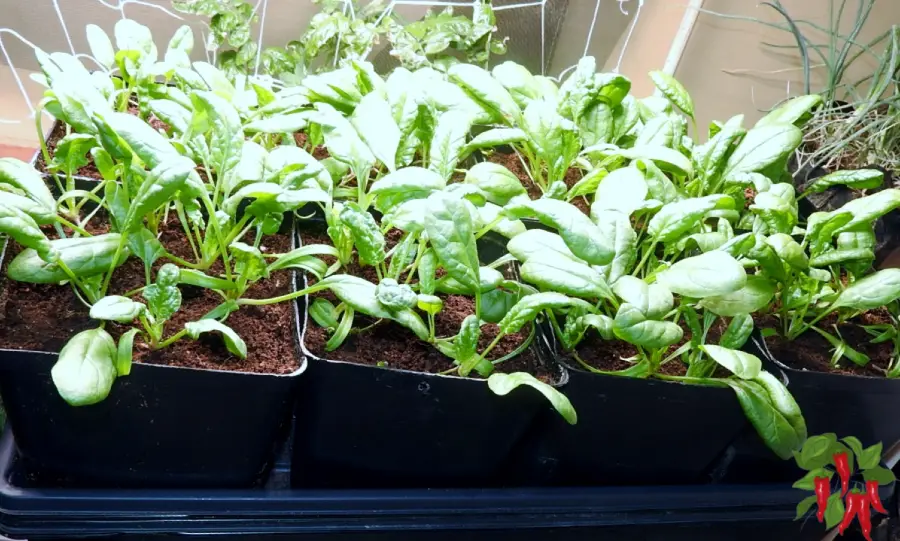
Want to grow vegetables indoors but keep second-guessing the container?
That’s normal. Indoors, your container does more than “hold soil.” It controls watering, root space, drainage, stability, and even how hard your lighting has to work. Get the container wrong and you’ll fight constant problems. Get it right and indoor growing suddenly feels… easy.
The best containers for indoor vegetable gardens guide breaks it down by container type and by crop, so you can pick something that fits your space and actually performs.
What You’ll Learn
- Which container types work best indoors (plastic, fabric, self-watering, buckets)
- How big your container really needs to be for common indoor crops
- Drainage and watering rules that prevent fungus gnats and root rot
- How to match containers to your growing method (soil, coco coir, SIP, hydro)
- Simple “starter container” picks for small-space indoor gardens
If you’re building a full indoor setup and want the bigger picture first, start with the methods hub (it ties containers, coco coir, self-watering systems, and hydro together):
Indoor Vegetable Growing Methods: Start Here.
Quick Rule: Pick Containers Based on Roots, Not Plant Height
A common indoor mistake is choosing containers based on how tall the plant looks above the soil. Indoors, the root zone is where the real action happens. More stable moisture, more oxygen, and enough depth for roots = better growth and fewer problems.
As a simple starting point:
- Greens and herbs do great in smaller containers (if drainage is good).
- Fruiting crops need more volume and stability (or they stall and stress).
- Root crops need depth more than width.
The Indoor Container Checklist (Don’t Skip These)
- Drainage: At least one real drain hole (more is better).
- Stable base: Indoors, a top-heavy tomato falling over is a whole event.
- Watering strategy: Top-water, bottom-water, or self-watering—pick one on purpose.
- Saucer plan: Use a tray/saucer that actually fits and won’t overflow.
- Material fit: Fabric dries faster; plastic holds moisture; SIPs hold steady.
Container Size Cheat Sheet (By Crop)
These aren’t hard laws, but they’re reliable indoor starting points that keep plants from getting root-bound too early.
- Lettuce / baby greens: 1–2 gallons per plant (or shallow bins with good drainage)
- Spinach / kale (compact types): 2–3 gallons per plant
- Herbs (basil, parsley, cilantro): 1–2 gallons per plant
- Scallions: small pots or trays work well (they’re forgiving)
- Peppers (compact): 3–5 gallons
- Tomatoes (dwarf/patio): 5 gallons minimum (bigger is easier)
- Carrots: deeper containers (10–12 inches+) for good roots
Want the crop list that pairs perfectly with these container sizes? Here:
The Best Vegetables to Grow Indoors.
Best Container Types for Indoor Vegetables
1) Standard Plastic Pots (Most Beginner-Friendly)
Plastic nursery pots and standard planters are the easiest place to start. They’re light, cheap, easy to clean, and they hold moisture longer than fabric—helpful indoors where air can be dry and lights can warm the pot.
- Best for: greens, herbs, scallions, compact peppers
- Watch out for: overwatering (plastic doesn’t “breathe” much)
2) Fabric Grow Bags (Great Roots, Faster Dry-Down)
Grow bags are awesome indoors if you can stay on top of watering. They “air prune” roots (which helps create a dense root system) and they’re hard to overwater compared to plastic. The tradeoff is they dry faster, especially under strong LED lights.
If you’re using grow bags, this guide is the one:
How To Use Grow Bags For Vegetables.
3) Self-Watering Planters and SIP Systems (Most Consistent Indoors)
If you’re busy, forgetful, or you want fewer “container drama” moments, self-watering planters and SIP systems are hard to beat. They keep moisture steady, which vegetables love, and they reduce the swing between bone-dry and soaked.
- Best for: greens, peppers, tomatoes, carrots (with the right depth)
- Watch out for: heavy mixes that don’t wick well
Start here:
Self-Watering Planters: Start Here.
4) 5-Gallon Buckets (Cheap, Deep, and Surprisingly Effective)
Buckets aren’t pretty, but they’re effective. Deep root space makes fruiting crops easier, especially tomatoes and peppers. You can run buckets as standard containers (with drainage) or convert them into self-watering systems.
If you’re leaning self-watering buckets, GroBucket-style systems are the simplest path because they bake in the overflow height and reservoir design.
5) Totes and Shallow Bins (Best for Greens, Worst for Overwatering)
Shallow bins can be fantastic for lettuce and baby greens—lots of surface area, easy harvesting. The downside is drainage: if bins don’t have enough holes, they turn into swamp trays fast.
Drainage, Saucers, and Indoor Mess Control
Indoor gardening gets a bad reputation because of spills and soggy saucers—not because it’s hard. Here’s the simple rule: you want drainage, but you also want control.
- Use a real saucer: not a random plate that overflows.
- Elevate pots slightly: small pot feet or a thin rack keeps drain holes from sealing against the saucer.
- Bottom watering works: but don’t leave pots sitting in water all day (unless it’s a designed SIP).
Matching Containers to Your Growing Medium
Potting Mix (Classic)
Potting mix is forgiving, but it can compact over time indoors. Plastic pots work well if you water carefully. Fabric bags help prevent staying too wet.
Coco Coir (Clean and Indoor-Friendly)
Coco coir is lightweight, clean, and great for indoor vegetables because it holds moisture without turning into a brick. It pairs really well with standard pots, buckets, and even some self-watering setups (with the right mix).
If you want a full coir walkthrough:
Growing Vegetables in Coco Coir.
Self-Watering / SIP Mixes
SIPs need a mix that wicks well and stays airy. Heavy garden soil is a no-go indoors. Use a lighter, well-aerated blend designed for wicking.
This is the soil/mix guide that ties it together:
Sub-Irrigated Planter Soil Mix.
Light and Container Choice (Yes, They’re Connected)
Under strong LEDs, containers dry faster and smaller pots become high-maintenance. If you’re growing under lights, upsizing your container often makes your life easier (more buffer = less stress).
If your setup is light-driven, this is the next stop:
Growing Vegetables Indoors With Lights.
Best Containers for Indoor Vegetable Gardens: FAQs
Quick answers for the most common container questions. If you’re reading this as part of your indoor setup planning, the best-containers-for-indoor-vegetable-gardens approach is simple: pick the container first, then match your method and crops.
What size container is best for indoor vegetables?
Most leafy greens and herbs do well in 1–3 gallon containers. Fruiting crops like peppers and dwarf tomatoes are easier in 3–5+ gallon containers because they hold moisture and nutrients more steadily.
Do grow bags work well indoors?
Yes, especially if you want healthier roots and fewer overwatering issues. The tradeoff is they dry faster under indoor heat and grow lights, so you may water more often than plastic pots.
Are self-watering planters worth it for indoor vegetables?
For many growers, yes. Self-watering planters and SIPs stabilize moisture and reduce watering mistakes, which is huge indoors where containers can swing from dry to soggy quickly.
Can I use garden soil in indoor containers?
It’s usually a bad idea. Garden soil is heavy, drains poorly in pots, and can bring pests indoors. Use potting mix, coco coir blends, or a soilless mix designed for containers.
How do I prevent fungus gnats in indoor pots?
Avoid keeping the top of the mix constantly wet. Use well-draining media, let the surface dry slightly between waterings (unless you’re using a true SIP system), and don’t let pots sit in standing water in saucers.