
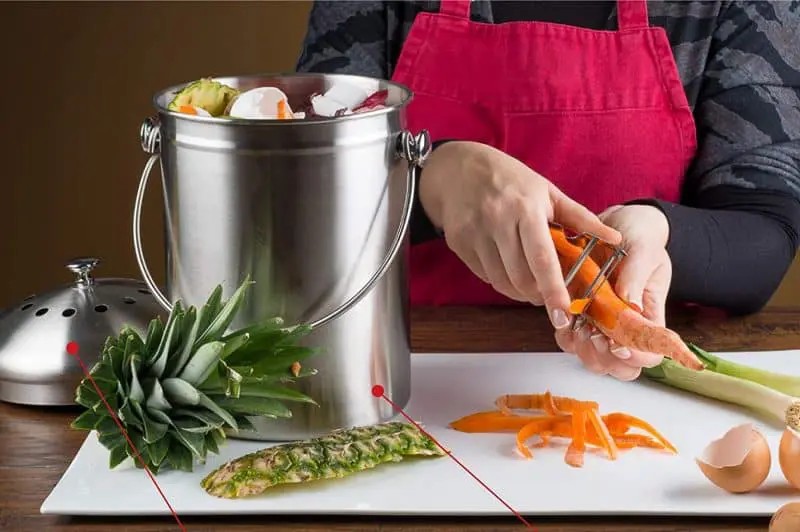
The best composting ideas for indoors make it easy to reduce kitchen waste, even if you live in an apartment, condo, or home without outdoor space. Today’s indoor composting systems are cleaner, more compact, and far easier to manage than many people realize.
Whether you want nutrient-rich compost for houseplants, a simple way to recycle food scraps, or a faster alternative to traditional compost piles, there are indoor options that fit almost any lifestyle. From worm bins and bokashi buckets to countertop composters and electric composting systems, indoor gardeners have more choices than ever.
In this guide, you’ll discover the best composting ideas for indoors, learn the advantages and disadvantages of each method, and find the right solution for your available space, budget, and gardening goals.
What You’ll Learn
- Best indoor composting methods for apartments and small homes
- How worm bins, bokashi buckets, and kitchen composters work
- Which indoor composting systems smell the least
- How to compost indoors without attracting pests
- Which composting method is easiest for beginners
Quick Answer: What Is The Best Way To Compost Indoors?
The best indoor composting method depends on your space, budget, and gardening goals. Worm bins are excellent for producing nutrient-rich compost, bokashi buckets handle a wide variety of food scraps, and electric composters offer the fastest and most convenient solution for apartment living.
Modern indoor composting systems are compact, low-odor, and easy to maintain, making it possible to recycle kitchen waste and create useful material for houseplants, container gardens, and outdoor growing spaces year-round.
Indoor Composting Methods Compared
| Method | Best For | Odor Level | Speed |
|---|---|---|---|
| Worm Bin | Plant lovers | Low | Moderate |
| Bokashi Bucket | Food scraps | Very Low | Fast |
| Electric Composter | Convenience | Very Low | Very Fast |
| Kitchen Scrap Bin | Temporary storage | Low | Not a composting system |
Best Composting Ideas for Indoors
Looking for the best composting ideas for indoors? People now view composting and recycling as a way of life so it’s really no surprise there are more indoor composting ideas and products for this.
When most of us think of compost bins we think of our outdoor vegetable or flower gardens but composting has evolved and is not just for the outdoors anymore.
Indoor composting is an option even for those without a garden. A worm composting bin or bokashi bucket can help reduce the strain on our landfills and provide rich nutrients for your houseplants or garden.
They also make it possible to compost year-round even when our outdoor compost bins are shut down because of cold weather.
Why Indoor Composting Systems Work Better in Apartments
Outdoors you could build an open outdoor compost pile or basic open bin yourself, assuming you have the room but these have many disadvantages.
If you live in an apartment or condo this really is not an option for you. Outdoor composting can give off unpleasant smells and attract flies and other insects as the organic materials decompose.
Definitely not something you want in your apartment.
Anyway, you’re really not missing anything. They are really slow at making compost and labor intensive.
There is the chore of turning them with a garden fork which can be strenuous for some. Your neighbors may complain about the smell.
If you don’t have an outdoor space for backyard composting don’t worry there are composting methods that work indoors.
So we need composters that work indoors. They should be easy to maintain, odor-proof, and not attract pests. Finally, they need to be designed to fit in smaller spaces,
There are even electric composters like the Vitamix Foodcycler.
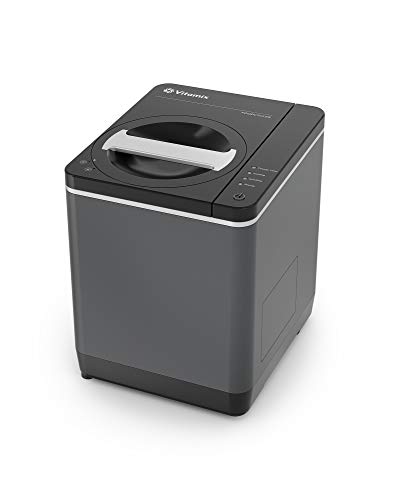 You can find plans for your own worm composter or bokashi bucket for sure but a diy compost bin will likely not work as well as an engineered product and in some cases may not work at all.
It is often cheaper, faster, and easier, in the long run, to buy composters for your apartment or condo.
They are available in a variety of styles, sizes, and designs and will outperform an open compost heap or pile or bin.
In the case of indoor composting, you will definitely want something designed to be odor free. Finally, not everyone is handy or has the time or space for a DIY project.
Types of Indoor Composting Systems
Here are some kitchen and indoor composting ideas you may want to consider.

Bokashi Composters
Bokashi composting is a totally natural and revolutionary way to deal with your kitchen waste. It is an anaerobic process that uses bacteria, yeast, and other microbes to break food down without odor.
They are one of the best composting ideas for indoors for dealing with your food waste.
Developed in Japan, the word bokashi means fermented organic matter. The finished product has a sweet pickled smell to it and the process is similar to making what farmers call silage
This is one of the best composting ideas for indoors. It is fast and unlike worm composting it can handle meat and dairy products which is a great benefit. Want more info on Bokashi? Bokashi (horticulture) – Wikipedia
Kitchen Composter Ideas
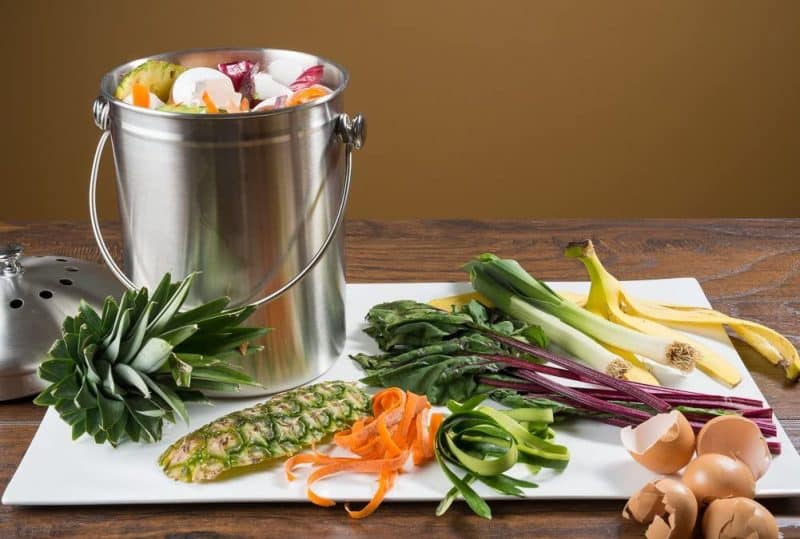
Kitchen composters are made in a variety of styles and for a variety of uses.
Some are simple plastic buckets designed to temporarily hold scraps until they go in a compost bin. Some can be kept under the kitchen sink.
Others are more decorative and designed not to look like they hold kitchen scraps.

Some more sophisticated kitchen composters are designed to completely process kitchen waste indoors and many have features to help them remain odor free.

Kitchen composters are relatively small units. They have a tight-fitting lid and are usually attractive because they are often kept on a countertop.
They are compact which makes them a good choice where space is limited. They offer the advantage of limited maintenance.
One of the best composting ideas for indoors, they are not very expensive and can add a nice accent to your kitchen counter.
Their main disadvantage is they are relatively slow unless aeration is provided. Some models do have air holes and a tight-fitting lid so choose one of them.
Worm Composting Bins
 One of the best composting ideas for indoors is using vermiculture. Worm composting bins are in a class of their own.
These versatile units use red worms to help speed up the composting process. They are compact and generally odor free.
They can be used both inside and out and are an ideal solution for those with limited space. I think they are the best compost bin for indoors. I own a Worm Factory 360 and love it.
Worm compost bins are a great way to get rid of kitchen scraps and paper and they offer year-round composting.
Those living in apartments can now make their own compost for their plants with worm tea. Plus worm castings make the best plant food ever.
Worm bins require little maintenance once set up and are easy to care for. The only disadvantage they have is keeping the temperature from getting too cold or hot.
They need to be kept above 40 degrees and below 80 degrees. Many users keep them in the kitchen, a garage, or a basement with great success while others move them inside and out with the seasons.
Composting Worms
 If you want to speed up your compost pile red worms can help.
If you want a worm composting bin you will need a starter batch of red worms. Don’t try to save money by getting worms from a bait shop.
There are many species of worms and not all make compost. You want red wigglers.
Get your worms from a worm farm that specializes in raising disease-free worms for composting.
Common Indoor Composting Problems And Solutions
Why Does My Indoor Compost Smell?
Bad odors usually indicate excess moisture, poor airflow, or adding materials the system cannot process efficiently. Indoor composting systems should have an earthy smell, not a rotten odor.
Why Are Fruit Flies Appearing?
Fruit flies are often attracted to exposed food scraps. Keeping lids closed, burying scraps, and avoiding overripe produce can help prevent infestations.
Why Are My Worms Dying?
Extreme temperatures, overfeeding, or overly wet conditions can stress composting worms. Most red wigglers prefer temperatures between 55°F and 80°F.
Why Is Composting Taking So Long?
Large food scraps, low microbial activity, cool temperatures, or insufficient moisture can slow the composting process.
Which Indoor Composting Method Is Easiest?
Electric composters are generally the easiest to use, while worm bins often produce the most valuable finished material for houseplants and container gardens.
Best Composting Ideas for Indoors FAQs
What is the easiest way to compost indoors?
The easiest way to compost indoors is to use a countertop kitchen composter, bokashi bucket, or small worm bin. A kitchen composter is best for collecting scraps, bokashi works well for sealed indoor fermenting, and worm bins create useful castings for houseplants.
Can you compost indoors without it smelling?
Yes, indoor composting can be nearly odor-free when managed correctly. Use a sealed bokashi bucket, maintain a balanced worm bin, avoid excess moisture, and empty countertop scrap containers regularly.
What can I compost indoors?
Most indoor composting systems can handle fruit and vegetable scraps, coffee grounds, tea bags, crushed eggshells, and small amounts of paper. Bokashi systems can usually handle more food types, including some cooked foods, meat, and dairy.
Are worm bins good for indoor composting?
Yes, worm bins are one of the best indoor composting ideas for apartments and small homes. They are compact, quiet, and can turn kitchen scraps into worm castings that work well for houseplants and container gardens.
Is bokashi better than worm composting indoors?
Bokashi is better if you want a sealed system that can handle a wider range of food scraps. Worm composting is better if you want finished worm castings for plants. Many indoor gardeners use both methods together.
Can apartment dwellers compost indoors?
Yes, apartment dwellers can compost indoors with a small worm bin, bokashi bucket, countertop scrap collector, or electric composter. The best choice depends on available space, budget, odor concerns, and whether you want finished compost for plants.
Best Composting Ideas for Indoors: Final Thoughts
Indoor composting is no longer limited to gardeners with large outdoor spaces. Modern composting systems make it possible for apartment dwellers, condo owners, and small-space gardeners to recycle food scraps year-round.
Whether you choose a worm bin, bokashi bucket, kitchen composter, or electric composter, each method can help reduce waste while producing useful material for plants and gardens.
The best indoor composting system is the one that fits your available space, budget, and lifestyle. Once you get started, you’ll likely find that composting indoors is easier and cleaner than you expected.
- Indoor Composting: Start Here
- Composting Indoors: Easy Guide for Apartment Gardeners
- Vermicomposting for Apartments: 10 Easy Worm Composting Tips
- Bokashi Soil Factory Composting for Apartments: Tips and Tricks
- How To Start A Bokashi Bucket: Fast and Easy Composing Tips
Indoor Composting Can Work in Almost Any Apartment
Composing in an apartment is easy with the right composters. There’s really only one problem with it. What to choose.
Bokashi and worm composters are great choices but a simple kitchen compost bucket can serve you well too.
Indoor composting bins offer so many choices it can be hard to choose the best indoor compost bin.
The best thing about composting indoors is you are keeping things out of the landfill and as an added bonus you get some great plant food. Read Start Composting At Home for more reasons to compost.